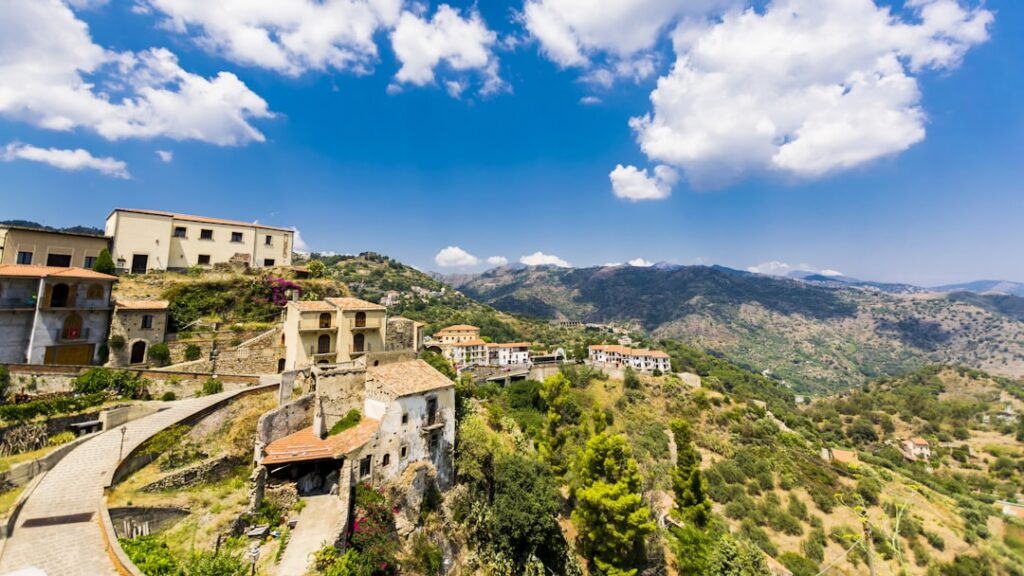






Introduction: wandering through the heart of Tuscany’s borghi
Tuscany is a land of golden hills, centuries-old vineyards and, above all, villages — the famed borghi — where time seems to have agreed to slow down. Walking the narrow lanes of these small historic centers is like flipping through a three-dimensional picture book: stone walls draped in ivy, flagstones worn by centuries of footsteps, flower-bedecked balconies, tiny squares where a shopkeeper’s cat naps in the sun, and hand-painted wooden signs pointing to an « osteria » or « bottega. » This article offers an immersive, sensory route through the most picturesque lanes of Tuscany’s borghi, complete with practical details — exact addresses, opening hours, nearby monument prices, local tips and photography suggestions.
Tuscan lanes are often narrow and winding, each one telling the story of its village: medieval fortifications, tower-houses, arcades, steep stairways that open onto spectacular viewpoints. Whether you’re a photographer hunting for the perfect sunrise light, a foodie eager to find a tiny family-run trattoria, or a curious traveler wanting to understand local daily life, these hidden paths deliver unique experiences. We’ve selected emblematic lanes across several borghi — San Gimignano, Siena, Lucca, Montepulciano, Pienza and Florence (historic quarters and side streets) — to showcase Tuscany’s architectural and atmospheric variety.
Each section below describes a lane or small cluster of streets, gives the full address when available, lists nearby attractions (with opening times and fees), and shares practical tips — from the best time to visit to small gestures of respect for locals. You’ll also find photography advice, walking routes and tricks to avoid the crowds in high season. At the end, a conclusion sums up the best practices to fully enjoy these treasures while caring for the places and communities.
<img width="433" height="650" src="http://toscane.ue.is/wp-content/uploads/sites/17/2026/01/san-gimignano-via-della-cisterna-morning-sun-1769375813.jpg" class="aligncenter" alt="San Gimignano Via della Cisterna morning sun » loading= »lazy » />
1. Via della Cisterna – San Gimignano (SI): the signature lane beneath the towers
Via della Cisterna is arguably San Gimignano’s most famous lane — the borgo often nicknamed the « medieval Manhattan » thanks to its towers. Located in the historic center, its landmark address is Via della Cisterna, 53037 San Gimignano SI, Italy. This cobbled street slopes down toward Piazza della Cisterna, a triangular square ringed by stone houses and taverns. The flagstones, the shadows cast by the buildings and the perspective framed by the towers create an outstanding photographic setting at any time of day, especially at dusk when restaurant lights reflect off the stones.
Nearby, Torre Grossa (Piazza del Duomo 1, 53037 San Gimignano) offers a panoramic viewpoint. Hours: typically 10:00–18:30 (seasonal variations). Admission: around €9 for access to the civic museum and the tower. The Duomo di San Gimignano (Piazza del Duomo) is also just a short walk away; entry to the memorial museum is often included in the combined ticket with Torre Grossa.
Practical tips: arrive early (between 8:00 and 9:00) to enjoy soft light and avoid coach crowds. If you want a tasty break, note Osteria delle D, Via della Cisterna 5 (open 12:00–15:00 and 19:00–22:30, dishes €10–€25) where Tuscan specialties are served in a vaulted dining room. Watch opening hours: in summer many shops close for a midday break (13:00–16:00).
Photography: use a wide-angle lens to capture the lane’s depth, and return at sunset to play with contrasts between warm light and cool shadows. Don’t forget to look up: many architectural details (balconies, carved lintels, old signs) add richness to your compositions.

2. Via di Città and Via Banchi di Sopra – Siena (SI): between historic shops and the slopes of Piazza del Campo
Siena is an elegant maze where every lane tells the story of the city‑state. Via di Città (central address: Via di Città, 53100 Siena SI, Italy) and Via Banchi di Sopra (Via Banchi di Sopra, 53100 Siena SI, Italy) are two historic thoroughfares linking the famous Piazza del Campo (Piazza del Campo, 53100 Siena SI) to the rest of the town. Lined with antique signs, historic pharmacies and cafés, these streets are perfect for feeling Siena’s soul — a mix of Gothic architecture and lingering medieval atmosphere.
Don’t miss Torre del Mangia (Piazza del Campo, 53100 Siena SI). Hours: generally 10:00–19:00 in high season (seasonal changes apply). Admission: about €8 to access the tower and its panorama. The Museo Civico (Palazzo Pubblico, Piazza del Campo 1) is adjacent and features frescoed rooms (hours: 10:00–18:00, entrance about €8–€12). These sites round out a stroll through the lanes by offering a bird’s-eye perspective.
Local tips: wander slowly through the smaller perpendicular alleys — these often hide artisan shops, family bakeries and trattorie where recipes are handed down locally. For a great coffee away from the tourist flow, try Caffè Nannini (Piazza del Campo 26) — open early, pastries from about €2. For evening meals, reserve in advance if you plan to dine on Piazza del Campo, especially during the Palio (two dates: July 2 and August 16) when the city is extremely lively.
Photography & timing: the best times to photograph Siena’s terracotta facades are soft morning light or late afternoon. The narrow lanes create shadow plays ideal for portraits and architectural details. Be respectful of residents: avoid noisy groups and keep the peace after 22:00 in residential areas.
3. Via Fillungo and Torre Guinigi – Lucca (LU): the gentle charm of Tuscan caruggi
Lucca is a human-scale city where you can discover a more intimate side of Tuscany. Via Fillungo (Via Fillungo, 55100 Lucca LU, Italy) is the main street of the historic center, lined with shops, cafés and palaces. Just a short walk away, Torre Guinigi (Via Sant’Andrea 45, 55100 Lucca LU) — famous for its rooftop garden planted with oak trees — offers a unique view across tile roofs and the ring-shaped ramparts that encircle the city. Torre Guinigi hours: usually 9:00–18:00 (seasonal variations). Admission: roughly €5–€7 to climb the tower.
Via Fillungo winds between arcades, pastry shop windows and small squares where Luccans take their time. At the junction of Via Fillungo and Via del Fosso, don’t miss the little lively piazza that once hosted the market. The nearby Teatro del Giglio (Via di Poggio, 55100 Lucca) adds cultural depth to the walk: check the schedule for concerts or operas; ticket prices vary (€10–€60 depending on the performance).
Practical tips: rent a bike to ride along the city walls (Piazza Napoleone, 55100 Lucca) — rentals from about €6/hour. It’s easy to combine a city ride with a stop at an artisan gelateria like Gelateria Vero Caffè (Via Fillungo 184, open 10:00–22:00, single scoop €2.50–€4). To avoid tourist crowds, visit Via Fillungo early morning or late afternoon; midday tends to be busier when visitors from nearby towns arrive.
Photography: Torre Guinigi with its treetop garden is an ideal subject at sunset. On Via Fillungo, capture reflections in shop windows and the details of old doors: textures and patinas tell the story of the place. For a wider view, climb the ramparts (free entry) and look for panoramas across ochre roofs and scattered towers.
4. Via delle Cantine and Via di Gracciano nel Corso – Montepulciano (SI): stone lanes between cellars and vistas
Perched on its hill, Montepulciano is a gem for those who love lanes with a culinary bent. Via delle Cantine (centered around Via di Gracciano nel Corso, 53045 Montepulciano SI, Italy) is lined with historic cellars (cantine) producing the famous Vino Nobile di Montepulciano. Many wineries are located along or near Via del Teatro Poliziano and Corso, with tasting venues clustered around Piazza Grande (Piazza Grande, 53045 Montepulciano SI).
Examples for tastings: Cantina Contucci (Via di Gracciano nel Corso 5, 53045 Montepulciano SI) — tastings by reservation, typical hours 10:00–18:00, guided tasting €12–€20 depending on the number of wines. Cantina Nardi (Via delle Cantine 2, 53045 Montepulciano) offers cellar tours and food pairings (prices and hours vary, often 10:00–17:00). The Museo Civico e Diocesano (Piazza Grande 1) is usually open 10:00–17:00, ticket around €5–€8.
Stroll down Via delle Cantine to breathe in the scent of fermenting grapes and hear the quiet roll of barrels; thick walls and vaulted cellars create a unique acoustic. Montepulciano is also known for its stone stairways and viewpoints: from Piazza Grande you can admire the Tuscan countryside with the Val d’Orcia as a backdrop on clear days.
Tips: book tastings in high season (May–Sept) and avoid the hottest afternoon hours to fully enjoy the cool cellars. If you buy wine, ask about transport: many accommodations offer delivery, or shops can pack and seal bottles for air travel. For a memorable photo, look for a view through a cellar window showing barrels and a shaft of light.

5. Via dell’Amore and Oltrarno lanes – Florence (FI): workshops, artisans and hidden views
Florence is often synonymous with museums, but the Oltrarno and its lanes are full of artisan workshops and small streets that keep an authentic character. Via dell’Amore and streets like Via dei Serragli, Via Maggio (Oltrarno, 50125 Florence FI, Italy) offer a different vibe from the city’s main tourist arteries. Here, artisans still work leather, gold, marble and wood in shops that open directly onto the street.
Nearby cultural addresses include the Basilica di Santo Spirito (Piazza Santo Spirito, 50125 Florence) — generally open 7:30–19:00; the Casa Buonarroti museum-workshop (Via Ghibellina 70, 50122 Florence) with variable hours (often 9:00–18:00, ticket about €8). For a unique view over Florence, head up to Piazzale Michelangelo (Piazzale Michelangelo, 50125 Florence) — reachable by bus or a pedestrian path from Oltrarno; access is free, parking may be paid.
Practical tips: visit workshops in the late morning when artisans are at work — it’s the best time to watch techniques and chat. If you’re interested in textile restoration or gilding, ask for a demo: many artisans will be happy to explain their craft. For a meal, try Trattoria 4 Leoni (Piazza della Passera 2r, 50125 Florence) — dishes €12–€28, usually open 12:00–14:30 and 19:00–22:30; reservation recommended.
Photography: look for details — tools on a workbench, wood shavings, embroidered patterns — for images that tell a story. At dusk, the Oltrarno lanes take on a soft, warm hue, especially around Via Maggio where old shops and patinated façades make an ideal backdrop.

6. Corso Rossellino and the lanes of Pienza – Pienza (SI): Renaissance elegance amid the Val d’Orcia
Pienza, labeled a « Città Ideale » by Pope Pius II, is a tiny jewel where every lane seems designed to delight the senses. Corso Rossellino (Corso Rossellino, 53026 Pienza SI, Italy) runs through the center and leads to the splendid Piazza Pio II (Piazza Pio II, 53026 Pienza SI) where the Cattedrale di Pienza (Piazza Pio II) and Palazzo Piccolomini sit. These streets offer iconic views of the Val d’Orcia and a concentration of shops selling pecorino cheese, cured meats and local products.
To visit: the Cattedrale di Pienza (Piazza Pio II) — often open 8:30–17:30 (hours vary), free to enter but some areas or exhibitions may charge (donation or €2–€5). Palazzo Piccolomini (Piazza Pio II, often part of combined civic visits) features gardens and terraces with countryside panoramas (hours and prices vary; combined ticket commonly around €5–€8).
Local tips: the best way to enjoy Pienza is to get up early and head down toward the valley to see morning light kiss the cypresses and hills. For a tasty souvenir, buy pecorino — fresh or aged — at La Buca di Enea (Via San Francesco 12, open 9:00–19:00, cheese prices €5–€25 depending on aging). Avoid buying from the most tourist-facing shops near the main square if you want authentic products: ask locals for their favorite spots.
Photography: the viewpoints southeast of Piazza Pio II are famous for compositions with cypresses and misty valleys at dawn. In the lanes, capture stucco textures, wooden doors and grocery sacks hanging — these details bring images to life and convey the town’s daily rhythm.
General practical tips for exploring borghi lanes
- Hours: lanes are always accessible, but shops and museums have opening times: generally 9:00–13:00 and 15:30–19:30; during summer, many places close for a midday break.
- Fees: museum and tower prices vary (from €3 for small chapels to €12 for major museums). Bring some cash for small shops and tastings (many also accept cards).
- Best time: early morning (7:30–9:30) or late afternoon (17:00–20:00) for the light and fewer people.
- Respect: keep your voice low, respect private property and avoid parking in narrow lanes. Don’t pick flowers and don’t leave litter behind.
- Shoes: choose closed, comfortable footwear — slippery cobbles and stairways are common.
Conclusion: savoring slowness and protecting small heritage
The lanes of Tuscany’s borghi are more than just pathways: they’re cultural layers where every stone, sign and balcony contributes to a shared memory. The detailed walks above (Via della Cisterna in San Gimignano, Via di Città and Via Banchi di Sopra in Siena, Via Fillungo and Torre Guinigi in Lucca, Via delle Cantine in Montepulciano, the Oltrarno lanes in Florence and Corso Rossellino in Pienza) offer a wide range of experiences — from vineyard panoramas to cloistered silence, from artisan shops to cool cellars where wine matures.
To get the most from these lanes, plan ahead but stay open to the unexpected: a passageway, a hidden square or a spontaneously open workshop can become the highlight of your trip. Respect residents’ schedules, favor local consumption — buying cheese from the village cheesemonger or sipping coffee at a square terrace directly supports the preservation of these places. Finally, practice responsible photography: ask permission before photographing people and avoid blocking narrow lanes while you shoot.
If you come back to Tuscany, change your angle: instead of repeating classic routes, explore a different lane each day, learn a shopkeeper’s name, jot down a recipe passed down through generations. Tuscany reveals itself to those who take their time, who listen to the stones and who respect the people. Safe travels, and allow yourself to get wonderfully lost — often the most beautiful memories are born around a forgotten corner.
