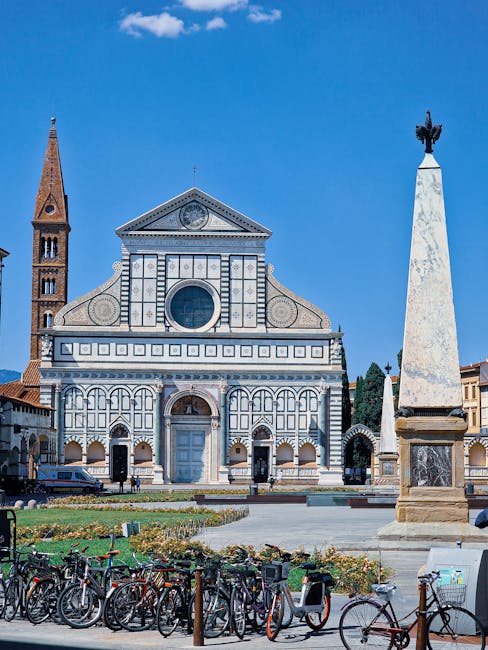






Introduction
Exploring Tuscany in six days is a perfect way to soak up art, scenery and food in concentrated form. Montalcino and Pienza, tucked into the heart of the Val d’Orcia — a UNESCO World Heritage landscape — offer two complementary sides of Tuscany: one famed for bold wines and medieval strongholds, the other for Renaissance urban harmony and pastoral viewpoints that look like paintings. This detailed guide is built for a 6-day stay, favoring slow discovery, pinpoint recommendations, opening hours, approximate prices, and local tips to make the most of every moment.
Here you’ll find suggested itineraries to visit the main sites — Fortezza di Montalcino, Abbazia di Sant’Antimo, Castello Banfi, Pienza’s Piazza Pio II, the Cattedrale dell’Assunta, and Palazzo Piccolomini — plus practical advice: where to park, how to arrange Brunello di Montalcino tastings, typical opening times and price ranges for tours and tastings. The aim isn’t to rush, but to absorb the atmosphere: low sun on rolling hills, the scent of earth after rain, the clink of glasses in a vaulted cellar.
I also include local driving tips for secondary roads, the best times to avoid crowds, and addresses for authentic meals — trattorie, cheesemongers and olive oil shops. Mental snapshots are important: picture the fortress above Montalcino at sunset, cypress trees sketching perfect lines on ridges, Pienza’s cobbled lanes opening onto endless views. This guide contains 7–12 suggested visual images placed where they enrich the description to help prepare your travel journal or social posts.
Finally, a note on respect and responsible tourism: the Val d’Orcia is a fragile ecosystem, with farms and vineyards often following traditional practices. Stick to public paths, favor local products, and book tastings in high season. Now, let’s walk through your 6-day itinerary between Montalcino and Pienza, with all the practical details you’ll need.
1. Day 1 — Montalcino: arrival, Fortezza di Montalcino and historic center
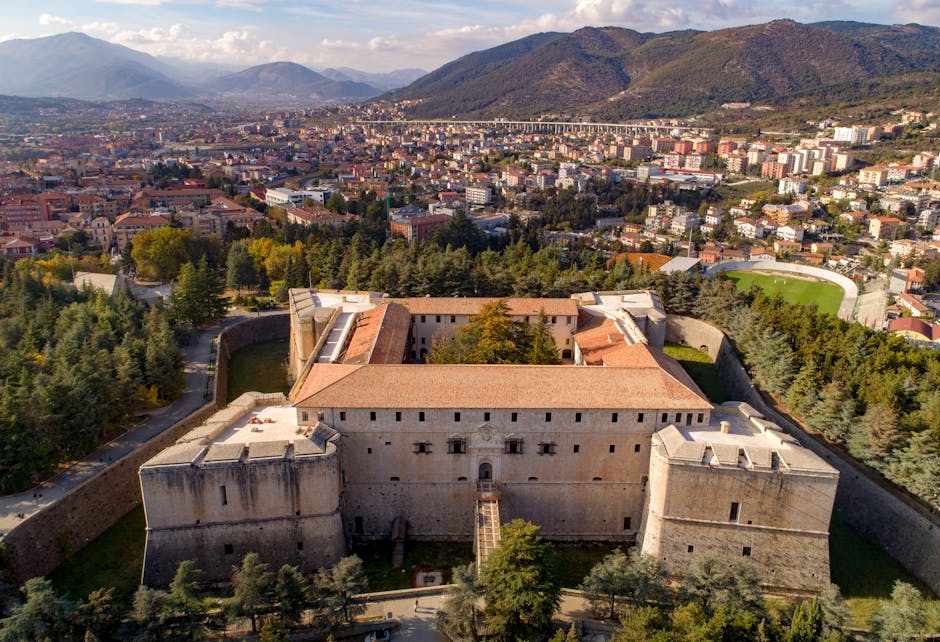
Start your stay in Montalcino, the hilltop town famous for Brunello. The Fortezza di Montalcino overlooks the town from Piazza del Popolo, 53024 Montalcino SI. Exact address: Fortezza di Montalcino, Piazza del Popolo, 12, 53024 Montalcino SI. Typical opening hours: April–September 10:00–19:00 (last entry 18:30); October–March 10:00–16:00 (may vary with weather). Indicative entrance fee: €6.00 for access to the panoramic terrace (reduced rates often available for children and seniors). Climbing the battlements gives a 360° view over the Val d’Orcia and the vineyards — perfect at sunset.
After the fortress, wander the lanes around Piazza del Popolo, 53024 Montalcino SI, where you’ll find artisan shops and enoteche (wine bars). Visit the Ecomuseo di Montalcino (Museo Civico e Diocesano di Arte Sacra) if it’s open; address: Via della Libertà, 18, 53024 Montalcino SI. Hours: often 09:30–13:00 and 15:00–18:00, closed on Mondays off-season; admission around €3–5. For a first dinner, choose a local trattoria such as Osteria Le Logge di Sotto, Via Ricasoli 17 (check for reservations). Meal budget: €20–45 per person depending on dishes and wine.
Practical tips: park at Parcheggio Piazza del Popolo or in the free lots slightly downhill (especially in high season mornings). In summer, arrive early at the fortress to avoid heat and crowds. Bring a water bottle and sunglasses — the warmed stone can be bright. Ask shopkeepers for recommendations of local wines, and book a tasting for the next day if you plan to visit specific wineries.
2. Day 2 — Brunello tastings: Castello Banfi and small family cellars
Devote day two to the wines that made Montalcino famous: Brunello di Montalcino. A must-visit is Castello Banfi — Poggio alle Mura, 53024 Montalcino SI (address: Castello Banfi, Podere Poggio alle Mura, 53024 Montalcino SI). Winery tours and tastings: guided tours and tastings are by reservation; typical hours 10:00–17:00. Prices: cellar tour + one tasting from around €25; more comprehensive packages (several wines, wine museum, grounds) €40–70 per person. Book online ahead in high season.
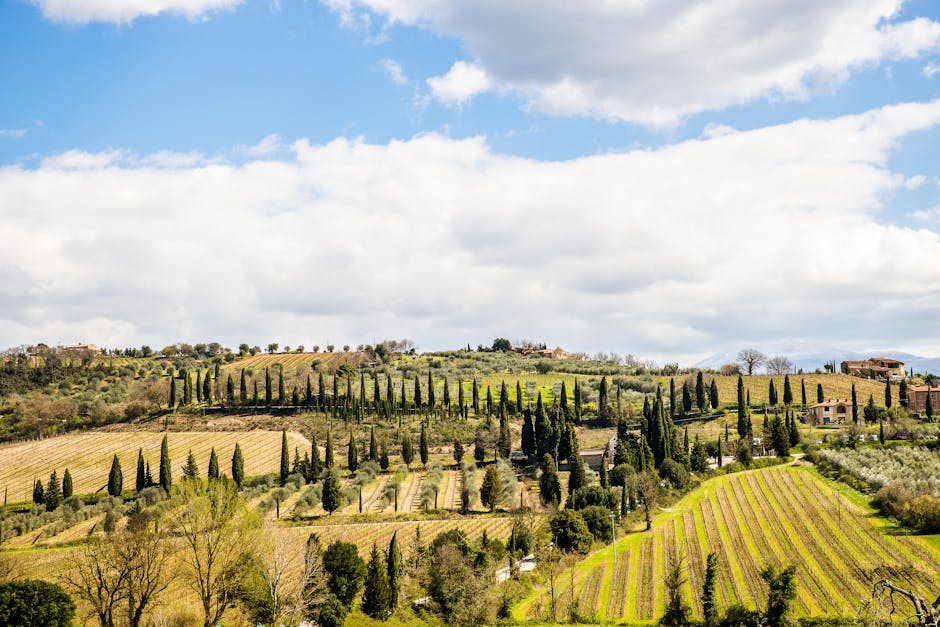
For a more intimate experience, schedule a visit to a family-run cantina like Cantina Biondi Santi (historic for Brunello) or Azienda Agricola Capanna. Cantina Biondi Santi — address: Località Poggio alle Mura, 53024 Montalcino SI — sometimes offers tastings by appointment; prices vary, often €30–60. These visits let you learn about oak aging, blending and the criteria that define Brunello. If a Brunello di Montalcino Riserva is offered, be sure to taste it — it’s an impressive demonstration of concentration and age.
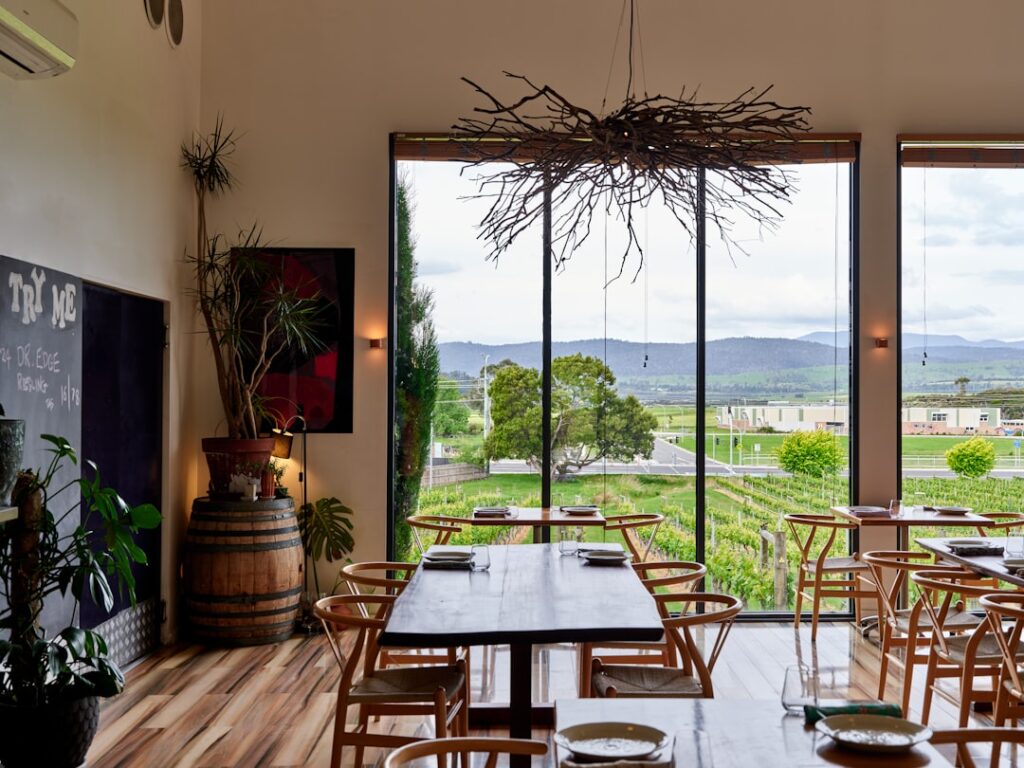
Practical tips: drive carefully and designate a sober driver or book a private transfer for the day (approximate cost €100–200 depending on time and vehicle). Wear comfortable shoes for cellars that may have narrow stairs or dirt floors. Buy a few bottles directly from the winery — you’ll often find cuvées not exported. Also ask for local product recommendations (olive oil, pecorino, honey) to round out your gastronomic souvenirs.
3. Day 3 — Abbazia di Sant’Antimo, Castelnuovo dell’Abate and pastoral landscapes
On day three head to the Abbazia di Sant’Antimo, a Romanesque abbey of haunting charm located at Località Sant’Antimo, 53024 Castelnuovo dell’Abate SI. Address: Abbazia di Sant’Antimo, Località Sant’Antimo, 53024 Castelnuovo dell’Abate SI. Opening hours: generally 09:00–18:00 (religious services may affect access); self-guided or guided visits depend on schedule. Admission: often free, though donations (€3–5) are appreciated for upkeep. The abbey, framed by hills and cypresses, has exceptional acoustics — attend the monks’ Kyrie if you have the chance.
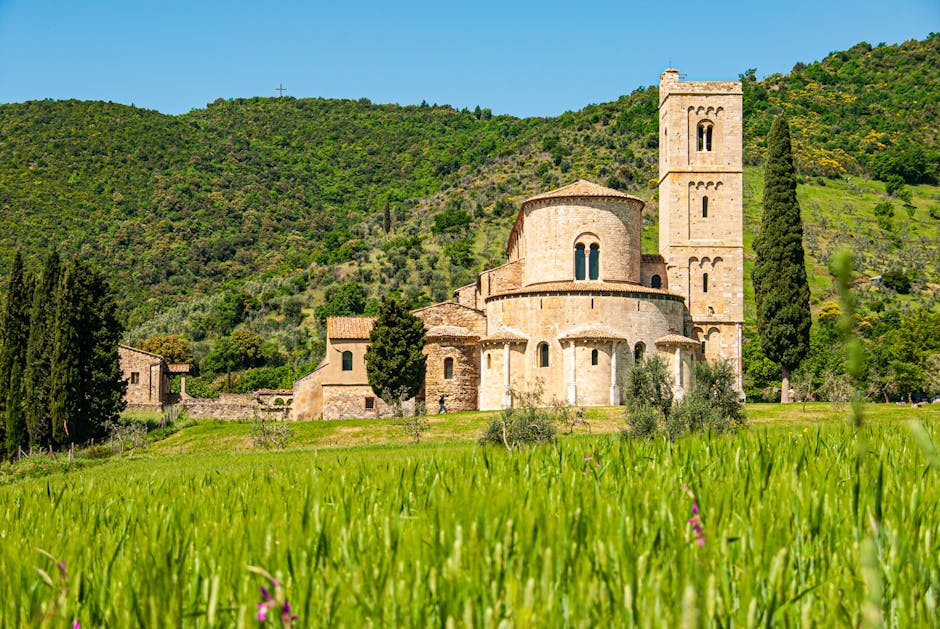
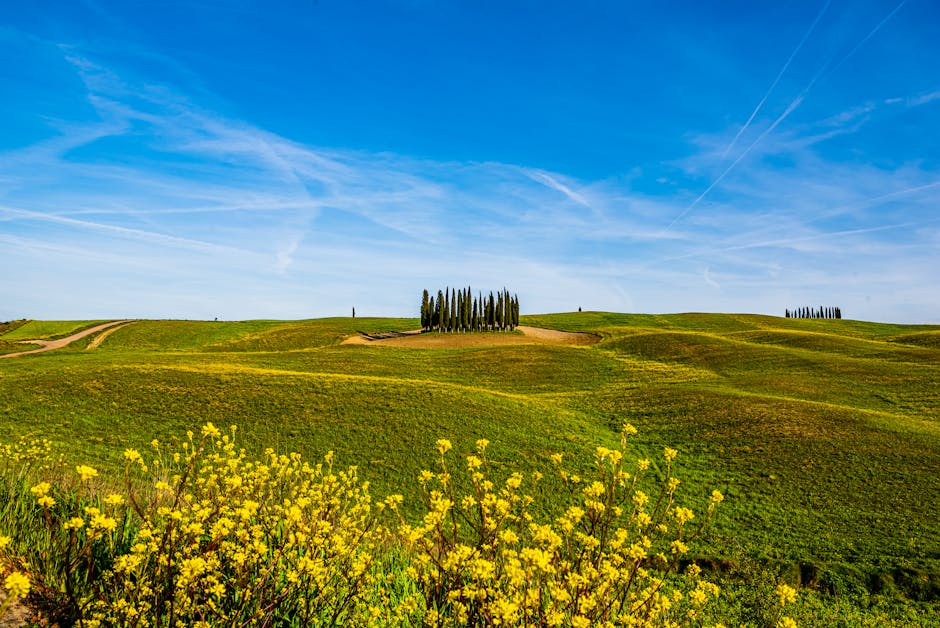
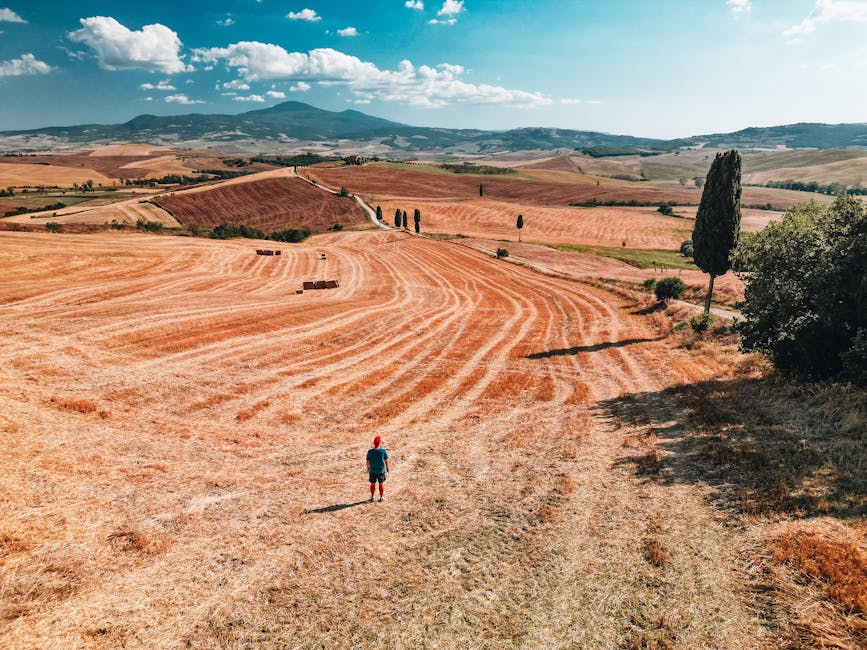
Nearby, wander the hamlet of Castelnuovo dell’Abate (for reference: Castelnuovo dell’Abate, 53024), where small farms sell local goods. For a rustic lunch, look for a trattoria or an azienda agricola offering farmhouse meals: average cost €15–30 per person. After lunch, drive along the little country roads winding between vineyards and fields — the Val d’Orcia views are especially photogenic in late afternoon.
Practical tips: access to the abbey is partly via secondary roads; a compact car is preferable. During religious celebrations, access to side chapels may be restricted. Observe silence and conservative dress during services. Bring water and a windbreaker — weather can change quickly at elevation. If you want an in-depth visit, contact the abbey in advance to check Gregorian chant schedules.
4. Day 4 — Pienza: Renaissance urban design, Piazza Pio II and Cattedrale dell’Assunta
Day four is for Pienza, a Renaissance gem envisioned by Pope Pius II. Start at Piazza Pio II, 53026 Pienza SI, the town’s heart laid out by architect Bernardo Rossellino. Key addresses: Duomo di Pienza (Cattedrale dell’Assunta), Piazza Pio II, 53026 Pienza SI — usually open 10:00–18:00; entry often free or by suggestion (donations €2–5). Palazzo Piccolomini, Via Novembre 27, 53026 Pienza SI — typical hours 10:00–17:00; indicative fee €5–8 to visit the apartments and garden. The Museo Diocesano di Pienza is nearby and offers interesting historical context (admission around €3–6).
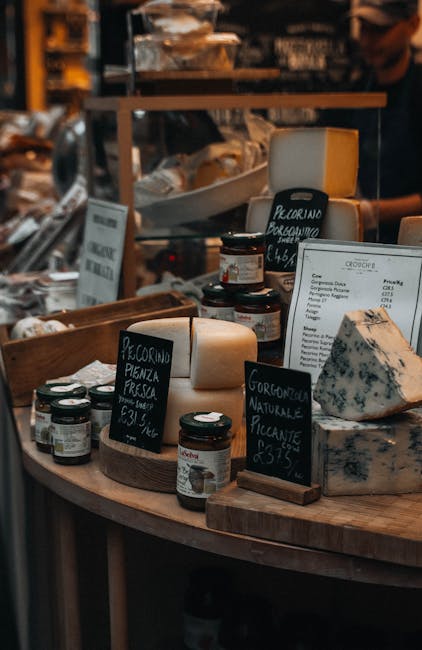
Stroll the lanes to sample local specialties: pecorino di Pienza is everywhere. Recommended cheese shop: La Bottega del Pecorino, Via Ricci, 6, 53026 Pienza SI — hours 09:30–19:00 depending on season; cheese prices €5–20 depending on size and aging. For a quick lunch try crostini or a panino paired with a glass of Vernaccia or Rosso di Montalcino. For a sweeping view of the Val d’Orcia, walk to the Belvedere di Pienza (accessible from Piazza Pio II): spectacular vistas over surrounding hills and villages.
Practical tips: Pienza is very popular in high season; arrive at opening to enjoy monuments before the crowds, or late afternoon for warm light. Streets are mostly pedestrian and cobbled — wear comfortable shoes. Main car parks are on the outskirts (e.g. Parcheggio Via Grancia or Parcheggio Via Maccione); expect €3–5 for a day in some areas. For a more intimate experience, book a themed guided tour (Renaissance architecture, the Piccolomini family) through the Pienza tourist office, ufficio turistico di Pienza, Via della Pieve 3, 53026 Pienza SI.
5. Day 5 — Val d’Orcia: Bagno Vignoni, San Quirico d’Orcia and viewpoints
On day five, discover the nearby villages that make the Val d’Orcia famous. Bagno Vignoni (Località Bagno Vignoni, 53027 San Quirico d’Orcia SI) is unique: a large thermal pool sits in the village center, surrounded by ancient stone. The square is open at all times, but spa facilities (if you want a treatment) have varying hours (often 09:00–19:00) and prices €15–60 depending on the package. If you want to bathe, check which establishments accept outside visitors (for example Terme di Fonteverda nearby).
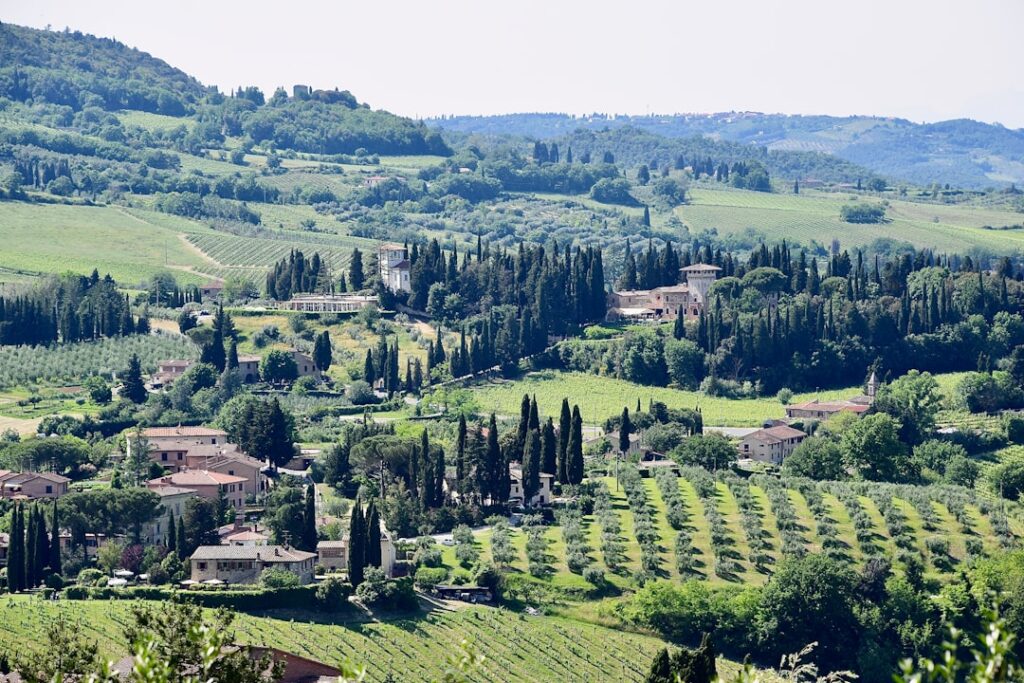
San Quirico d’Orcia (Piazza dei Canonici, 53027 San Quirico d’Orcia SI) is worth a stroll, especially the Collegiata dei Santi Quirico e Giulitta (via Collegiata) and the Horti Leonini (Italian-style garden) — hours often 09:00–18:00; garden entry €3–5. Iconic viewpoints are found along the SP146 and SP521: stop to photograph cypress-lined roads and isolated farmhouses, always respecting private property signs. For a memorable lunch try Osteria La Porta in Monticchiello (Via della Porta, 1, 53027 Monticchiello SI); main courses €12–25.
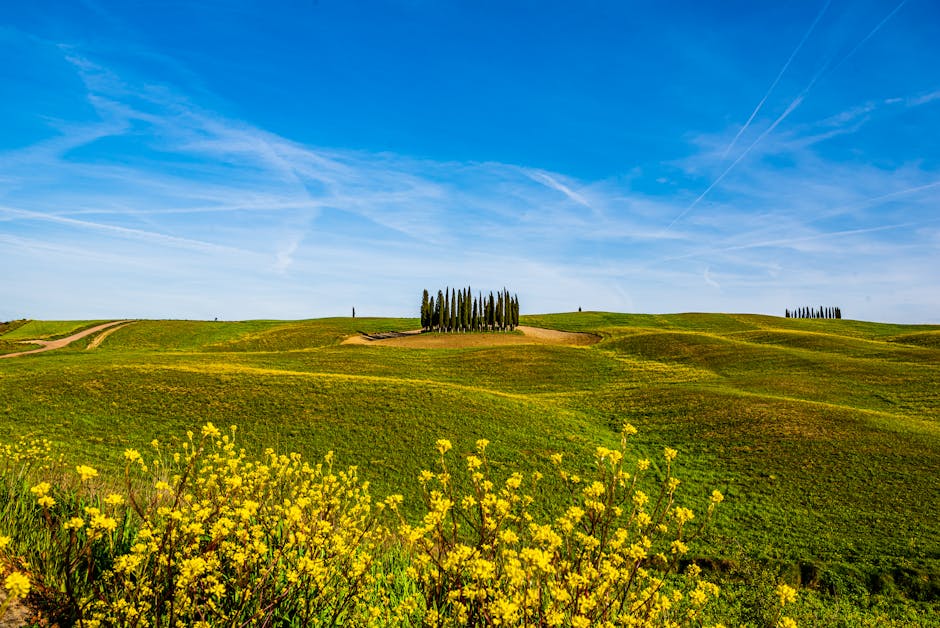
Practical tips: top up your fuel and download offline maps; some stretches have no signal. Villages can be very busy in daytime — favor early morning or late afternoon for photos. If you want a public thermal bath, check availability and conditions (cleaning periods, water temperature). Above all, respect « proprietà privata » signs and don’t cross private fields to take pictures.
6. Day 6 — Practical wrap-up: food, transport, lodging and local markets
Your final day is for tying up the experience: picking souvenirs, visiting a market, and reviewing practical tips for a smooth departure. Local markets to check: Montalcino’s weekly market (usually Wednesday morning, Piazza del Popolo) — local produce, salumi and cheeses; Pienza’s market (seasonal) on Piazza Pio II for cheeses and handmade goods. For extra virgin olive oil, look for local producers (Azienda Agricola Castiglion del Bosco offers quality oils): prices €8–20 per bottle depending on quality and vintage.
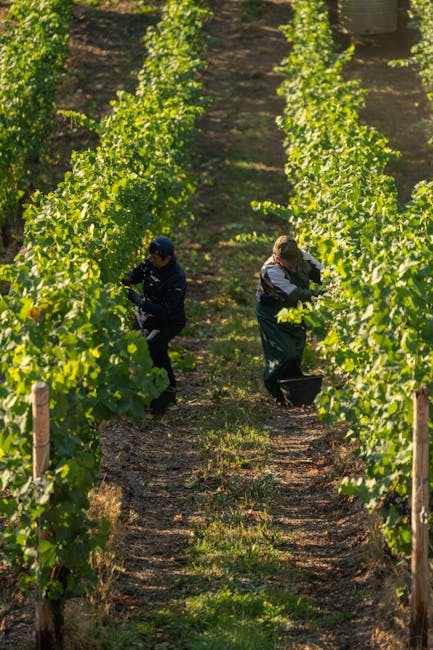
Transport: driving remains the most flexible way to get between Montalcino and Pienza; travel time roughly 40–50 minutes depending on route (about 35–40 km). Car rental: expect €40–80 per day for a small car off-season, more in summer. Alternatives: taxis or private transfers for a tasting day (budget €100–250 depending on duration), or organized tours from Siena or Florence (half-day or full-day options). Always check insurance and fuel policy when booking.
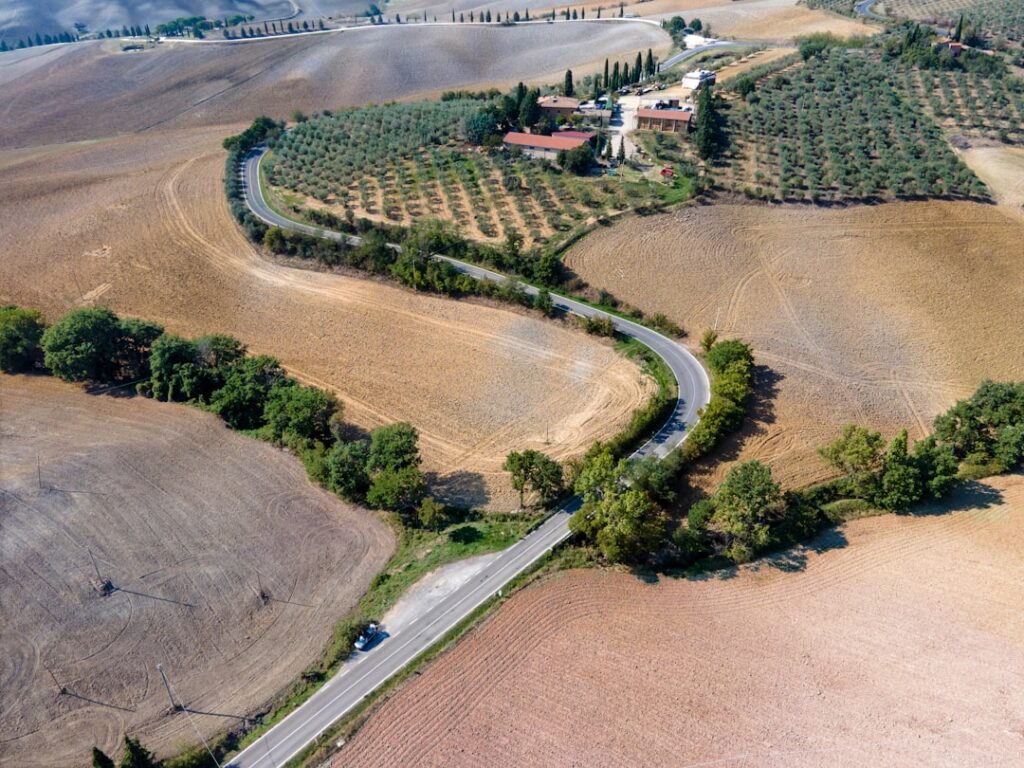
Accommodation: plenty of options — agriturismi, charming relais and boutique hotels. Indicative prices: agriturismo €70–150 per night; luxury relais (e.g. Castiglion del Bosco) €300 and up. Book ahead in high season (May–September) and around wine event weekends. For a local immersion, choose a farmhouse that offers dinners using local ingredients: €20–40 per person for a traditional menu.
Final tips: always carry small bills (some tiny shops don’t take cards), a basic first-aid kit, and a printed copy of reservations. Pay attention to opening hours — many small wineries close between 13:00 and 15:30 — and call to confirm cellar visits. Above all, give yourself time to listen: the silence of the hills, the scent of hay, the clink of bottles in the cellar — those are the memories that linger after you leave.
Conclusion
Six days between Montalcino and Pienza make for a rich, well-rounded trip combining history, wine, gastronomy and landscapes that look plucked from a painting. Visiting the Fortezza di Montalcino (Piazza del Popolo, 12, 53024 Montalcino SI), tasting Brunello at places like Castello Banfi (Podere Poggio alle Mura, 53024 Montalcino SI) and feeling the calm at the Abbazia di Sant’Antimo (Località Sant’Antimo, 53024 Castelnuovo dell’Abate SI) will give you a full picture of inland Tuscany. Pienza, with its Piazza Pio II (53026 Pienza SI), Duomo di Pienza (Cattedrale dell’Assunta) and Palazzo Piccolomini (Via Novembre 27, 53026 Pienza SI), shows how a Renaissance urban utopia can harmonize perfectly with the surrounding countryside.
Favor slowness: book tastings, arrive early at monuments to catch the light and avoid crowds, and secure accommodations well in advance in high season. Prices in this guide are indicative and subject to change — always check official sites or call to confirm opening times and fees, especially for wineries and monuments that often adjust schedules. And respect the land: the Val d’Orcia is fragile, private tracks should remain private, and responsible tourism helps keep these places alive for future generations.
Take this guide as a flexible roadmap, not a rigid timetable. Leave room for serendipity: a cheesemaker inviting you to try an aged tomme, a winemaker showing you barrels not for sale, or an unexpected viewpoint that makes you stop the car. Tuscany is best savored with patience, curiosity and a good appetite — now go and build your memories between Montalcino and Pienza.