





Introduction — Spring Photo Weekend: Tuscany’s Borghi in Bloom
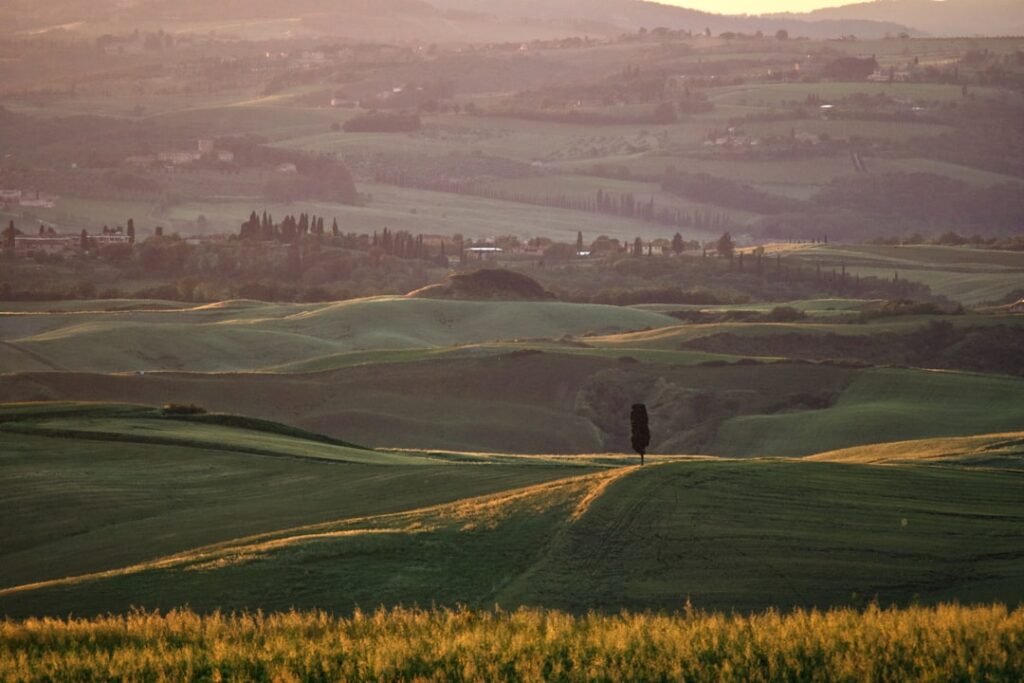
In spring, Tuscany turns into a living palette of tender greens, soft oranges and pale blues — perfect for a photo-packed weekend focused on the borghi, those small villages that condense Italian history, architecture and rural atmosphere. A short 48–72 hour trip lets you capture the contrasts between shifting skies, rows of cypress and cobbled alleyways where morning and evening light reveal details often missed in high season. This complete guide is written for both enthusiastic hobbyists and experienced photographers who want to make the most of their time: frame striking images, hit the best light, and take advantage of recommended spots, practical tips and an efficient, sensory itinerary.
Tuscan borghi are unique in that they offer grand panoramas — rolling Val d’Orcia hills, Montepulciano vineyards — alongside intimate scenes: stone facades, peeling wooden doors, cats on low walls, and local markets. Spring also adds valuable visual elements: early blossoms, flowering orchards (almond trees and apple trees), and often dramatic skies after showers. The aim of this article is to propose a photographic route listing precise places, exact addresses, typical prices and opening hours so you can plan each stop without wasting time on site. Each section includes recommendations for viewpoints, suggested focal lengths, and tips for dealing with light, crowds and unpredictable weather.
We’ll highlight emblematic borghi — San Gimignano, Volterra, Pienza, Montepulciano and a Chianti village — which form a logical route from Florence or Siena for a weekend trip. For each place you’ll find: full names and exact addresses, entrance fees for recommended tours or monuments, typical opening hours, an immersive description to help you « see » the photo before you arrive, and practical local advice (parking, best times, etiquette, quick food options so you don’t miss the light). Finally, you’ll get equipment suggestions (lenses, filters, tripod) and a workflow for organizing files and quick backups between stages, so your return is as successful as the trip. Load up your memory cards: spring in Tuscany will give you scenes you’ll treasure on your walls and in your portfolio.
San Gimignano — Medieval towers, alleys and panoramas
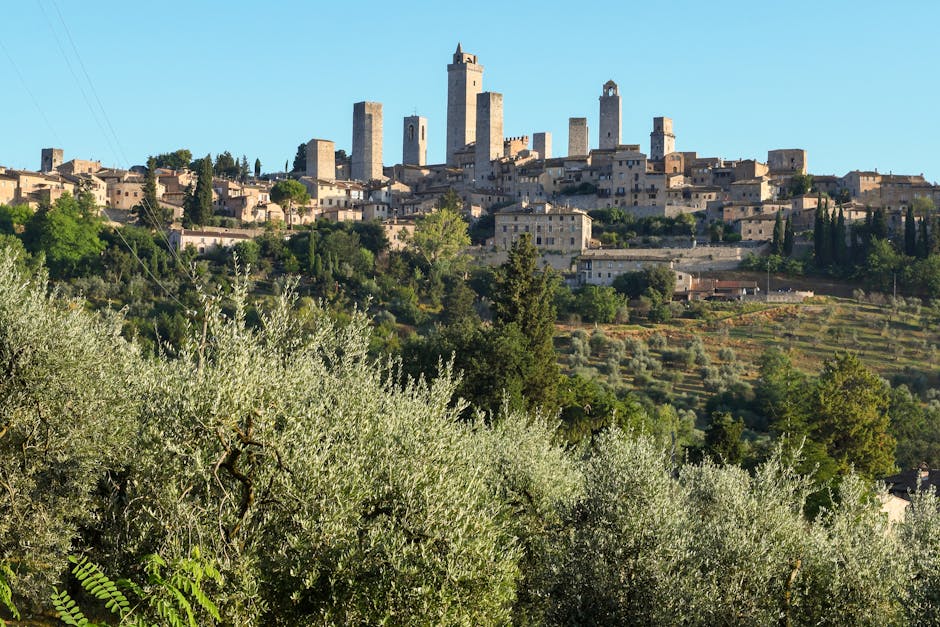
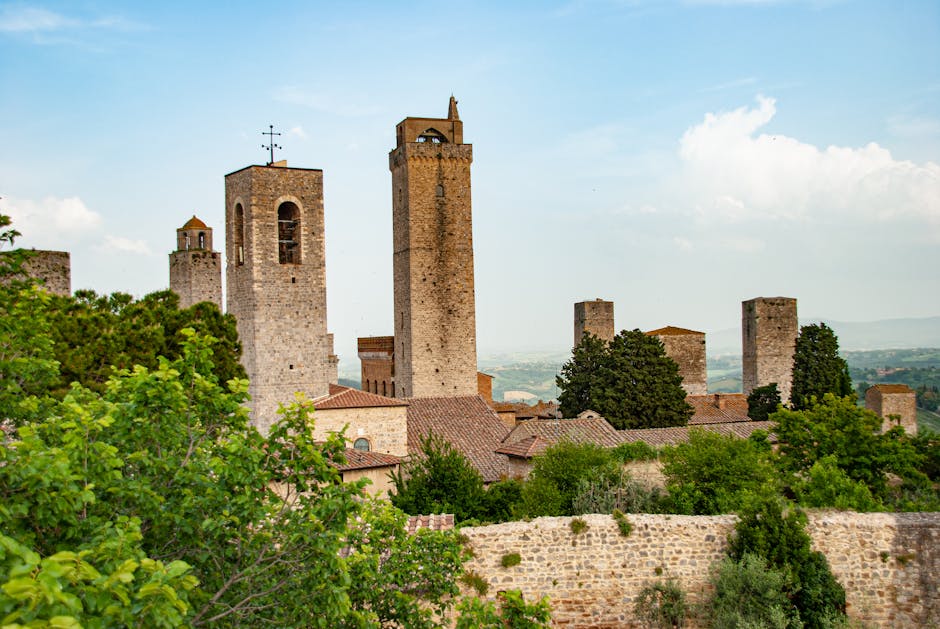
Often nicknamed « the Manhattan of the Middle Ages » for its skyline of towers, San Gimignano is a must for photographers. The village sits on a hill at about 400 meters altitude and offers spectacular perspectives over the Tuscan countryside. Recommended starting point: Piazza della Cisterna (Piazza della Cisterna, 53037 San Gimignano SI, Italy), a triangular medieval square lined with stone houses and cafés. The texture of the cobbles, the low morning light and the way it hits ochre walls create opportunities for detail shots and urban mood images.
Key monument: Torre Grossa, Piazza del Duomo, 1, 53037 San Gimignano SI. Indicative entry fee: €9–€10 (reduced rates usually available for students and seniors). Opening hours (approximate for spring): 10:00–19:00. From the top, the 360° panoramic view is ideal at sunset; long shadows across the hills and terracotta roofs are a must for your portfolio. For a different composition, wander to the Collegiata di Santa Maria Assunta (Duomo di San Gimignano, Piazza del Duomo, 1) to capture architectural details, interior frescoes and dramatic backlit scenes from the western façade.
Practical tips: arrive early (between 07:30 and 09:00) to enjoy nearly empty alleyways and soft light. Recommended parking: Parking Parcheggio Il Castello (Via San Matteo, 45, 53037 San Gimignano SI) or the large car park on Via Vittorio Emanuele II — expect €2–€5/day in low season, more in peak times. Avoid midday when tour buses fill the village. For lenses, favor a 24–70mm for street work and a 70–200mm for distant tower details. Don’t forget a UV and a polarizing filter to deepen the spring sky and cut reflections on the stones.
Volterra — Alabaster, Etruscan perspectives and northern light
Quieter than San Gimignano, Volterra offers a rougher, more elemental vibe: ramparts, alabaster craft and alleys with cool tones. The heart to photograph is Piazza dei Priori (Piazza dei Priori, 1, 56048 Volterra PI, Italy), dominated by the Palazzo dei Priori and its clock. The limestone facades subtly shift color through the day, producing tones ideal for environmental portraits and monochrome series.
Sites not to miss:
- Palazzo dei Priori (Piazza dei Priori, 1, 56048 Volterra PI) — touring the building and the square: museum entry varies, generally €4–€8. Typical hours: 09:00–18:00.
- Museo Etrusco Guarnacci (Piazza San Giovanni, 1, 56048 Volterra PI) — significant Etruscan collection, fee ≈ €7–€10. Hours: 10:00–17:30.
- Botteghe dell’alabastro (Via Gramsci and surrounding streets) — alabaster workshops and shops for studio shots and close-ups of sculpture. Most workshops open 09:30–13:00 and 15:30–19:00.
Photography tip: scout viewpoints along the ramparts on Via Porta all’Arco for frames that include the surrounding countryside. In spring, after a drizzle, wet walls reveal textures and reflections that enrich black-and-white shots. Use a wide zoom (16–35mm) for narrow alleys and a 50mm prime for intimate portraits of artisans. For alabaster, choose soft, shaded light or evening workshop lighting to reveal the stone’s translucent textures; a collapsible reflector can help shape light without disturbing the workspace.
Pienza and Val d’Orcia — pastoral landscapes and Renaissance architecture
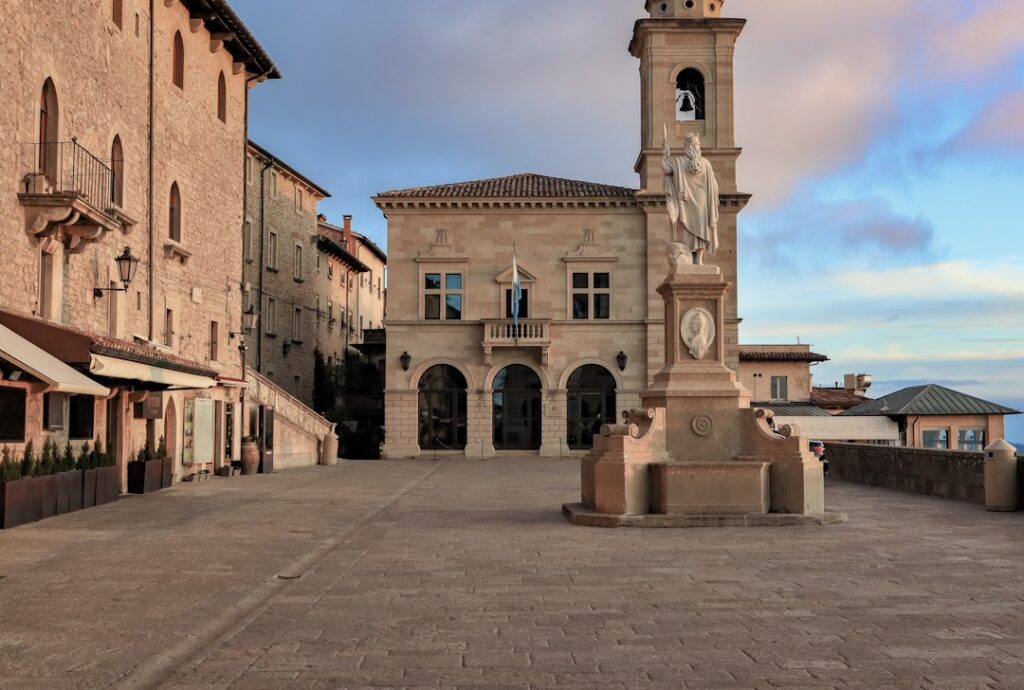
Pienza is a small Renaissance gem at the heart of the Val d’Orcia, a UNESCO site. The center, around Piazza Pio II (Piazza Pio II, 5, 53026 Pienza SI, Italy), offers geometric frames perfect for architectural photography: the Cathedral of the Assunta, Palazzo Piccolomini and views over the valley. Spring’s softness appears in flowering meadows and budding orchards, offering an excellent contrast with the town’s ochre and cream stone.
Practical information:
- Cattedrale di Pienza (Cattedrale dell’Assunta) (Piazza Pio II, 1, 53026 Pienza SI) — access to the nave is often free, with variable opening hours (often 09:30–12:30 and 15:00–18:00); check locally for exceptions.
- Palazzo Piccolomini (Piazza Pio II, 5, 53026 Pienza SI) — entry to the garden and palace: fee ≈ €4–€6. Approximate hours: 10:00–17:30.
- Must-see viewpoints: Belvedere di Pienza (Via della Madonna, 53026 Pienza SI) for panoramic frames of the valleys and cypress-lined roads.
Photographic tips: for Val d’Orcia, prioritize sunrise from high vantage points (Belvedere di Pienza) where light cuts through morning mist and sculpts the hills. A tripod is essential for long exposures at dawn. In town, look for symmetrical frames (doors, gates) for minimalist compositions, and experiment with a tilt/shift lens if you have one to correct façade perspective. During the hotter hours, cafés on Piazza Pio II offer sharp shadows for backlit portraits and atmospheric shots.
Montepulciano — wine, cellars and sweeping views
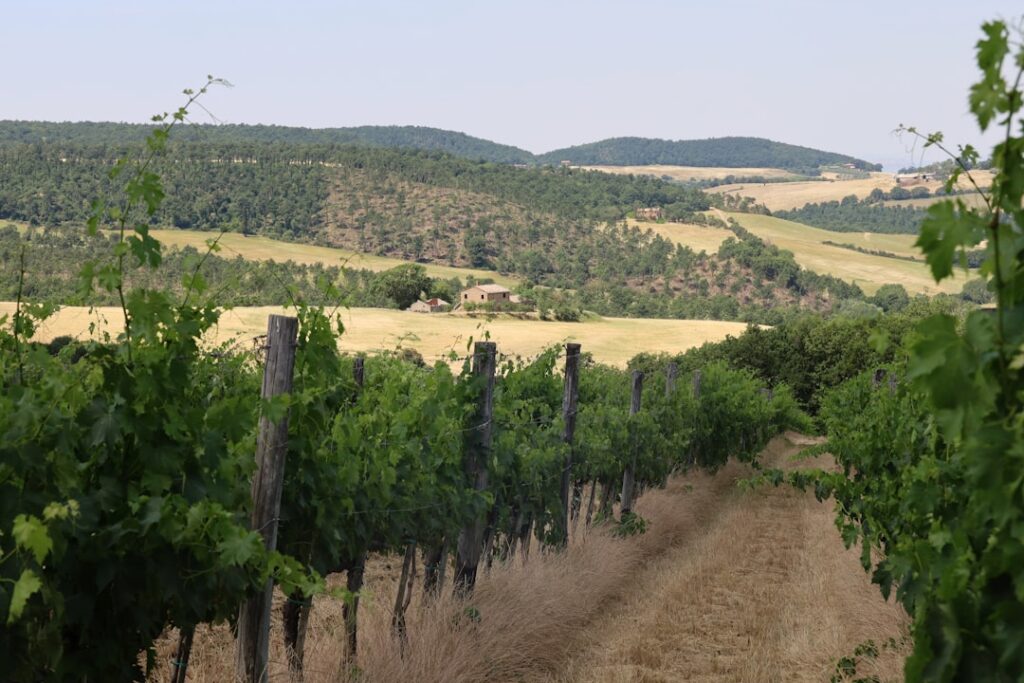
Montepulciano blends panorama, late Renaissance architecture and a lively wine culture — perfect for mixing landscape photography with wine-reportage. The heart is Piazza Grande (Piazza Grande, 53045 Montepulciano SI, Italy) flanked by the Palazzo Comunale (Palazzo Comunale, Piazza Grande, 1). From the square, views toward Val d’Orcia and Lake Trasimeno open up wide framing possibilities.
Wine-focused photographic visits:
- Cantina Contucci (Via San Donato, 4, 53045 Montepulciano SI) — traditional cellar tour, tasting and photos of oak barrels. Tasting fees approx.: €15–€25 per person for three wines. Hours: 10:00–18:00 (reservations recommended).
- Cantine Poliziano (Via di Gracciano nel Corso, 37, 53045 Montepulciano SI) — paid guided tours, variable fees. Hours: 09:30–17:30.
- Panoramic access: Fortezza di Montepulciano (Piazza del Girfalco) for dusk compositions.
Practical tips: book cellar visits in advance, especially in spring when attractive weekends draw many visitors. For cellar photography, wear dark clothing and bring a small off-camera flash or continuous LED to reveal barrel textures without ruining the mood. Outdoors, a 24–105mm is versatile; combine it with a small drone (if permitted and compliant with local regulations) to capture vineyard patterns in spring. Parking: several lots at the town entrance (Piazza Don Minzoni and Parcheggio Via Ricci) charge around €3–€6/day depending on season.
Local practical tips and checklist for a successful photo weekend
Organizing a spring photo weekend in Tuscany requires preparation: changeable weather, narrow country roads and opening hours that can differ from big cities. Here’s a pragmatic checklist and local advice to optimize your shooting and comfort:
- Weather and clothing: spring swings between mild days and quick showers. Pack a lightweight rain jacket, grippy shoes for cobbled streets and a camera bag with a rain cover. Mornings can be cool (8–12°C) and mellow in the afternoon (15–22°C).
- Photo gear: compact tripod, 24–70mm and 70–200mm lenses, a 50mm prime for portraits, ND and polarizing filters. Extra batteries and disks/SSDs for backups. A simple reflector and a small LED light are handy for indoor shots (markets, workshops).
- Timing and time management: favor sunrise (golden hour) for landscapes and early evening (blue hour) for urban views. Allow 1.5–2 hours per village for a quality shooting session, more if you plan a museum visit or a tasting.
- Transport and parking: rent a compact car (narrow roads) and check ZTL restrictions (limited traffic zones) in historic centers; obey signs to avoid fines. Park-and-ride lots at village entrances are often paid but convenient.
- Local respect: ask permission before photographing people, especially in shops and workshops. For churches and monuments, respect no-photo zones and flash rules.
- Quick bites and café spots: carry local snacks (panini, schiacciata) to maximize shooting time and favor cafés on main squares for quick breaks. Typical prices: espresso €1–€1.50, panini €4–€7.
- Backup and workflow: transfer memory cards each evening to an SSD or the cloud if you have a connection. Tag standout shots with quick notes (location and time) to speed up culling later.
Finally, remember that Tuscany is meant to be discovered slowly: allow pauses to taste a local wine and let the light surprise you. Spring is the ideal season to experiment across styles — from intimate landscape to artisan portraits — while enjoying lighter crowds than in summer. Have a great photo weekend, and bring back images that tell the story of both architecture and the sensations of these Tuscan borghi.
Conclusion — Bringing Tuscany back into your images
A spring photo weekend exploring Tuscany’s borghi is a rich, varied experience: medieval architecture, artisan workshops, flowering hills and cypress-lined roads offer an endless well of photographic opportunities. By focusing on villages like San Gimignano, Volterra, Pienza and Montepulciano you’ll find a good balance between urban scenes and rural landscapes. Each place listed here includes precise addresses, opening times and indicative prices to help you plan efficiently without losing the sense of discovery that makes a Tuscan stay so charming.
Practically speaking, the key to a successful weekend is preparation: the right gear, booking cellar tours, arriving at the best light and managing your time wisely between stops. Keep local rules in mind (ZTL zones, respect for places of worship, drone permissions) and adopt a respectful approach with residents and shopkeepers. These borghi don’t just offer photogenic sights but also encounters and everyday details that will give narrative depth to your visual reportage.
Lastly, give yourself time each evening to sort and back up your photos, note conditions (time, weather, lens used) and plan your framing for the next session. Spring in Tuscany, with its changing moods, is perfect for practicing versatility: landscape, portrait, architecture and micro-details. Return with cohesive series, dawn moments and images of shared meals on a village square — often these are the shots that best tell the story of a trip. Safe travels and great photography!