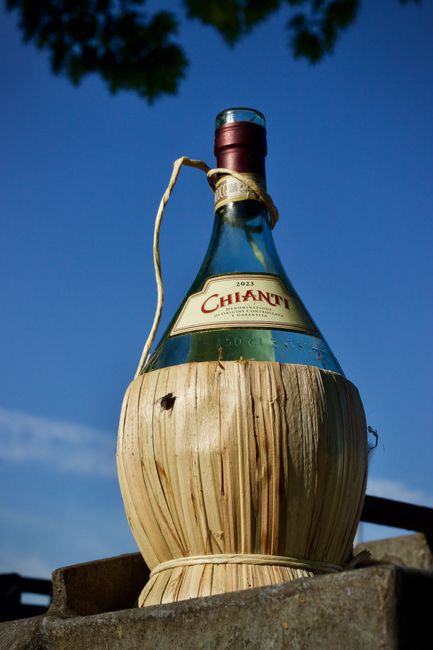






Introduction — Chianti Wine Trail: practical, immersive guide
Chianti, the beating heart of Tuscany, conjures rolling hills, lines of cypress trees and—above all—wines that are both powerful and elegant. For casual visitors and wine professionals alike, touring the best wineries in Chianti is a full sensory immersion: the scent of oak and grapes, sweeping panoramas, conversations with passionate winemakers and tastings that reveal the many faces of Sangiovese. This guide aims to give you a detailed, ready-to-use « map » of Chianti’s top wineries, including exact addresses, typical opening hours, indicative prices in euros, vivid descriptions and local tips to make the most of your visit.
We cover iconic estates across Chianti Classico and adjacent subzones. Each winery featured here was selected for the quality of its wines, the depth of its history and the visitor experience—whether that means striking contemporary architecture carved into a hillside, a medieval castle, a historic farmhouse or a small family-run estate where the hospitality is as carefully crafted as the wine. Expect practical details: how to book, which type of tasting to choose (standard tasting, vertical, cellar tour), average costs and usual opening times. We also add local tips—the best time of day for the views, food pairings to seek out, and advice on driving and parking.
Important: opening times and prices can change with the season and special events (harvest, fairs, exhibitions). For all wineries listed, advance booking is strongly recommended, especially in high season (May–September) and on weekends. This guide gives you reliable, concrete points to plan your Tuscan itinerary—whether you’re after culture (castles and art), deep wine study (in-depth tastings) or a bucolic route (hikes between vineyards). The mental map you build from these addresses will help you plot a logical loop based on where you’re staying—Florence, Siena, Castellina in Chianti or Greve in Chianti—and make travel more efficient.
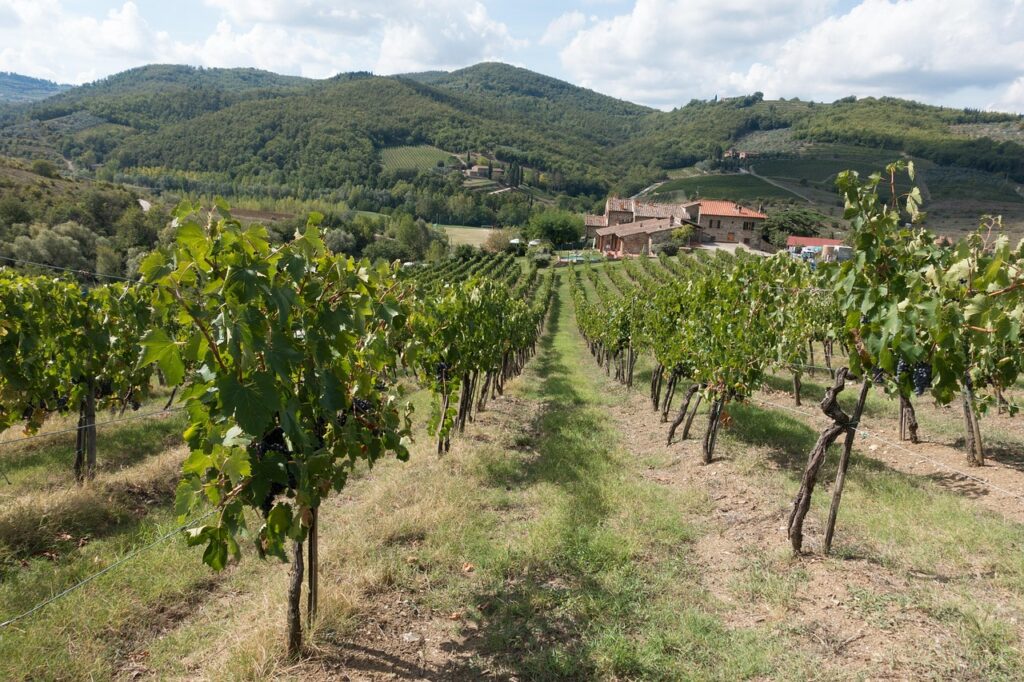
1. Antinori nel Chianti Classico — The architect of modern winemaking
Name: Marchesi Antinori S.r.l. — Antinori nel Chianti Classico
Address: Via Cassia per Siena, 133, 50026 Bargino, San Casciano in Val di Pesa (FI), Italy
Opening hours: Generally open Tuesday to Sunday from 10:00 to 18:00 (last tour entry at 16:30). Closed on Mondays. Online booking recommended.
Prices: Standard tour + tasting: about €25–30 per person. Premium experiences (vertical tastings or gourmet pairings): €45–70 depending on the program.
Antinori nel Chianti Classico has become a symbol: contemporary architecture hewn into the hillside, with underground cellars where craftsmanship meets technology. Tours typically start with an introductory film followed by a stroll along the panoramic terrace overlooking the slopes. Concrete vats, barrels and amphorae coexist here, showing a modern approach that respects tradition. Tastings highlight the Chianti Classico Riserva and other iconic labels like Solaia (available in premium programs).
Local tip: arrive early to catch the morning light on the hills and avoid the crowds. There’s ample parking on site. If you only have half a day, combine your visit with a stop in the nearby village of San Casciano in Val di Pesa for a traditional Tuscan lunch.
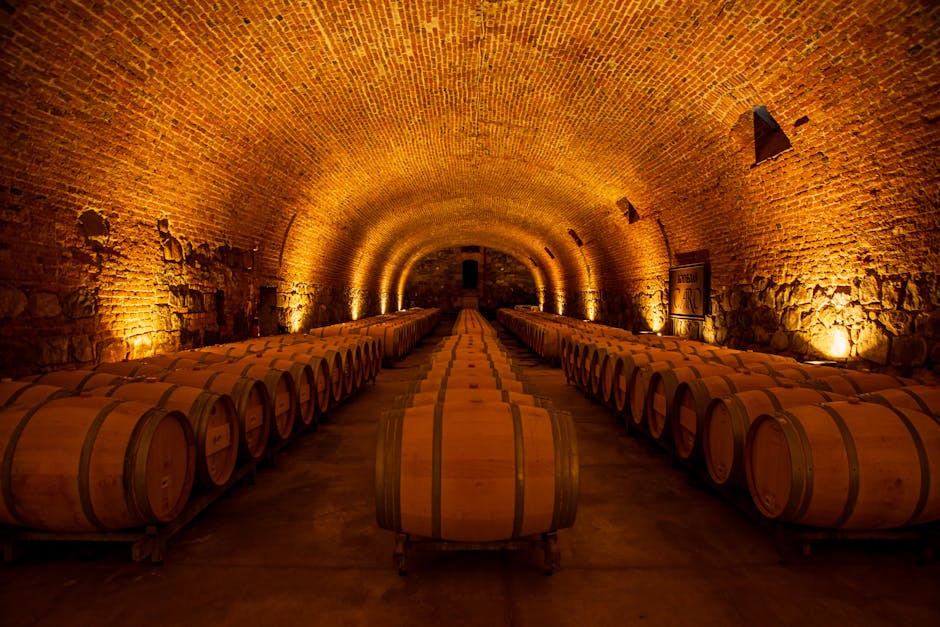
2. Castello di Ama and Castello di Brolio — History, art and terroir depth
Castello di Ama
Address: Località Ama, 53013 Gaiole in Chianti (SI), Italy
Opening hours: Generally open from 10:00 to 17:00; visits by reservation, hours may vary for art exhibitions.
Prices: Standard tour + tasting: around €30–40; special tours (art + vertical tasting): €50–80.
Castello di Ama offers a unique marriage of wine and contemporary art: installations are integrated into the vineyards and estate, making the visit a fully sensory experience. The wines, primarily Sangiovese-based, show elegance and structure. Walks through terraced vineyards and olive groves reveal classic Chianti panoramas—perfect for photography and quiet reflection.
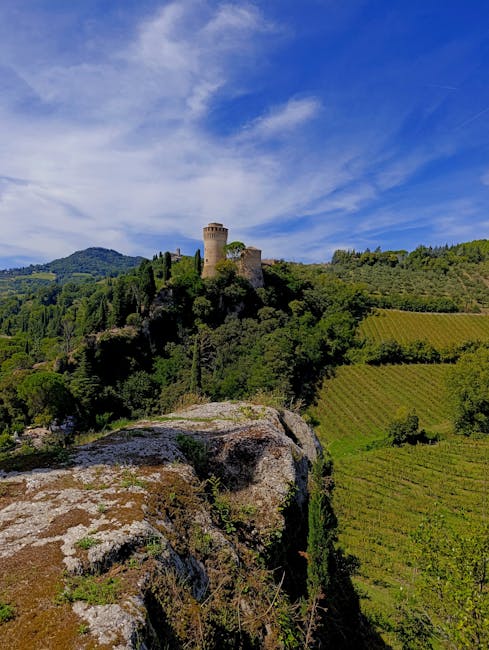
Castello di Brolio — Barone Ricasoli
Address: Via Brolio, 8, 53013 Gaiole in Chianti (SI), Italy
Opening hours: Museum and cellars generally open from 9:30 to 17:30; guided castle tours and tastings by reservation.
Prices: Basic museum entry and tasting: €12–20; full castle tour + tasting: €25–45.
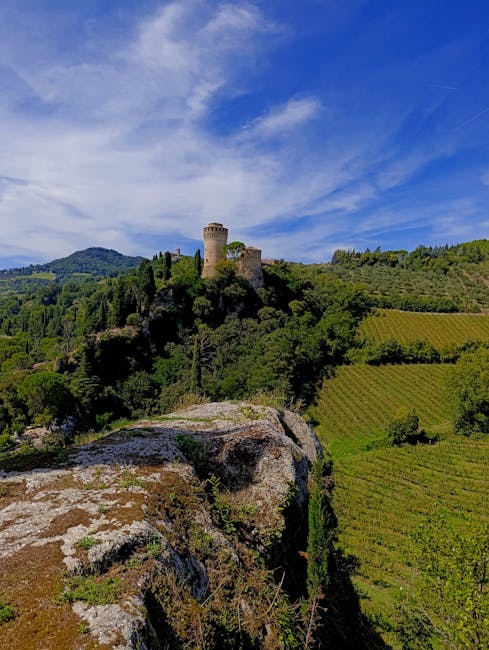
The Castello di Brolio, owned by the Ricasoli family for centuries, is emblematic of Chianti’s history. The experience here leans toward heritage: ramparts, panoramic gardens and a historic cellar where you can trace the evolution of Chianti Classico. The wines tend toward power and longevity; touring the castle helps connect terroir, history and winemaking.
Local tip: bring sturdy shoes for the castle’s steps and paths. The view from the battlements at sunset is exceptional—an ideal way to end a day of tastings.
3. Fattoria Fèlsina and Castello di Meleto — Southern terroirs and family-run experiences
Fattoria Fèlsina
Address: Fattoria Fèlsina S.p.A., Località Fèlsina 12, 53019 Castelnuovo Berardenga (SI), Italy
Opening hours: Visits by reservation Monday to Saturday, typically 9:30–17:00. Closed on certain public holidays.
Prices: Tour + tasting: €20–35; technical or vertical tastings: €40–60.
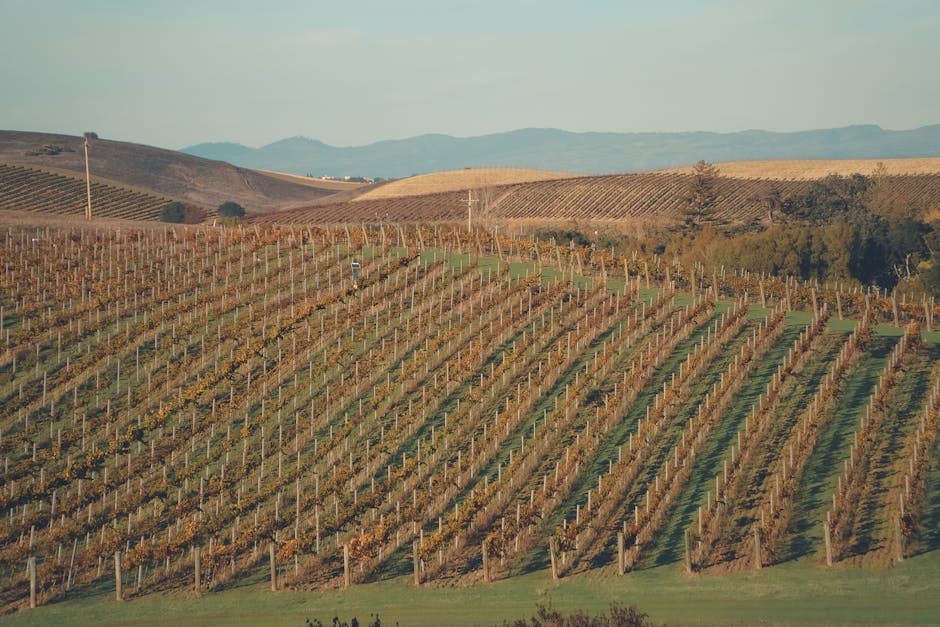
Fèlsina is renowned for its Chianti Classico and its Super Tuscans from well-exposed plots. The estate blends traditional farming with cutting-edge cellar techniques. Tours pass through vineyards, the old farmhouse and modern cellars, finishing with a tasting of structured, aromatic cuvées. It’s a recommended stop for anyone wanting to understand how soil types (galestro, alberese) shape the wine’s style.
Local tip: pair the visit with lunch at a nearby rural trattoria to try ribollita or pappardelle al ragù—simple local dishes that bring out the best in the wines.
Castello di Meleto
Address: Castello di Meleto, Località Meleto, 53013 Gaiole in Chianti (SI), Italy
Opening hours: Visits by appointment; typically 10:00 to 16:00 on weekdays, with extended hours in summer.
Prices: Basic tasting: €15–25; full castle tour and tasting: €30–50.
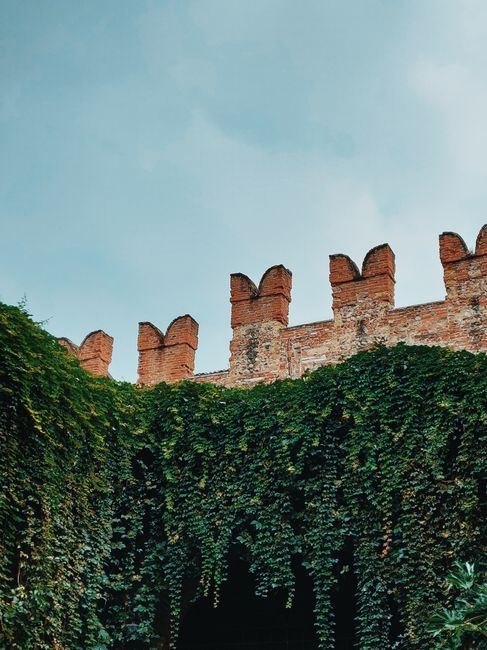
Castello di Meleto is an authentic Tuscan castle offering a living picture of family winemaking practices. Hospitality tends to be more intimate, with enthusiastic guides who share the estate’s history and cultivation methods. The wines often show classic Sangiovese character with balanced aging.
Local tip: for a fuller experience, book a late-morning visit and enjoy lunch around Gaiole to explore the Chianti’s winding back roads.
4. Practical tips for mapping your route and optimizing visits
Planning a route through Chianti requires geographic logic plus a buffer for flexibility. Distances between estates may look short on a map, but secondary roads are winding and often busy, which lengthens travel time. Here are concrete tips:
- Booking: Always reserve at least 48–72 hours ahead for the most popular wineries (Antinori, Castello di Brolio, Castello di Ama). For small family estates, a call the day before can sometimes suffice.
- Opening hours: Most wineries open between 9:30 and 10:00 and close between 16:30 and 18:00; avoid arriving at the last minute. Many estates are closed on Mondays.
- Transport: If you’ll be tasting, don’t drive: hire a private driver, join a guided tour or use a local taxi. The cost of a private transfer for a half day can range from €100–200 depending on distance.
- Budget: Expect €15–80 per estate depending on the type of tasting. A realistic budget for a day visiting three estates: €70–150.
- Seasonality: Harvest time (September–October) offers an immersive experience but wineries are very busy; spring (May–June) brings blooming landscapes and fewer crowds.
- Parking and access: Large estates like Antinori have roomy parking; for medieval castles, parking can be limited—arrive early.
- Purchases and shipping: Factor in shipping costs if you want bottles sent outside the EU; many wineries offer international shipping for a fee.
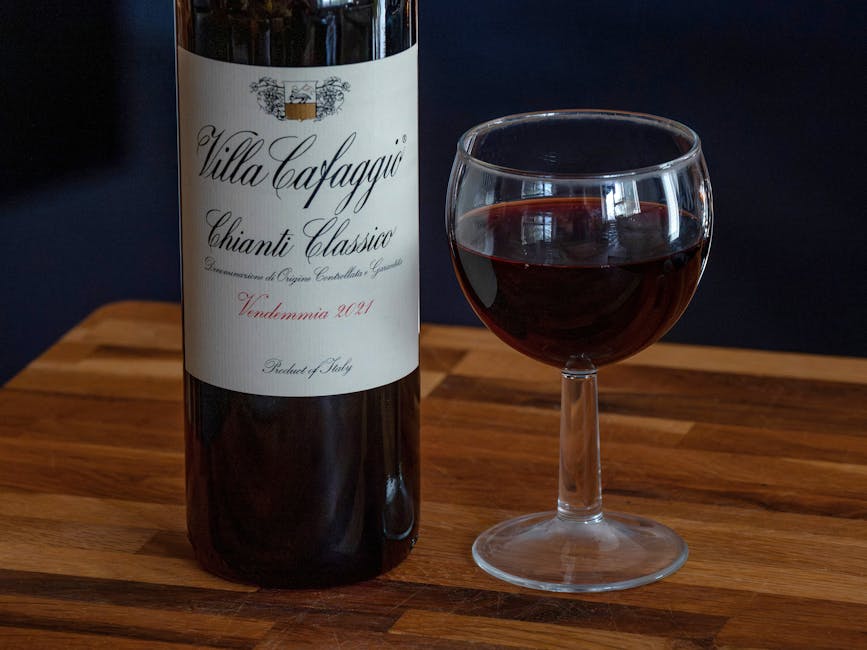
In short, plot your « map » starting from a base (Florence or Siena), group visits by geographic proximity (San Casciano -> Greve -> Gaiole -> Castellina), book time slots and leave room for lunch and scenic stops. Bring comfortable shoes and a light jacket—the evenings can be cool even in summer.
Tasting tips
- Start with the lighter wines and finish with the more powerful crus.
- Ask for samples of different vintages to perceive how Sangiovese evolves.
- Note down favorites and ask about larger formats or limited editions.
- Respect local etiquette: avoid strong perfumes and don’t handle barrels unnecessarily.
Conclusion — Build your personal map of Chianti’s wineries
Chianti’s richness lies as much in its wines as in the wide variety of experiences its wineries offer: historic castles, family-run estates, modern wine temples and places where art weaves through the vineyards. Using the addresses and practical information above—Antinori nel Chianti Classico (Via Cassia per Siena, 133, Bargino), Castello di Ama (Località Ama, Gaiole in Chianti), Castello di Brolio (Via Brolio, 8, Gaiole in Chianti), Fattoria Fèlsina (Località Fèlsina 12, Castelnuovo Berardenga) and Castello di Meleto (Località Meleto, Gaiole in Chianti)—you can chart an effective, memorable route.
For each winery, note the need to book, the price ranges (€15–80 depending on the visit) and typical opening hours (generally 9:30–18:00, with many closed on Monday). My final piece of advice: don’t just tick boxes on a tourist itinerary—take the time to ask questions, talk with winemakers, observe cultivation practices and taste slowly. The best discoveries often come from an unexpected conversation at the tasting counter. Lastly, pair your wine visits with food stops in local villages (Greve in Chianti, Radda, Castellina) to complete the oenological experience with authentic Tuscan cuisine.
Safe travels and happy tastings—your map of Chianti’s best wineries awaits, ready to be filled with your own discoveries and favorites.