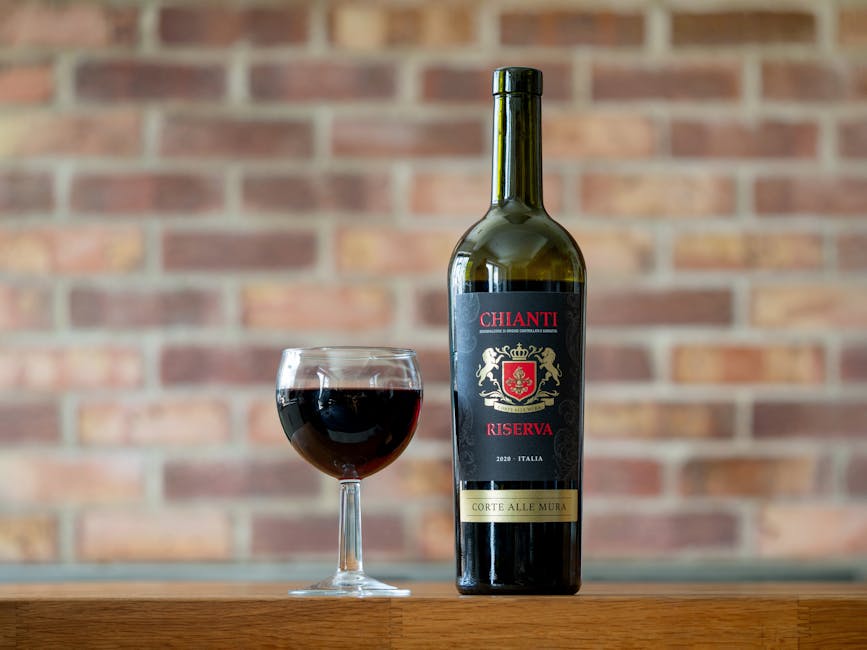
Introduction — Why Explore the Estates around Florence
Tuscany invites you to slow down, savor, and be amazed. Around Florence, rolling hills, neat rows of vineyards, and historic villas create a one-of-a-kind cultural and scenic patchwork. The « estates » — tenute, ville, castelli — encapsulate terroir, history, and hospitality: they are renowned wine producers, living museums, and places where you can stay to live the Tuscan life. This guide leads you to the must-see estates around Florence, with exact addresses, price ranges, opening times, immersive descriptions, and local tips to get the most out of each visit.
Visiting an estate in Tuscany is far more than a tasting — it’s a multisensory experience. You’ll walk through centuries-old cellars, smell oak from aging barrels, watch golden light kiss Sangiovese clusters at dusk, and hear family stories and tales of the land passed down through generations. Estates around Florence come in many shapes: expansive properties with restaurants and lodging, hilltop castles, and small family tenute offering private, intimate tastings. Each calls for a different approach — book a guided tour, schedule a farm-to-table lunch, or simply stop by to buy a few bottles and stroll the gardens.
This practical guide is crafted for discerning travelers who want detailed, usable information. You’ll find exact addresses for easy navigation, clear notes on typical visit and tasting fees (in euros), and usual opening hours. Keep in mind that hours and prices may change with the season or for special events — so it’s always best to check the estate’s official website or call ahead. Each section also includes local tips — best times to visit, how to pair a tasting with a walk, and what to be sure to sample — so your experience feels authentic and memorable.
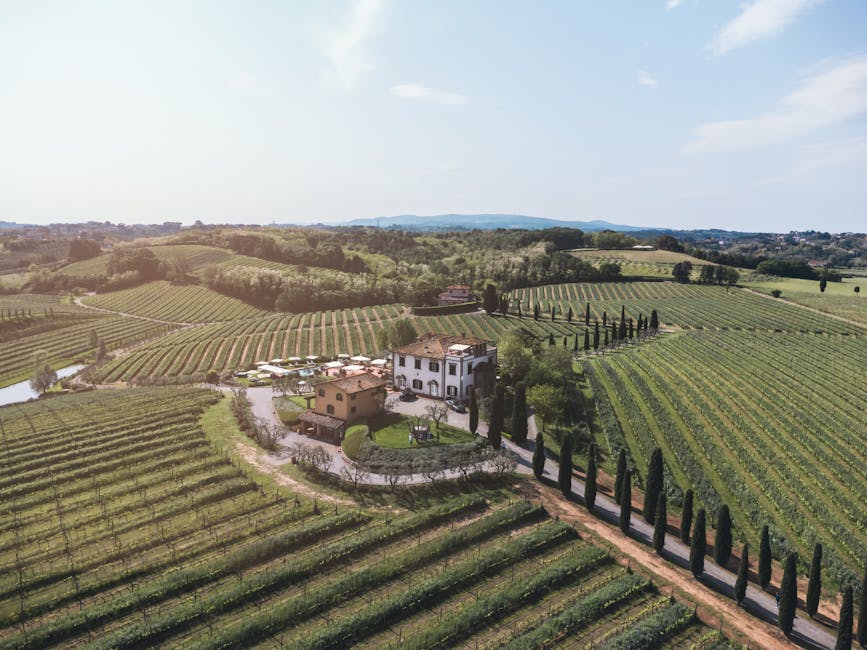
Castello di Verrazzano (Greve in Chianti) — A Historic Castle in the Heart of Chianti Classico
Address: Castello di Verrazzano, Via Cassia per Siena, 133, 50022 Greve in Chianti (FI).
Opening hours: Generally open daily from 09:30 to 18:00 (last entry at 17:00); winter hours and holiday openings may vary. Closed possibly on December 25 and January 1. It’s recommended to book guided tours and tastings online or by phone at +39 055 852012.
Prices: Standard tour + tasting around €25–30 per person; in-depth guided tours with food pairings €45–65; private tours and villa meals by quotation.
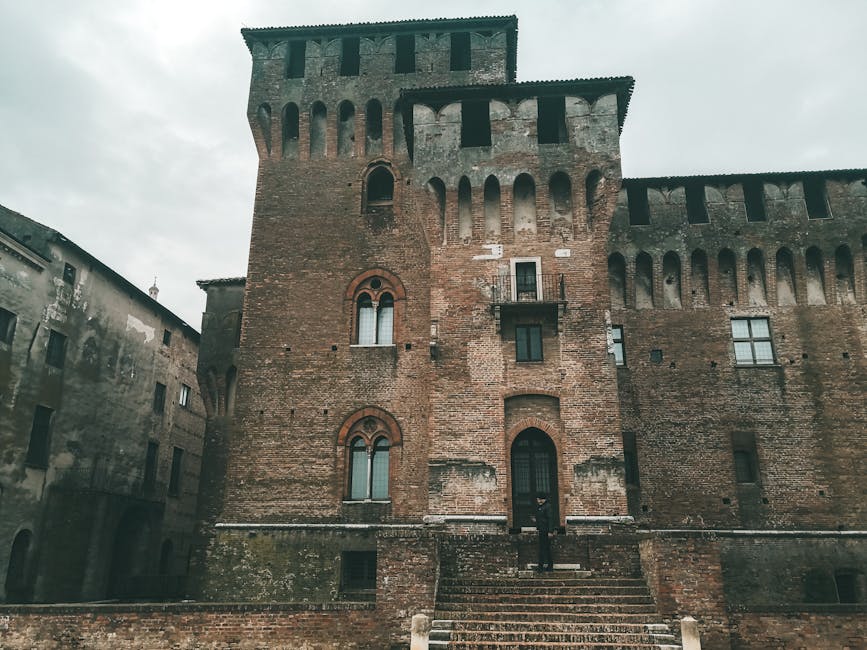
Castello di Verrazzano is one of the most iconic estates in Chianti Classico: a medieval castle surrounded by vine- and olive-lined hills. A typical visit starts with a guided walk through the park and vineyards, followed by a trip into the underground cellars where wines mature. Guides explain the dominant grape varieties — mainly Sangiovese — winemaking techniques, and the unique galestro and alberese soils. Tastings usually take place in a historic room or on a terrace overlooking the valley, paired with Tuscan products (local cheeses, prosciutto, bruschette).
Local tips: arrive early in the morning to catch soft light on the vines and avoid the crowds. If you’re after a gastronomic experience, ask about villa meals, which often book up well in advance. Photographers will find exceptional compositions from the castle’s south terrace.
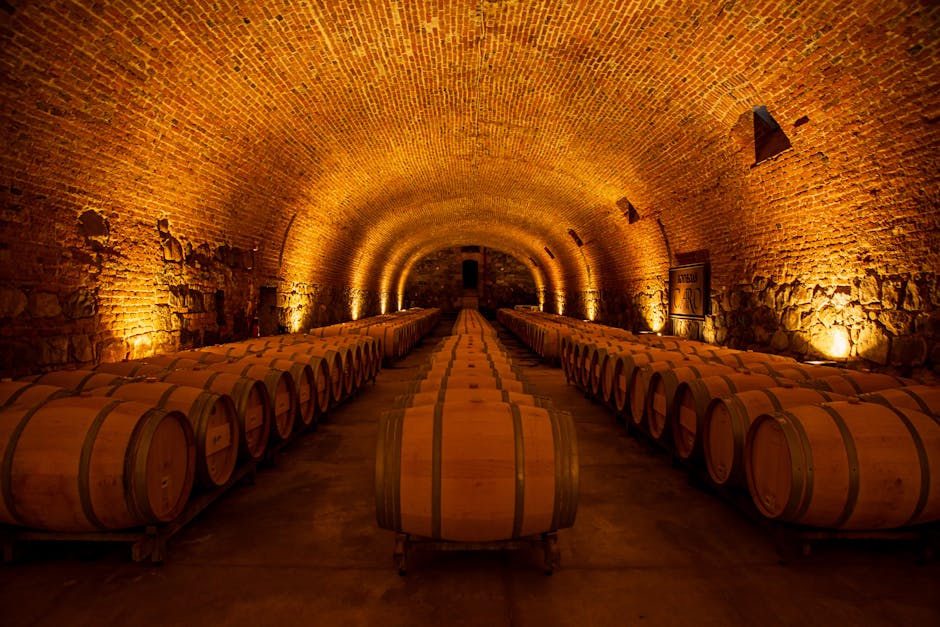
Tenuta di Capezzana (Carmignano) — Millennia of History and Prestigious Caratelli
Address: Tenuta di Capezzana, Via di Comeana, 16, 59015 Carmignano (PO).
Opening hours: Visitor welcome usually Monday to Saturday from 09:00 to 18:00; guided tours at set times (check online). Closed Sundays except for group bookings.
Prices: Standard tasting €20–30; tastings of special vintages and verticals €40–80; oenology workshops and private tours by reservation with variable pricing.
Tenuta di Capezzana dates back to Roman times and is known for Carmignano D.O.C.G. wines and its olive oil. The estate combines traditional wine aging with modern tasting rooms. Visits typically include historic vineyards, a stone cellar, and often a presentation of the estate’s extra-virgin olive oil. Tastings highlight Carmignano wines, where Sangiovese is blended with small percentages of Cabernet Sauvignon, producing spicy, structured profiles.
Local tips: try the “Barco Reale” and the Carmignano Riserva to appreciate the range of the appellation. Consider pairing your visit with a stroll in the village of Comeana or a stop in nearby Prato. Visitors often praise the warm welcome from the team, who explain maceration and aging techniques with care.
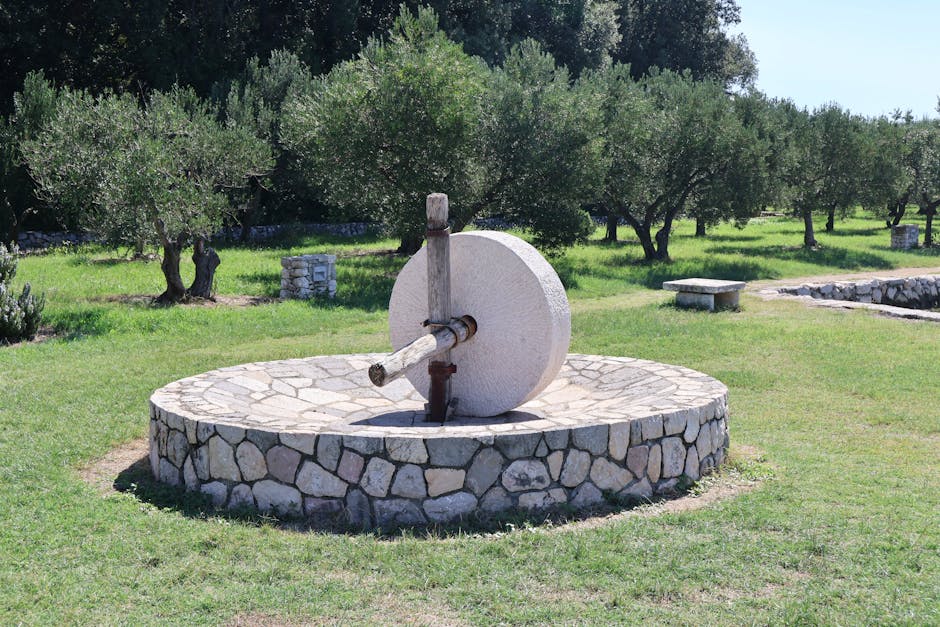
Castello di Nipozzano (Pelago) — Noble History and Exceptional Wines
Address: Castello di Nipozzano, Via Nipozzano, 37, 50066 Pelago (FI).
Opening hours: Visits usually by appointment, Tuesday to Saturday between 10:00 and 17:00; some tastings may be offered on Sundays by reservation. Check availability by contacting the estate directly.
Prices: Tour and tasting €30–50; verticals or more elaborate pairings €60–100; private visits and events on request.
Castello di Nipozzano, historically owned by the Frescobaldi family (one of Tuscany’s oldest winemaking dynasties), offers an immersive experience in a beautifully preserved medieval castle. A typical visit includes the inner courtyard, chapel, vaulted cellars, and panoramic terraces overlooking the Arno valley. Wines produced here, often based on Sangiovese and other Tuscan varieties, stand out for their elegance and aging potential.
Local tips: architecture lovers should focus on the chapel and interior frescoes. The estate pairs well with a day trip through the Mugello hills or a detour to Pontassieve. Guests seeking tailored service should book several weeks ahead, especially during high season.
Villa Vignamaggio (Greve in Chianti) — A Renaissance Villa with Panoramic Vines
Address: Villa Vignamaggio, Strada di Vignamaggio, 3, 50022 Greve in Chianti (FI).
Opening hours: Visitor reception typically from 10:00 to 18:00; guided tours and tastings at regular times, and the villa offers stays and workshops year-round by reservation.
Prices: Guided tour and tasting around €20–35; historic tour + gourmet tasting €50–75; overnight stays and packages by quotation.
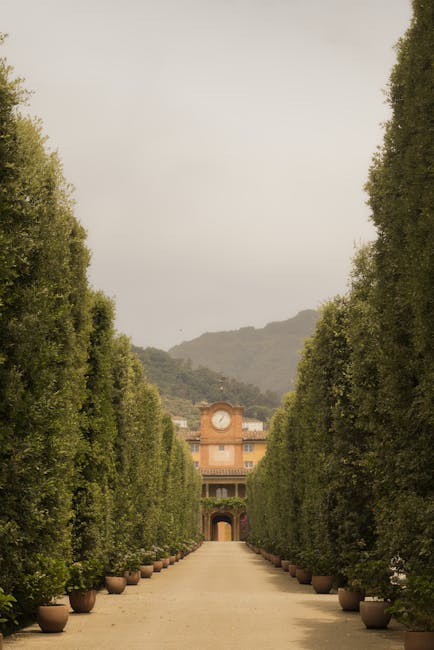
Vignamaggio is renowned for its Renaissance villa, cypress-lined gardens, and sweeping Chianti vistas. The property also has literary and artistic ties to the region. Visits blend history (architecture and formal gardens), oenology (tasting estate wines), and gastronomy: many visitors choose to have lunch on the terrace to extend the sensory experience.
Local tips: walk the classic gardens at sunrise to avoid crowds and catch perfect light for photos. If driving, take the little back road to enjoy olive groves and rows of vines. Book lunch at the villa if you want dishes made with local produce.
Antinori nel Chianti Classico (Bargino) — Where Contemporary Design Meets an Ancient Wine Legacy
Address: Antinori nel Chianti Classico, Via Cassia per Siena, 133, 50022 Bargino (FI) — note: check the exact entrance and parking on arrival.
Opening hours: Tours generally available Tuesday to Sunday between 10:00 and 18:00; the museum and shop may have different hours in high season. Reservation is recommended on the official website.
Prices: Standard tour + tasting around €25–40; premium tours with pairings €60–120; meals at Cantina del 1360 or restaurant reservations depend on availability.
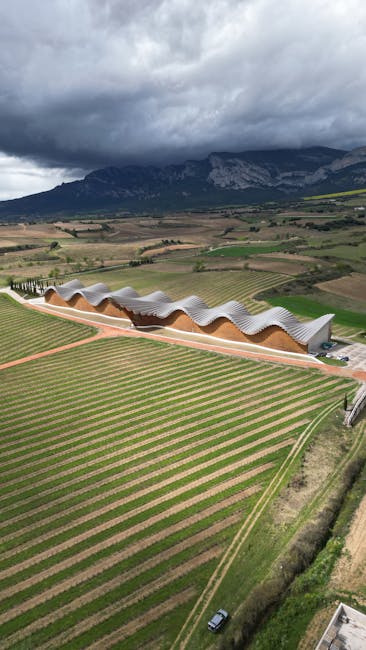
The Antinori complex is a striking example of contemporary architecture thoughtfully integrated into the Tuscan landscape. The building, designed with sustainable techniques in mind, houses state-of-the-art cellars, bright tasting rooms, and a museum tracing a family’s centuries-long story. The visit provides both technical and aesthetic insights into modern winemaking and includes tastings of Antinori’s iconic wines — ideal for those wanting to compare tradition and innovation.
Local tips: allow time for the shop and the panoramic terrace, which offers spectacular views; it’s a perfect spot for a special lunch before heading back to Florence. Parking can fill up in high season, so come early or in the mid-afternoon.
Conclusion — Practical Tips for Planning Your Estate Visits near Florence
Exploring the estates around Florence is a sensory journey through Tuscan history, landscape, and cuisine. To make the most of these experiences, keep a few practical rules in mind. First, always book: most estates require reservations for tours and tastings, especially in high season (May–September) or during harvest (September–October). Booking saves you long waits and often unlocks richer tasting formats (verticals, food pairings).
Second, think about transport: if you plan to taste several wines, hire a driver, a private transfer service, or join an organized tour from Florence. Driving after drinking is not only dangerous, it’s illegal. Tuscan back roads are charming but can be narrow and winding, so set a relaxed pace and plan your route in advance.
Third, respect seasonality: some estates run special activities (harvest, open presses, vendemmia events) that can change opening times and tour offerings. Check official websites before you go. Finally, remember each estate has its own personality: some emphasize history and setting (castles and villas), others prioritize modernity and innovation (contemporary cellars). If you have a particular interest — architecture, olive oil, aged vintages — tailor your visits accordingly.
In short, the estates around Florence offer a range of experiences for every traveler: from the curious visitor seeking a friendly tasting to the informed enthusiast chasing an exclusive vertical. The addresses and price ranges in this guide provide a practical base for planning your route; for a seamless day, contact your chosen estate, confirm up-to-date hours, and, if possible, pair the visit with a meal or a stroll nearby. That way, a simple Tuscan outing becomes a lasting memory — each bottle you bring home a souvenir of a day spent among hills, golden light, and Italian hospitality.