





Introduction: From Florence to the Oltrarno — a walk through art, river scenes and lively neighborhoods
Florence (Firenze) is often boiled down to its icons — the Cattedrale di Santa Maria del Fiore, the Ponte Vecchio, the Galleria degli Uffizi — but the city’s fullest experience is best discovered on foot. The Oltrarno, literally “beyond the Arno,” is the livelier, often more authentic counterpart to the historic center: artisan workshops, family-run trattorie, small shady squares and knockout views from lesser-known lookouts. This walking route between the historic core and the Oltrarno is designed for travelers who want to feel the texture of Florence — old cobbles underfoot, the smell of freshly roasted coffee, the soft clink of a goldsmith’s tools and the golden slide of sunlight across terracotta roofs.
In this detailed itinerary I combine must-see landmarks (the Cattedrale di Santa Maria del Fiore, the Campanile di Giotto, the Galleria degli Uffizi, the Ponte Vecchio) with less touristy Oltrarno stops (the Basilica di Santo Spirito, the Giardino Bardini, the Santo Spirito neighborhood) and local tips to save time, money and hassle. Distances are short between stops: a good pair of shoes, a water bottle and a mental map are enough to savor each moment. Narrow streets and tiny squares invite you to slow down; you’ll find as many unexpected works of art as places to sit and watch life go by.
I suggest a two-day walking route that can be compressed into an intense one-day itinerary for brisk walkers. Each section includes exact addresses, opening hours, approximate prices in euros and practical tips — for example, when to book Uffizi tickets or when to climb the Cupolone (the Duomo’s dome) to avoid long queues. You’ll also find local alternatives: where to eat, where to grab a gelato the locals swear by, and how to cross the Arno via the Ponte Santa Trinita for memorable photos. Finally, I add safety and etiquette pointers — these are living neighborhoods where artisans and residents coexist with visitors.
Get ready to mix art, history and neighborhood life. This guide emphasizes a sensory stroll: sights, smells and textures. Whether you’re a Renaissance buff, a photographer or just curious, the walk between Florence and the Oltrarno delivers a human-scale Florence full of discoveries and memorable moments.

Day 1: From the Duomo to the Ponte Vecchio — classics and essential detours
Start your day in the heart of historic Florence at the Cattedrale di Santa Maria del Fiore (Duomo), located at Piazza del Duomo, 50122 Firenze FI. The whole complex includes the cathedral, the Battistero di San Giovanni and the Campanile di Giotto. Opening hours: the Cathedral (free entry to the nave) is usually open daily around 10:00–17:00 (times vary with season and services). To climb the Cupola del Brunelleschi (Brunelleschi’s Dome): entrance via Piazza del Duomo, 6, roughly 08:15–19:00; price: about €25 for the combined ticket that includes access to the Duomo, the Baptistery, the Campanile, the Museo dell’Opera del Duomo and the Baptistery (indicative price — book online to avoid queues). The Campanile di Giotto (Piazza del Duomo) is usually open from 08:15 to 19:00, price around €10–€12.

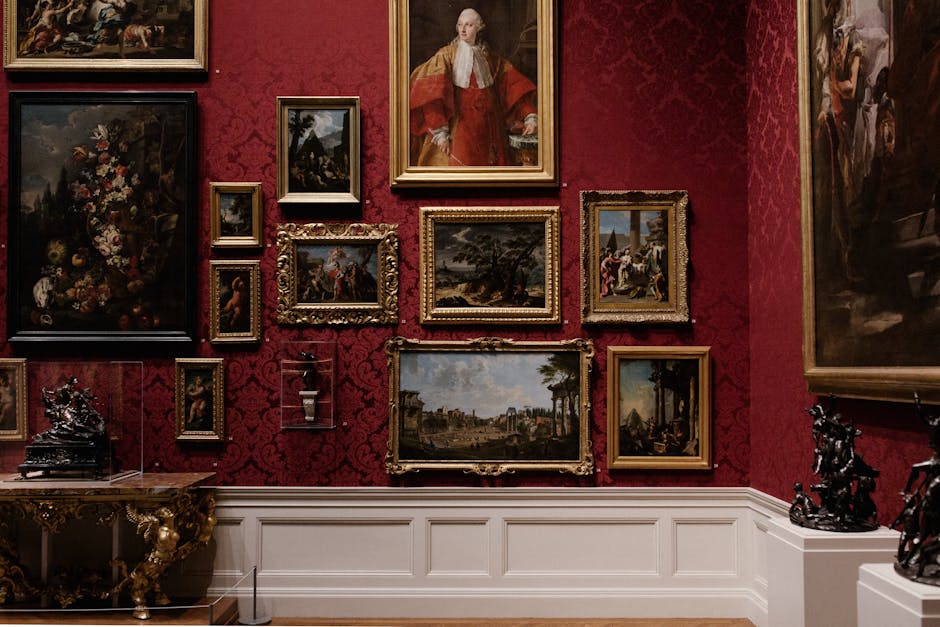
After exploring the square, stroll down Via dei Calzaiuoli toward Piazza della Signoria, home to the Palazzo Vecchio (Piazza della Signoria, 50122 Firenze FI). Palazzo Vecchio hours: 09:00–19:00, closed some Mondays; museum tickets cost about €12–€15, guided tours extra. In front of the palace, the Loggia dei Lanzi and the Fountain of Neptune present a static panorama of sculptures that shaped the Renaissance imagination. Don’t miss the entrance to the Galleria degli Uffizi at Piazzale degli Uffizi, 6, 50122 Firenze. Opening hours: typically 08:15–18:30 (closed Mondays), price: booking recommended, standard tickets around €20–€25 (rates vary with temporary exhibitions).
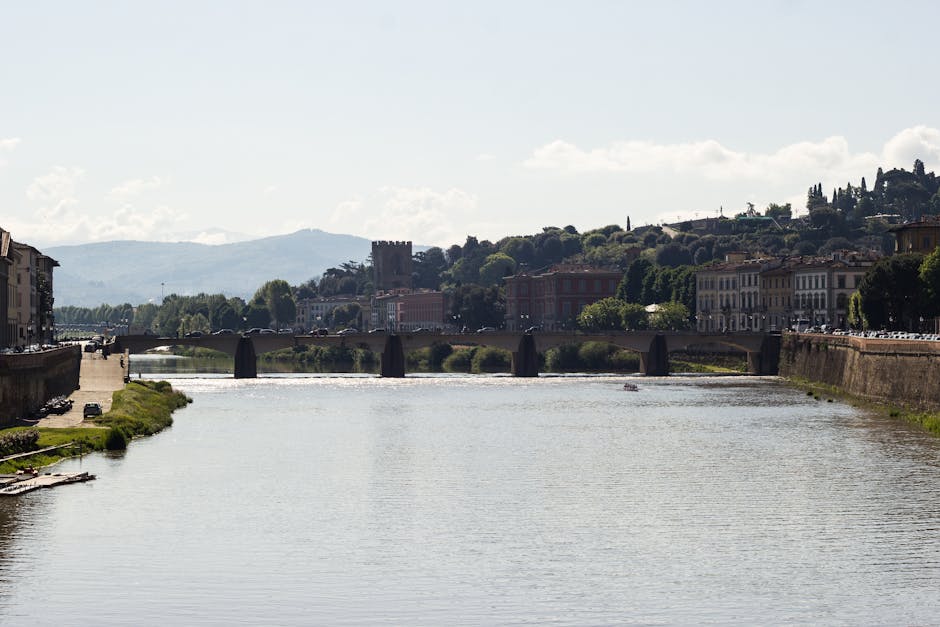
Next, take Via dei Fossi down to the Arno. At the riverbank, cross the Ponte Vecchio (Ponte Vecchio, 50125 Firenze FI), that medieval bridge lined with jewelry shops and goldsmiths. The Ponte Vecchio is open 24/7 and free to access, but expect heavy crowds during daytime and at sunset. For a picture-perfect shot, head to the Ponte Santa Trinita (Piazza Santa Trinita, 50123 Firenze) or the opposite bank for a side view of the Ponte Vecchio at dusk.
Crossing the Ponte Vecchio brings you into the Oltrarno. Wrap up an ideal first day with a riverside stroll, an aperitivo in an enoteca and dinner at a trattoria. A local classic for dinner is Trattoria 4 Leoni, Via dei Cimatori, 11R, 50122 Firenze. Hours: typically 12:00–15:00 and 19:00–23:00; main courses roughly €12–€18. Book ahead for evening service to avoid a long wait. Don’t miss a stop for artisan gelato at Gelateria La Carraia, Piazza Nazario Sauro, 25/r, 50124 Firenze, usually open 10:00–23:00, with prices around €2–€4 per scoop.

Day 2: Oltrarno and its treasures — workshops, gardens and panoramic views
Begin day two in the Santo Spirito neighborhood, where artisans and locals mingle with visitors. The Basilica di Santo Spirito sits at Piazza Santo Spirito, 30, 50125 Firenze. Hours: typically 07:30–12:00 and 15:00–19:00 (varies with services); entry to the church is usually free though some chapels may request a donation. The interior, restored over centuries, reveals Renaissance works and a cloister ideal for quiet contemplation.

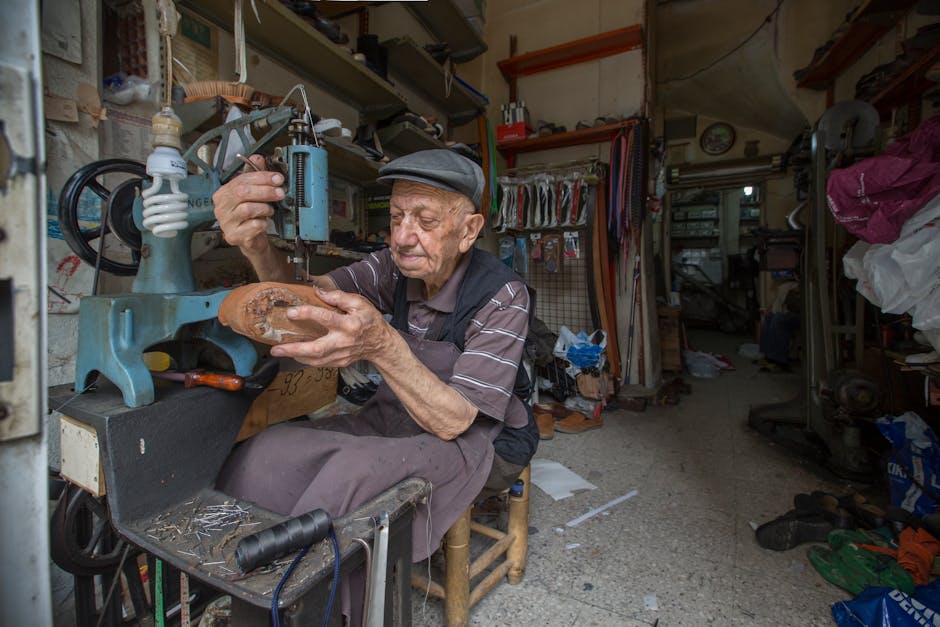
A short walk away are narrow lanes packed with artisan workshops: goldsmiths, furniture restorers, leatherworkers and mosaic studios. Via Maggio (Via Maggio, 50125 Firenze) and Via Romana house several historic botteghe. Take the time to step inside, chat and perhaps buy a small handmade piece — many accept cards, but carry some cash for tiny stalls. For an authentic experience, look out for a local goldsmith’s studio or a handmade paper workshop. Artisans often welcome visitors and enjoy showing their craft, which adds real depth to the stroll.
Continue on to the Palazzo Pitti (Piazza de’ Pitti, 1, 50125 Firenze) and the Boboli Gardens (Giardino di Boboli) right behind the palace. Palazzo Pitti hours: palace museums usually open 08:15–18:50 (some sections closed Mondays), price: combined palace + garden tickets roughly €16–€20. The Giardino di Boboli (Piazza Pitti, 1, 50125 Firenze) is an expansive Renaissance garden with sculptures, fountains and sweeping city views; opening times about 08:15–18:30 depending on season, price around €10–€12. For a more intimate alternative, head to the Giardino Bardini (Costa San Giorgio, 2, 50125 Firenze) — its terrace offers one of the best panoramic views over Florence. Hours: typically 08:30–19:00, price about €10.
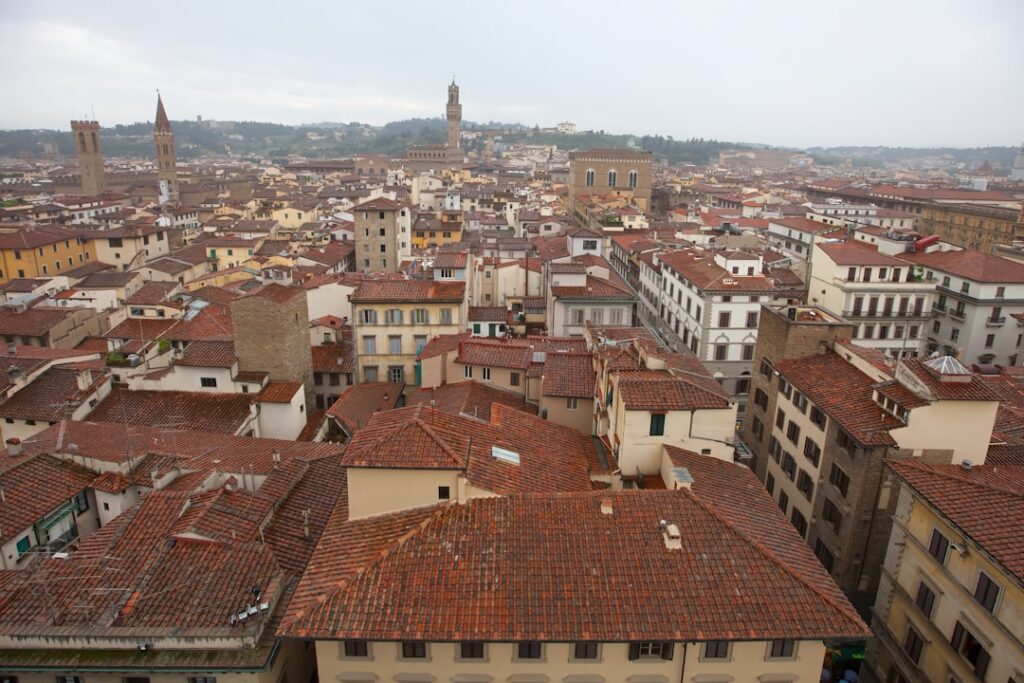
For the best city vista, make your way to the Belvedere at Piazzale Michelangelo (Piazzale Michelangelo, 50125 Firenze). This panoramic spot is a 20–30 minute walk from the Ponte Vecchio if you climb via the Scala di San Niccolò or take Via del Monte alle Croci. Access: public, open 24/7, free. Aim to arrive just before sunset to enjoy the warm light over the cathedral and terracotta roofs. Piazzale Michelangelo is a photography must, but get there early to avoid crowds and find a bench to take it all in quietly.

Detailed points of interest and practical info (addresses, prices, opening hours)
Here’s a handy list of the places mentioned, with practical details current at the time of writing — always double-check official sites for the latest hours and prices.
- Cattedrale di Santa Maria del Fiore (Duomo) — Piazza del Duomo, 50122 Firenze FI. Cathedral hours: around 10:00–17:00; Cupola and Campanile: 08:15–19:00. Combined ticket price: ≈ €25. Online booking strongly recommended for the Dome.
- Battistero di San Giovanni — Piazza del Duomo, 50122 Firenze. Hours: 08:15–10:15 and 11:15–18:00 (variable). Price included with the Duomo ticket.
- Galleria degli Uffizi — Piazzale degli Uffizi, 6, 50122 Firenze. Hours: ≈ 08:15–18:30 (closed Monday). Full price: ≈ €20–€25, reduced rates for students and youth.
- Palazzo Vecchio — Piazza della Signoria, 50122 Firenze. Museum hours: ≈ 09:00–19:00. Price: ≈ €12–€15.
- Ponte Vecchio — Ponte Vecchio, 50125 Firenze FI. Public access 24/7. Shops on the bridge mostly open 10:00–20:00.
- Basilica di Santo Spirito — Piazza Santo Spirito, 30, 50125 Firenze. General hours: 07:30–12:00 and 15:00–19:00. Free entry; guided visits or some chapels may charge.
- Palazzo Pitti & Giardino di Boboli — Piazza de’ Pitti, 1, 50125 Firenze. Museum hours: ≈ 08:15–18:50; gardens: ≈ 08:15–18:30. Combined tickets: ≈ €16–€22.
- Giardino Bardini — Costa San Giorgio, 2, 50125 Firenze. Hours: ≈ 08:30–19:00. Price: ≈ €10.
- Piazzale Michelangelo — Piazzale Michelangelo, 50125 Firenze. Free access; best at sunset.
Ticketing tip: for Uffizi and the Duomo (Cupola), purchasing online skip-the-line tickets often costs extra but can save you hours in high season. The prices shown are averages: museums may add surcharges for temporary exhibitions and online booking fees. For smaller municipal museums (Museo dell’Opera del Duomo, Museo di Palazzo Vecchio), expect tickets between €5 and €12.
Meal times and local prices: restaurants generally serve lunch 12:00–14:30 and dinner 19:00–22:30. A main course in a trattoria runs between €10 and €20; a tasting menu at a higher-end restaurant can reach €50–€90. Espresso at the bar is around €1–€1.50, while a seated cappuccino can be €3–€6 depending on location. To save money, eat where locals do — small trattorie or osterie off the main tourist streets.
Logistics, safety, recommended spots and local tips
Walking between Florence and the Oltrarno is easy: most sites are 15–30 minutes apart. A few practical tips:
- Shoes and seasons: Wear comfortable, grippy shoes — cobbles get slippery when wet. In summer, head out early morning or late afternoon to avoid the heat (July–August). In winter, mornings can be cool and foggy — bring a waterproof jacket.
- Busy hours: Iconic sites are busiest between 10:00 and 16:00. For the Duomo and Uffizi, book early morning time slots (08:30–10:30) or look for evening openings when available.
- Safety: Florence is generally safe, but watch out for pickpockets in tourist hotspots (Ponte Vecchio, Uffizi, Santa Maria Novella train station). Keep valuables close to your body and use an inner pocket for passports and phones.
- Maps and language: Signs are in Italian, but many businesses speak English. Learn a few polite Italian phrases (grazie, per favore) — shopkeepers appreciate them.
- Alternative transport: To save time, ATAF buses cover Florence; a standard ticket costs about €1.50–€2 and is validated upon boarding. Taxis are pricey; favor walking to fully enjoy the streets.
- Religious hours and masses: Some churches restrict access during services; check mass times at the Duomo and Santo Spirito if you plan to enter.
Selected local favorites:
- Trattoria 4 Leoni — Via dei Cimatori, 11R, 50122 Firenze. Reservation recommended; traditional Tuscan dishes, mains from €12.
- Osteria Santo Spirito — Piazza Santo Spirito, 16, 50125 Firenze. Tuscan plates, local vibe; hours 12:00–15:00, 19:00–23:00.
- Gelateria La Carraia — Piazza Nazario Sauro, 25/r, 50124 Firenze. Hours: 10:00–23:00, scoops from €2.
- Enoteca Pitti Gola e Cantina — Piazza dei Pitti, 16, 50125 Firenze. Wide selection of Tuscan wines, tastings and boards; wine by the glass ≈ €6–€12.

Photo tip: to get clean shots of the Duomo without the crowds, use Via de’ Calzaiuoli early (07:30–08:30) or later in the evening after 20:30. For sunset reflections of the Ponte Vecchio, position yourself on the opposite bank by Nuovo Antico Bar / Lungarno del Tempio for perfect reflections.
Tips for families and slow travelers
If you’re traveling with kids or prefer a gentler pace, spread the route over three days: one day for the Duomo and Uffizi (book the morning slot), one day for Palazzo Vecchio and the river up to the Ponte Vecchio, and one day for the Oltrarno and the gardens. Many museums offer audio guides and family-friendly activities; check official sites for family tickets. Bring snacks and water — there are public fountains (nasoni) to refill bottles with free drinking water.
Conclusion: Walking from Florence to the Oltrarno — more than a route, an experience
Walking from Florence to the Oltrarno is an act of discovery both simple and profound. It’s not just linking points on a map: it’s moving from a monumental Italy of masterpieces and famous squares to a more intimate Italy where artisans’ gestures, shopkeepers’ voices and trattoria tables tell a living story. In two days on foot — or three if you want to take it slow — you’ll notice changing façades, the way public squares are used, how light falls on the Duomo’s dome and on the statues in the Boboli Gardens. You’ll see the Oltrarno as a place of ongoing creation, where old crafts sit alongside a modern scene of bars, galleries and studios.
This guide gives you practical markers: exact addresses, approximate hours, indicative prices and tips to optimize your visits (bookings, best times, safety). But the true value of this walk lies in the unplanned moments: an artisan willing to show you a technique, a tiny neighborhood café where an espresso revives you, an unmarked stairway that leads to a terrace revealing Florence in all its glory. Remember to be respectful — quiet in churches, discreet when visiting workshops, and responsible toward the urban environment.
Above all, allow yourself time to wander: some of Florence’s best discoveries are accidental — a fresco behind a doorway, a pop-up market, a surprising view down a sloping street. Keep this guide as your roadmap, but give yourself permission to stray off the beaten path. Walking between Florence and the Oltrarno is an invitation to slow down, look closely and taste the city. Safe travels and happy wandering — and don’t forget your camera to capture the moments when the city seems to smile at you.