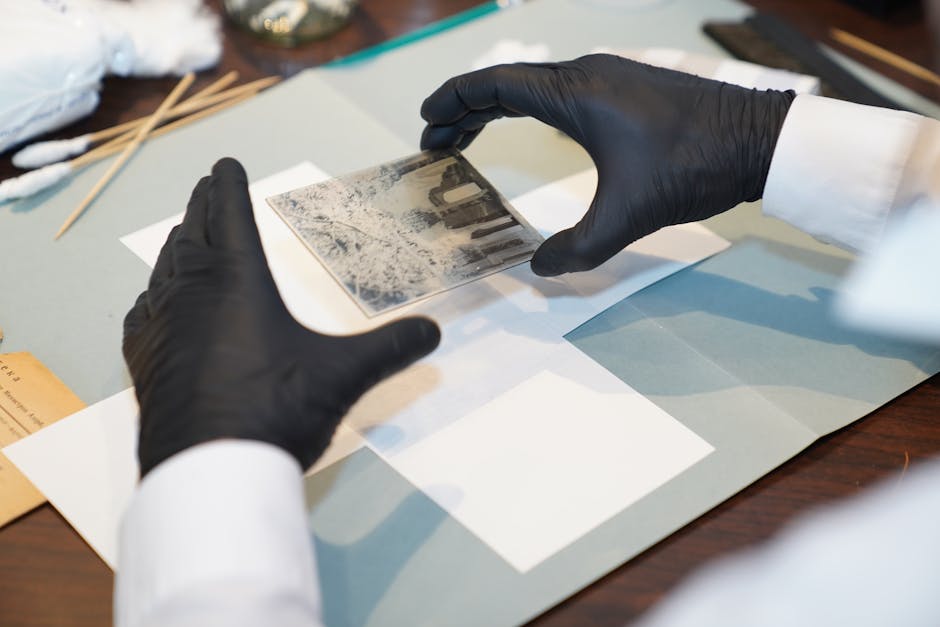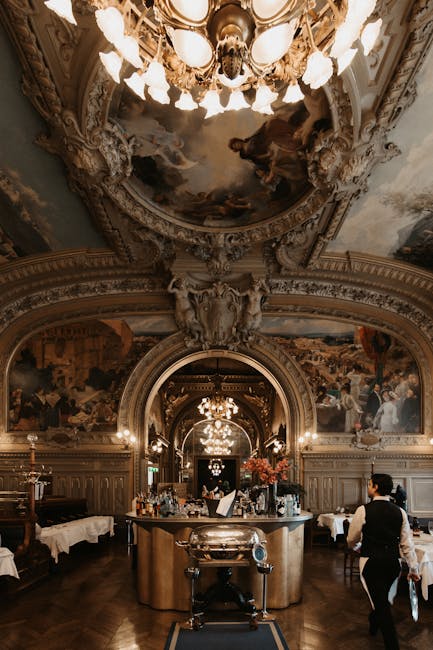






Introduction — Art restoration workshops in Florence: a living legacy
Florence is often called an open-air museum, a city where history, art and craft blend together on every corner. Less immediately visible than Brunelleschi’s domes or the masterpieces inside the Gallerie degli Uffizi, restoration workshops are nonetheless the beating heart of that heritage: it is here that age-old skills are passed down, where artworks are given new life, and where recovered material meets modern techniques. In the urban fabric of Tuscany, these labs are a bridge between past and present, offering curious visitors the rare chance to watch the painstaking work that keeps sculptures, paintings, textiles and metal objects surviving across the centuries.
Visiting a restoration workshop in Florence is more than watching skilled hands at work; it’s stepping into a lab of history, chemistry, optics and art history. Conservators combine traditional techniques — the delicate application of gold leaf, the careful rejoining of a wooden panel — with cutting-edge technologies: multispectral imaging, physico-chemical analyses, microsurgery on fragile materials. A painting attributed to Botticelli, for instance, can reveal under invisible wavelengths pentimenti that tell the story of how the artist conceived the work. Workshops enable those revelations and, crucially, decide whether to intervene — and if so, how.
Beyond the technical and scientific appeal, these workshops are educational and tourist attractions too. Several Florentine institutions open their doors to the public through guided tours, open days or educational programs. For the attentive traveler, it’s a rare opportunity to see conservation in action — to imagine the tools, to smell the controlled solvents, to observe the specialized lighting that reveals the true texture and color of a piece. Names you’ll encounter include the Opificio delle Pietre Dure, the Laboratorio di Restauro delle Gallerie degli Uffizi, the studios of the Museo dell’Opera del Duomo, and the workshops at the Museo Nazionale del Bargello. Each offers a different perspective on restoration: some specialize in textiles, others in polychrome stone or metal, and others in treatments for panel or canvas paintings.
This guide offers a detailed look at Florence’s most remarkable restoration workshops and centers, with precise addresses, access fees, opening hours and practical tips for planning your visit. Whether you’re an amateur conservator, an art history student, or simply a curious traveler, you’ll find information here to make your Florentine experience richer, more informative and respectful of the professionals’ work. The places described are not just institutions; they are potential encounters with rare trades and skills that, through patience and precision, protect the very soul of artistic Tuscany.
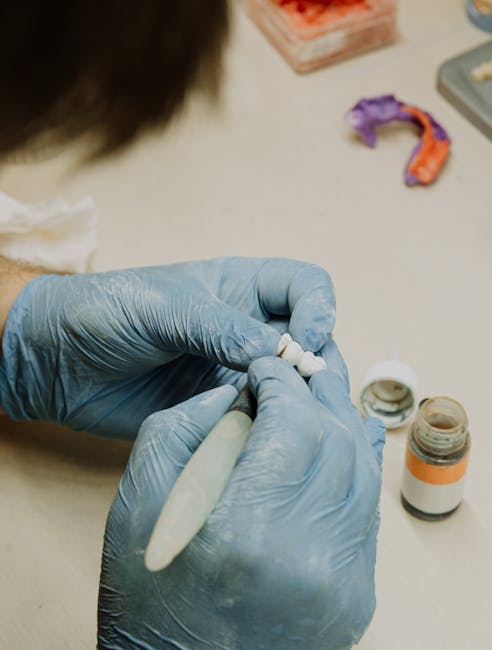
Opificio delle Pietre Dure — Excellence in polychrome restoration and hardstone work
The Opificio delle Pietre Dure is one of the most renowned restoration centers in the world. Founded in the 16th century as a marquetry workshop for the Medici court, it is now an internationally significant research and conservation body, specializing in the treatment of hardstone mosaics, marbles, paintings, textiles and lapidary objects. Its main seat is located at Via degli Alfani 78, 50121 Firenze. Public access is possible by appointment or during guided tours organized by the workshop.
Visiting the Opificio means discovering spaces where stone, glass and color are studied with scientific rigor. Conservators carry out physico-chemical analyses (microscopy, spectrometry) in laboratories equipped with modern instruments while continuing manual skills that date back centuries. Restoration projects at the Opificio range from delicate gilding to consolidation of polychrome marbles, and include interventions on fragmented works or those that incorporate composite materials.
Practical information:
- Address: Opificio delle Pietre Dure, Via degli Alfani 78, 50121 Firenze
- Opening hours: guided tours by reservation; the reception office is generally open Monday to Friday from 9:00 to 17:00 (check specific programming)
- Price: guided tours typically cost around €15–€20 per person for a standard visit; educational workshops or lectures: €25–€50 depending on the format (indicative rates, book in advance)
- Contact: reservations via the official website (check before you go); email and phone details are available on the institution’s page
Practical tips:
- Book at least two to three weeks in advance for a guided tour, especially in high season (spring–summer).
- Allow at least 90 minutes for a visit: between the historical introduction, the lab tour and any demonstration, the experience unfolds slowly and requires attention.
- Bring identification: some sensitive areas may require ID for the security of the artworks.
- Respect silence and lighting rules: laboratories are controlled environments where light and behavior can affect interventions.
The Opificio also organizes thematic exhibitions and demonstration days where you can see conservation processes applied live. For those passionate about hardstones and polychromy, it’s a must-visit to understand how precious materials are preserved and restored in Florence.
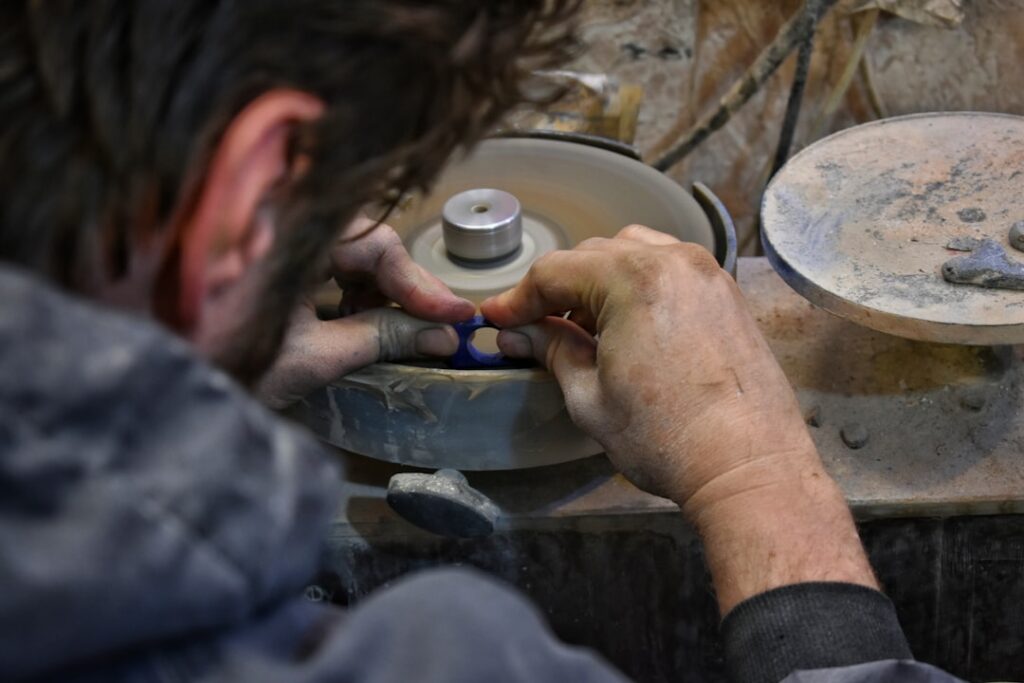
Laboratorio di Restauro delle Gallerie degli Uffizi — Restoring the masters of painting
The Gallerie degli Uffizi (Uffizi Gallery) safeguard some of the most famous paintings in the world. The restoration lab associated with them, often called the Laboratorio di Restauro degli Uffizi, works on panel and canvas paintings, drawings and works on paper. Located near the main museum, access to the lab is sometimes possible via organized visits or during special exhibitions showcasing conservation work.
Address and access:
- Address: Gallerie degli Uffizi, Piazzale degli Uffizi, 6, 50122 Firenze FI (main museum entrance and information for laboratory visits)
- Museum hours: usually Tuesday through Sunday from 8:15 to 18:30; closed on Mondays (check the calendar for closures and special hours)
- Price: Uffizi admission typically €20–€25 (standard rate; skip-the-line tickets and specialized guided tours can reach €40–€70); lab visits are often included in special programs or charged between €20 and €50
The lab handles consolidation of paint layers, removal of aged varnishes, reintegration of losses and the study of underlying layers using radiography and multispectral imaging. Restorers work under binocular magnifiers, test solvents under the microscope and use resins and adhesives suitable for each support. Interventions are documented in detail: protocols, before/after records, analyses and scientific reports are kept for every treated work.
Practical tips for visiting:
- Book museum tickets online to guarantee entry: time slots often fill up in high season.
- Check for themed tours: the Uffizi sometimes offers routes that include presentations of recent restoration projects.
- Visit early in the morning for a calmer experience; restoration labs also benefit from a more contemplative atmosphere at these times.
- Bring a notebook and pencil: photography is often prohibited in labs, but taking notes is allowed and useful.
Beyond visits, the Uffizi run lecture series and occasional workshops for students and professionals, providing deep insight into the challenges of modern conservation applied to Renaissance masterpieces.
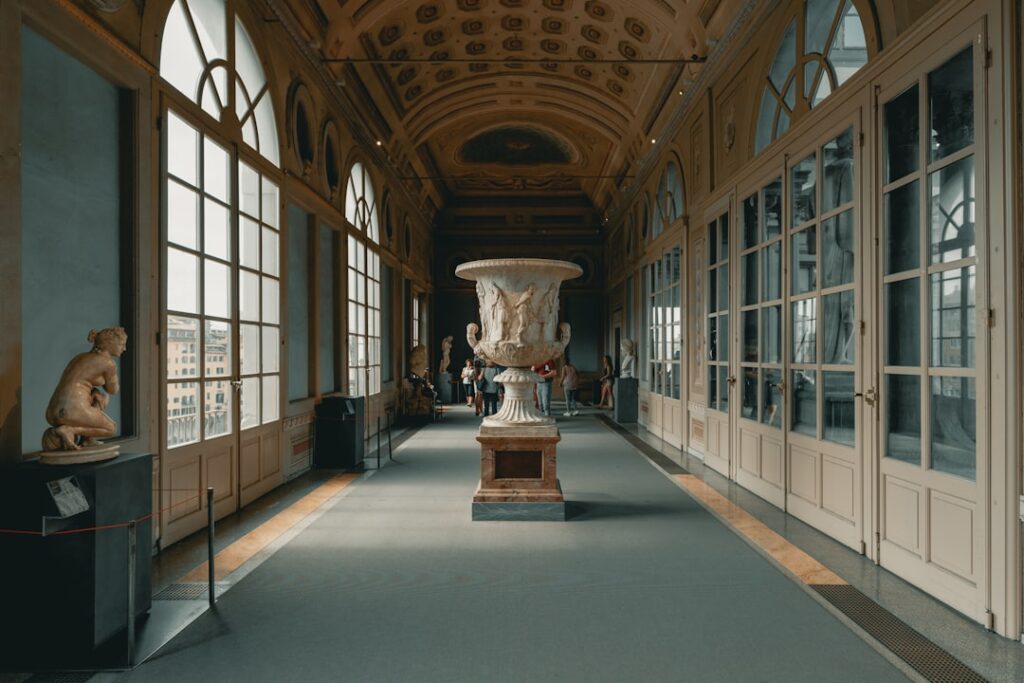
Museo dell’Opera del Duomo and Museo Nazionale del Bargello — Stone, sculpture and metal workshops
Florence isn’t only a city of paintings: its sculptural tradition is just as alive and protected by specialized workshops. The Museo dell’Opera del Duomo and the Museo Nazionale del Bargello house labs that work on stone, polychrome sculpture, bronze and other metals. These workshops treat architectural elements and sculptures that once adorned the city’s façades and sacred interiors.
Museo dell’Opera del Duomo — practical information:
- Address: Museo dell’Opera del Duomo, Piazza del Duomo, 9, 50122 Firenze FI
- Opening hours: generally open from 9:00 to 17:30 (closures vary; check before your visit)
- Price: combined ticket for the Duomo Complex (Cathedral, Giotto’s Campanile, Baptistery, Museo dell’Opera) around €18–€25 depending on options; guided tours and educational workshops may be charged separately
The Museo dell’Opera del Duomo’s lab focuses on the conservation of lapidary and polychrome heritage linked to the Duomo complex: marble statues, terracotta elements, gilded wood and architectural polychromy. The team often carries out on-site interventions because moving monumental works is not always feasible. The museum occasionally offers guided tours showing techniques used to consolidate stone, remove pollutant layers and preserve historical patinas.
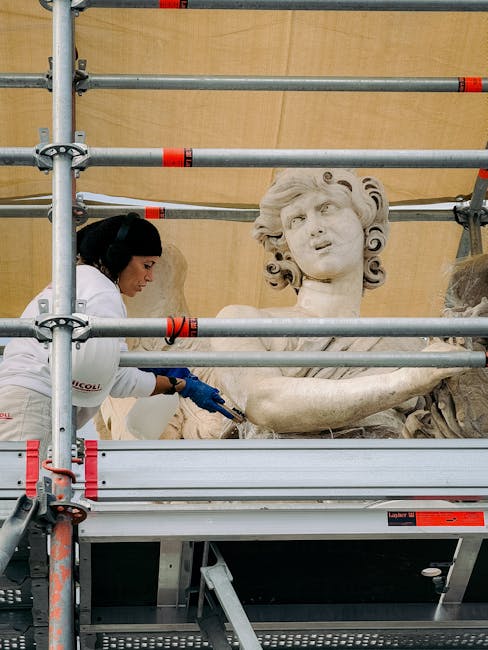
Museo Nazionale del Bargello — practical information:
- Address: Museo Nazionale del Bargello, Via del Proconsolo, 12, 50122 Firenze FI
- Opening hours: typically open Tuesday through Sunday; hours vary, often 8:15–14:00 or 8:30–19:00 depending on the season
- Price: entrance around €9–€12; workshops or special visits may be charged according to programming
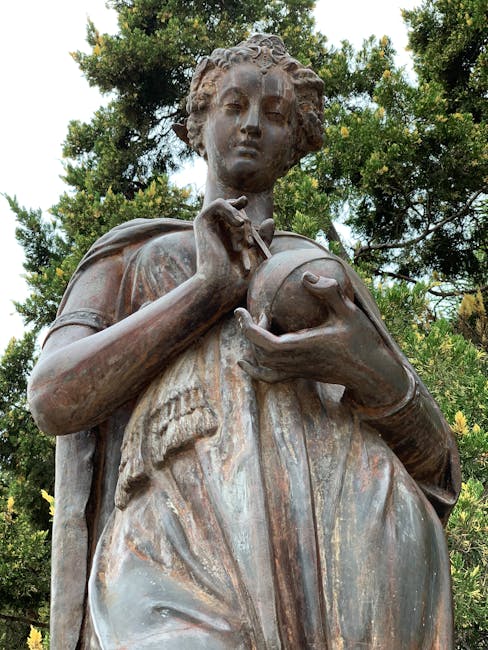
The Bargello specializes in sculpture and metalwork: Renaissance bronzes, enamels and wrought-iron objects. Their lab restores pieces ranging from small bronze statuettes to large decorative elements. The approach includes metal stabilization, corrosion treatment and aesthetic restorations that respect an object’s historical integrity. Teams combine archival research with material analyses to, when appropriate, reconstruct a piece’s original appearance.
Practical tips:
- If you’re particularly interested in sculpture, plan a joint visit to the Bargello and the Museo dell’Opera del Duomo to compare approaches and collections.
- Allow time to walk between sites: they are close to the historic center, and walking is the best way to appreciate the city.
- Ask at the ticket desk about « behind the scenes » programs: these are sometimes offered in limited numbers and by reservation.
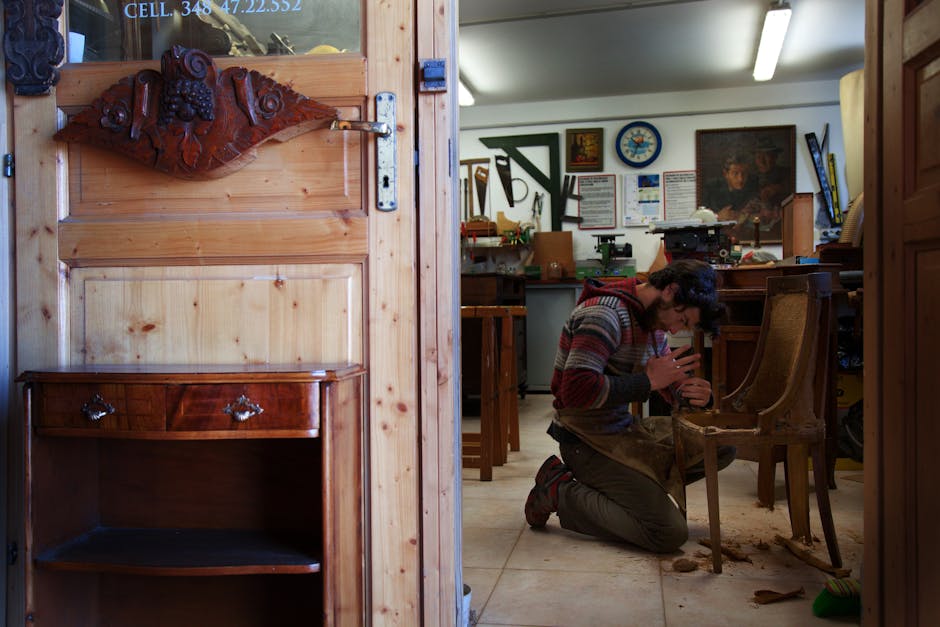
Independent workshops and schools — Passing on local know-how
Beyond the major public institutions, Florence hosts numerous independent workshops and specialist schools that contribute to heritage conservation and to training new generations. These range from small artisan studios — where a master restorer applies traditional Florentine techniques — to professional schools offering conservation and restoration curricula.
Notable examples include workshops integrated into museums (educational studios at the Palazzo Pitti for the Galleria Palatina, for example) while others are private studios offering visits by appointment and hands-on courses. These shops often focus on specific fields: textile conservation (velvets and medieval embroideries), restoration of manuscripts and old books, or gilding and polychromy on wood. Schools provide programs from short introductory courses to multi-year professional diplomas, often in collaboration with universities and cultural institutions.
Examples and general practical info:
- Galleria Palatina / Palazzo Pitti (integrated restoration): Piazza de’ Pitti, 1, 50125 Firenze FI. Palace opening hours vary; general entry to the collections is usually €10–€16. The palace’s workshops sometimes offer themed guided tours and student workshops.
- Private workshops: many are located in the Santo Spirito and Oltrarno neighborhoods, near Via San Niccolò and Via Maggio. Prices for private visits or demonstrations vary widely — expect €10–€60 depending on duration and exclusivity.
- Schools and training: consult the Accademia di Belle Arti di Firenze for art training related to restoration; fees vary greatly depending on the course.
Practical tips for approaching independent workshops:
- Contact workshops by email or phone at least two weeks before your visit. Many operate by appointment only.
- If you want to attend an introductory course, check the language of instruction: some sessions are offered in English, others only in Italian.
- Bear in mind that private workshops are often small and intimate — respect safety and hygiene rules (clean hands, no flash photography if requested).
- Consider booking a demonstration or a small course as a direct way to support the local economy and the transmission of skills.
Planning your visit: local practical tips and recommendations
To make the most of your visits to restoration workshops in Florence, careful planning is essential. Here are concrete recommendations to help organize your day, avoid disappointment and respect the restorers’ work.
1) Booking and timing:
- Reserve guided tours and workshops at least 2–3 weeks in advance during high season (April to October); some special visits fill up months ahead.
- Favor morning time slots to avoid crowds and to enjoy a quieter working environment in the labs.
2) Budget and tickets:
- Be prepared for variable fees: major museums (Uffizi, Duomo, Bargello) charge admission (around €9–€25); specialized workshop visits usually cost between €15 and €50.
- Check for combined tickets (for example for the Duomo Complex) which can be more economical if you plan multiple visits.
3) Respect and behavior:
- Keep a low profile: workshops are workplaces. Avoid loud talking, touching artworks and using flash without permission.
- Follow staff instructions regarding lighting, distance and protective equipment (gloves, wedges, etc.).
4) Getting there:
- Most workshops and institutions are within walking distance of the historic center (Piazza della Signoria, Duomo). The ATAF bus network covers peripheral areas.
- Prefer walking: Florence is compact and ideal for exploring on foot. The Oltrarno alleys are perfect for combining workshops visits with artisan strolls.
5) Language and guided tours:
- Many specialized visits are offered in Italian and sometimes in English. If you don’t speak Italian, explicitly request an English tour or an audio guide in English.
- Conservators are often happy to answer technical questions; preparing specific questions (materials, methods, intervention duration) will make the visit more rewarding.
6) What to bring:
- A notebook for jotting down observations, comfortable shoes for walking and a water bottle. Labs are not set up for long leisure breaks.
- If you plan to attend a hands-on workshop, wear clothes you can protect (some products can stain clothing) and ask in advance for a list of required materials.
Conclusion — Why restoration workshops are at the heart of an authentic Florentine experience
Restoration workshops in Florence add a deeply enriching layer to any trip in Tuscany. While monuments and museums display finished works, workshops reveal the material and human stories that keep them alive. Watching a conservator work on a painting, statue or textile teaches you how fragile art is and how much heritage depends on continuous commitment — patience, science and a love of detail.
Visiting these public or private workshops also supports a cultural economy focused on passing down skills. These places are living schools where ancient techniques meet scientific innovation. The experience is doubly valuable: it sheds light on the masterpieces you’ll see in museums, and it gives deeper meaning to conservation as a collective mission. In that sense, Florence is not just a museum; it’s an active center for safeguarding heritage.
To prepare your visit, remember the practical advice: book ahead, follow lab rules, choose morning visits where possible and, if you can, pair a workshop tour with visits to the corresponding museums (Uffizi, Museo dell’Opera del Duomo, Bargello) to get a complete view of creation and conservation processes. Don’t forget to explore independent Oltrarno workshops, where local craft continues the Florentine tradition in an intimate setting.
Finally, keep in mind that practical information (hours, prices and visiting conditions) changes: check the institutions’ official websites or contact them by phone before you travel. With this small effort you’ll turn a simple tourist stop into an instructive and respectful immersion, where every conservation gesture tells part of Florence’s story. You’ll leave not only with images, but with an understanding of a vital craft — and perhaps a newfound appreciation for the delicate way humanity preserves its artistic memory.