





INTRODUCTION
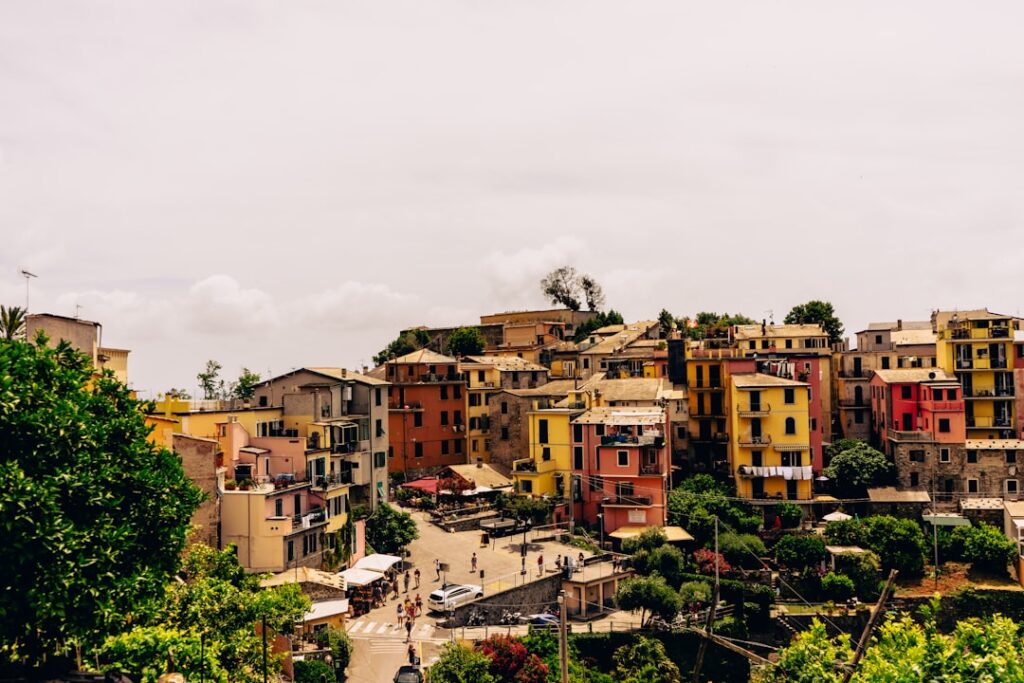
Tuscany is a living painting: golden hills, lone cypress trees, vineyards, medieval villages and a coastline that unfolds jaw-dropping sea panoramas. « Tuscany in 5 Days: Breathtaking Coastal Scenic Drives » is built for travelers who want to explore Tuscany’s coastal fringe with a mix of leisurely driving, beach stops, cultural discoveries and local tastings. This route highlights famous coastal roads, hidden coves, viewpoints on historic headlands and tasty pit stops where the sea breeze mingles with the scents of Tuscan cooking.
Over five full days you’ll follow the northern coast from Livorno to Forte dei Marmi, dive into the Riviera della Versilia, cross the charming Etruscan Coast around Piombino and Bolgheri, then head down to the wilder Maremma with its nature reserves and rocky promontories. Each day is planned to minimize driving fatigue while keeping a good pace of discovery: scenic side roads, photo stops, short hikes, oyster and local wine tastings, and optional crossings to Elba Island from the Gulf of Piombino.
This guide gives practical, precise information: exact addresses of places to visit, typical opening hours, approximate entrance fees in euros, and local tips (ZTL zones, recommended parking, best times to avoid crowds). Note that some hours and prices change with the season; check official sites for reservations (e.g. Torre di Pisa or ferries to Elba). The itinerary is suited to travelers by car (a small car is ideal for narrow roads), but it can also work on a motorcycle or be adapted using trains and buses for certain legs.
Before you set off: grab a paper map or enable offline GPS, check oil and tire pressure, and bring both a debit/credit card and some cash (many small restaurants prefer cash for minor payments). Respect speed limits, protected areas (Parco della Maremma, Blue Flag beaches) and local rules about private beach access. Throughout the text you’ll find alternatives to suit every taste: cultural stops, family-friendly beaches, wild coves and food recommendations with addresses and price ranges to help you plan.
Finally, remember that the true beauty of Tuscany’s coast lies in its transitions: one turn and the view switches from vineyard to cliff, from fishing harbor to golden beach. Photographers, food lovers and nature fans will leave with a memory card full of images and a travel journal packed with unforgettable moments.
1. Day 1 — From Livorno to Viareggio via Terrazza Mascagni and Torre del Lago
Start your route in Livorno, a lively port city that’s less touristy than its neighbors. First must-see stop: Terrazza Mascagni (Viale Italia, 57127 Livorno LI). This wide black-and-white checkerboard promenade offers sweeping views over the Tyrrhenian Sea. Free access; ideal at dawn or sunset for beautiful light. Parking: Parcheggio Mascagni, Viale Italia 18 (paid, ≈ €1.50/hour).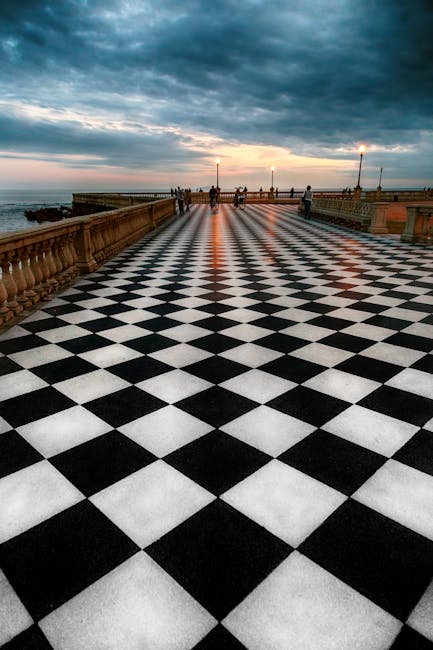
Head south along the coast on the SS1 Aurelia, then take the coastal variant that leads into the Versilia. At Torre del Lago Puccini (Viareggio), stop at Lago di Massaciuccoli for a short walk and, if you’re an opera fan, check the schedule for the open-air Gran Teatro « Giuseppe Verdi » (Viale Puccini, 55049 Torre del Lago Puccini LU). The lake is great for birdwatching; free parking is available at multiple access points. Theater entry depends on the program; tickets range from about €15 to €90 depending on the show and seating.
Next, head to Viareggio to stroll the lungomare. The famous passeggiata, Viale G. Carducci, is lined with cafés and restaurants. Food recommendation: « Ristorante Giglio » (Via Aurelia, 55049 Viareggio LU) — fresh seafood dishes, average price €20–€35 per person. For a beach stop, the public beach « Lecciona » (Viale dei Tigli, 55049 Torre del Lago Puccini LU) is large and often less crowded; free access but some services are paid (showers ≈ €0.50, umbrella/chair rental ≈ €10–€20 per day).
Practical tips: watch for ZTL (limited traffic) zones in the historic centers of Livorno and Viareggio; obey the signs. Gas stations are common on the SS1 but less frequent on side roads; fill up in Livorno or Viareggio in the morning. If you travel in high season (June–September), arrive early to find parking and a beach spot. End the day in Forte dei Marmi if you want a more upscale vibe (see Day 2) or stay the night in Viareggio (many B&Bs, prices €60–€150 depending on comfort).
2. Day 2 — Chic Versilia: Forte dei Marmi, Marina di Pietrasanta and the art stones
Versilia is synonymous with seaside elegance. Start the day in Forte dei Marmi, famous for its fortified villa « Forte di Forte dei Marmi » on Piazza Garibaldi, 55042 Forte dei Marmi LU. The fort often hosts temporary exhibitions; entrance varies (usually €3–€5). Then wander along the seafront on via Italica and visit the local markets (central market in Piazza Marconi — Tuesday morning, offering crafts and clothing).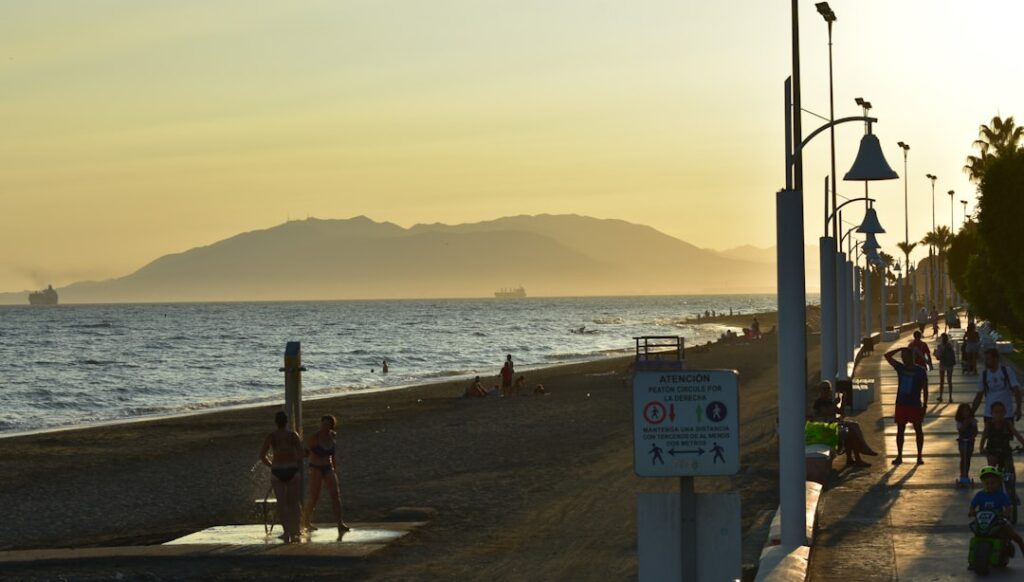
Art lovers should stop in Marina di Pietrasanta, where galleries and artists’ studios cluster around Via Mazzini. A go-to spot is the « Galleria dei Frigoriferi » (Via Mazzini, 55045 Pietrasanta LU) — typical hours 10:00–13:00 and 16:00–19:00, free entry or donation. Lunch at « Ristorante La Barca » (Piazza Matteotti 1, 55045 Marina di Pietrasanta LU): seafood antipasti from €12, mains €15–€30.
Recommended scenic drive: take the SP1bis along the coast, then SR439 up into the Pietrasanta hills for sea views. The little roads dotted with cypresses and olive trees deliver picture-perfect panoramas. For swimming, the stabilimenti balneari (private beach clubs) in Forte dei Marmi offer comfort and services (chair/umbrella hire ≈ €25–€40/day depending on season), while the free beaches at Cinquale are a cheaper alternative.
Local tips: book a table at a good restaurant the day before if you visit in summer — this coast attracts a fashionable crowd. Antique shops in Pietrasanta typically open 10:00–19:00 and close Monday mornings. Parking: paid garages around Forte dei Marmi center (≈ €2–€3/hour). Try an artisanal gelato in the afternoon — typical price €2–€4.
3. Day 3 — Etruscan Coast: Livorno, Castiglioncello, Rosignano and Bolgheri
Day three explores the legendary Etruscan Coast, a mix of fine sandy beaches, cliffs and historic villages. From Livorno, take the SS1 south and branch off to Castiglioncello (Piazza Marradi, 57016 Castiglioncello LI) — famed for its coves and the Punta Righini headland. Walk along the scogliera foranea and stop at Parco della Padula for stunning views. Public parking is available near the station (paid, about €1/hour).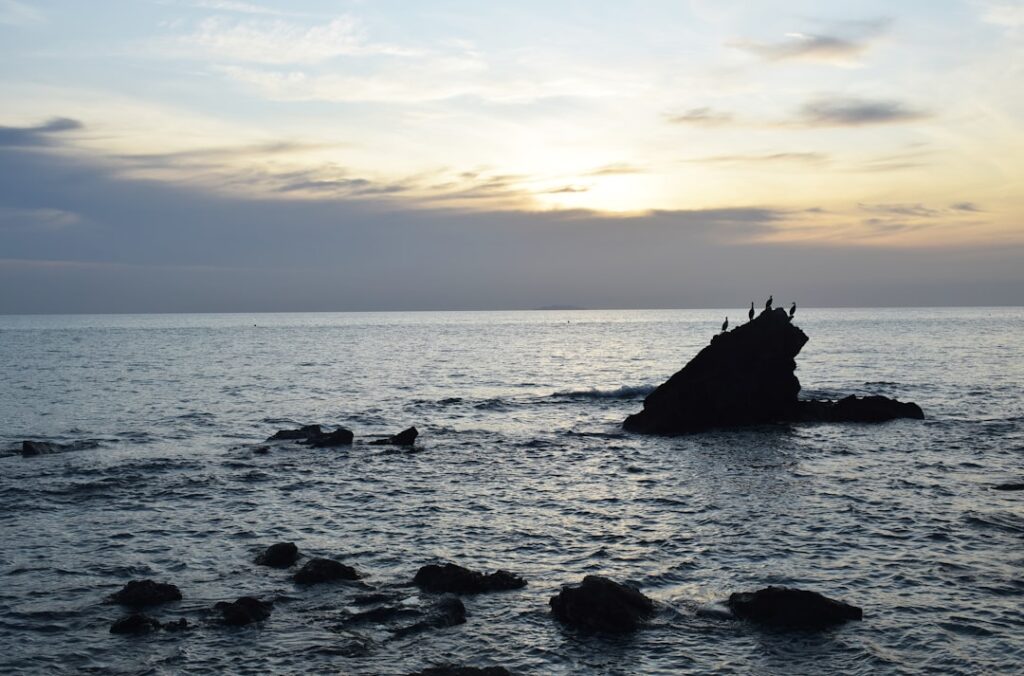
Continue to Rosignano Marittimo to admire the « Spiagge bianche » (White Beaches) at Vada on the edge of the village. Access to some sections is paid if you use a stabilimento, but the view from the road is free and spectacular. Useful address: Spiagge Bianche, via della Madonnina, 57016 Rosignano Solvay LI. Free viewpoints exist; paid parking in dedicated areas (≈ €2–€5 depending on season).
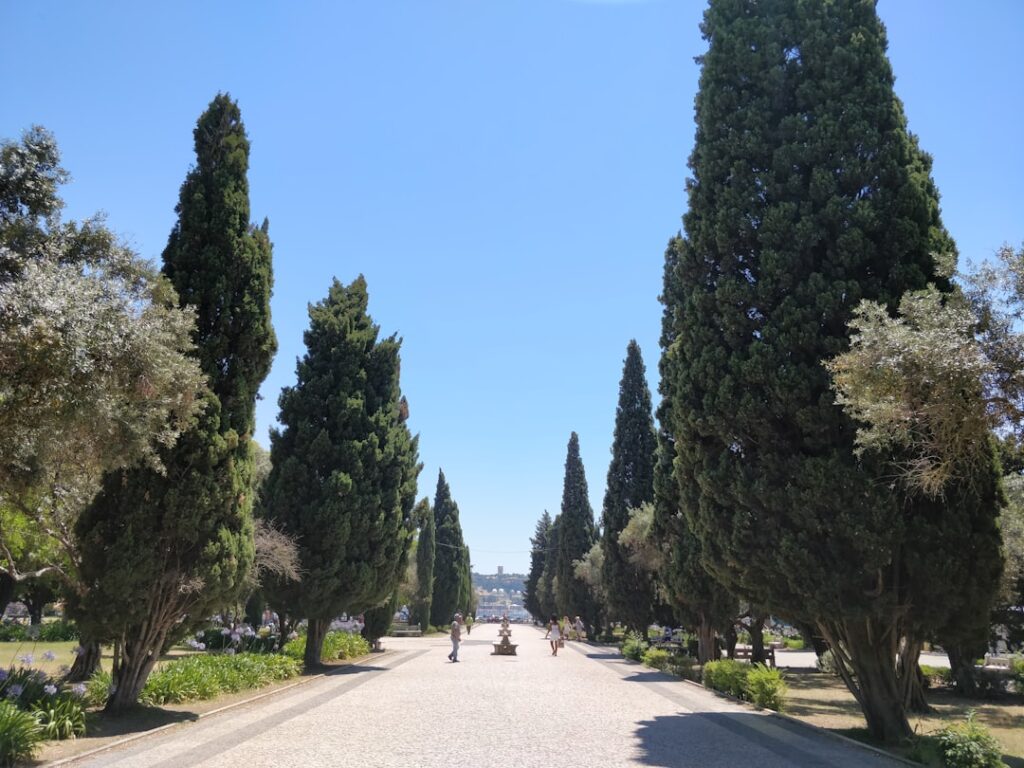
Then head to the famous Viale dei Cipressi in Bolgheri (Viale dei Cipressi, 57022 Bolgheri LI): this cypress-lined avenue leads to the medieval village and is one of Tuscany’s iconic images. Wine tastings are recommended at Tenuta Ornellaia (Via Bolgherese, 57022 Bolgheri LI) or local outlets of Marchesi Antinori — visits and tastings by reservation, tasting prices ≈ €20–€60 depending on the formula. Bolgheri village itself is charming: Piazza del Popolo hosts cafés and artisan shops; shop hours typically 10:00–13:00 and 16:00–20:00.
Practical tips: the road to Bolgheri has narrow stretches; a small car is preferable. If you want a beach break after Bolgheri, return toward Castagneto Carducci (Via Bolgherese) or descend to Marina di Bibbona for family beaches. Watch speed limits and controls on the SR206. Food lovers should try a « frittura di pesce » at a small local restaurant: average price €15–€25 per portion.
4. Day 4 — Gulf of Baratti, Populonia and optional crossing to Elba Island
The day begins in the Gulf of Baratti: a peaceful bay dominated by the archaeological park of Baratti e Populonia (Parco Archeologico di Baratti e Populonia, Località Populonia Alta, 57025 Piombino LI). Visitor address: Via del Castello, 1, 57025 Piombino LI. The park and museum offer a deep dive into Etruscan history; indicative opening times 9:00–19:00 (seasonal), museum/park fees ≈ €6–€10 per person. The view from the Rocca di Populonia over the bay and islands is spectacular.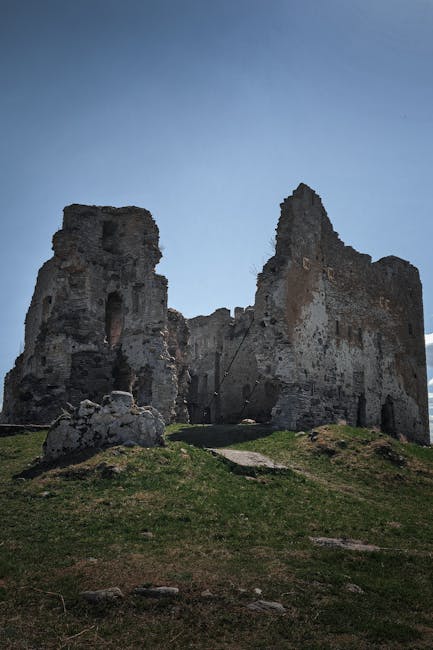
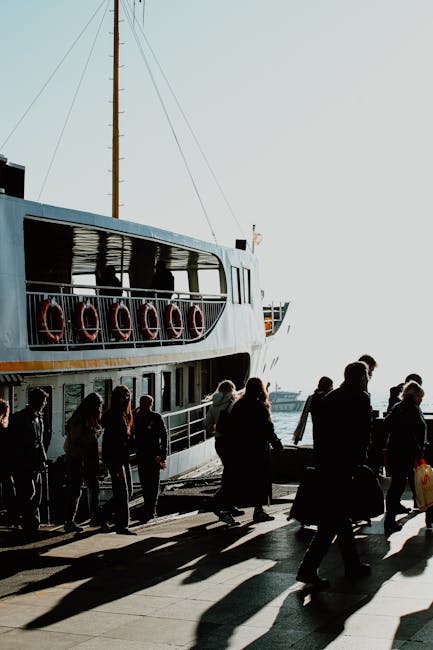
Continue to Porto di Piombino (Piazzale Unità d’Italia, 57025 Piombino LI), the ferry gateway to Elba Island. If you opt for the crossing (optional but highly recommended), book ahead: approximate fares for car + driver €30–€60 one way depending on season and company (Toremar, Moby Lines, Blu Navy). Frequency: very regular in high season (every 30–60 minutes), schedules typically from around 6:30 until 22:00 depending on the operator. Elba offers crystal-clear beaches (e.g. Spiaggia di Cavoli) and seaside villages (Marina di Campo), perfect for a half-day or an overnight stay.
If you stay on the mainland, explore Piombino’s historic center: Piazza Bovio, 57025 Piombino LI, with cafés and seafood eateries (first courses €10–€18, fish mains €15–€30). Lunch at « Ristorante Da Sergio » (Via del Castello 8, 57025 Piombino LI) for local specialties; average budget €25–€40 per person. Restaurant hours generally 12:00–14:30 and 19:00–22:30.
Practical tips: for ferry boarding, arrive 45–60 minutes before departure in high season. Check tide and weather conditions; crossings can be rough in strong winds. If you don’t take the ferry, follow the SP26 along the coast to Baratti and the SR398 toward Grosseto, keeping an eye out for viewpoints to photograph the gulf.
5. Day 5 — Wild Maremma: Orbetello, Monte Argentario, Cala Violina
The final day is dedicated to the Maremma, the wild and authentic region in southern Tuscany. Start in Orbetello (Piazza del Plebiscito, 58015 Orbetello GR) where a lagoon separates two peninsulas. Pass through the Feniglia (nature reserve) for a morning walk or bike ride: shaded trails and wild beaches, access via Strada della Feniglia, paid parking in season (≈ €2–€5/day).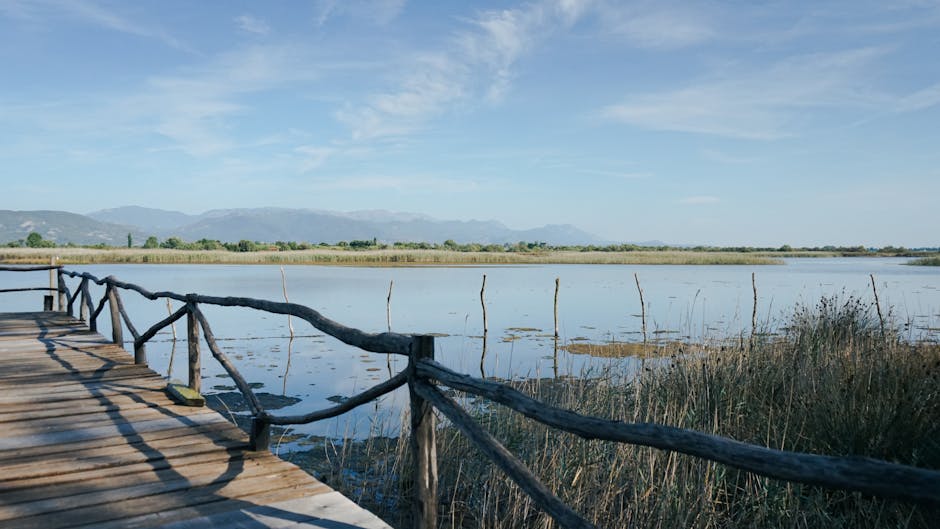
Then climb up to the Monte Argentario headland toward Porto Santo Stefano (Porto Santo Stefano, 58018 Monte Argentario GR). The old port of Porto Santo Stefano, Via del Porto, is lively; try grilled fish at « Ristorante Il Gabbiano » (Via Roma 12, 58018 Porto Santo Stefano GR), dishes €20–€40. Don’t miss the view from the Fortezza Spagnola (Piazza Martiri della Libertà) — freely accessible, exhibition hours vary, entry often free or symbolic (≈ €2–€5).
For pure nature, Cala Violina (Parco Naturale della Maremma, frazione Scarlino, access via road SP161) is legendary: fine sand, turquoise water and a 1.5–2 km walk from the parking area (marked path). Access is free but parking is paid in season (≈ €5–€10/day). Bring water, sunscreen and suitable shoes for the walk to the cove. If Cala Violina is closed for conservation, nearby alternatives include Cala Civette and the Feniglia beach.
Final practical tips: the Maremma includes protected zones and strict rules on wild camping and fires; follow signage and ask at the Parco Visitor Centre (Centro Visitatori del Parco, Via Matteo De Marchi 4, 58100 Grosseto GR). For a final evening meal, try a rural trattoria’s wild boar (cinghiale) dish — mains €12–€25. To return to Florence or Rome, allow about 2–3 hours’ drive from Orbetello depending on traffic.
CONCLUSION
This « Tuscany in 5 Days: Breathtaking Coastal Scenic Drives » route balances sea, heritage and wild nature. In five days you’ll taste the coastal variety of Tuscany: urban strolls in Livorno and Viareggio, the elegance of Forte dei Marmi, the poetry of Bolgheri’s Viale dei Cipressi, Etruscan mystery in Populonia and an island adventure to Elba, finishing in the authentic, preserved Maremma. Each stop offers complementary experiences: sea swims, short hikes, wine and seafood tastings, archaeological visits and picture-perfect panoramas.
Key practical takeaways: check opening hours and book in high season for museums, villas and ferry crossings; respect ZTL zones in historic centers to avoid fines; carry some cash for small expenses and parking tickets; bring sun protection, a water bottle and comfortable shoes for coastal trails. The prices shown are estimates based on recent practice — consult official sites (e.g. Torre di Pisa ticket office, ferry operators Moby/Toremar/Blu Navy, Parco della Maremma) for confirmations and reservations.
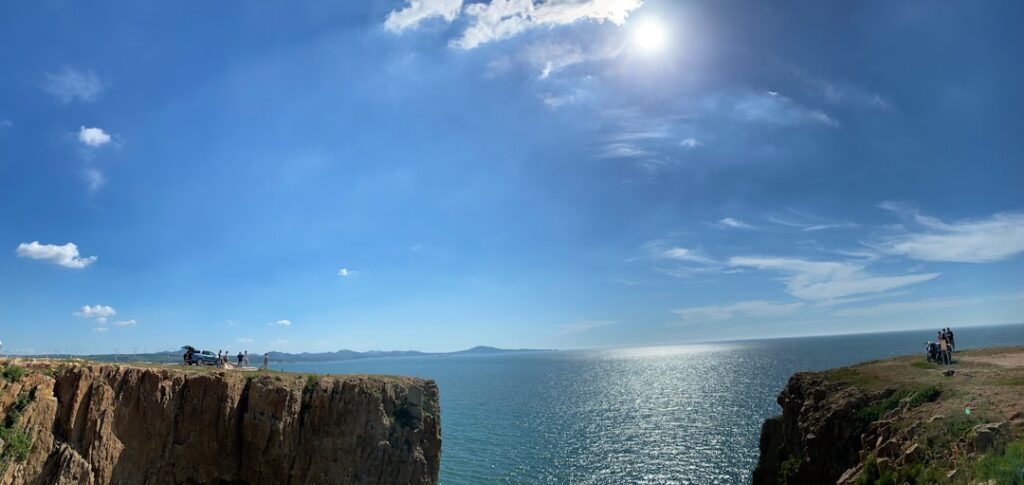
Beyond the listed sites, leave room for the unexpected: a tucked-away trattoria, a deserted headland, the light of a sunset over the Tyrrhenian Sea often turn a drive into an unforgettable memory. Tuscany’s coast is best discovered slowly — stop, breathe, and let your footsteps take you off the planned route. Safe travels and enjoy the coastal panoramas of Tuscany.