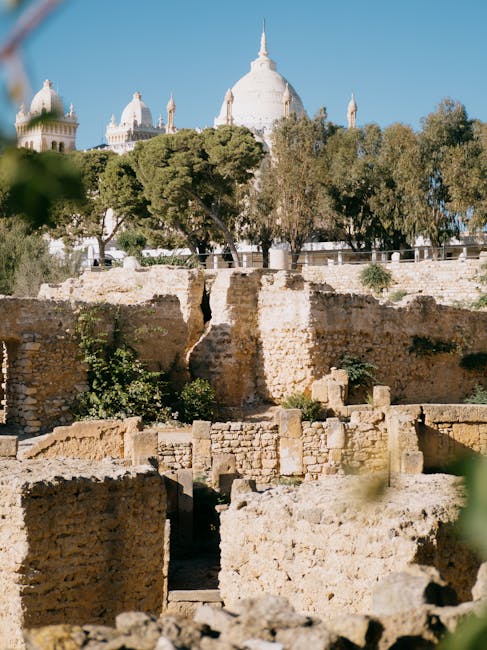






Introduction — Why Tuscany is a paradise for history lovers
Tuscany is one of Italy’s richest regions when it comes to historical, artistic and archaeological heritage. Here, every hill, cobbled alley and public square tells a story spanning centuries: medieval city-states, maritime republics, Renaissance centers and Etruscan remains. For the history enthusiast looking to pack discoveries into day trips, Tuscany is an ideal playground, easily reachable from Florence, Pisa or Siena, with routes that can combine museums, cathedrals, fortresses, baths and UNESCO-listed cultural landscapes.
This guide lays out day trips tailored for history lovers: detailed itineraries, full monument names, exact addresses, opening hours, entry prices in euros and practical tips to make your visit smooth and rewarding. Whether you’re based in Florence wanting to dive into Renaissance splendor, or in Siena to explore rural Tuscany and its medieval towns, you’ll find options that pair historical immersion with sensory pleasures — wine tasting, walks through protected landscapes and stops at local artisan food producers.
Each excursion is planned as a full day: depart in the morning, visit main sites until the afternoon, and return in the evening. Suggested visit durations account for travel time by car, train or guided tour. Recommendations include the best times to avoid crowds, how to book tickets in advance when needed, and practical pointers (parking, public transport, toilets, coffee breaks). I also give precise addresses (via, piazza) to help you navigate on site.
Immerse yourself in these day trips and you’ll admire masterpieces such as the Cathedral of Santa Maria del Fiore in Florence, the walls of Monteriggioni, the medieval towers of San Gimignano, the Opera del Duomo in Siena, the Etruscan necropolises of Volterra or the archaeological site of Baratti and Populonia. You’ll learn to read the Tuscan landscape, which still shows terraces, Roman roads and medieval defensive systems, while enjoying culinary breaks that round out the cultural picture.
This document follows a clear structure: an introduction, several detailed sections (each focused on a territory or historical theme), and a conclusion with final tips. Practical details include opening hours and indicative prices — note these can change with the season or exceptional closures. To help you visualize the sites, I’ve included image cues you can look up to prepare your camera or manage expectations.
Florence: Renaissance and monumental art
Florence is the perfect gateway for a first day of history in Tuscany. Start at Piazza del Duomo where the Cattedrale di Santa Maria del Fiore (Duomo), Giotto’s Campanile and the Baptistery of St. John stand. Address: Piazza del Duomo, 50122 Firenze FI. Hours: the cathedral is generally open from 10:00 to 17:00; climbing the Duomo and Brunelleschi’s Dome (Opera del Duomo) requires a reservation and often has time slots between 08:30 and 19:00 depending on the season. Price: combined Opera del Duomo ticket around €20 (reduced rates for youth and seniors), access to the nave is often free but queues apply. Book online on the official site to avoid waiting.
Next, walk to the Uffizi Gallery (Galleria degli Uffizi, Piazzale degli Uffizi, 6, 50122 Firenze FI) which houses works by Botticelli, Leonardo da Vinci and Michelangelo. Hours: 08:15–18:50 (closed on Mondays); price: standard ticket around €20–25 depending on the season, reservation recommended. Allow at least 2–3 hours for a guided or audio-guided visit. After the Uffizi, cross the Ponte Vecchio and head to Palazzo Pitti and the Boboli Gardens (Piazza de’ Pitti, 1, 50125 Firenze FI). The palace and gardens tell the story of the Medici and offer insight into the evolution of seats of power in Florence. Hours: Galleria Palatina 08:15–18:50; gardens 08:15–17:30 (seasonal). Price: combined palace and garden ticket around €16–20.
Practical tips: arrive early for the Duomo or book the climb to the dome in advance (limited spots). Buy combined tickets for the Opera del Duomo and museums to save time. Walk whenever possible: the historic center is compact. Taxis are rare and expensive; ATAF buses serve the outskirts. For lunch, try Trattoria Zà Zà (address: Piazza del Mercato Centrale, 50123 Firenze FI) or grab a lampredotto sandwich at the stalls in the Central Market (Mercato Centrale, Piazza del Mercato Centrale, 50123 Firenze).
Siena and San Gimignano: medieval Tuscany
About 1h15 by car from Florence, Siena and San Gimignano make an ideal day trip for medieval history fans. Start at the Biblioteca Piccolomini and the Duomo di Siena (Cattedrale di Santa Maria Assunta) — address: Piazza del Duomo, 8, 53100 Siena SI. Hours: the cathedral is open roughly 10:30–19:00 depending on the season; the Opera Metropolitana and Biblioteca Piccolomini open around 10:00–18:00. Price: cathedral complex ticket (Duomo, Museo dell’Opera, Library, Crypt) about €12–15. The inlaid marble pavement is a masterpiece; a guided visit will reveal biblical scenes sculpted and painted by Donatello, Pisano and Domenico Beccafumi.
After the cathedral, stroll to Piazza del Campo (Piazza del Campo, 53100 Siena SI), famous for the Palio di Siena. Visit the Museo Civico and Torre del Mangia at Palazzo Pubblico (address: Piazza del Campo, 1, 53100 Siena SI). Hours: Museo Civico typically 10:00–19:00; Torre del Mangia 10:00–19:00 (summer hours may vary). Price: Museo Civico around €8–10; climbing Torre del Mangia about €10. The tower climb offers panoramic views over the Tuscan countryside and the fan-shaped layout of the medieval city.
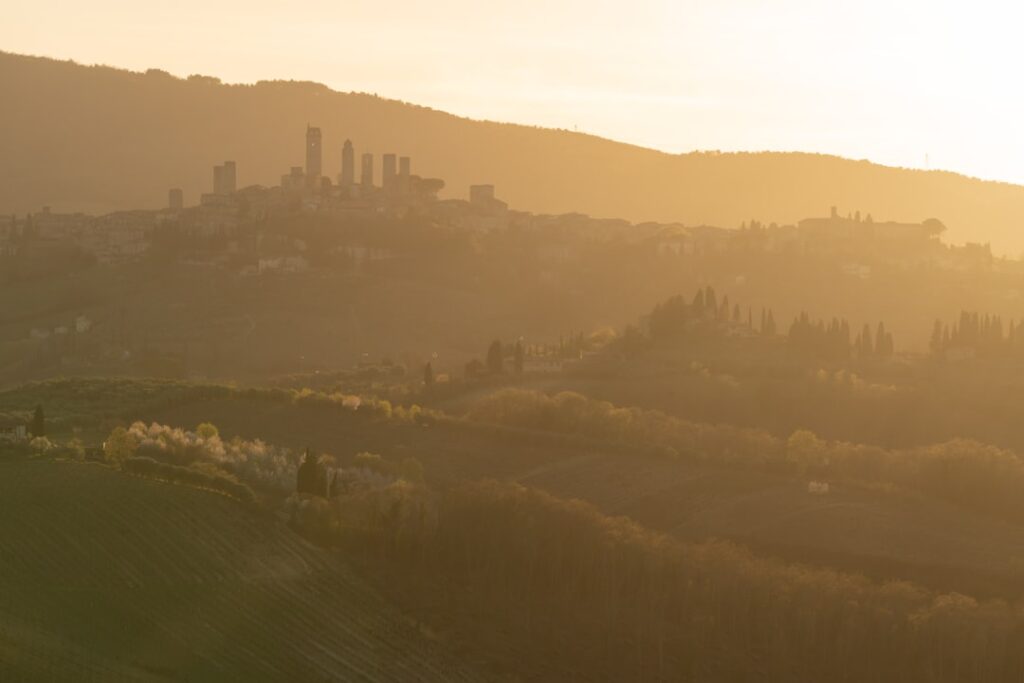
In the mid-afternoon, head to San Gimignano, the “medieval Manhattan” known for its towers. Main address: Piazza del Duomo, 1, 53037 San Gimignano SI. Visit the Collegiata di Santa Maria Assunta and the Torre Grossa (Palazzo del Popolo). Hours: museums and towers generally 10:00–18:00; price: Museo Civico and Torre Grossa combined about €9–12. Don’t miss the Museo della Tortura and the archaeology museum for a darker glimpse into medieval justice.
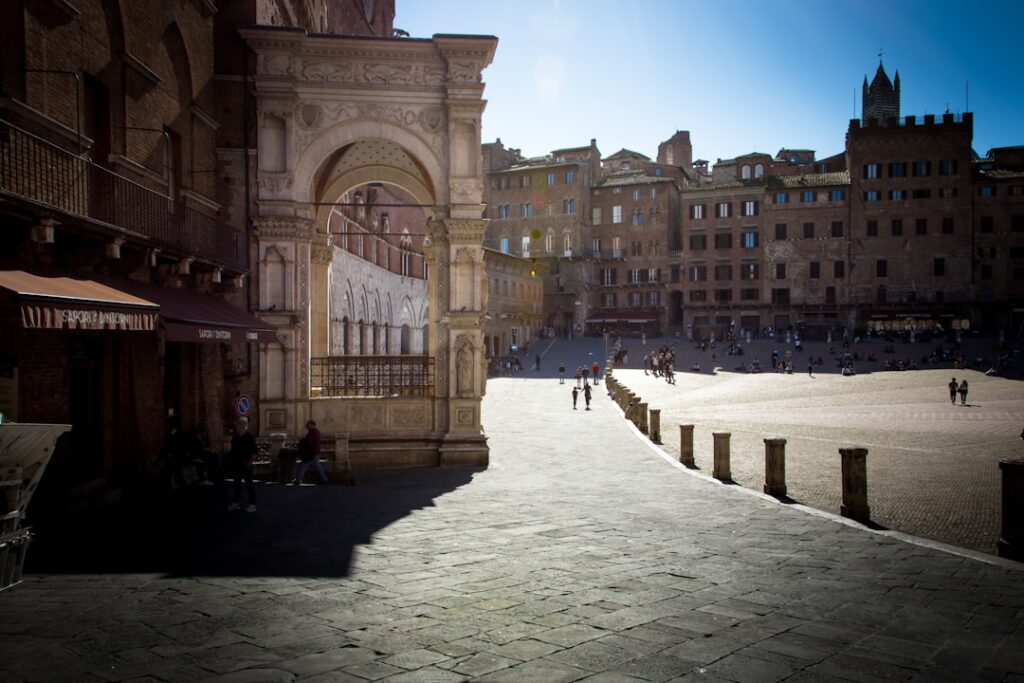
Practical tips: park at Parcheggio Il Campo (Via Roma, 53100 Siena) if you arrive by car, then explore on foot. In high season, Siena and San Gimignano get very busy — plan skip-the-line tickets for Torre del Mangia and Torre Grossa. If you enjoy wine, stop at Tenuta Torciano (address: Località Torciano, 53019 Castelfiorentino FI) for a Chianti Classico tasting (typically €10–25 by reservation). For a sweet break in San Gimignano, try Gelateria Dondoli (Piazza della Cisterna, 53037 San Gimignano SI), internationally acclaimed.
Pisa, Lucca and the city-state Tuscany
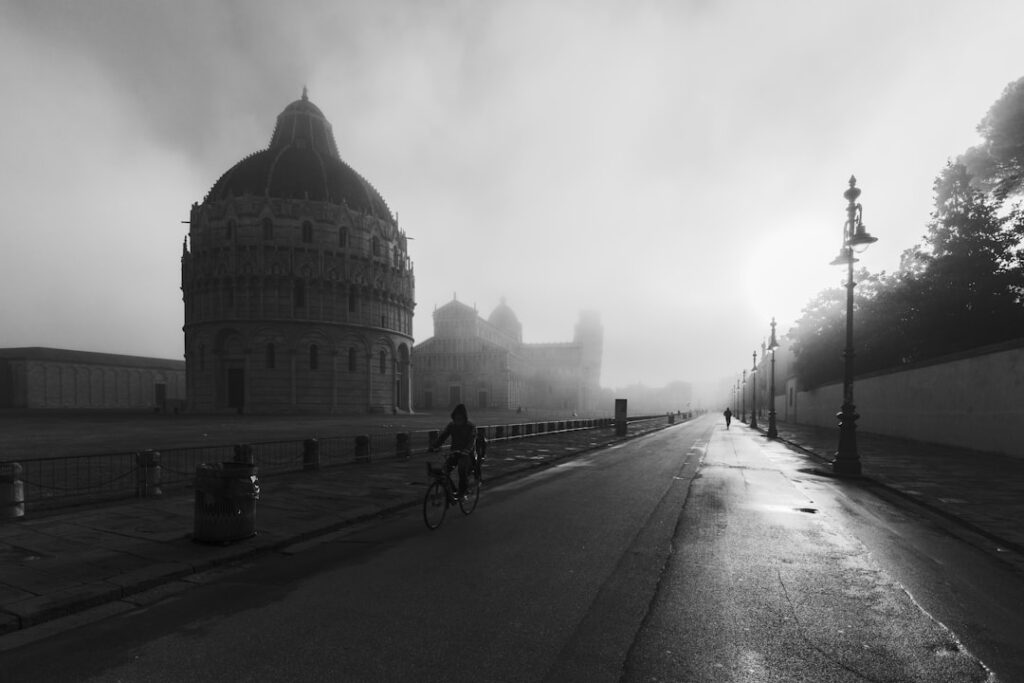
A combined excursion that will please history enthusiasts can pair Pisa and Lucca — two cities with very different but complementary characters. In Pisa, the Piazza dei Miracoli (address: Piazza del Duomo, 56126 Pisa PI) hosts the famous Torre di Pisa (Leaning Tower of Pisa), the Duomo di Pisa (Cattedrale di Santa Maria Assunta) and the Baptistery of St. John. Hours: the piazza is generally accessible all day; climbing the tower is organized by time slots from 09:00 to 19:00 (extended summer hours). Price: tower climb around €20; combined Duomo/Battistero/Camposanto ticket around €10–15 (prices vary). Booking is strongly recommended for the tower due to limited slots.
Near Piazza dei Miracoli is the Museo dell’Opera del Duomo (Piazza del Duomo, 1, 56126 Pisa PI) which houses medieval sculptures and old panels. Hours: 09:30–19:00 (variable); price: about €7–10.
Then continue to Lucca, about 25 minutes by car or 45 minutes by train. Lucca is famous for its well-preserved walls, towers and Romanesque churches. Start at Cattedrale di San Martino (address: Piazza San Martino, 7, 55100 Lucca LU) and the Torre Guinigi (address: Via Sant’Andrea, 45, 55100 Lucca LU), notable for a rooftop garden. Hours: cathedral 08:30–12:30 and 15:00–18:30; Torre Guinigi 09:00–19:00; price: Torre Guinigi about €5–6, cathedral entry often free though nearby museums charge €3–5.
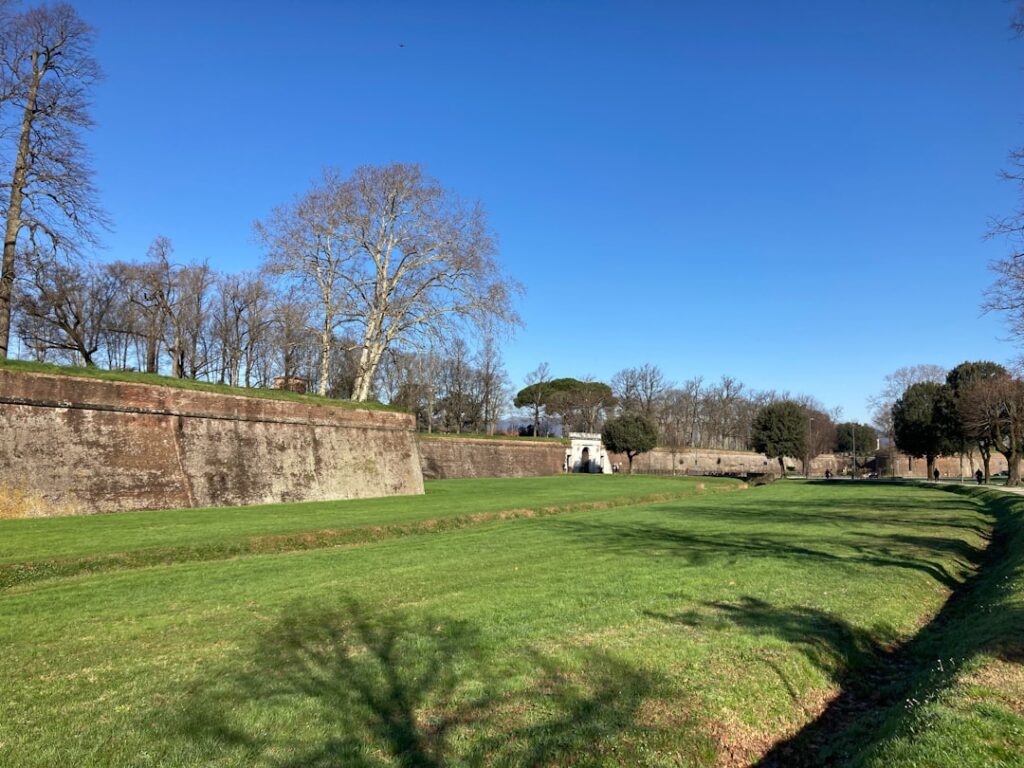
After that, walk the Lucca walls (Passeggiata delle Mura) for a relaxed, historical stroll: these defenses, transformed into a tree-lined promenade, offer a unique perspective on the city’s Renaissance layout. For those interested in military history, visit Fortezza di Mont’Alfonso or local museums such as Palazzo Mansi Museo Nazionale (Via Galli Tassi, 43, 55100 Lucca LU), hours 09:00–18:00, price about €6–8.
Practical tips: park at Parcheggio di Piazza dei Miracoli (Pisa) or use the central station (Pisa Centrale) for a Pisa–Lucca train combo. In Lucca, the historic center is mostly pedestrian; park outside the walls. For lunch, try Trattoria da Giulio in Lucca (Via del Giglio, 55100 Lucca) for local specialties like farro soup and torta co’ bischeri.
Val d’Orcia, Pienza and Montalcino: Renaissance landscapes and fortifications
The Val d’Orcia, a UNESCO World Heritage site, is a region where rural history meets late-Renaissance urban planning. For a day trip focused on peasant history and late Renaissance ideals, head from Florence or Siena toward Pienza and Montalcino. Pienza, redesigned in the 15th century by Pope Pius II under Bernardo Rossellino’s direction, embodies the humanist urban ideal of the Renaissance. Address: Piazza Pio II, 53026 Pienza SI. Visit the Duomo di Pienza (Cattedrale dell’Assunta) and the Palazzo Piccolomini (Via del Castello, 3, 53026 Pienza SI). Hours: Duomo 09:00–17:30 approx.; Palazzo Piccolomini 10:00–18:00; price: Palazzo Piccolomini around €6–8.
Montalcino lies nearby and is renowned for its medieval fortifications and vineyards (Brunello di Montalcino). Start at the Rocca di Montalcino (address: Piazza del Popolo, 1, 53024 Montalcino SI), a fortress with commanding valley views. Hours: mornings 09:00–13:00 and afternoons 15:00–19:00 (seasonal); price: exterior viewing is free, entry to the Rocca about €3–5. For more, visit the Museo Civico e Diocesano di Arte Sacra (Via Ricci, 5, 53024 Montalcino SI), usually open 10:00–13:00 and 15:00–18:00; price: €3–6.
The Val d’Orcia also reveals rural architecture: Romanesque chapels, fortified hamlets (like Monticchiello) and transhumance routes. On the drive, stop to photograph the famous Montepulciano road and the cypress-lined Tenuta di Belvedere (local landmark near San Quirico d’Orcia). Wine cellar tours and tastings: Brunello producers (various Montalcino addresses) offer tastings €15–40 depending on the tour. For a culinary treat, sample Pienza pecorino — buy from Caseificio Pienza (address: Via Roma, 19, 53026 Pienza SI), generally open 09:00–19:00; price: cheese portions €3–8 depending on weight.
Practical tips: the area is hilly and secondary roads can be narrow — a car is recommended. In summer, depart early to avoid heat and crowds; in autumn, enjoy the harvest. Book cellar visits in advance, especially for guided tastings. Bring water and sturdy shoes for short trails around the villages. Mobile reception can be weak in the valleys; carry a paper map or a reliable GPS.
Volterra, Populonia and the Etruscan enigma
For archaeology lovers, a day devoted to the Etruscans is a must. Volterra, perched on a hill, preserves impressive Etruscan and medieval remains. Start at the Museo Etrusco Guarnacci (address: Via Porta Diana, 1, 56048 Volterra PI), one of Italy’s oldest museums, with a rich collection of Etruscan funerary urns and sarcophagi. Hours: 09:00–18:00 (variable); price: around €7–9.
Then visit the Teatro Romano di Volterra (address: Via di Ville, 56048 Volterra PI) dating to the Roman era (1st century BC) and the medieval walls. Access and hours: outdoor site, often free to visit but the adjacent archaeological museum may charge €3–6. For a fuller picture, enter the Cattedrale di Santa Maria Assunta and the Palazzo dei Priori (Piazza dei Priori, 56048 Volterra PI) — the latter often hosts temporary exhibitions and local archives.
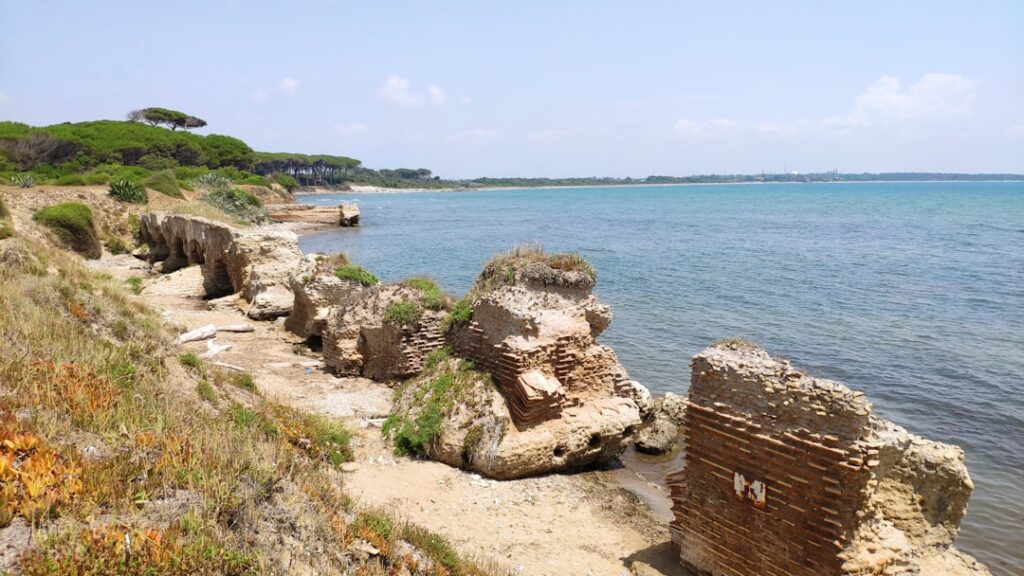
To round off this Etruscan day, head to Populonia and the Gulf of Baratti, a major site for Etruscan industrial archaeology (ironworks). The Parco Archeologico di Baratti e Populonia (address: Località Baratti, 57020 Piombino LI) offers trails among remains of furnaces, necropolises and sea views. Hours: 09:00–19:00 (seasonal); price: combined park and museum tickets €8–12. The Museo Archeologico del Territorio di Populonia (Via delle Terme, 57025 Piombino LI) displays objects found on the site.
Practical tips: Populonia and Baratti can be combined if you leave Volterra early; the coastal road offers spectacular viewpoints but also tight bends. Pack sturdy shoes for archaeological paths and bring water; shade is limited. Information panels are often in Italian — bring a guidebook or download English info sheets to better understand the Etruscan context. For lunch, try Osteria La Carabaccia in Volterra (Via Porta all’Arco, 12, 56048 Volterra PI) for local cooking.
Conclusion — Planning your historical day trips in Tuscany
Tuscany is a mosaic of historical experiences perfectly suited to day trips. Whether your interest is Florence’s grand Renaissance, Siena and San Gimignano’s structured Middle Ages, the city-states of Pisa and Lucca, the poetic fortified landscapes of the Val d’Orcia, or the Etruscan mysteries of Volterra and Populonia, each itinerary balances major sights, museums, panoramas and relaxed gastronomic moments. A good route plan always includes advance bookings for the most popular attractions (Uffizi, Florence Cathedral, Leaning Tower of Pisa), and some flexibility for the unexpected — a photo stop, a wine tasting or an impromptu visit to a small rural chapel.
General practical tips: favor shoulder seasons (spring and early autumn) if you want fewer crowds while enjoying pleasant weather; carry maps or a GPS and check opening hours in advance (many museums close one day a week, most often Monday). If you drive, watch for ZTL zones (limited-traffic areas) in historic centers — park in official peripheral lots and walk in. If you prefer trains, Florence, Pisa, Siena (less well-served) and Lucca are easily accessible; for Val d’Orcia and some rural destinations, a car or organized tour is often more convenient.
Finally, give yourself time to savor: a history tour is enhanced by local cuisine, meetings with artisans (cheesemakers, winemakers) and the contemplation of landscapes that shaped Tuscan culture. Each site has its precise address, hours and fees — check official websites before you go, book when necessary and, above all, take the time to listen to the stories each stone and panorama wants to tell you. With its exceptional density of heritage, Tuscany turns every day trip into a living history lesson.