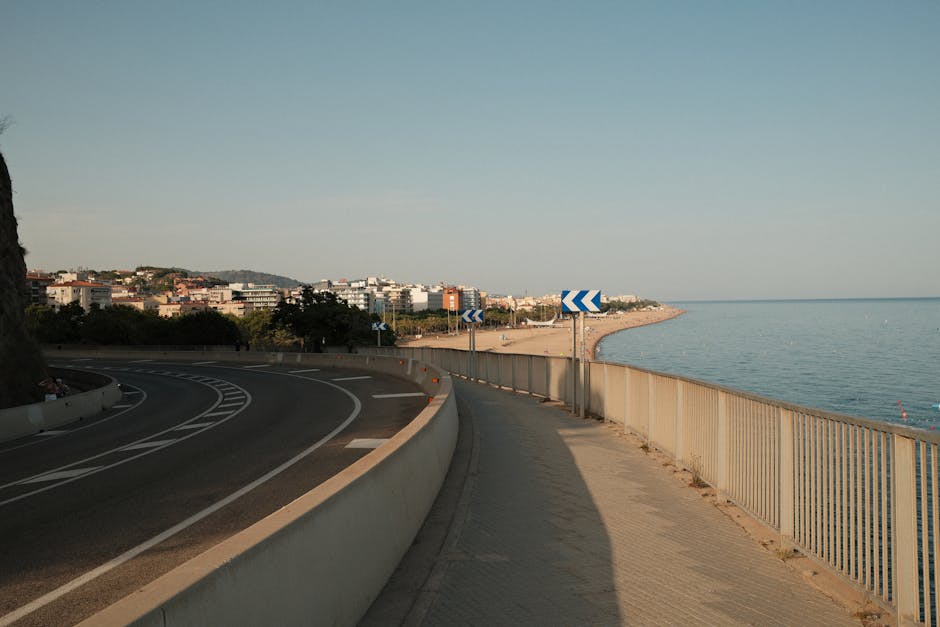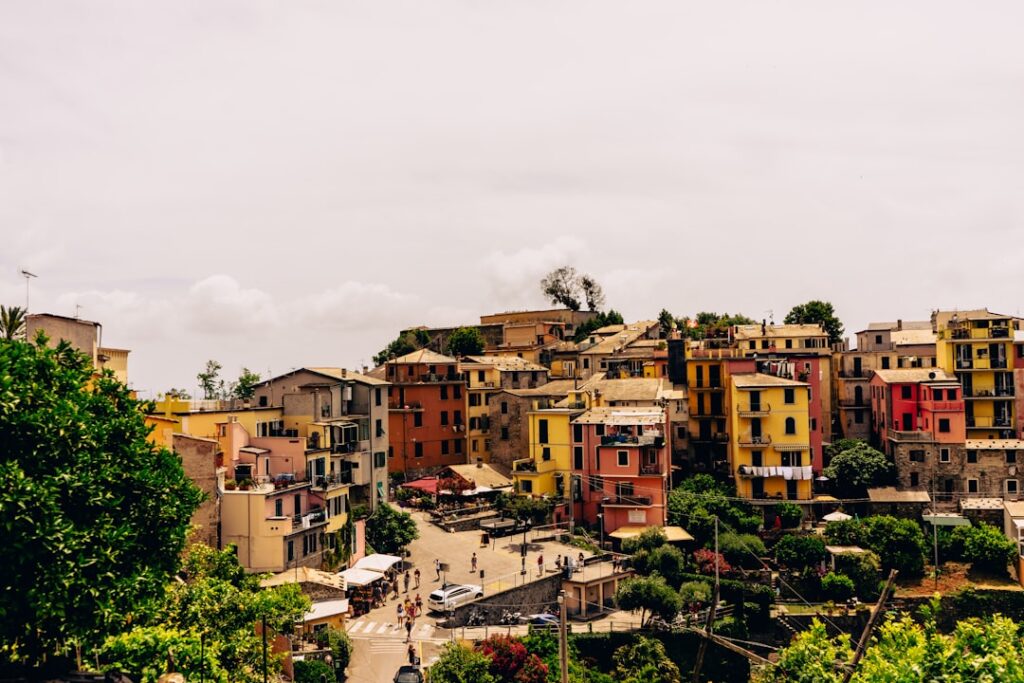






Introduction — A one-day road trip along the Tuscan coast
The Tuscan coast, famous for its dramatic chalk cliffs, umbrella pines, medieval villages and vineyards that seem to flirt with the sea, is tailor-made for a one-day road trip. In a single well-planned day you can sample a wide range of coastal scenery — from Livorno’s lively seafront to the peaceful coves of the Etruscan coastline, with cypress-lined avenues and wine estates along the way. This route won’t replace a deep dive into Tuscany, but it’s an intense taster full of views, flavors and cultural stops.
As a travel writer, I’ve put together a practical, immersive itinerary that starts in Livorno, heads down the coast through Castiglioncello, Rosignano Solvay and Vada, stops for lunch in San Vincenzo, then continues to the Bay of Baratti and Populonia before finishing with sunset over the hills of Bolgheri. The aim is to keep driving time efficient (roughly 150–200 km total depending on detours), mix seaside strolls, panoramic viewpoints and cultural discoveries, and still leave room for a proper Tuscan meal and a wine tasting or two.
This guide includes practical details: exact addresses, suggested time windows, entrance fees and local tips like parking, accessible beaches, recommended trails and dishes to try. I focus on well-known, easily reachable spots for a stress-free day trip. You’ll also find advice on the best time to leave (early, to avoid summer traffic), how to balance sightseeing and breaks, and alternatives in case of fickle weather. I’ve added visual cues as image markers to help you picture each stop and prep your camera: facades, sea panoramas, umbrella pines, white-sand beaches and Etruscan ruins by the water.
Bring a comfortable car, water, walking shoes for coastal paths, a swimsuit and towel in case of an impromptu swim. Respect local rules (protected coastal zones, parking regulations) and be aware some archaeological sites may require a reservation or ticket purchase on site. If you’re traveling in high season, reserve your lunch in advance and check museum and park opening hours to avoid surprises.
Below is a detailed, hour-by-hour route with the must-see sights along the Tuscan coast for a memorable day: seascapes, beaches, historic villages, Etruscan ruins and the wines that made the region famous.
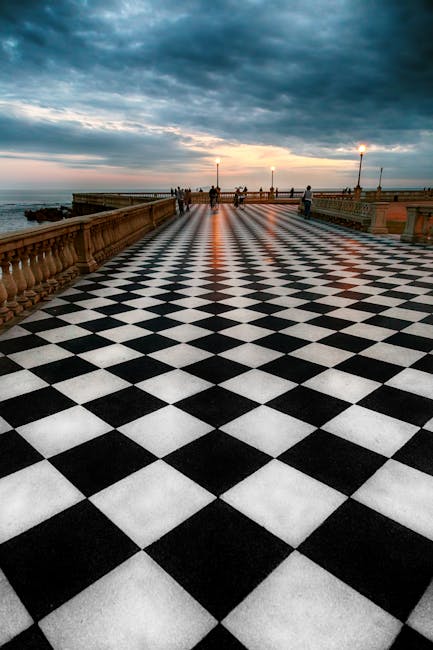
Stage 1 — Livorno: morning walk, viewpoints and an early start (Terrazza Mascagni, Fortezza Vecchia)
Kick off your day in Livorno, a working port city with broad boulevards and a lively character. An early start (7:00–8:00) lets you catch soft morning light over the sea and avoid the main tourist rush. Terrazza Mascagni is one of the city’s emblems and an ideal first stop. Terrazza Mascagni is on Piazza Mascagni, 57127 Livorno LI. It’s a public space with free access. The long terrace, paved with geometric patterns, offers panoramic views over the Gulf of the Poets — a perfect spot for a coffee while watching the sunrise and the boats on the horizon.
Just a short walk away, the Fortezza Vecchia (Via del Forte, 57123 Livorno LI) is a sea-facing fortress visible from the promenade. It’s usually open to the public for exterior visits and events; interior access depends on cultural programming. The outdoor area is accessible 24/7 and concerts or temporary exhibitions have specific schedules (check onsite notices). Use these first moments to photograph the ramparts, breathe in the salty air and plan the rest of your day.
Practical tips in Livorno: park at the Parcheggio Piazza Mascagni (Piazza Mascagni, 57127 Livorno LI) or the Parcheggio Autorimessa Comunale (Via del Fortino 1, 57123 Livorno); rates vary by season — roughly €1.50–2.50 / hour downtown. If you’re peckish, grab a local focaccia or a cornetto from a bakery by the sea. Before you hit the road toward Castiglioncello, top up your fuel — the next stretch can run through less populated areas where petrol stations are further apart.
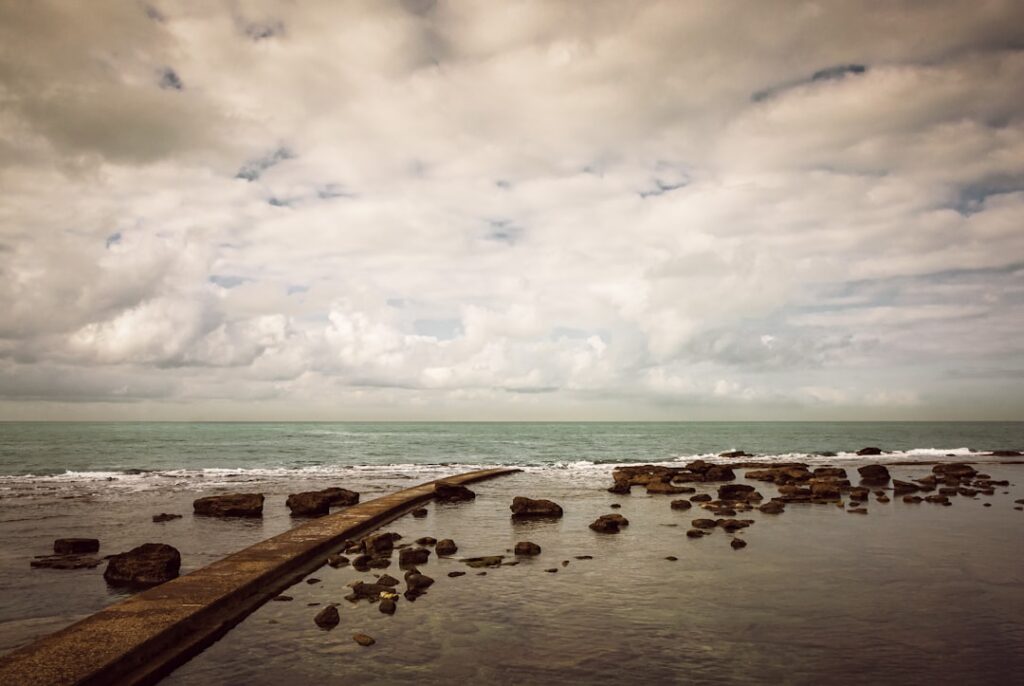
Stage 2 — Castiglioncello and the coves: little bays, pines and a quick lunch
About a 30-minute drive from Livorno (roughly 25–30 km depending on route) brings you to Castiglioncello, a small coastal resort loved for its rocky coves and refined vibe. The historic center clusters around Terranegra and Castello Pasquini. Castello Pasquini sits on Piazza Castello, 57016 Castiglioncello LI. The fortress isn’t always open as a museum, but its grounds and gardens make for a pleasant stroll. Rocky beaches and tiny inlets around the headland are connected by steps and paths that reveal lovely viewpoints.
For a quick beach stop try Spiaggia del Terreno (Via del Terreno, 57016 Castiglioncello LI): public access, rocks and small sandy pockets. If you’d rather sit down for lunch, try Trattoria il Covo (Via Roma 21, 57016 Castiglioncello LI) — fresh fish dishes and Tuscan antipasti; expect €20–35 per person for a full lunch. For a fast, budget-friendly bite, look for a rosticceria or a takeaway pizza on Via Nazario Sauro.
Short hikes: the coastal path from Castiglioncello toward Rosignano offers cliffside and cove views (wear closed shoes for stony sections). If you’re into photography, head up to the viewpoint on the promontory near Castello Pasquini to capture the coastline’s lines and Mediterranean vegetation. Central parking is often paid; use municipal lots marked at the village entrances (typical rates around €1–2 / hour).
Stage 3 — Rosignano Solvay and Vada: pale sands and unusual landscapes
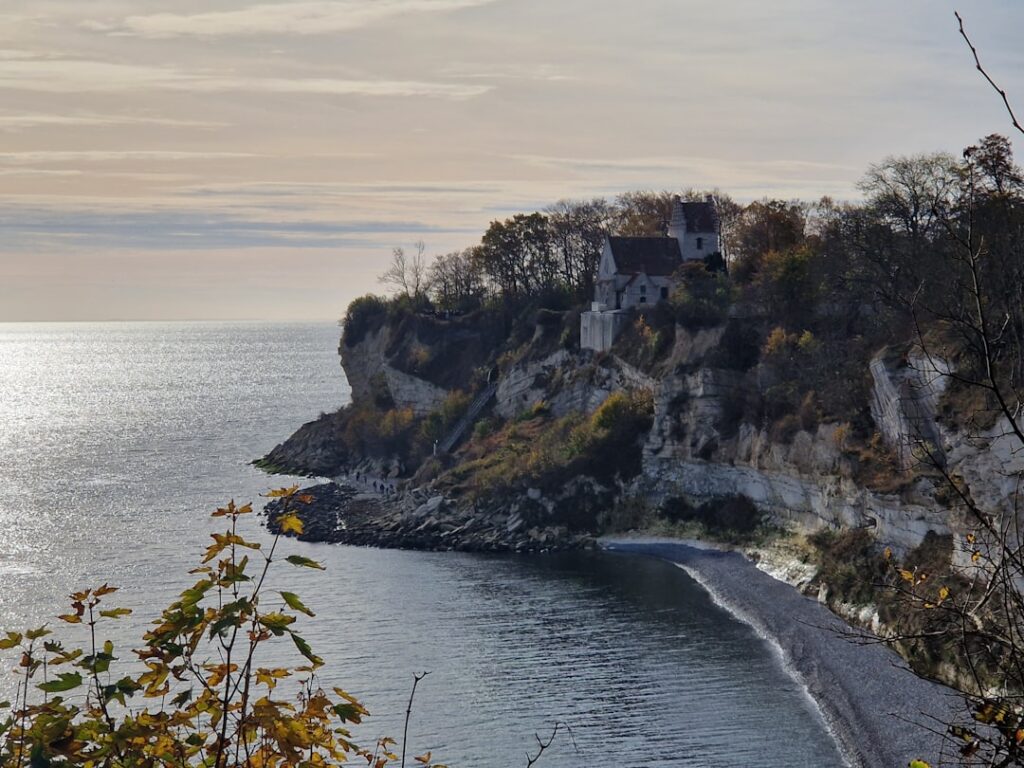
Continue south on the SS1 (Via Aurelia) toward Rosignano Solvay (about 15–20 minutes from Castiglioncello). The most famous stop is Spiaggia Bianca, or the “White Beach” (Spiaggia di Rosignano Solvay), roughly along Lungomare Marconi, 57016 Rosignano Solvay LI. This beach is known for its very light sand and clear waters; access is free but parking along the seafront is often paid in season (blue zones). The distinctive color comes from a mix of limestone and sediments — follow local environmental guidelines and avoid private industrial areas to the west.
A few kilometers further south, Vada offers the Spiaggia di Vada (Lungomare Colombo, 57016 Vada LI), a long stretch of fine sand perfect for a quick dip. The Vada harbor area and breakwaters are good vantage points to watch local fishing. For coffee or gelato, try the Caffè Lungomare near the port. Park in the Lungomare lot (often €1–3 / hour in summer) or the public parking on Via del Mare.
Practical tips: in high summer bring towels and a parasol — free beaches can get crowded. Don’t forget sunscreen and water. For an authentic quick stop, pick up a panino with prosciutto and pecorino and some fresh fruit from a local deli — ideal for a beach picnic. Note some stretches can have stronger waves; watch the swim flags and avoid swimming alone in unpatrolled areas.
Stage 4 — San Vincenzo: lunch and a stroll along the waterfront
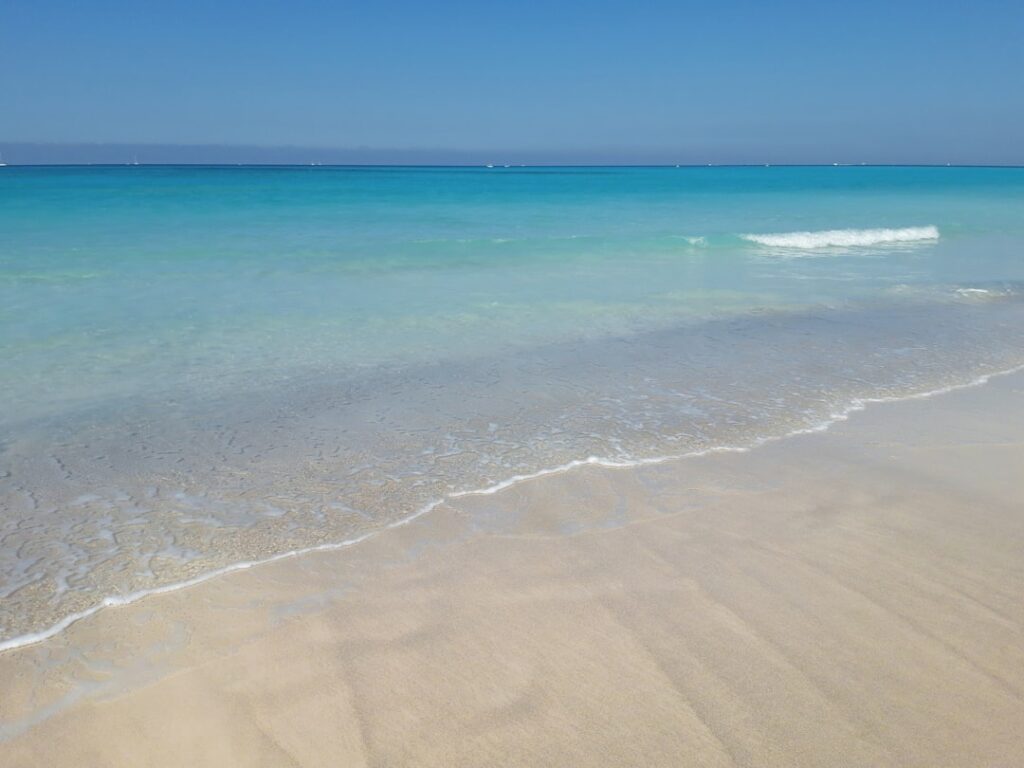
Drive further south to San Vincenzo (about 30–40 minutes from Vada). San Vincenzo is an excellent place for lunch and a relaxed stroll along a well-kept seafront. The town centers around Lungomare Marconi and Piazza Carducci (Lungomare Marconi, 57027 San Vincenzo LI). For a local meal, book a table at Trattoria La Lanterna (Via Dante Alighieri 12, 57027 San Vincenzo LI) or Ristorante Il Cisternino (Via della Libertà 2, 57027 San Vincenzo LI) — seafood menus, antipasti di mare, grilled fish; expect €25–45 per person for a full meal.
The San Vincenzo harbor (Molo di San Vincenzo, 57027 San Vincenzo LI) is a pleasant place to wander after lunch: fishing boats, small craft and kiosks line the quay. If you’re after a bit more activity, check boat tours departing for Elba Island (day trips approximately €40–60 depending on duration and operator) — note these usually require a booking and will eat into your day if you choose one.
Practical tips: public parking around the port and seafront is mainly paid in summer (€1.50–3 / hour). Public restrooms can be limited — use those in bars/restaurants after a purchase. Morning local markets sell fresh fish; if you plan to buy seafood for a picnic, arrive early (before 10:00) for the best selection.
Stage 5 — Baia di Baratti and Populonia: Etruscan history by the sea
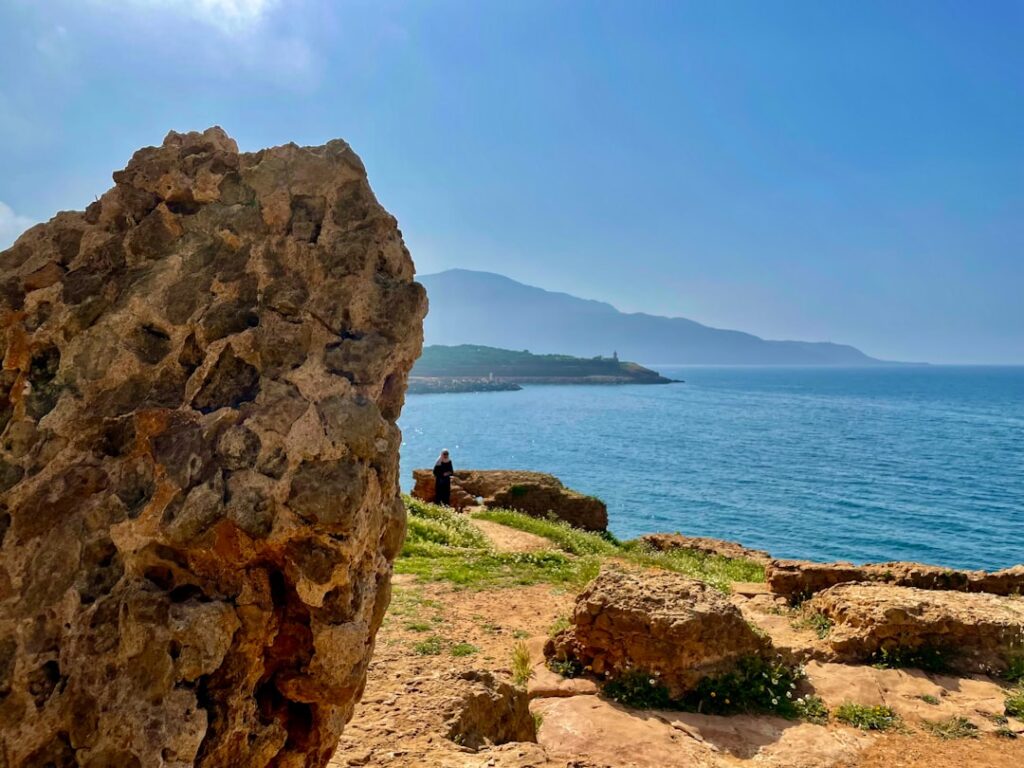
After lunch, head to the Bay of Baratti and Populonia — one of the cultural highlights of the Tuscan coast. From San Vincenzo expect about 40–50 minutes of driving (roughly 40–45 km). The main site is the Parco Archeologico di Baratti e Populonia, located in Loc. Baratti, 57025 Piombino LI. The archaeological park includes Etruscan necropolises overlooking the sea, scenic trails and the Museo Archeologico del Territorio di Populonia, where you can see artifacts and exhibits about the Etruscan civilization.
Hours and fees: the park and museum vary seasonally but are usually open from 9:00 to 19:00 in summer; combined entry for park + museum is roughly €8–12 per adult (reduced rates for students and seniors; children often free up to 18 under certain conditions). Check exact hours and whether you need to book on the official site before you go. The coastal path down to Baratti beach is well signposted; the walk to the shoreline rewards you with spectacular views of turquoise water and cliffs.
At Baratti itself, the Spiaggia di Baratti (Località Baratti, 57025 Piombino LI) is a small pebble-and-sand beach framed by wooded hills and archaeological sites. It’s a lovely spot for a digestive walk or dramatic photos, especially in the late afternoon when the light turns golden. Park at the archaeological park car park (usually paid: €2–5 depending on length of stay) and wear comfortable shoes for climbs between lookouts and the museum.
Practical tips: bring water and a hat — shade is limited on the archaeological trails. If you love archaeology, allow at least 1.5–2 hours for a full visit (museum + trails). Information panels are generally in Italian and English; if you prefer a guided tour, local guides offer private walks (around €80–120 per group for 1.5–2 hours). Respect restricted excavation areas to help preserve the site.
Stage 6 — Late afternoon in Bolgheri and sunset return
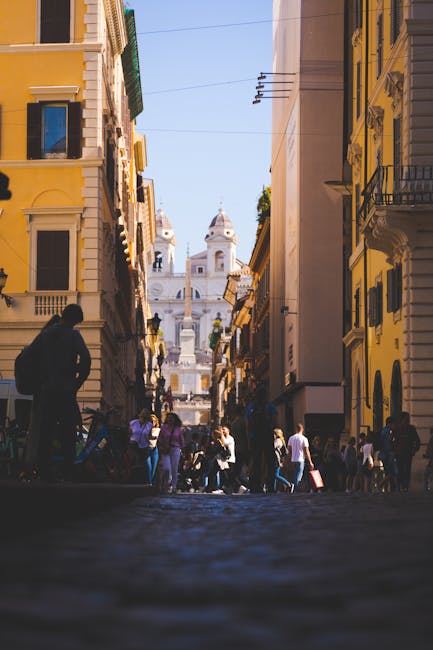
To wrap up the day, make your way up to Bolgheri, famed for its Viale dei Cipressi and prestigious wines. From Baratti/Populonia expect about 45–60 minutes of driving (around 45–60 km depending on route). The Viale dei Cipressi starts near the access road to Bolgheri, close to the locality of San Guido; a handy reference is Viale dei Cipressi, 57022 Bolgheri LI. This cypress avenue, immortalized in Tuscan landscapes, leads to the small medieval village of Bolgheri — compact but brimming with charm.
Stroll through the village and around Piazza don Antonio Gallenga (historic center of Bolgheri, 57022 Bolgheri LI): cobbled lanes, craft shops and wine tasting rooms. Many wineries (cantine) are located at the village entrance or along the access road; for example, Tenuta San Guido (Località San Guido, 57022 Bolgheri LI), maker of the famous Sassicaia, sometimes offers tours and tastings by appointment (tasting fees roughly €25–60 depending on selection). If you haven’t booked, you’ll often find a small enoteca in town offering a glass of Bolgheri DOC or a Super Tuscan for €6–12.
For sunset, pick a viewpoint along the Viale dei Cipressi or linger on a terrace in Bolgheri. Watching the sun sink behind rows of cypress and the rolling Tuscan hills is a memorable way to end the day. Allow about 1h15–1h30 to return to Livorno or your accommodation (more if you head south or catch a ferry from Piombino/Portoferraio). If you still have energy, finish with a light dinner at a local agriturismo or a coastal bistro.
Conclusion — Final tips and alternatives to make the most of your day
A one-day road trip along the Tuscan coast packs in unforgettable imagery: seaside walks, wandering village streets, uniquely hued beaches and Etruscan ruins overlooking the sea. To get the most from your day, leave early (7:00–8:00), stick to the schedule while staying open to spontaneous detours, and keep in mind the opening hours of cultural sites (museums, archaeological parks) and restaurants.
Key practical takeaways:
- Fuel and parking: top up in Livorno or another large town at the start of the day. Carry change for seaside parking and blue-zone meters (€1–3 / hour in summer).
- Timings: Terrazza Mascagni and public promenades are free to access; Parco Archeologico di Baratti e Populonia typically opens 9:00–19:00 in summer, entry ~€8–12; wineries like Tenuta San Guido require booking for tours, tastings €25–60.
- Meals: lunch in San Vincenzo (€25–45 / person) or a beach picnic (€10–15 / person). Pre-book during high season.
- Gear: walking shoes, swimsuit, towel, sunscreen, water, phone charger, camera.
- Safety and respect: follow signs at archaeological sites, don’t leave litter and be mindful of protected coastal areas.
Alternatives and extensions: if you have more time, extend the trip to Elba Island (ferry from Piombino) or spend a full day among Bolgheri’s vineyards. If the weather turns, swap beach time for museum visits (Livorno Civic Museum, Museo Archeologico di Populonia) and cellar tastings under cover.
Finally, tailor the route to your interests: lean into nature (coastal hikes and secluded coves), food (stops at trattorie and cantine to savor seafood, wines and oils) or culture (Etruscan digs and hilltop castles). Whatever version you choose, the Tuscan coast will give you a day full of contrasts and sensations — a memorable slice of sea and land.