





Introduction — Family Cooking: Workshops in Tuscany
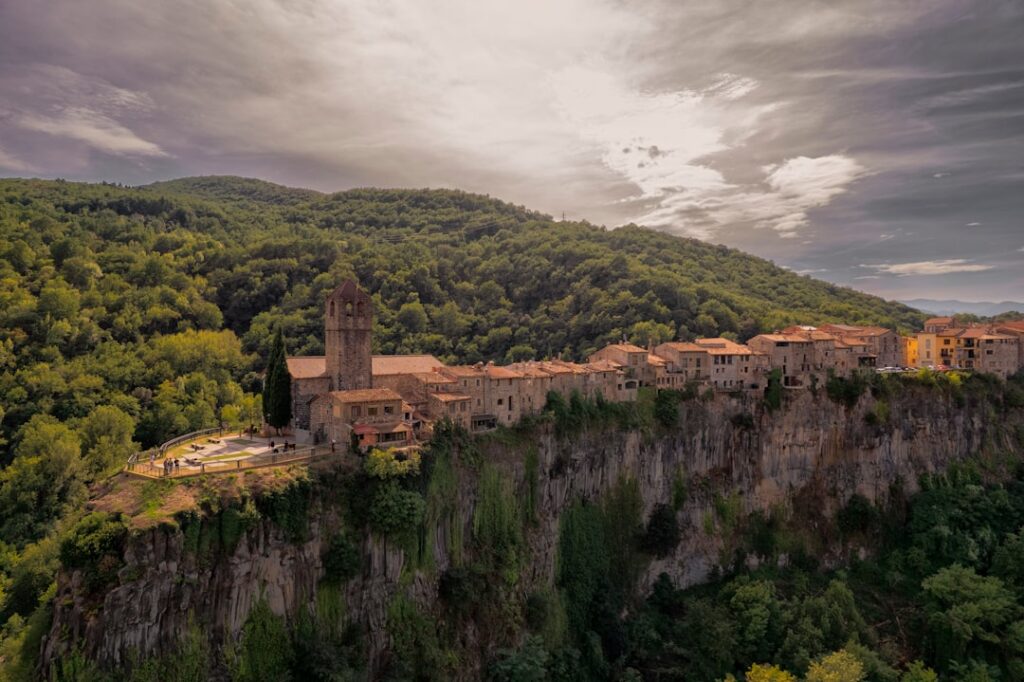
Tuscany — with its rolling hills, wind‑tilted cypresses, ancient vineyards and stone medieval villages — is a perfect playground for families keen to share an authentic culinary experience. Far from hurried tourist restaurants, Tuscany’s cooking workshops offer a slow, convivial immersion into traditions passed down through generations. These sessions aren’t just classes: they’re rituals where kids and grownups knead dough together, flip through recipes, hear the story behind a dish, then sit down to enjoy the results under a pergola with a view of the countryside.
Joining a family cooking workshop in Tuscany means treating cooking as a collective, sensory activity. Children discover unfamiliar textures and aromas, get hands‑on (literally), and gain confidence when their homemade focaccia comes out golden and crisp. Parents rediscover the simple pleasure of cooking slowly, swapping techniques learned from a nonno or nonna, and sharing moments when screens are set aside. Workshops are often held in emblematic settings: a rustic agriturismo kitchen in Chianti, a cooking school tucked into the narrow streets of Florence’s historic center, or a chef’s home in Siena overlooking the Piazza del Campo.
This article walks you through several family‑friendly workshops across Tuscany, giving practical info — full addresses, typical opening hours, and price ranges in euros — plus tips to prepare: what to bring, recommended ages for kids, how to handle dietary needs, and ways to continue the culinary adventure at home after your trip. You’ll also find suggested food‑focused itineraries paired with must‑see local sights like Florence’s Duomo or the San Lorenzo central market, so you can turn a day of cooking into a full Tuscan mini‑adventure.
We’ll also describe the vibe and teaching styles of different workshops — some are structured and educational, others festive and informal, and some take place outdoors under olive trees. For each type we’ll give price pointers, usual durations (often a 3–5 hour half‑day), and options for larger families or those wanting a private class with a child‑friendly menu. Whether you’re a foodie family or simply curious about sharing creative Italian‑style cooking time together, this guide will help you pick and plan the right workshop for your stay in Tuscany.
Workshop 1: Florence — Market Tour, Pasta and Gelato for the Whole Family
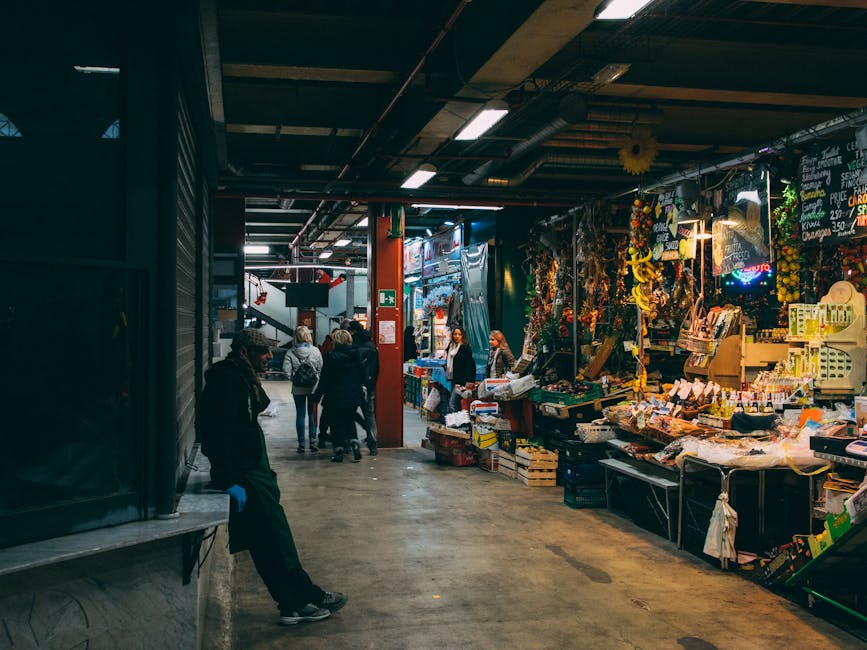
Florence is an ideal starting point for a family workshop: lively, accessible and full of flavor. One popular format begins with a guided visit to the Mercato Centrale, a covered market stocked with local cheeses, Tuscan cold cuts, olive oils and seasonal produce. A typical itinerary starts at the Mercato Centrale (Piazza del Mercato Centrale, 50123 Firenze), where a local chef welcomes you and presents the products. The market is open Monday to Sunday, 8:00–24:00 (stall hours vary, usually 8:00–20:00). A 45–60 minute guided tour commonly costs between €10 and €20 per person as an add‑on to the workshop.
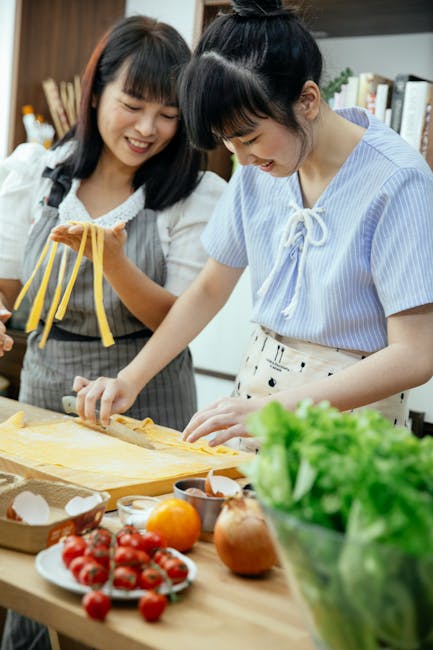
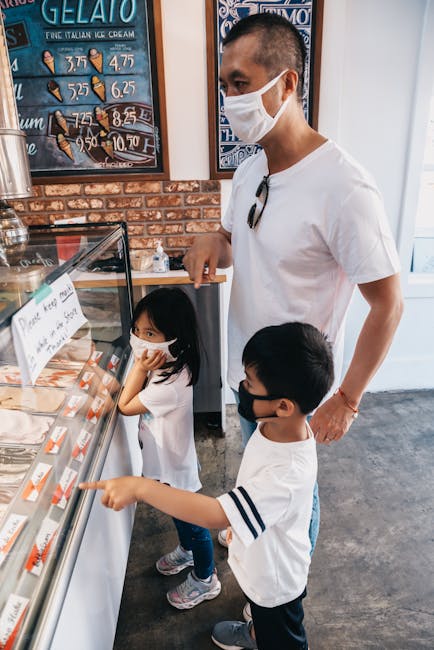
After choosing ingredients, the workshop continues in a nearby cooking space, for example at « Cooking in Florence – Scuola di Cucina » (sample address: Via de’ Macci 119r, 50122 Firenze — please check the specific venue). A typical family session lasts about 3 hours: making fresh pasta (tagliatelle or pappardelle), preparing a Tuscan ragù or a simple tomato‑and‑basil sauce, then finishing with a child‑favorite dessert: homemade gelato or cantucci dipped in vin santo (for the adults). Indicative price: €65–€95 per adult, €35–€55 per child (under 12), often reduced for children under 6. Private family classes can range from €200–€350 depending on duration and group size.
Hours: most family workshops in Florence start in the morning (9:30–13:00) or afternoon (15:00–18:30). Morning sessions are recommended with young children to avoid late‑day fatigue. Most schools provide aprons, utensils and ingredients; bring closed‑toe shoes, a water bottle and, if needed, wipes and a change of clothes for little ones.
Local practical tips: book in advance, especially in high season (May–September). Mention any allergies or intolerances when booking — most Tuscan chefs are happy to adapt recipes (egg‑free pasta, vegetarian alternatives). Don’t hesitate to ask for a kid‑friendly menu: no spicy ingredients, smaller portions and a tactile activity (kneading) for the youngest. Finally, pair the workshop with a stroll around Piazza del Duomo (Piazza del Duomo, 50122 Firenze) to admire Giotto’s Campanile and the cathedral of Santa Maria del Fiore after your meal. Access to the piazza is free; climbing the Duomo or the bell tower is ticketed and often requires booking to avoid queues.
Workshop 2: Chianti — Pizza, Olive Oil and Family Harvests
The Chianti region, at the heart of Tuscany, is famed for its wines, olive groves and postcard landscapes. It’s also a dream setting for a family workshop that mixes cooking with agricultural discovery. Many agriturismi and farmsteads offer « hands‑in‑the‑dirt » experiences: picking produce, visiting the oil mill, preparing a traditional dish and sharing a communal dinner. A representative example is Agriturismo Podere La Piazza (sample address: Via Chiantigiana 120, 50022 Panzano in Chianti, Greve in Chianti — check the specific venue). These farms are typically open 9:00–18:00, with workshops scheduled in the morning or late afternoon.
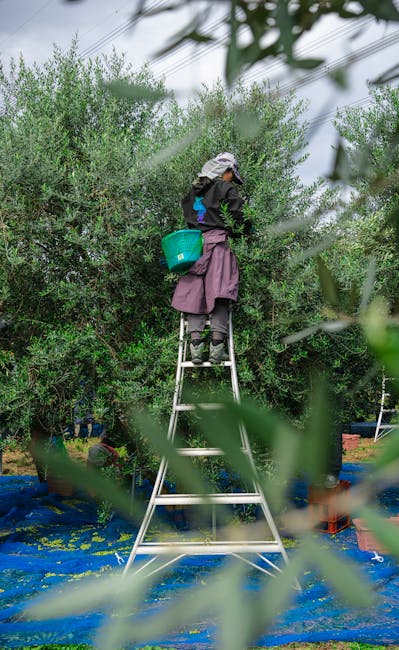
A typical Chianti family workshop often begins with a walk through the vineyards or olive groves, where a local agronomist explains the vine and olive cycles. Kids love learning how olives are pressed and the difference between extra virgin and second‑press oils. Afterward everyone gathers in a rustic kitchen or under a pergola to make wood‑fired pizzas or focaccia using the farm’s flour and oil. Usual duration: 3–4 hours. Indicative price: €60–€90 per adult, €30–€50 per child. Many agriturismi offer a family package that includes the class plus wine tasting (tasting for adults only, usually an extra €10–€20).
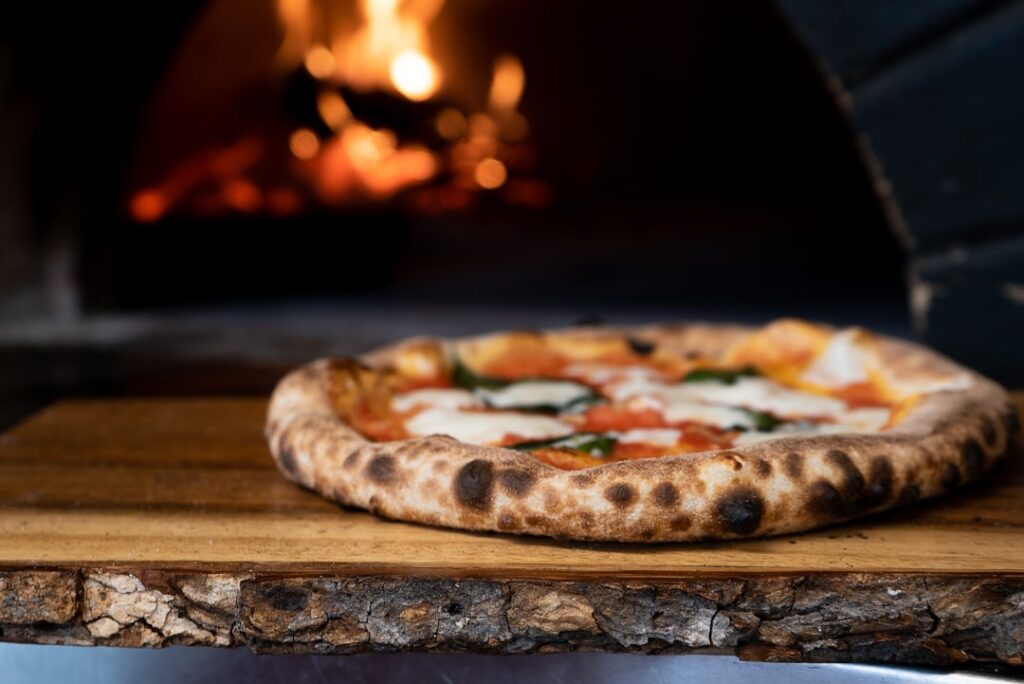
Location and hours: agriturismi are usually in rural areas best reached by car. A useful reference point for planning travel is Piazza Matteotti 1, 50022 Greve in Chianti (central town). Workshops often run 10:00–13:00 or 17:00–20:00, especially during harvest season (October–November) when special « family grape harvest » workshops are offered (prices vary, often €40–€70 per child + €70–€120 per adult).
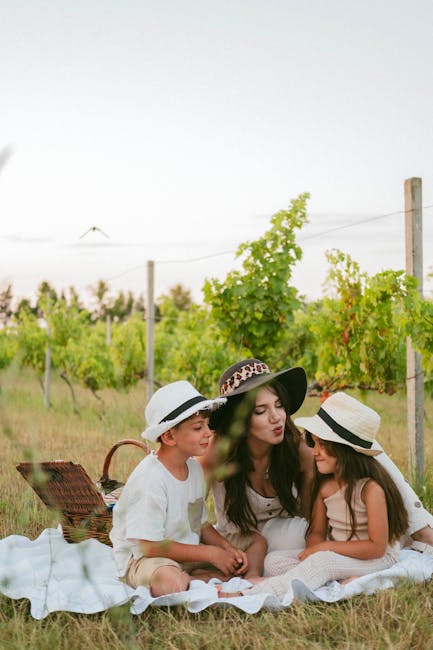
Local practical tips: bring comfortable, possibly dirty clothes (dust/soil), sun hats and insect repellent in summer. If you don’t have a car, check whether the agriturismo offers shuttle service — many provide transfers from nearby stations like Florence Santa Maria Novella (Piazza della Stazione, 50123 Firenze) or Poggibonsi. If you want an edible souvenir, ask whether you can buy the farm’s extra virgin olive oil, usually sold in 0.5 L or 1 L bottles for about €12–€25.
Workshop 3: Siena and Val d’Orcia — Cheese, Pici and Country Cooking
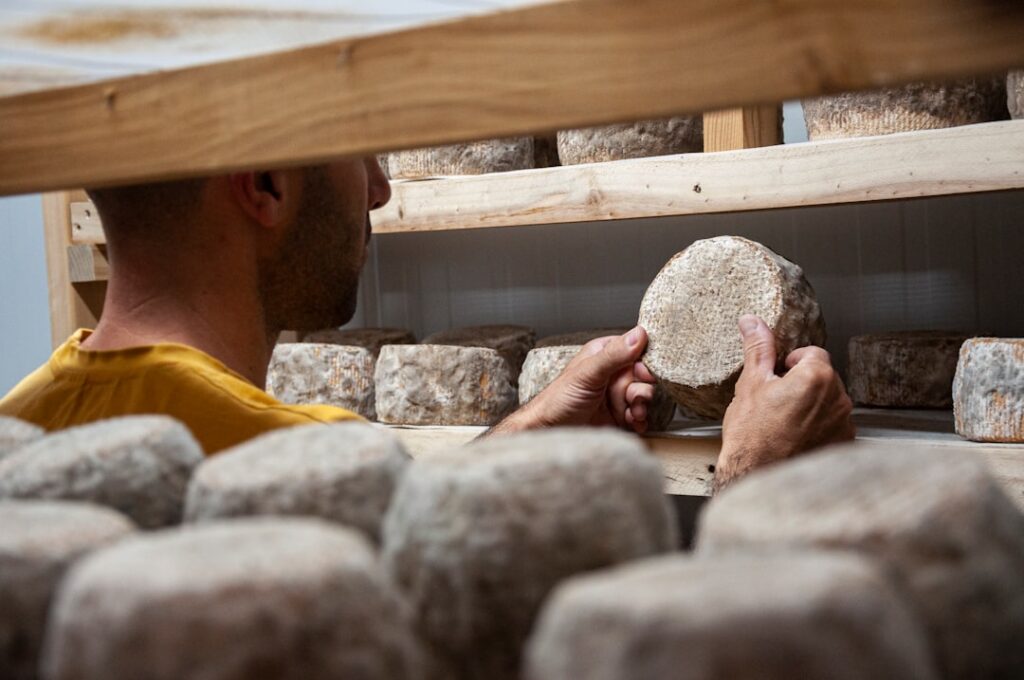
Siena and the Val d’Orcia valley represent Tuscany’s most rural side, where peasant cooking remains rooted in ancestral gestures. Family workshops here focus on simple, generous preparations: pici (thick hand‑rolled pasta), legume soups, fresh cheeses and rustic desserts like torta della nonna. A typical workshop takes place in a kitchen lab or at a local producer’s home. Example reference address: Piazza del Campo, 1, 53100 Siena SI (Piazza del Campo is Siena’s heart; workshops are often 5–20 minutes’ walk away in nearby cooking schools or agriturismi).
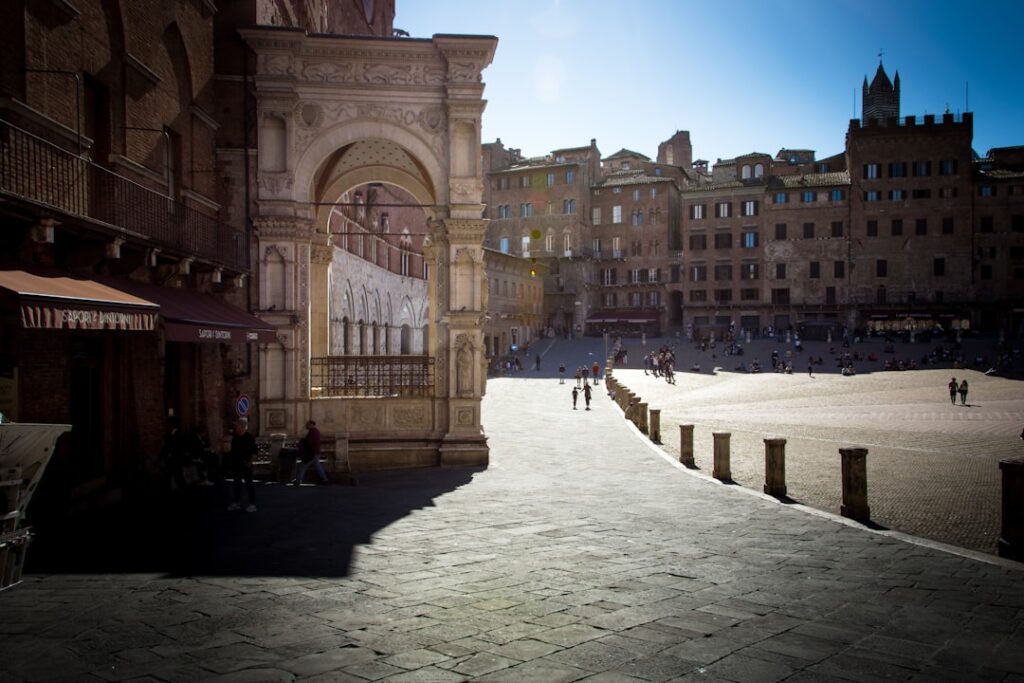
Prices and hours: expect 3–4 hour workshops, usually in the morning (10:00–13:30) or late afternoon (16:00–19:30). Indicative price: €55–€85 per adult, €30–€50 per child. Families wanting a deeper dive can choose a combined session: Siena market tour (Mercato di S. Lorenzo or local markets, hours vary but often mornings) plus a cheese‑making workshop (around €80–€120 per person for a specialized session).
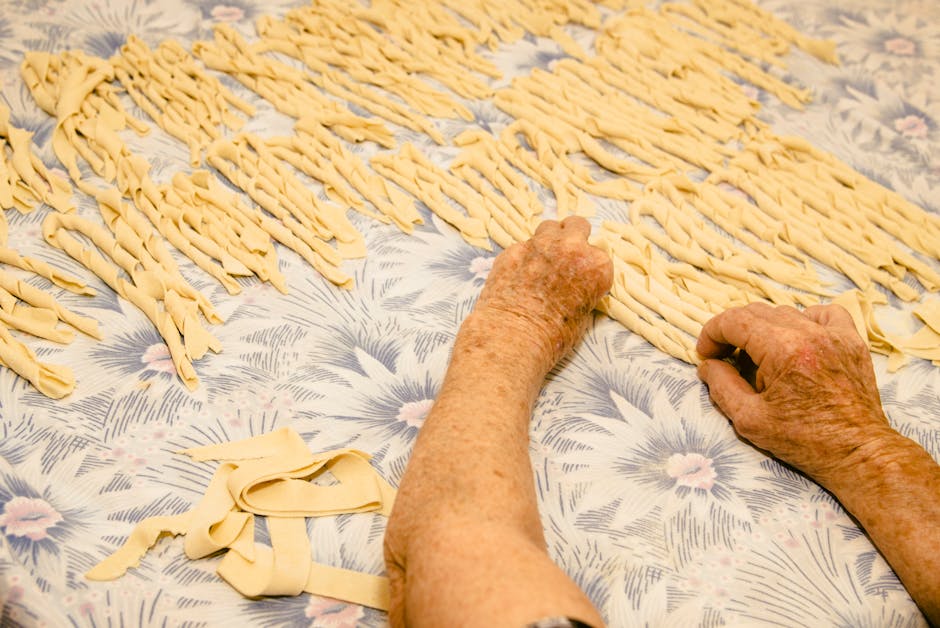
One of the most memorable activities for kids is making pici: the dough is rolled from a ball of flour and water, then stretched with the palms into long ropes. It’s playful and promotes teamwork. Some workshops also include truffle‑hunting lessons (for older kids and usually with trained dogs), a thrilling activity that combines nature and gastronomy. Truffle workshops are seasonal and can cost €60–€150 per person depending on length and whether a tasting is included.
Local practical tips: Siena’s medieval streets are cobbled — bring all‑terrain strollers if you have very young children. If you plan to visit after the workshop, Siena Cathedral (Duomo di Siena, Piazza Giovanni Duprè, 53100 Siena SI) is worth a stop; hours vary by season (generally 10:30–19:00, check ahead). For overnight stays, choose a farmhouse in Val d’Orcia to enjoy a Tuscan sunset after a shared family meal.
Workshop 4: Maremma Coast and the Tuscan Islands — Fisherman and Seafood Cooking
Tuscany isn’t just hills: its coast and islands offer a different culinary world focused on fresh fish and seaside recipes. For families who love the sea, there are workshops that combine a boat trip with traditional fishing and a cooking class, especially around Castiglione della Pescaia (typical meeting point: Lungomare Andrea Doria, 58043 Castiglione della Pescaia GR) and the Island of Elba (Portoferraio, 57037 LI). These experiences often include a morning at sea with line fishing or dredging, followed by a workshop to prepare fish and shellfish back on the quay.
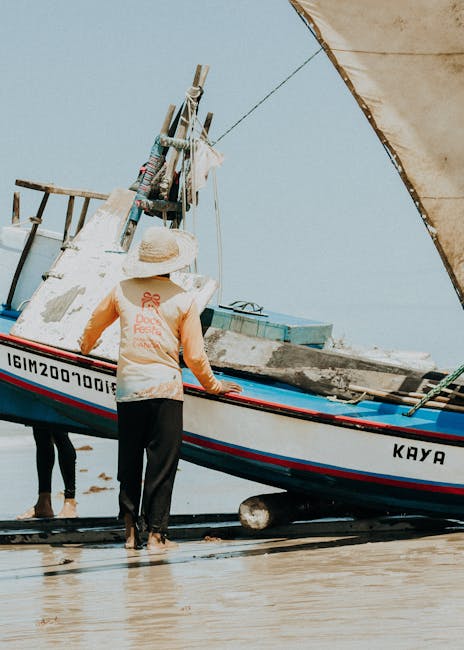
Type of workshop and prices: a typical family « fishing and cooking » workshop starts early (around 7:30–8:00) to make the most of the catch. The boat trip lasts 2–3 hours, followed by 1.5–2 hours of shore‑side cooking. All‑inclusive prices usually range €90–€160 per adult and €50–€80 per child. Private sessions run by local fishers can cost more but deliver a highly authentic, kid‑friendly experience.
Hours and practicalities: the peak season for these workshops runs April–October; off season the sea can be unpredictable and some fishers don’t operate daily. Meeting points are usually small ports (Porto Ercole, Via del Porto 1, 58018 Porto Ercole GR; Portoferraio, Viale Italia 1, 57037 Portoferraio LI) — confirm exact address and time with the organizer. Wear suitable clothing (layers, windbreaker) and non‑slip shoes. Children must always wear life jackets on board; organizers typically provide the necessary safety gear.
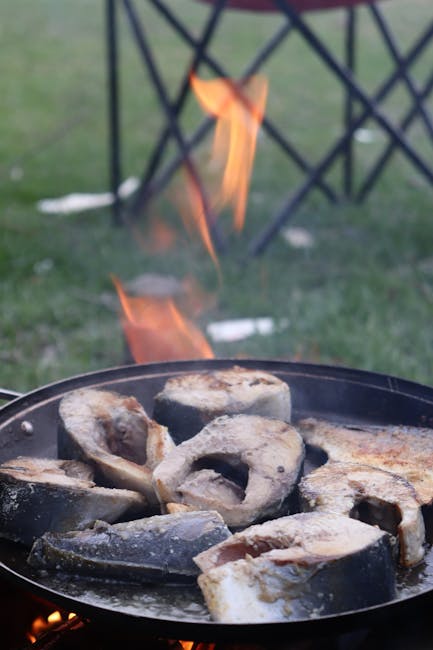
Local practical tips: if some children don’t eat fish, tell the organizer in advance — many provide alternatives like simple pasta, grilled vegetables or pizzas. Use the outing to visit local sights after the workshop: the Medicean Fortress of Portoferraio (Via per Portoferraio, 57037) or the Monte Argentario nature reserve for a family walk. Consider buying fish nets or flavored salts prepared by the fisher as a tasty souvenir.
Practical Tips and Logistics for Family Workshops in Tuscany
Booking, getting there, what to bring: plan workshops ahead of time, especially in summer. Tuscan cooking schools and agriturismi fill up fast for morning and late‑afternoon slots. To book, use official cooking school sites or local tourist offices (for example, the Ufficio Turistico di Firenze for Florence). If you’re without a car, favor workshops in Florence, Siena or well‑connected towns; for countryside workshops, renting a car is often the best option. Exact addresses and meeting points are usually provided when your booking is confirmed.
Equipment and safety: most workshops supply aprons, utensils and teaching materials. For kids bring a change of clothes, wipes, a hat and a water bottle. If anyone in the family has allergies (nuts, eggs, gluten, lactose), report it when booking: Tuscan chefs often adapt menus. For safety, keep children supervised near stoves and ovens; family workshops typically include specific measures (separate zones, age‑appropriate tasks).
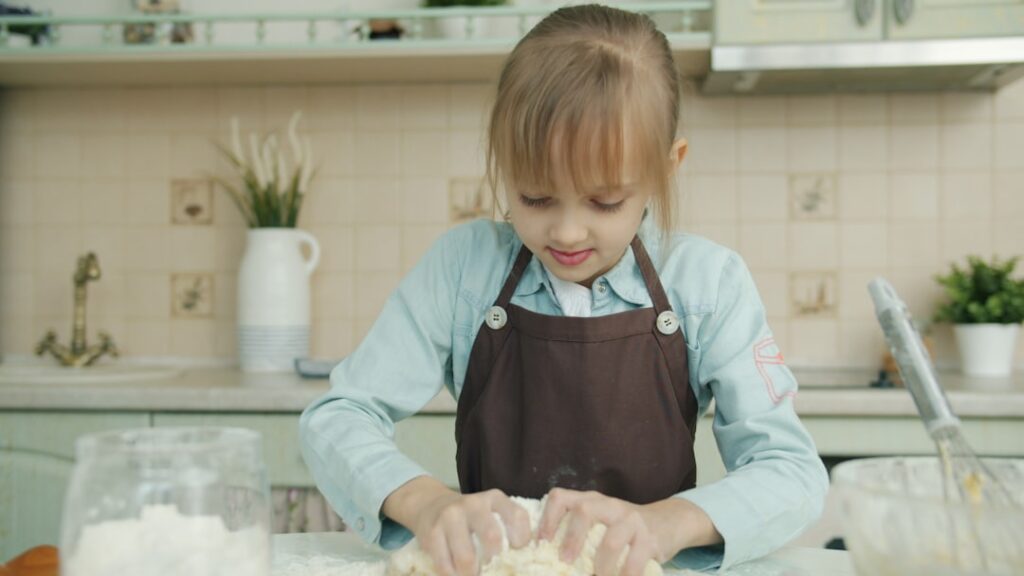
Duration and pace: a family workshop usually lasts 2.5–4 hours. Very young kids (under 6) can tire quickly; look for workshops that break activities into blocks (kneading, play break, tasting) or plan for an afternoon nap. Teens may enjoy more technical classes (fresh pasta making, vegetable prep, sauce techniques) while little ones delight in playful tasks and tastings.
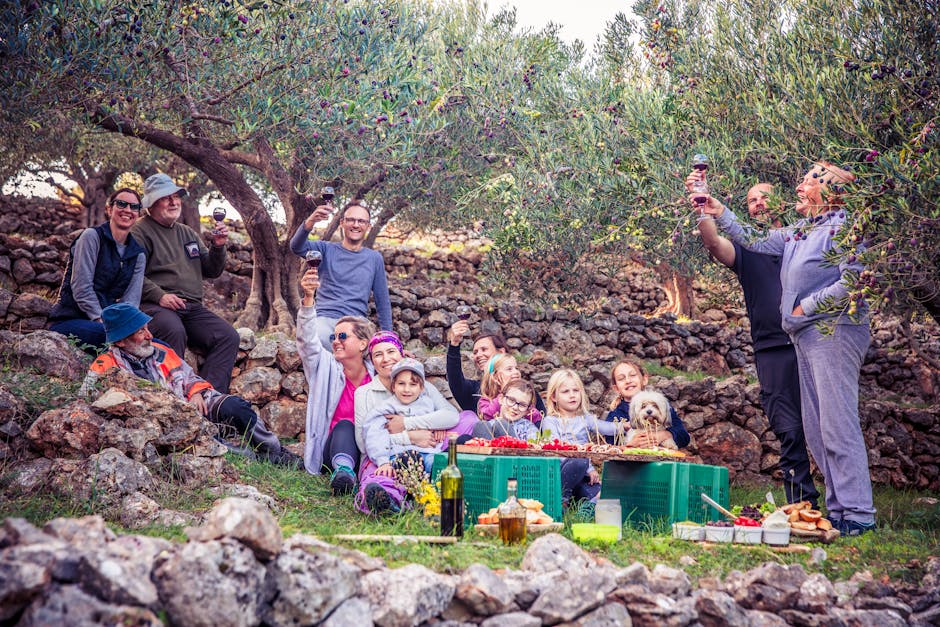
Budget: expect on average €50–€120 per adult and €30–€60 per child per workshop, depending on duration, chef reputation and included extras (market tour, vineyard visit). Private family workshops can range €180–€450 depending on number of participants and services (private class, market tour, wine tasting). Always ask whether drinks, wine (for adults) and printed recipes to take home are included.
Conclusion — Shared Cooking, Lasting Memories
Cooking together in Tuscany is more than a pastime: it’s a way to weave lasting memories, pass on gestures, share flavors and create intergenerational moments. Whether you’re rolling pici on a Sienese farm, firing a wood‑oven pizza in Chianti, catching and cooking your own fish on the coast, or learning to make gelato in Florence, each workshop offers a window into local culture and a chance to learn together. These experiences suit many family types: young parents looking for an educational activity, grandparents eager to pass down recipes, or teenagers curious about a more technical culinary introduction.
For a great experience, preparation matters: book early, especially in high season, inform organizers of allergies and dietary preferences, and match the workshop to your children’s ages and rhythms. Consider pairing the workshop with a local visit — a market, cathedral or countryside walk — to extend the day. The practical details mentioned here (typical hours, meeting addresses, price ranges and clothing tips) will help you plan, but always confirm directly with the chosen school or agriturismo, as schedules and rates can change with the season.
Finally, bring home more than recipes and photos — bring back habits: a homemade dough for Sunday, a bottle of locally bought olive oil, or a gentle way to introduce new flavors to children. Tuscany doesn’t just give you dishes; it offers a method to cook together, with respect for ingredients, simplicity and conviviality. These workshops invite you to slow down, savor and reconnect around the family table. Buon viaggio e buon appetito!