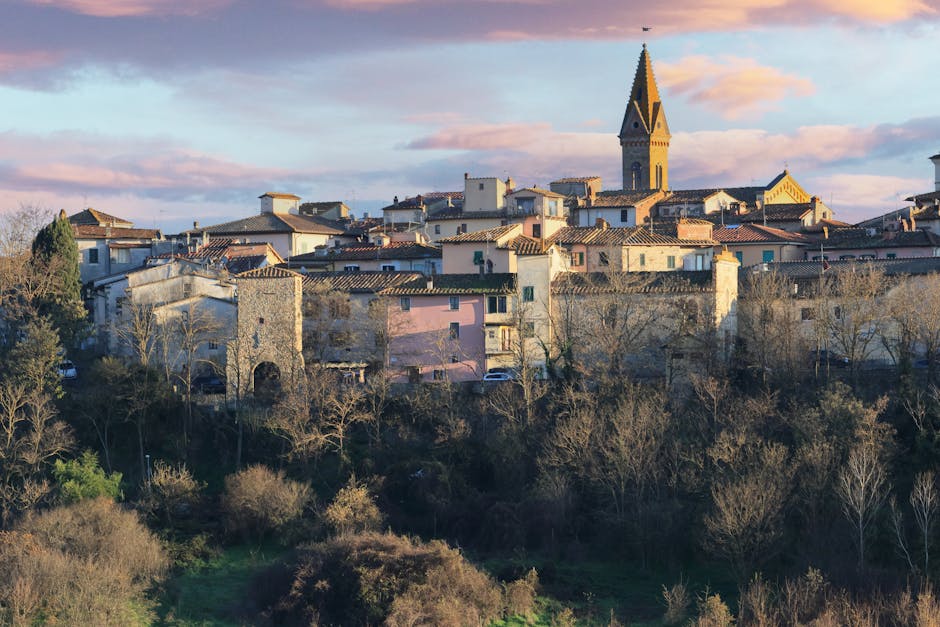






Introduction — Hidden Medieval Villages Near Siena
Tuscany is a patchwork of golden hills, slender cypress trees and terracotta roofs; around Siena, these landscapes hide an almost magical concentration of medieval villages. While the Piazza del Campo and the Duomo draw most visitors, there’s a string of lesser-known hamlets spared from mass tourism where the stones whisper centuries of history, the alleys still echo with memories of medieval fairs, and you can sometimes smell wood smoke from chimneys. This guide invites you to dive into these small treasures, all just a short drive from Siena, for anyone who’d rather swap the crowds for authenticity.
The villages featured here aren’t just postcard-perfect backdrops: they are living places with parish churches, tiny squares, watchtowers, artisan workshops and family-run trattorie whose menus change with the seasons. They offer a chance to understand rural Tuscany — grape harvest calendars, neighborhood religious processions, local Sunday markets. Step off the beaten track and you’ll find panoramas that seem frozen in time and monuments whose brief signage leaves room for imagination and personal discovery.
In this guide I describe several medieval villages around Siena in detail: how to get there, which streets to favour, the must-see monuments (with exact addresses), opening hours and indicative entrance fees, plus local practical tips — from the best terrace for your morning caffè to the craft shop where you can buy a hand-painted ceramic. Expect immersive descriptions: bells pealing at noon, sun-warmed stone, century-old wooden doors sometimes studded with forged nails. The suggested itineraries work for half-day trips as well as longer stays, and can be adapted to your mood and the season.
Before you set out, keep a few practical notes in mind: most of these villages are reached via winding secondary roads — a compact car is ideal; many shops close between 13:00 and 16:00 for the pausa, especially off-season; and booking a table for dinner on weekends is recommended, since the best trattorie have a limited number of covers. Now, let’s discover these medieval treasures around Siena, far from the usual tourist routes.
Monteriggioni — Intact Ramparts and Piazza Roma
Just 15 km northwest of Siena sits Monteriggioni, a fortified village whose circular wall and fourteen towers retain a striking medieval silhouette. The landmark is the fortress itself, often called the Mura di Monteriggioni, which surrounds the entire village. Address: Piazza Roma, 1, 53035 Monteriggioni SI, Italy. Walking the outer wall is free, but access to the inner courtyard and some towers can require a ticket during special events (indicative price: €4–6). Access times for the walkways vary by season; generally the wall is open daily from 08:30 to 19:00 from April to October, and from 09:00 to 17:00 from November to March — however, check the information boards at the village entrance for exact hours.
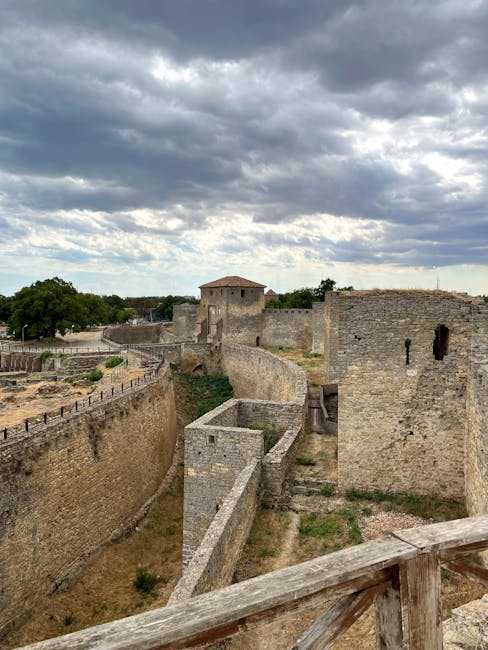
Piazza Roma, small but picturesque, is lined with cafés and craft shops. Don’t miss the church of Santa Maria Assunta, located at Piazza Garibaldi, 53035 Monteriggioni SI, usually open from 09:00 to 12:30 and 16:00 to 19:00 (free entry, donations suggested). For an immersive visit, climb one of the towers if it’s open to the public to savour views over the Val d’Elsa and the Sienese countryside. Monteriggioni is especially photogenic at sunset, when the limestone takes on intense golden hues.
Practical tips: park in the official lot near the main entrance, Piazzale della Fortezza, 53035 Monteriggioni SI (paid parking, roughly €1.50–2 per hour). Avoid the SP 127 during peak hours in high season; aim to arrive early in the morning to enjoy the village almost empty. Trattorie like La Taverna di Monteriggioni (Via Roma, 18) serve traditional Tuscan dishes: expect to pay around €12–18 for a main course. If you visit in July–August, check for medieval events and historical reenactments — Monteriggioni Medievale is an annual festival that turns the village into a living historical stage (tickets and schedules vary by edition).
Monticchiello — A Village Theatre and Artistic Retreat
Perched above the Val d’Orcia, Monticchiello is a tiny, well-preserved village famed for its open-air community theatre and its almost monastic atmosphere. Central address: Piazza Umberto I, 53026 Monticchiello (frazione di Pienza) SI, Italy. The village’s medieval layout remains intact, with narrow lanes, stone houses and a central square that doubles as the stage for the Teatro Povero di Monticchiello, a popular theatre founded after World War II. If you visit during the theatre season (typically July–August), check performance schedules in advance — tickets range from €10 to €25 depending on the production, and reservations are recommended via the Teatro Povero’s official page or the Pienza tourist office.
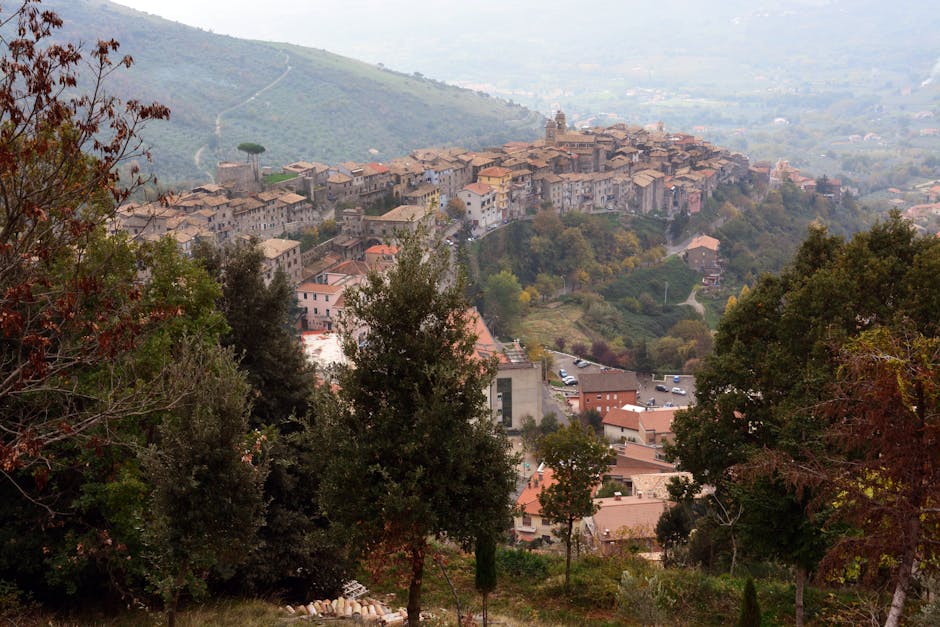
In Monticchiello, stroll around the ramparts and head down to the small parish church of Sant’Agostino on Via della Cornaggia (free entry; opening times vary with parish services). The main street opens onto sweeping views toward Pienza and the Tuscan countryside; sunrises and sunsets here are especially dramatic. Local artists often display their work in tiny galleries or studios — a perfect chance to take home a watercolor or a handmade ceramic.
Practical tips: the road from Pienza is winding and sometimes narrow; park in the public lot at the village entrance (Piazza Umberto I parking area, free but limited). Wear sturdy shoes — cobbles and steps can be slippery in the rain. Local cafés like Bar La Cantina (Piazza Umberto I) serve excellent cappuccini and homemade cakes at reasonable prices (coffee €1.20–1.80, pastries €2–4). If you plan to dine in high season, reserve ahead; many trattorie don’t serve after 22:00.
San Gusmè — Medieval Walls and Vineyards
San Gusmè, in the municipality of Castelnuovo Berardenga, is a medieval village nestled among Chianti vineyards. Address: Piazza San Gusmè, 53019 San Gusmè (Castelnuovo Berardenga) SI, Italy. Less crowded than other wine country spots, San Gusmè provides an authentic dive into Tuscan rural life: stone towers, carved doors and endless views over rows of vines. The village still retains its fortifications and the main gate, Porta Fiorentina, makes a great starting point to explore the walls and the Casa del Popolo, often used for temporary exhibitions.
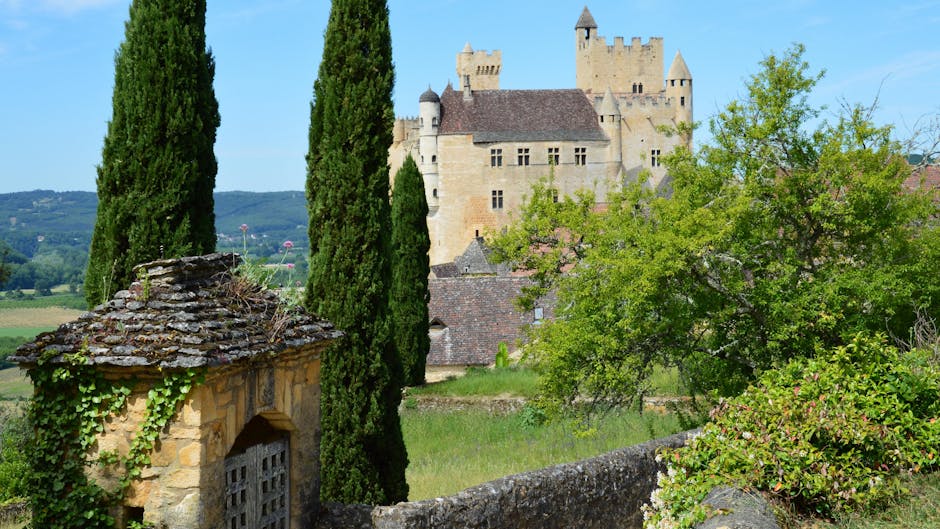
The parish church, Chiesa di San Bartolomeo, is at Via Roma, 2, 53019 San Gusmè SI; it’s open for Sunday Mass and sometimes to visitors in the afternoons (free entry). Nearby, several agriturismi and wineries, such as Podere Lecciole e Caggio (addresses and hours vary; tastings by reservation), offer tours and Chianti Classico tastings: budget €10–25 per person for a standard tasting, and €20–50 for a more extensive tasting paired with food.
Practical tips: San Gusmè is perfect for a short vineyard hike; follow the marked trails from the Piazza. The village is reachable by car via the SP 102, with a small parking area at the entrance (free but tight). For lunch, Trattoria da Guido (Via Roma, 10) is a local favourite for simple, generous cooking: mains €10–16. Local grocery shops sell olive oil and wine direct from producers; check baggage restrictions if you’re flying home with several bottles.
Buonconvento — Crafts and Religious Heritage
Buonconvento sits south of Siena on the Via Francigena and is a perfect stop if you’re following the old pilgrimage route. Main address: Piazza Matteotti, 8, 53022 Buonconvento SI, Italy. The village preserves a remarkable medieval centre and several points of interest: the Collegiata di San Giovanni Battista (Piazza della Collegiata, 53022 Buonconvento SI) housing works by local masters; and the Museo d’Arte Sacra e Popolare (Via Roma, 6 — hours vary, entrance €3–7 depending on the exhibition) which tells the religious and rural story of the area.
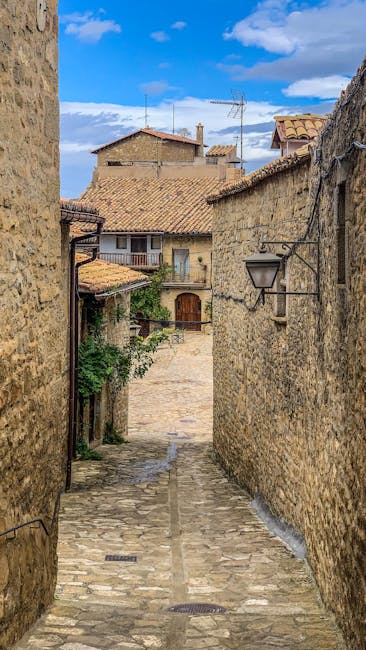
Wander along Via della Misericordia and Via Roma to discover artisan workshops, galleries and small antique shops. The Museo della Mezzadria, at Via del Paradiso 3 (dedicated to peasant culture), offers a lively insight into rural traditions — entrance fees are usually around €3–5, and it’s open Tuesday to Sunday 10:00–13:00 and 15:00–18:00 (closed Monday; hours may change off-season).
Practical tips: Buonconvento has a tourist office at Piazza Matteotti 1 — handy for maps and local event schedules. The village is served by regional trains (stazione di Buonconvento, Via Stazione) from Siena, making it an easy car-free day trip: travel time is about 30–40 minutes, fares vary (roughly €3–6). For a typical lunch, try Osteria del Moro (Piazza Garibaldi, 4): mains €12–20, with regional wines available by the carafe or bottle.
Castelmuzio (Trequanda) — Quiet Stone and Wide Views
Castelmuzio is a frazione of Trequanda, often overlooked despite its strategic position with breathtaking views over the Crete Senesi. Village heart address: Piazza della Chiesa, 53020 Castelmuzio (Trequanda) SI, Italy. This spot is ideal for anyone seeking solitude and contemplation: cobbled lanes, thick walls and peaceful little squares. The church of San Biagio on the main street is open to visitors and sometimes hosts sacred music concerts in summer (free entry, donations welcome).
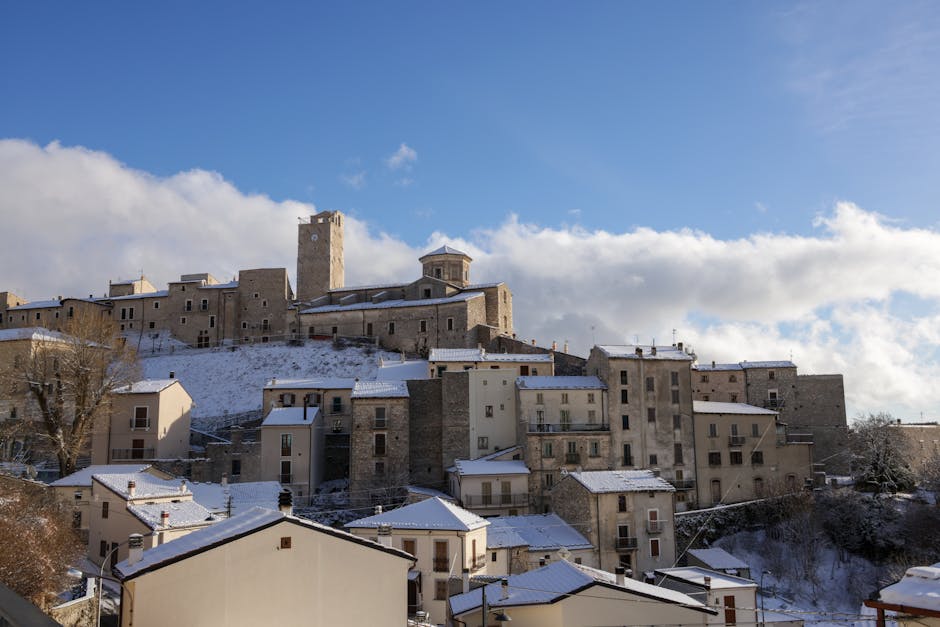
The village is surrounded by trails that cross the clay hills typical of the Crete Senesi — perfect for sunrise hikes. Several agriturismi nearby offer accommodation and home-cooked meals, often based on local produce: expect a dinner with tasting to cost around €25–40 per person, depending on the menu and wine. Castelmuzio is also a good starting point for gravel-bike outings on the white roads: rentals in Trequanda or nearby can provide bikes and suggested routes.
Practical tips: roadside parking at the edge of the village is limited; try to arrive outside peak tourist hours. Many businesses close in winter for maintenance — call ahead if you’re visiting in the low season. The best times to visit are spring and autumn, when the light grazes the land and temperatures are mild. For a local souvenir, look for handmade olive oil soaps or homemade jams sold at the village market (prices €4–8).
Conclusion — Slow Travel to Rediscover Tuscany
Exploring these lesser-known medieval villages around Siena means embracing a slower pace, wandering without a fixed itinerary and paying attention to details: an iron knocker, a Latin inscription on a facade, the hue of a carved lintel. Monteriggioni, Monticchiello, San Gusmè, Buonconvento and Castelmuzio each offer a different experience — from dramatic ramparts to small street theatres, tranquil vineyards to museums of rural life — yet all share the authenticity that makes Tuscany so endearing.
Summary practical tips: bring a compact car for secondary roads, check local tourist offices to confirm opening hours (especially off-season), and keep some euros in cash for small purchases at grocery shops and artisan stalls. Respect the villages’ rhythm: the afternoon pausa is sacred to many residents, and many shops close between 13:00 and 16:00. Book tastings and restaurants in high season to avoid disappointment. Above all, explore on foot — the lanes tell more stories than any guidebook, and the views are best savoured slowly.
These villages are a wonderful alternative for anyone who already knows Siena’s main sites or wants to see Tuscany from a more intimate angle. They offer close-up experiences of history, nature and local gastronomy: a human-scale Tuscany where every turn can reveal an unexpected detail. Whether you’re after grassroots artistic expression, sunrise photo ops, or just a family table to taste peasant cooking, you’ll find in these hamlets the promise of a memorable, peaceful journey.