





Introduction — A cultural road trip through Tuscany’s medieval villages
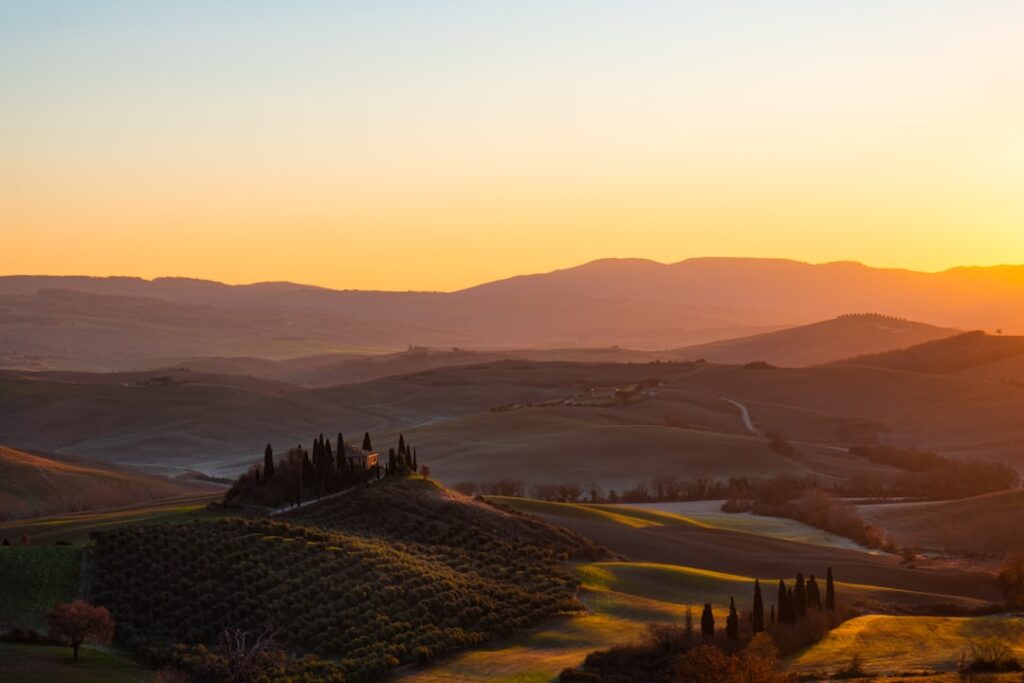
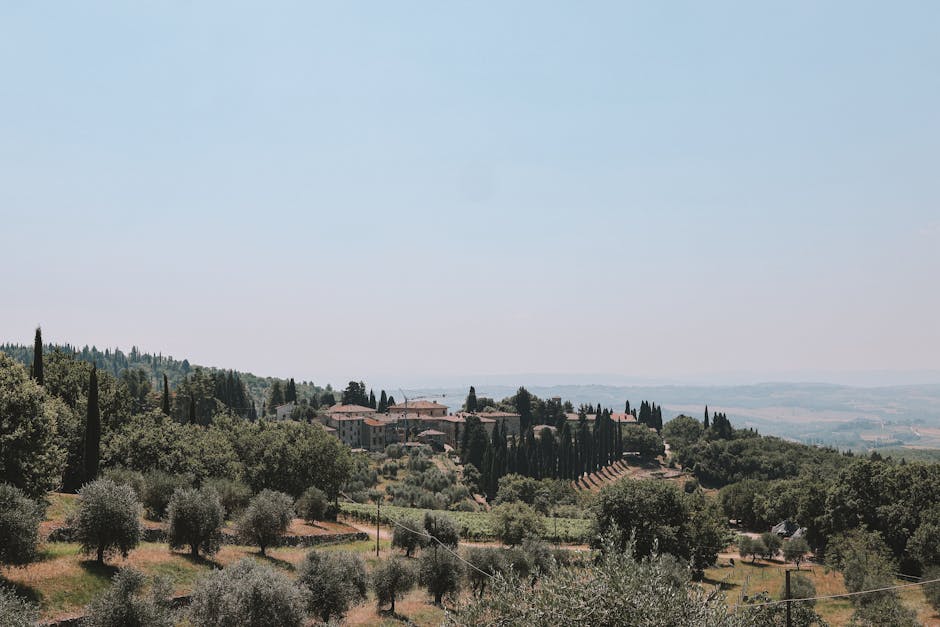
Tuscany is one of those regions where history unfolds in the open air: rolling hills, cypress trees punctuating the skyline, vineyards and olive groves, and above all the medieval villages — the famed borghi — that hold centuries of heritage, architecture and traditions. A cultural itinerary through Tuscany’s medieval borghi isn’t just a series of selfies in front of towers or old gates: it’s a deep dive into craftsmanship, food, spirituality and everyday life that shaped rural Italy. This detailed guide walks you step by step, with exact addresses, opening hours, prices and local tips to make the most of every stop without unpleasant surprises.
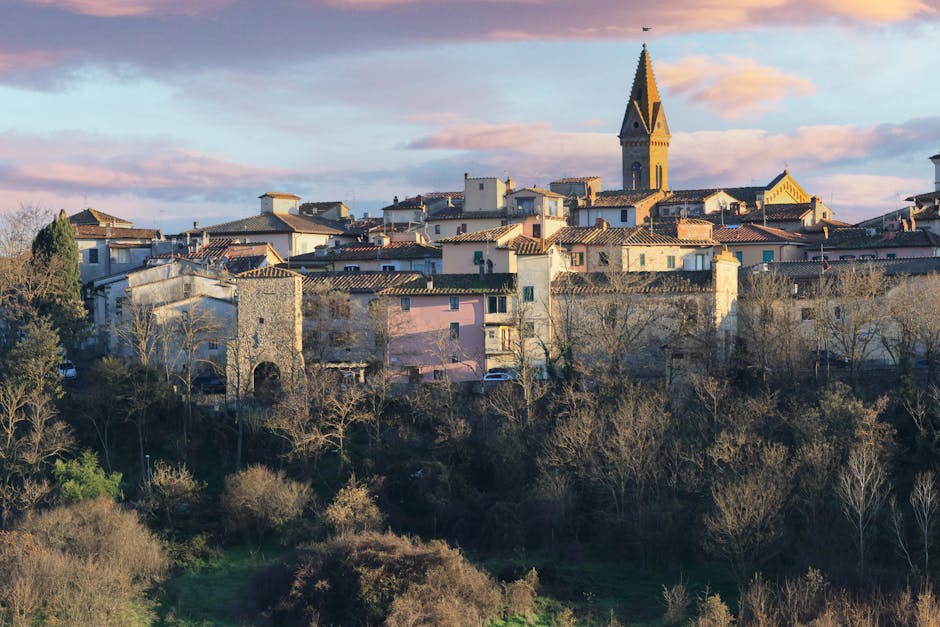
The Tuscan borghi we recommend come from an era when stone and community formed the backbone of civilization: San Gimignano with its towering brick spires, Volterra and its alabaster workshops, Monteriggioni with its perfectly circular walls, the Renaissance dream of Pienza, Montalcino and its Brunello vintages, and Cortona with layers of Etruscan and medieval history. Each village offers visitors recognizable monuments, accessible museums, small lesser-known churches and viewpoints that beg for slow contemplation. This article provides not only what to see (with exact names, addresses and opening times), but also how to get there, when to go to avoid crowds, and how to taste Tuscany through its markets, workshops and local producers.
Traveling the medieval borghi of Tuscany also means dealing with practical realities: limited opening hours off-season, variable pricing when you combine several museums, and local quirks like weekly closing days (many museums close on Mondays). This guide will help you plan a flexible 5–7 day itinerary, pinpoint the main sites (for booking or walk-in visits), anticipate costs and enjoy local advice on the best times to experience Tuscany gently — spring and autumn offer pleasant temperatures and gorgeous late-afternoon light. Pack comfortable walking shoes, a hat and a curious mind: medieval Tuscany awaits in all its raw and refined beauty.
San Gimignano and Volterra — Towers, alabaster and Tuscan panoramas
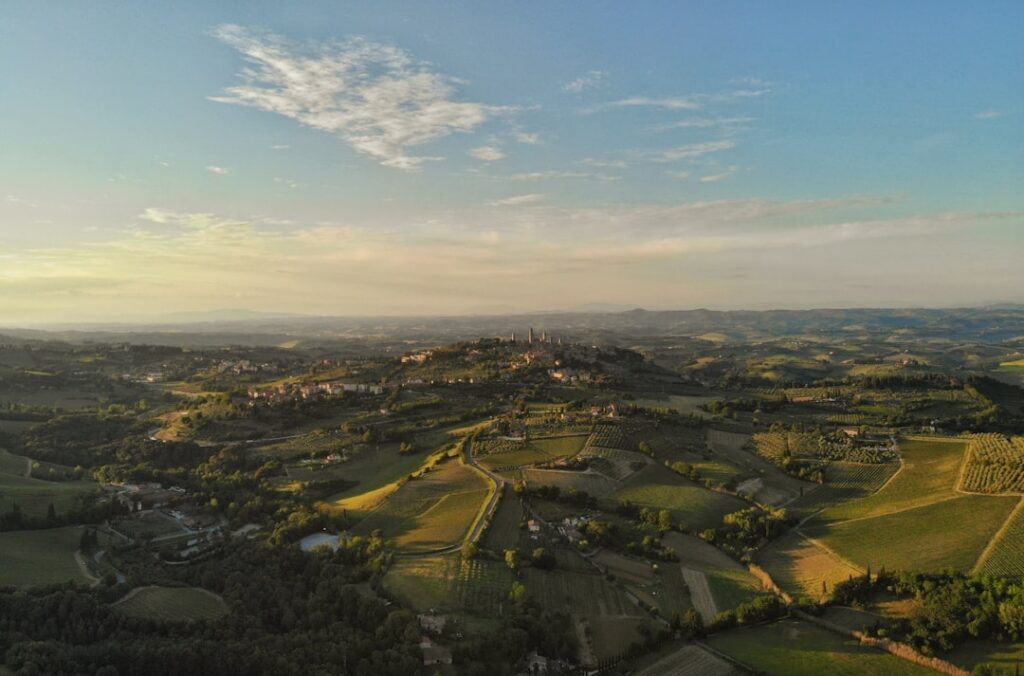
San Gimignano is often the perfect starting point for a first encounter with the medieval borghi. Its historic center is dominated by several medieval towers, including the Torre Grossa, which offers a 360° view. To visit: Torre Grossa, Piazza del Duomo 1, 53037 San Gimignano SI. Typical opening hours (tourist season): 10:00–19:00 (last ascent 18:30). Price: around €9.00 for combined access to the Museo Civico and Torre Grossa. The Museo Civico (Palazzo Comunale) sits on the same square — note that it may be closed the first Monday of the month depending on the season. Tip: climb Torre Grossa during the golden hour (late afternoon) for spectacular photos, and avoid midday when tour buses arrive.
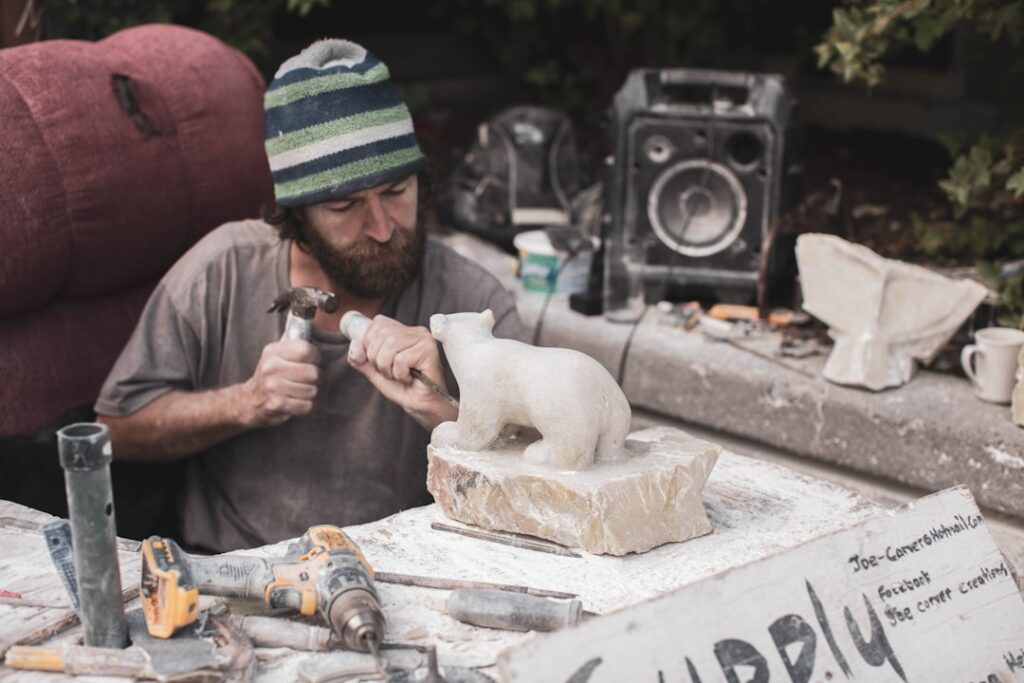
A few kilometers away, Volterra shows a different, starker side of Tuscany: more mineral, with a long Etruscan past. The Museo Etrusco Guarnacci (Via Don Minzoni 15, 56048 Volterra PI) is a must to understand the historical continuity — typical hours: 8:30–19:00 (subject to change), price: around €6.00 for full admission. In Volterra, don’t miss the Fortezza Medicea (Piazza A. Sarti, 56048 Volterra PI) — access to the outdoor park is free, but entry to some rooms and exhibitions may require a ticket (€3.00–€5.00). For local craftsmanship, visit an alabaster workshop: Alabaster Art Atelier (Via Gramsci 2, 56048 Volterra PI) usually opens 9:30–13:00 and 15:00–18:00, free to watch, but plan €40–€200 for a handcrafted alabaster piece depending on size and complexity.
Practical tips for these two borghi: park in the official car parks at the entrances (e.g. Parcheggio F.lli Giannini, Via Giardino 10, San Gimignano; Parcheggio Piazza Martiri della Libertà, Volterra) to avoid fines for driving in ZTL (limited traffic zones). In high season, arrive early at San Gimignano for a morning stroll through the alleys before the buses arrive. For lunch, look for small local osterie: Trattoria Chiribiri (Via San Matteo 37, San Gimignano) serves Tuscan dishes with main courses around €12–€18. In Volterra, enjoying a cantuccini with a local wine in a historic café is a ritual not to be missed. Also check combined tickets: some municipalities offer a pass for multiple museums that can be more economical if you plan to visit several paid sites.
Monteriggioni, Pienza and Montalcino — Walls, Renaissance charm and Brunello
Monteriggioni is a perfectly circular fortified village perched on a hill, admired by Dante and loved by photographers. The Castello di Monteriggioni and its walls surround Piazza Roma 1, 53035 Monteriggioni SI. Exterior access to the walls is usually free; public access to the towers and the small museum varies: typical hours 9:30–18:30 (high season), with wall walk tickets around €4.00–€6.00. Monteriggioni is ideal for a short stroll and a coffee on the main square. Tip: combine the visit with a stop at the Museo della Rocca if it’s open and enjoy the paths around the ramparts for a peaceful walk.
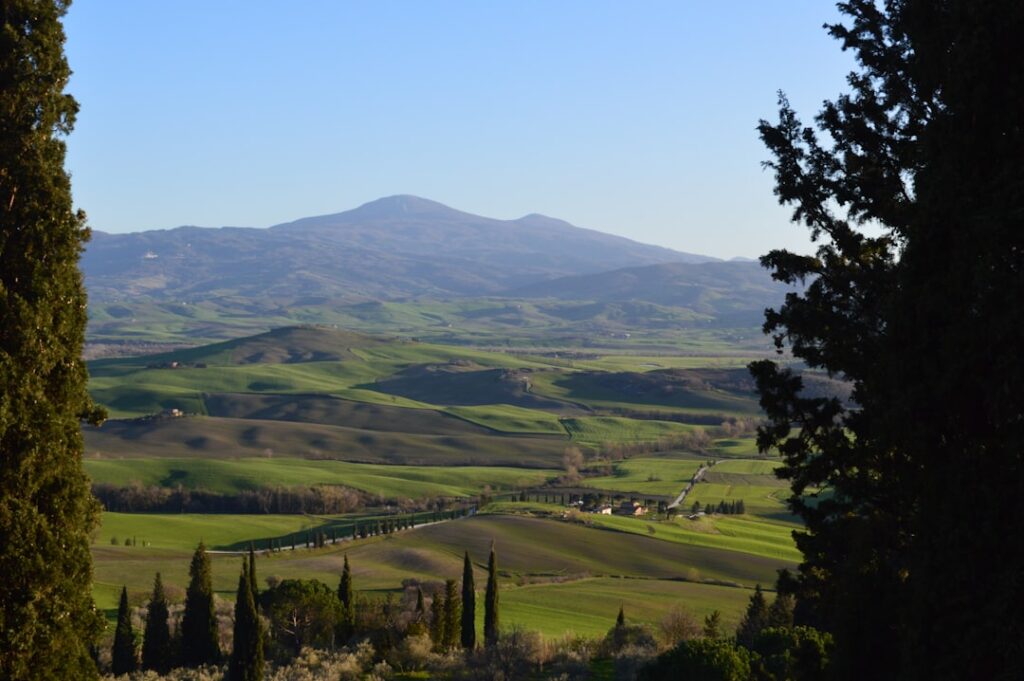
Pienza, a UNESCO World Heritage Site, represents the essence of the Renaissance urban dream commissioned by Pope Pius II. The heart of Pienza is Piazza Pio II where the Cattedrale dell’Assunta (Cattedrale di Santa Maria Assunta) stands, Piazza Pio II, 53026 Pienza SI. Hours: generally 9:00–19:00 (may vary with the season and religious services), entrance to the cathedral is free but some chapels or exhibitions may request a small donation or a ticket (€2.00–€5.00). Recommended museum: Museo Diocesano di Pienza (Via di Castello 17, 53026 Pienza SI) — hours 10:00–17:30, price about €3.50–€5.00. Pienza is famous for its pecorino cheese: visit a local cheesemonger like La Buca del Gusto (Via dell’Amore 2, Pienza) for tastings (free samples or guided tastings €5.00–€10.00).
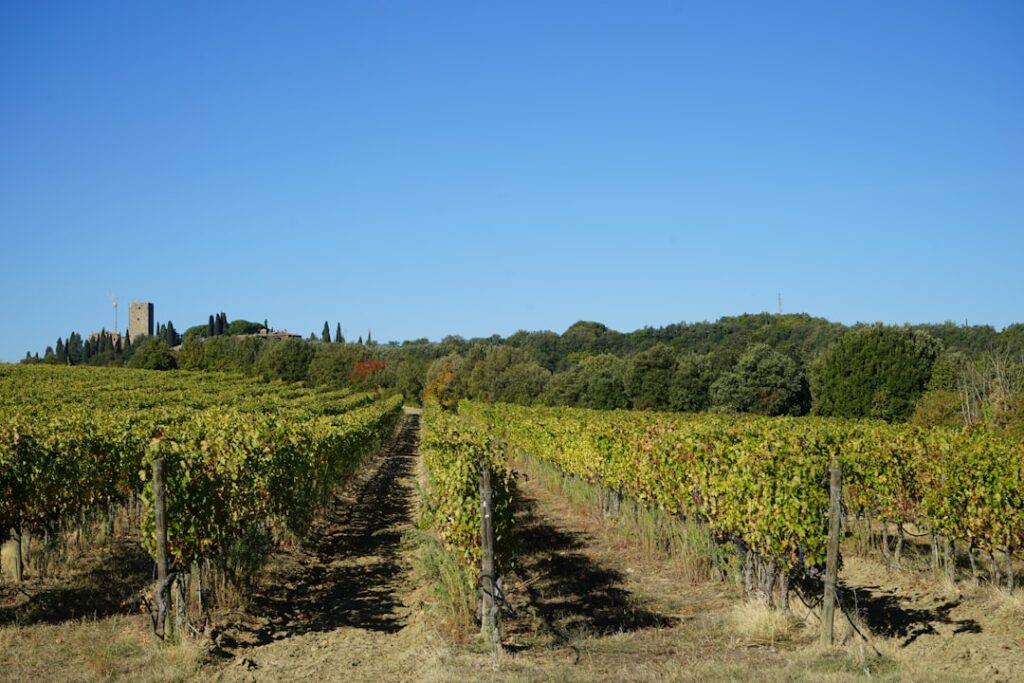
Montalcino is synonymous with exceptional wine: Brunello di Montalcino. First, visit the Abbazia di Sant’Antimo (Località Sant’Antimo, 53024 Castelnuovo dell’Abate SI), a remarkable Romanesque abbey known for its façade and acoustics. Hours: typically 7:00–18:00 depending on the season, church entry is free (donation suggested €1.00–€3.00), and guided visits may be available through the abbey. In town, the Museo Civico e Diocesano di Montalcino (Piazza del Popolo 1, 53024 Montalcino SI) displays textiles and local works; usual hours 10:00–13:00 and 15:00–18:00, price about €4.00–€6.00. For Brunello tastings, renowned wineries like Biondi Santi (Via della Torre, local addresses vary; reservations recommended) or Caparzo (Località Caparzo, 53024 Montalcino SI) offer tours and tastings: expect €15.00–€40.00 per person depending on the winery and the number of wines tasted.
Practical tips for this leg: visit Monteriggioni in the morning (fewer people), have lunch in Pienza and spend the afternoon at wineries around Montalcino. Book Brunello tastings in advance, especially in peak season. When driving between these borghi, take secondary roads for more photogenic views but be cautious of narrow, winding lanes; GPS can sometimes route larger vehicles onto restricted roads. For a complete experience, buy a piece of pecorino in Pienza and a bottle of Brunello (indicative prices: Brunello di Montalcino DOCG from about €25.00 to €200.00 depending on vintage; aged pecorino €8.00–€25.00 depending on weight and aging).
Cortona and cultural experiences — Etruscans, museums and local markets
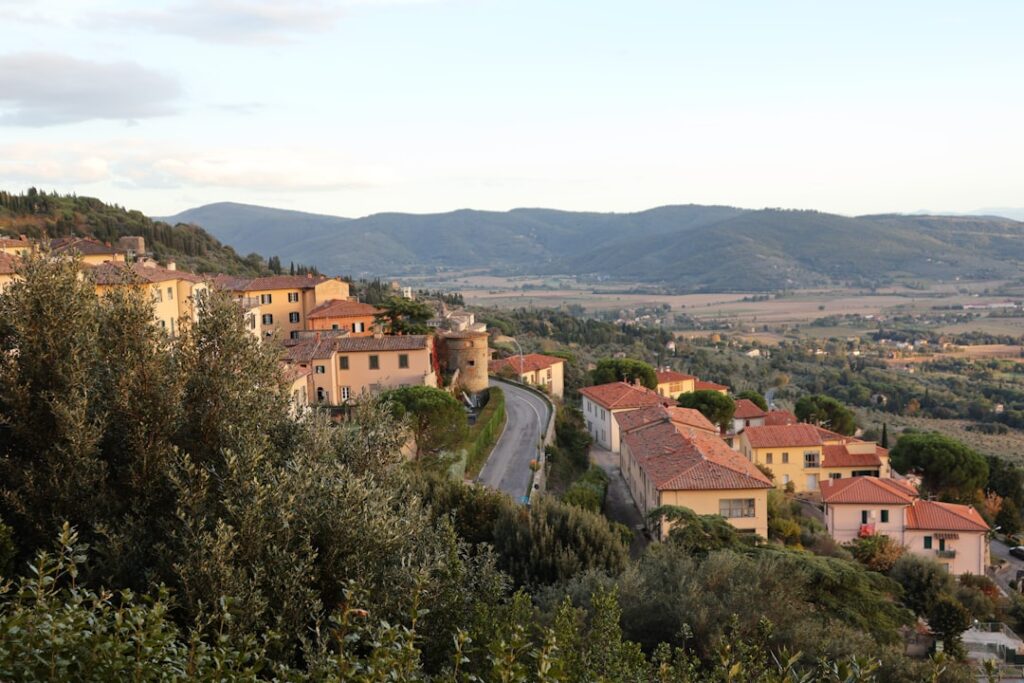
Cortona, perched on a hill overlooking the Arno valley and Lake Trasimeno, blends Etruscan traces with medieval charm. To explore its history, head to the Museo dell’Accademia Etrusca e della Città di Cortona, Piazza Signorelli 1, 52044 Cortona AR. Typical hours: 10:00–18:00 (may be closed on Mondays off-season), price: around €6.00 for admission. The MAEC (Museo dell’Accademia Etrusca) displays a rich collection of Etruscan objects that illuminate local antiquity; don’t miss the view from the Fortezza del Girifalco (Strada della Fortezza, 52044 Cortona AR): exterior access is free and usually open all day, with no charge to walk the ramparts.
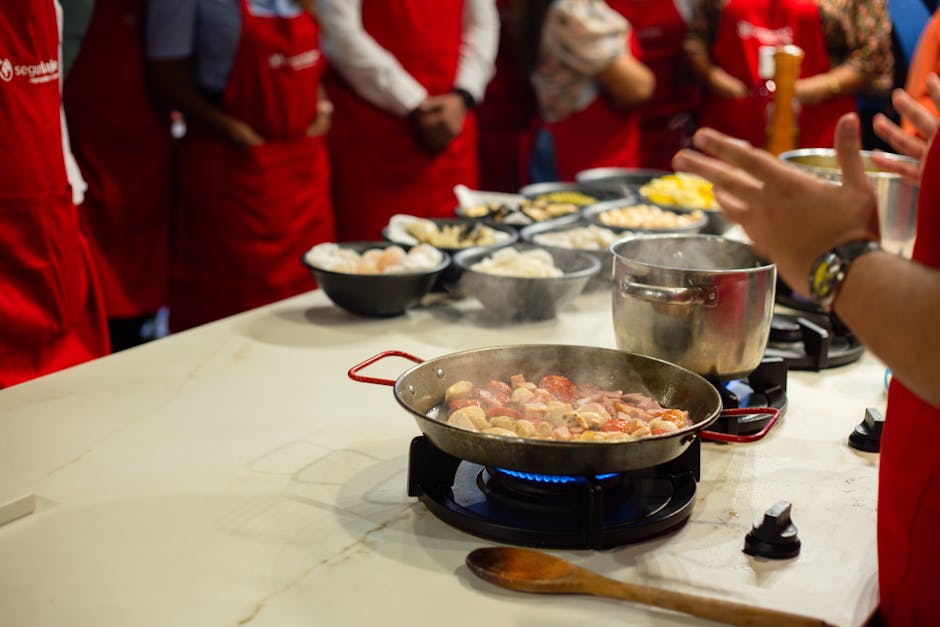
Cultural experiences to prioritize: artisan workshops (lace, ceramics, leatherwork), Tuscan cooking classes and joining local markets. A concrete example: the cooking workshop « Cortona Cooking School » (Via Nazionale 18, 52044 Cortona AR) offers 4-hour classes including market time, food preparation and tasting; price range €65.00–€95.00 per person depending on the package. For pottery or ceramic workshops, « Ceramiche Barbini » (Via Nazionale 12, Cortona) often hosts demonstrations (hours 10:00–13:00 / 15:00–18:00; free to observe, with pottery pieces €15.00–€60.00).
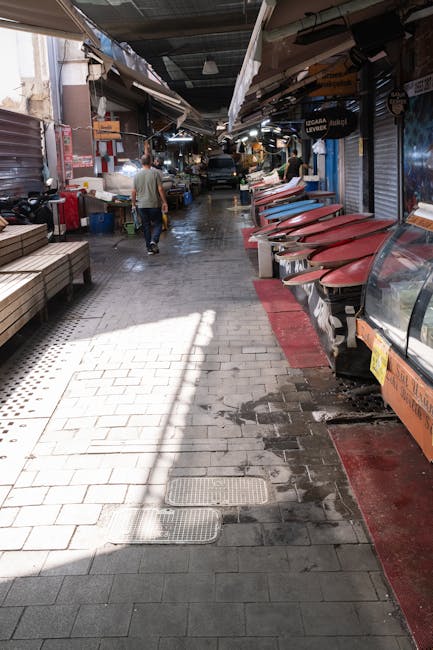
Practical info and markets: Cortona’s weekly market often takes place on Thursday mornings along Viale Roma and Viale Nazionale — you’ll find fresh produce, clothing, crafts and cheeses. Approximate hours: 8:00–13:00. Nearby, for a typical lunch try Trattoria Dardano (Via Nazionale 20, Cortona) for traditional Tuscan dishes: main courses €12.00–€20.00. Another cultural stop is the Chiesa di San Francesco (Piazza Signorelli, Cortona) with its calming cloister and frescoes; usually open 9:00–17:00, entrance often free.
Local tips: buy directly from producers to gauge quality (olive oil, honey, preserves and wines). When attending workshops, ask if they provide written recipes or technical sheets — they’re often supplied, but it’s best to confirm. To avoid intense summer heat, schedule museums and workshops for the morning, take a long lunch break and explore the alleys in the golden hour. Also check seasonal events: Cortona and the surrounding area host summer festivals, church concerts and temporary exhibitions that enrich the cultural experience.
General practical tips, accommodation and logistics for a successful itinerary
Organizing a cultural itinerary through Tuscany’s medieval borghi takes planning: booking accommodation, understanding transport options, managing opening hours and budgeting. Here’s a practical summary to help optimize your trip.
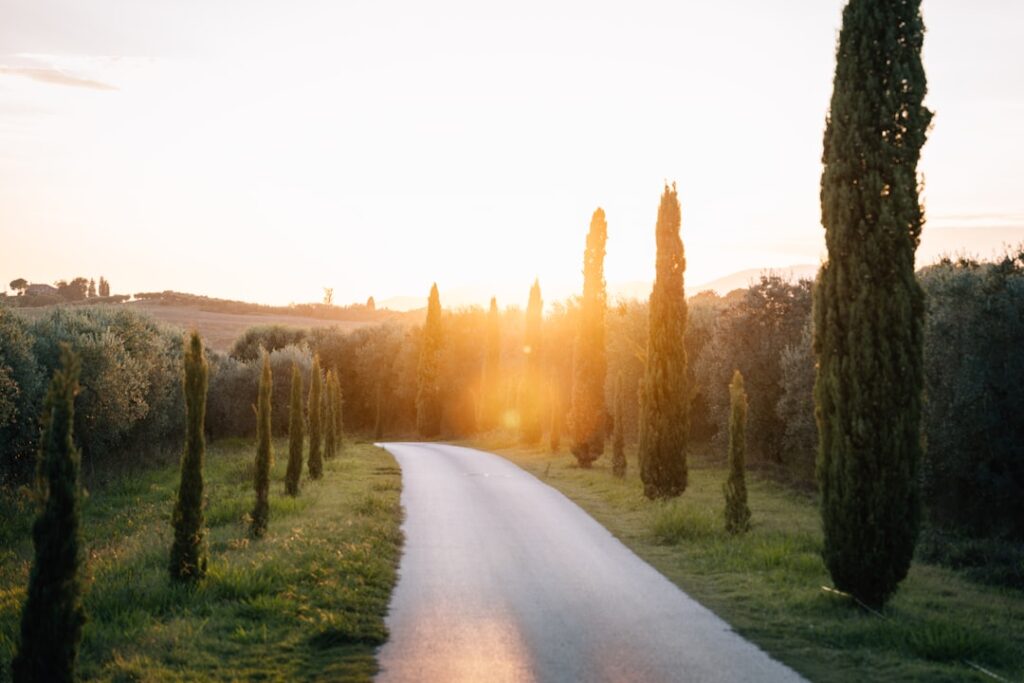
Transport: renting a car is the most flexible way to explore the borghi, since public transport connections can be limited. Secondary roads (strade provinciali) offer spectacular views, but be mindful of ZTL zones: obey signs and use official car parks (examples: Parcheggio F.lli Giannini, Via Giardino 10, San Gimignano; Parcheggio Piazza Martiri della Libertà, Volterra). If you’d rather avoid driving, choose private transfers or guided day tours from Florence (morning departures to San Gimignano/Volterra): prices €60–€120 per person depending on duration and guide.
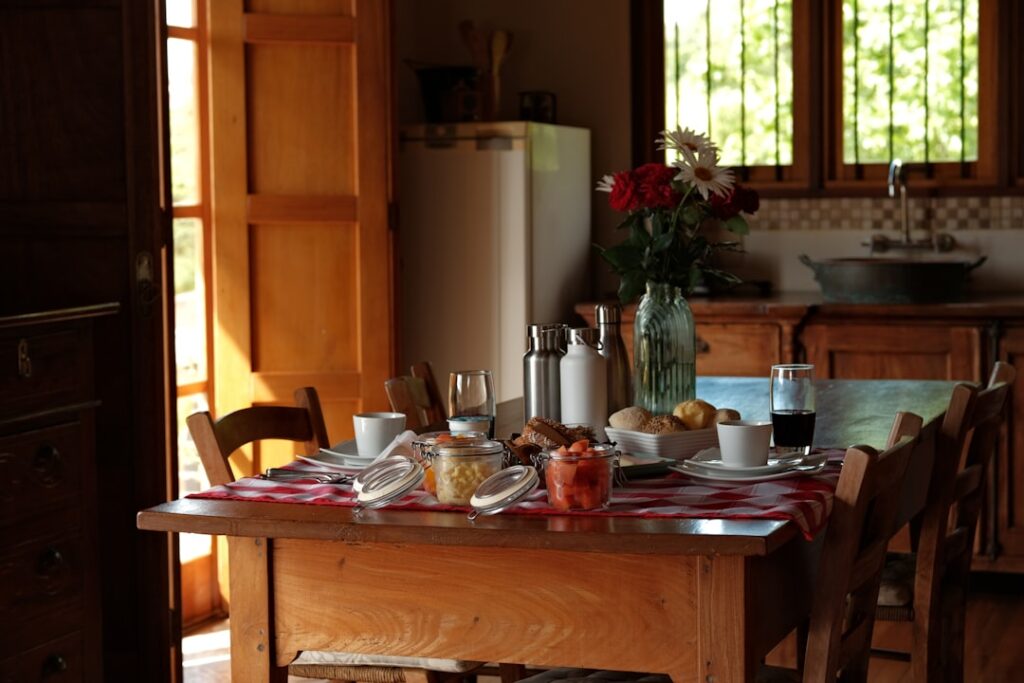
Accommodation: favor agriturismi (farm stays) for immersion in the landscape and local flavors. Examples: Agriturismo La Poggiolina (local addresses vary; typical services: breakfast included, pool) or small relais/B&Bs inside historic walls (small B&Bs in the centers of San Gimignano or Pienza). Prices: low season €60–€90 a night for a double room at an agriturismo; high season €120–€250 for more central, well-appointed places.
Budget and tickets: plan for museum entrance fees (€3.00–€9.00 per monument on average), tastings (€15.00–€40.00), meals (€15.00–€35.00 per person for a good meal), and artisan purchases. Look for municipal « passes »: some towns offer combined museum passes valid for 2–3 sites, often cheaper if you visit several paid attractions in one day.
Best time to go: spring (April–June) and autumn (September–October) bring pleasant weather and ideal light for photography. Summer can be very busy, especially July–August, with high temperatures and crowded sites. Winter offers a quieter, more intimate experience, but some museums or restaurants may reduce opening hours.
Local practical tips:
– Bring comfortable shoes and a reusable water bottle: cobbled streets and steep slopes are everywhere.
– Respect mass times: many churches close or restrict access during services.
– Prefer local currency and check payment methods: small shops and markets sometimes favor cash.
– Check weekly closure days (many museums close on Monday).
– Finally, aim for early-morning and late-afternoon visits for the best light and to avoid crowds.
Conclusion — Slow down and soak up the medieval borghi of Tuscany
A cultural itinerary through Tuscany’s medieval borghi is an invitation to slow down, listen to the stone, taste local flavors and notice the small details that reveal lives and crafts. Villages like San Gimignano, Volterra, Monteriggioni, Pienza, Montalcino and Cortona offer more than postcard scenes: each has museums, churches and workshops where history becomes tangible. By following the exact addresses, indicative hours and prices given above, you can plan your days with confidence and fully enjoy the experiences (Brunello tastings, alabaster workshops, climbs up medieval towers, sunset walks).
The real secret to a successful trip in Tuscany is allowing time for the unexpected: a half-open door leading to a small exhibition, a trattoria where you share a meal with locals, or an invitation to a producers’ market. These moments provide the truest taste of Tuscan culture — rooted in history yet alive today. Plan days that mix iconic sites (book ahead where needed) with spontaneous stops in alleys, vineyards or small squares where time seems to stand still.
Finally, keep in mind courtesy and respect for these places: many borghi are living communities, not frozen sets. Buy local, ask questions, smile — people love to share their heritage and stories. When you head home, you’ll take more than photos: you’ll bring back a living knowledge of medieval Tuscany, new flavors and, often, an irresistible urge to return.