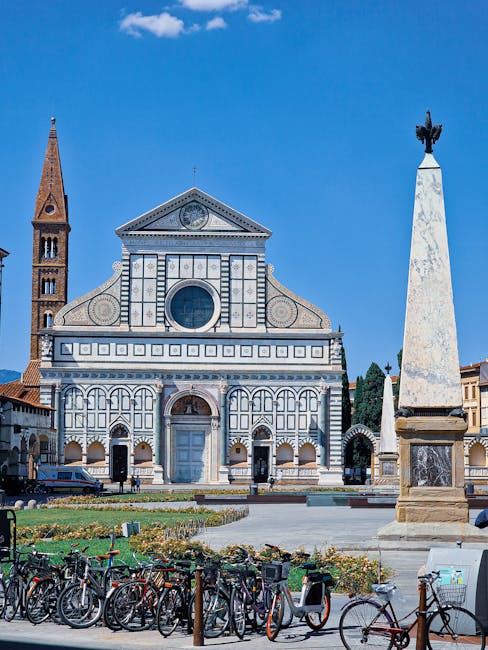






Introduction: Why a 7-Day Historic Road Trip in Tuscany?
Tuscany is a region where history breathes from every stone, hill and cobbled alley. From Florence’s Renaissance palaces to San Gimignano’s medieval towers, Siena’s Gothic squares and the rustic villages of the Val d’Orcia, a seven-day road trip ties together art, architecture, landscapes and culinary traditions into a coherent route. This itinerary isn’t just a checklist of sights — it’s a gradual immersion through layers of time, from Etruscan antiquity to the sweeping creativity of the Renaissance, all while savoring the Tuscan dolce vita.
This comprehensive guide is made for travelers who want to blend historical discoveries, must-see museums, memorable viewpoints and local experiences (cellars, vineyards and markets). Each day suggests a realistic driving route, with exact addresses, typical opening hours, approximate prices in euros and practical tips to make the most of your time (book ahead, best times to avoid crowds, restaurant suggestions and driving tips for secondary roads).
The schedule is intentionally sequential: you’ll start in Tuscany’s artistic heart — Florence — then fan out south and west, alternating between major cities, small medieval towns and pastoral landscapes that painters and photographers have immortalized. This itinerary favors mobility: a car gives you the freedom for spontaneous stops (viewpoints, olive farms, artisan workshops) while keeping a balanced pace so days don’t become marathons. You’ll also find practical recommendations: where to park in historic centers (ZTL zones to watch out for), how to adapt visits to the weather, which wines to try and how to book tastings.
Finally, this road trip is designed for history lovers but remains flexible: each day includes slower alternatives (local markets, relaxed walks) or more intense options (guided tours, tower climbs). Addresses, hours and prices are indicative and based on public information at the time of writing; it’s recommended to check official sites before you go to confirm openings and bookings. Now fasten your seatbelt: Tuscany awaits, with golden light, millennia-old stones and generous wines.
Day 1: Florence — The Cradle of the Renaissance
Florence is the perfect starting point for a historic road trip. Begin early at the Cattedrale di Santa Maria del Fiore (Duomo), located on Piazza del Duomo, 50122 Firenze FI. Full address: Piazza del Duomo, 50122 Firenze FI. Typical hours: the cathedral usually opens from 10:00 to 17:00 (times may vary with season and religious services). To access Brunelleschi’s Dome (Santa Maria del Fiore – Cupola), plan for a separate ticket or the combined Complesso del Duomo ticket. Indicative prices: combined Opera del Duomo ticket around €25; dome climb €20–25 depending on options. Practical tip: book online to avoid long lines, especially in high season.
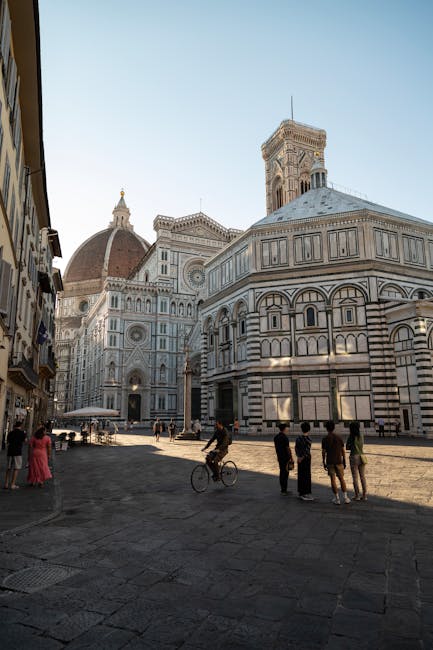
A few steps away is the Museo dell’Opera del Duomo (Piazza del Duomo, 9, 50122 Firenze FI). Address: Piazza del Duomo, 9, 50122 Firenze. Typical hours: 10:00–19:00. Indicative price: €12–17. The museum houses original sculptures and preparatory drawings, offering an intimate understanding of the works seen on the cathedral. Visiting the museum before climbing the dome helps appreciate the chronology of the pieces.
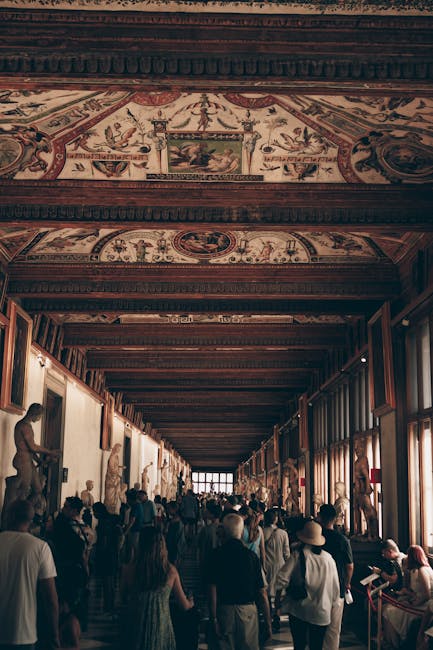
In the afternoon, cross the Ponte Vecchio (Ponte Vecchio, 50125 Firenze FI) and head to the Galleria degli Uffizi (Piazzale degli Uffizi, 6, 50122 Firenze FI). Address: Piazzale degli Uffizi, 6. Typical hours: 08:15–18:50 (some rooms closed on Mondays; check ahead). Indicative price: €20–25; reservations highly recommended. The Uffizi Gallery holds masterpieces by Botticelli (The Birth of Venus), Leonardo da Vinci and Michelangelo. Tip: allow at least 2–3 hours and consider a guided tour for historical context.
End the day at the Accademia di Belle Arti di Firenze (Galleria dell’Accademia), Via Ricasoli, 58/60, 50122 Firenze. Typical hours: 08:15–18:50; indicative price: €12–15 (entry to see Michelangelo’s David). Practical tip: book a morning slot if you prefer to avoid the crowds around the David. For dinner, pick a traditional trattoria in the Oltrarno neighborhood to try bistecca alla fiorentina (recommendation: Osteria del Cinghiale Bianco, Via Lambertesca 12R, 50125 Firenze — check availability).
Day 2: Florence — Palaces, Gardens and Panoramic Walks
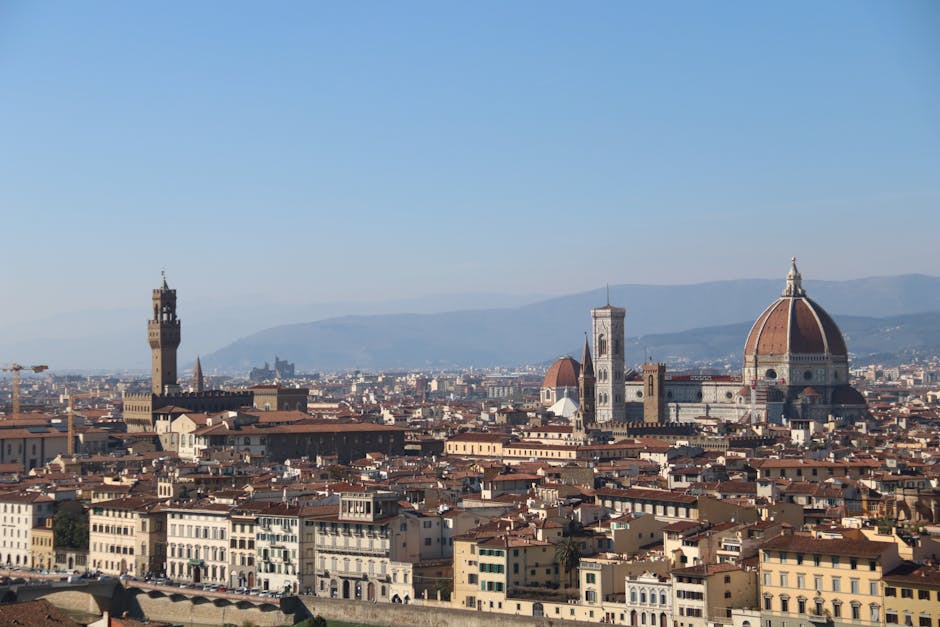
Start the morning at Palazzo Vecchio (Piazza della Signoria, 50122 Firenze FI). Address: Piazza della Signoria, 50122 Firenze. Typical hours: 09:00–19:00. Indicative price: €12–18. The medieval palace and its tower tell Florence’s political story, from the Signoria to the Medici. Climbing the Torre di Arnolfo (tower) gives a bird’s-eye view of the piazza and the Duomo skyline.
Then cross Piazza della Signoria and visit the Museo Nazionale del Bargello (Via del Proconsolo, 4, 50122 Firenze). Address: Via del Proconsolo, 4. Typical hours: 08:45–14:00 (hours vary). Indicative price: €8–12. The Bargello is less crowded than the Uffizi but houses major sculptures by Donatello and Michelangelo.
After lunch, head up to Piazzale Michelangelo (Piazzale Michelangelo, 50125 Firenze FI) for a classic panoramic view of Florence. Address: Piazzale Michelangelo. Best time: late afternoon for golden light. Free of charge. Tips: park the car at the bottom (designated areas) and walk up if you want to feel the transition from city to viewpoint. Nearby, the Giardino delle Rose (Piazza G. Poggi, 50125 Firenze) is a pleasant public rose garden (often free entry; hours vary).
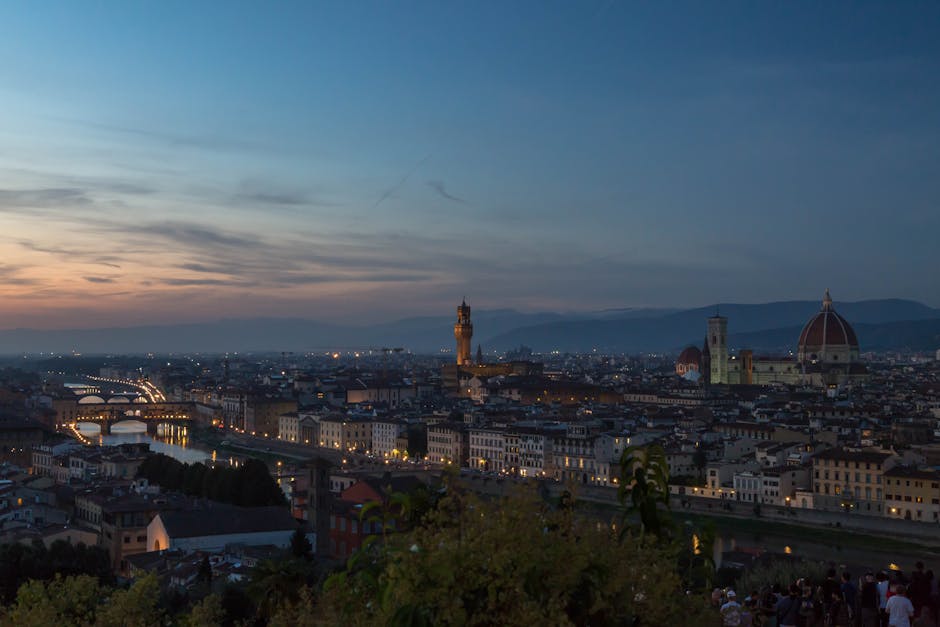
To finish the day, explore the Oltrarno district: leather workshops, cabinetmakers and small squares. Culinary recommendation: Trattoria 4 Leoni (Via dei Velluti, 1, 50125 Firenze) for authentic Tuscan fare. Practical advice for Florence: watch out for ZTL zones (limited traffic zones) — Piazza del Duomo, Via de’ Calzaiuoli and some streets are restricted. It’s best to park in a peripheral garage (e.g. Garage Michelangelo, Viale Giovanni Amendola 2) and continue on foot or by taxi.
Day 3: Siena — Between Piazza del Campo and the Cathedral
Leave early for Siena (about 1h15 from Florence via S222/S73 depending on traffic). Start at Piazza del Campo (Piazza del Campo, 53100 Siena SI), the shell-shaped medieval square that hosts the famous Palio. Address: Piazza del Campo, 53100 Siena. The square is free to visit. The Palazzo Pubblico and its Museo Civico overlook the piazza (Via del Capitano, 3, 53100 Siena). Museo Civico hours: roughly 10:00–19:00; indicative price €8–10.
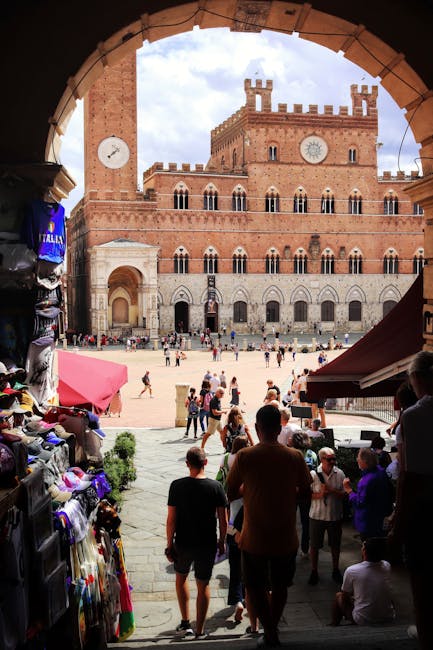
Don’t miss the Torre del Mangia (Piazza del Campo, 1, 53100 Siena). Address: Piazza del Campo, 1. Typical hours: 10:00–17:30 (seasonal). Indicative price: €10–15 to climb the tower and enjoy a 360° view of the Sienese countryside. Tip: go early or late afternoon to avoid heat and queues.
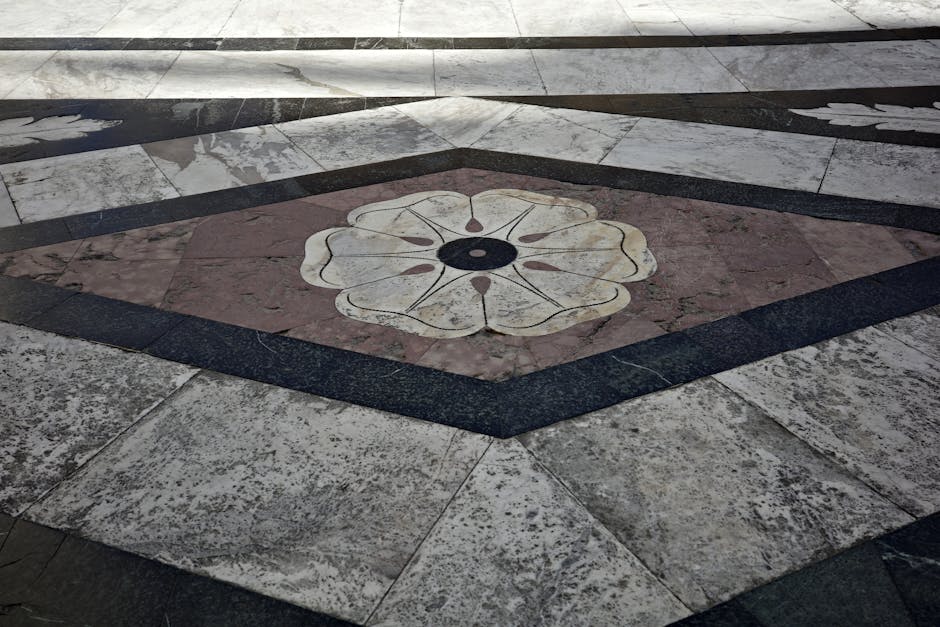
The Cathedral of Siena, il Duomo di Siena (Piazza del Duomo, 8, 53100 Siena), is a Gothic marvel. Address: Piazza del Duomo, 8. Typical hours: 10:00–19:00 (seasonal hours and services may affect access). Indicative price: visiting the Duomo complex (including the Piccolomini Library and baptistery) €8–12. Inside, admire the mosaic floor, the magnificent façade and the Opera del Duomo. Tip: combine the cathedral visit with the Museo dell’Opera del Duomo for extra historical context.
After the main sights, wander the medieval streets, try traditional panforte in a local bakery (e.g. Nannini, Via Banchi di Sotto, 7, 53100 Siena SI) and enjoy a dinner of pappardelle with wild boar ragù. Practical tips: park at Parcheggio Il Campo (Via del Castoro) or other peripheral lots; the historic center is often pedestrian-only. If time allows, visit the Pinacoteca Nazionale (Via San Pietro, 29, 53100 Siena) for Sienese paintings from the Middle Ages.
Day 4: San Gimignano and Volterra — Medieval Towers and Alabaster
Leave Siena for San Gimignano (about 45 minutes). San Gimignano, known as the “medieval Manhattan” for its towers, is a must-see. Start at Piazza della Cisterna and Piazza del Duomo. Main address: Piazza del Duomo, 53037 San Gimignano SI. The town is freely accessible; individual towers and museums have their own opening hours. Don’t miss Torre Grossa (Piazza del Duomo, 1). Typical hours: 10:00–19:00; indicative price: €8–10 to climb.
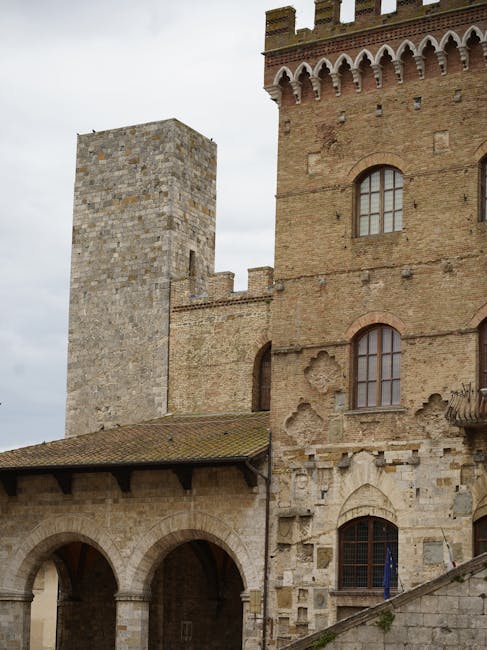
Also visit the Museo Civico di San Gimignano (Palazzo Comunale, Piazza del Duomo, 1) which houses important medieval frescoes. Food tip: taste Vernaccia di San Gimignano (the local white wine) at an osteria with a view of the towers. For lunch, Trattoria Chiribiri (Via S. Giovanni 139) offers simple Tuscan dishes.
In the afternoon, drive on to Volterra (about 40 minutes), known for its Etruscan past and alabaster craftsmanship. Central address: Piazza dei Priori, 1, 56048 Volterra PI. Visit the Museo Etrusco Guarnacci (Piazza San Giovanni, 1) — approximate hours: 09:00–19:00; indicative price €6–8. Stroll the fortified streets, see the Roman Theatre (Teatro Romano, Via Giuseppe Garibaldi, 39) and pick up alabaster souvenirs from the artisan shops on Via San Francesco.
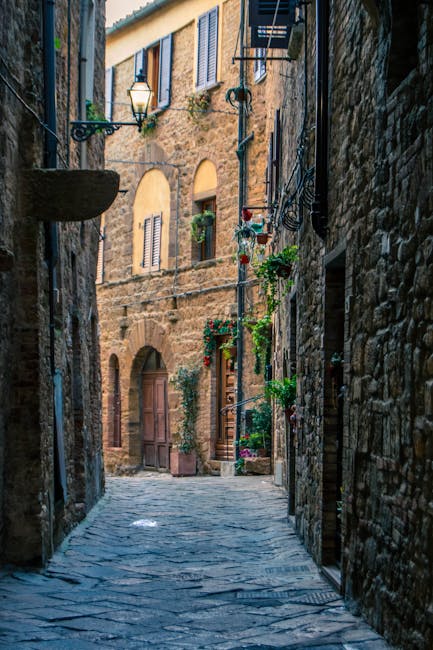
Practical tips: the roads between San Gimignano and Volterra are scenic but sometimes narrow; drive carefully and prefer a compact car. Park in official lots (e.g. Parcheggio della Vallebona in Volterra) for easy access to the historic center. In the evening, enjoy truffle-based dishes at one of the small local restaurants.
Day 5: Pisa and Lucca — Cathedral, Leaning Tower and Renaissance Walls
On day five head northwest: start in Pisa then continue to Lucca. In Pisa, the tourist heart is Piazza dei Miracoli (Piazza del Duomo, 56126 Pisa PI). Main address: Piazza del Duomo, 56126 Pisa. Typical hours: the Cathedral of Santa Maria Assunta 10:00–18:00; the Baptistery and the Leaning Tower have variable hours. Indicative price: cathedral entry free or minimal; climb the Leaning Tower around €20 (booking highly recommended). Tip: reserve a specific time slot to climb — visitor numbers are limited.
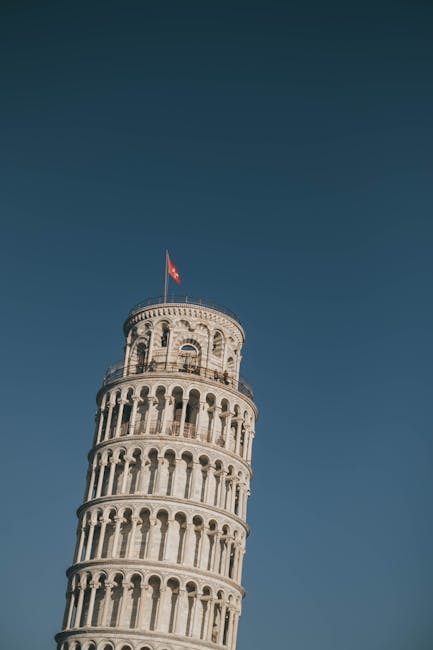
Visit Pisa Cathedral (Duomo) for its Byzantine-influenced interior and the Camposanto Monumentale for its restored frescoes. After Pisa, drive about 30 minutes to Lucca, a town encircled by perfectly preserved Renaissance walls. Main walls access: Viale delle Mura Urbane, 55100 Lucca LU. Walking the walls is a free public activity; you can also rent a bike to circle them (bike rental about €4–8 for 2 hours).
From Piazza dell’Anfiteatro (Piazza dell’Anfiteatro, 55100 Lucca), wander the alleys and climb Torre Guinigi (Via Sant’Andrea, 36, 55100 Lucca) for a surprising treetop-crowned roof view. Torre Guinigi hours: roughly 09:00–19:00; indicative price: €4–6. For a relaxed dinner, try tordelli lucchesi and local wines. Practical tips: Lucca is perfect for a calm overnight stay — peripheral car parks like Parcheggio Centro Storico make access easy.
Day 6: Val d’Orcia — Pienza, Montepulciano and the Golden Countryside
Val d’Orcia is a UNESCO World Heritage landscape: rolling hills, lined cypresses and hilltop villages. Start in Pienza (Piazza Pio II, 53026 Pienza SI). Address: Piazza Pio II, 53026 Pienza SI. Visit the Cathedral of Pienza (Piazza Pio II) and stroll the streets of this ideal Renaissance town. Monument hours vary (generally 09:00–18:00). Indicative price: entry to main monuments €3–6.
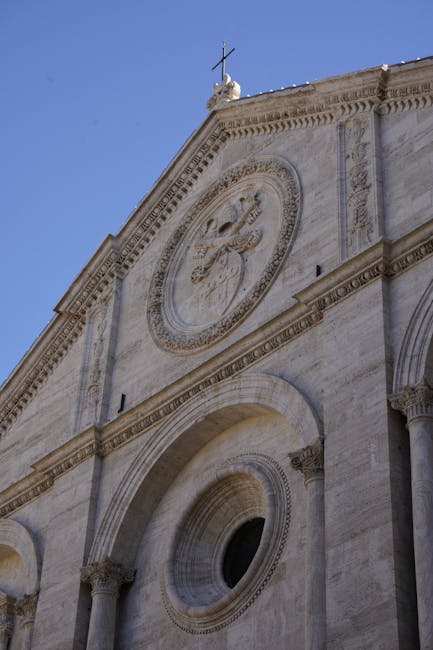
Next head to Montepulciano (Piazza Grande, 53045 Montepulciano SI), famous for Vino Nobile. Address: Piazza Grande, 53045 Montepulciano SI. Visit some wineries (book tastings): recommended estates include Cantina Contucci (Via di S. Maria 23) or Cantine De’ Ricci. Tasting prices: often €10–25 depending on the estate and tasting format. The streets, medieval cellars and the view from the Fortezza Medicea (Piazza Grande) are worth the visit.
Finish with a photo stop at Bagno Vignoni (Piazza delle Sorgenti, 53027 San Quirico d’Orcia SI), where the central square is a large thermal pool. Address: Piazza delle Sorgenti, 53027. It’s a unique spot to soak in the thermal and rural atmosphere. Practical tips: roads between Pienza, Montepulciano and Bagno Vignoni offer many viewpoints — park safely and respect private fields. For the night, choose an agriturismo in the valley (book in advance) for an authentic Tuscan experience.
Day 7: Chianti — Vineyards, Castles and Tuscan Cuisine
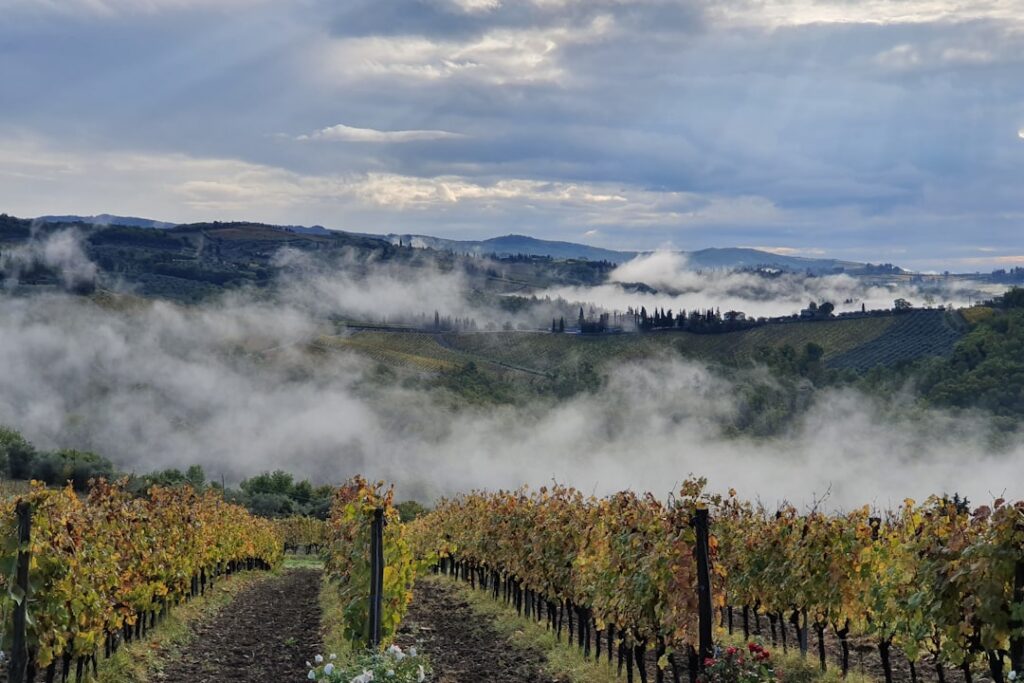
Spend the final day in the Chianti region, a fitting end to the trip focused on flavors and castles. Base yourself in Greve in Chianti (Piazza Matteotti, 53036 Greve in Chianti FI) for its lively square and market (Piazza Matteotti). Address: Piazza Matteotti, 53036 Greve in Chianti FI. From there follow the scenic SR222 (the « Chiantigiana ») toward Castellina, Radda and Gaiole in Chianti, stopping at wineries along the way.
Recommended estates with addresses and practical notes:
– Castello di Brolio, Località Brolio, 53013 Gaiole in Chianti SI. Estate hours: visits and tastings often by reservation; tasting price: €15–30.
– Castello di Ama, Località Ama, 53013 Castelnuovo Berardenga SI. Tastings by appointment; prices vary.
These visits offer not only wine but also insights into the owners’ histories, terraced medieval landscapes and centuries-shaped vineyards.
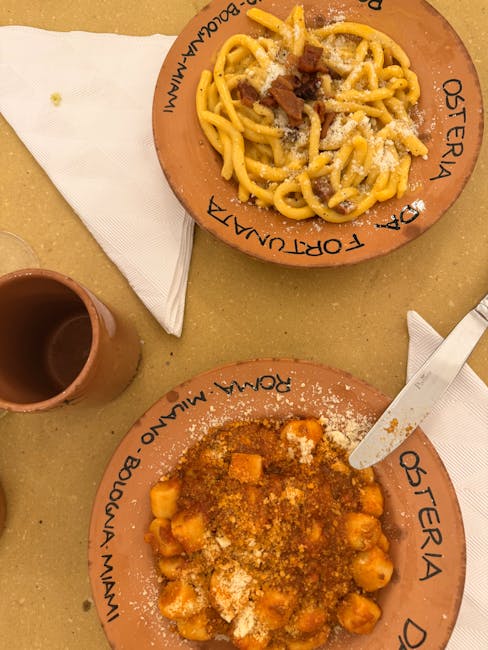
For lunch, plan a trattoria with local specialties: pici all’aglione (pasta), cinghiale in sauce, paired with a Chianti Classico. Practical driving tip: arrange tastings with a driver or use a local agency to avoid driving after wine sampling. If you return to Florence late afternoon (about 45–60 minutes), allow time for one last sunset over the Arno or a farewell dinner in the historic center.
Conclusion: Tips to Extend Your Tuscan Experience
After seven days full of art, architecture and landscapes, you’ll have covered the essentials of a multifaceted Tuscany: Florence and its Renaissance, Siena’s medieval character, San Gimignano’s vertical skyline, Volterra’s Etruscan roots, the pastoral charm of Val d’Orcia and Chianti’s vineyards. To extend your experience, a few practical recommendations and final reflections can turn a great trip into a lasting memory.
First, adapt the pace: if you love deep historical dives, spend more time in Florence (museums sometimes closed on Mondays) or Siena; if you favor landscapes, slow down in Val d’Orcia and book an extra night at an agriturismo to soak up morning and evening light. Second, logistics and bookings: reserve Uffizi, Accademia, the Leaning Tower and the Duomo dome in advance, especially between May and September. Most wineries receive visitors only by appointment, so build some flexibility into your schedule.
Third, driving and parking: Tuscany is best explored by car but beware of ZTL (limited traffic) zones in most historic centers; violations result in fines. Look for designated parking lots (often labeled « Parcheggio ») on the outskirts of centers and walk or use public transport. Opt for a compact car for rural lanes and tight village parking. Fourth, approximate budget: for a comfortable mid-range trip, estimate about €80–150 per person per day, including accommodation, meals, admissions and tastings (prices vary by season and comfort level).
Finally, leave room for the unexpected: stop for a photo at a viewpoint, taste cheese from a small producer, chat with a local sommelier or lose yourself in a lane to find a tiny church with a forgotten painting. Tuscany is discovered in those quiet moments too. Respect the places you visit (don’t pick flowers, respect private property), favor local producers and always keep an offline map handy in case of weak signal. If you want to extend the route, consider adding the Tuscan coast (Maremma, Argentario) or the islands of the Tuscan archipelago (Elba) for a sea/mountain mix.
Safe travels: may your days in Tuscany be guided by curiosity, rustic aromas and the warm light that inspired so many artists. If you’d like, I can personalize this itinerary based on your travel dates, food preferences, pace (slow travel vs. intensive) and transport constraints.