





Introduction — Museums to See in a Day Near Florence
Tuscany, with Florence at its heart, packs an extraordinary concentration of art and history. If you only have one day but want to make the most of the region’s museum treasures, a carefully chosen itinerary lets you maximize the experience without turning the day into a frantic dash. This article lays out a practical one-day plan and detailed profiles for visiting some of Florence’s most iconic museums and nearby spots reachable in a day. You’ll find exact addresses, typical opening times, approximate prices, immersive descriptions of the collections, and logistical tips to help you save time and move smoothly between sites.
Florence is compact but rich: galleries sit cheek-by-jowl within a medieval street pattern, and with a bit of planning you can see several major sites on foot or by public transport. We focused on must-see museums that contain headline works — from Renaissance painting to monumental sculpture — while also suggesting lesser-known alternatives for those wanting to stray from the beaten path. Each profile includes practical, concrete advice: how to book tickets, the best times to avoid crowds, and local tips (cafes, restrooms, luggage storage, short tram or bus hops).
The goal isn’t to turn your day into a race against the clock, but to let you enjoy moments of contemplation and discovery. The recommended route pairs blockbuster works (think Botticelli’s masterpieces or Michelangelo’s David) with quieter museums that are rich in story (weapons collections, monastic workshops, textile ateliers). If you’re traveling off-season or midweek, you’ll often be able to slow down and enjoy a calmer atmosphere. In high season, book online in advance for some galleries to avoid long lines.
Throughout the article you’ll also find suggestions for images to search for inspiration and to plan your photos, with precise visual cues to capture the mood (golden hour on a facade, sculptural detail at knee level, exhibition spaces lit by natural light). Those image markers will help illustrate your day and make it easier to find royalty-free images. Grab your tickets, put on comfortable shoes, and let Florence and its surroundings guide you: one day here can feel like a pocket of eternity.
Galleria degli Uffizi — Galleria degli Uffizi, Piazzale degli Uffizi, 6, Florence
Address: Galleria degli Uffizi, Piazzale degli Uffizi, 6, 50122 Firenze FI.
Typical opening hours: Usually open Tuesday to Sunday from 08:15 to 18:30 (closed Monday). Hours can change for temporary exhibitions or in peak season: always check the official site before visiting.
Approximate price: Full-price ticket around €20–€25 online (varies by season and exhibitions), reduced rates €2–€12 for certain groups (students, youth, etc.), online booking fees typically €4–€6. Skip-the-line tickets highly recommended.
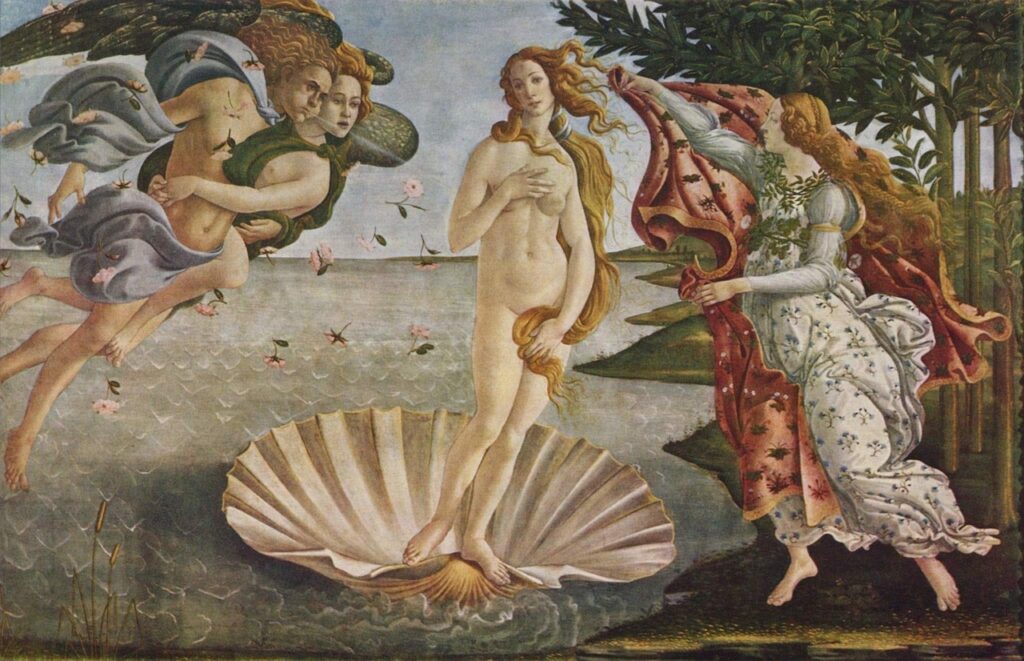
The Uffizi Gallery is one of the world’s most famous museums and a must if you’re in Florence. Housed in a long palace built by Giorgio Vasari in the 16th century, the collection unfolds along a route that links Renaissance masterpieces with portraits of the city’s ruling families. Expect rooms bathed in natural light, thematic groupings, and iconic works: Botticelli (The Primavera, The Birth of Venus — sometimes shown in dedicated rooms or on loan), Leonardo da Vinci (Annunciation), Raphael (Madonna), Titian and Caravaggio.
The experience is immersive: linger in the Botticelli rooms where the delicate drawing and soft skin tones make the visit almost meditative. If your time is limited, identify priority rooms in advance using the map at the entrance or the museum app. Audio guides and themed guided tours (60–90 minutes) can help you put the works into context in a short time.
Local practical tips:
- Booking: reserve an early morning or late afternoon time slot to dodge crowds; the first time slot is often the calmest.
- Visit length: for a concise visit, allow 1–2 hours; for a deeper experience, plan 3–4 hours.
- Getting there: located in the historic center, reachable on foot from Piazza della Signoria or via tram line T1 (get off at Firenze Santa Maria Novella then a 10–15 minute walk).
- Food: the museum cafe is handy for a quick break — otherwise choose a small trattoria in the nearby alleys for a truly Tuscan meal.
- Photography: picture-taking inside is sometimes restricted depending on the room; check signage and follow the rules.

To make the most of a museum-packed day, combine a visit to the Uffizi with a stroll along the north bank of the Arno, then head to the Ponte Vecchio and Piazza della Signoria — everything is within walking distance and gives you an immediate contrast between art inside and the Florentine cityscape.
Galleria dell’Accademia — Via Ricasoli, 58/60, Florence
Address: Galleria dell’Accademia, Via Ricasoli, 58/60, 50122 Firenze FI.
Typical opening hours: Generally open Tuesday to Sunday from 08:15 to 18:50, closed Monday; holidays or cultural events may alter these hours.
Approximate price: Full-price ticket around €12–€16 (online booking fee around €4), reduced rates for youth, EU citizens and certain categories.
The Accademia Gallery is best known for housing Michelangelo’s David, but it deserves more than a single glance. The David — a masterpiece of Renaissance sculpture — impresses with its monumental presence and the intensity of its gaze. Michelangelo carved the 5.17 m block of marble with such anatomical precision that it changed art history. Besides David, the gallery shows other unfinished Michelangelo sculptures (the « Prisoners »), paintings from the Florentine tradition, and a rich collection of historic musical instruments and local lyrical works.
The exhibition space is arranged to encourage close inspection: you can see tool marks on the marble, the artist’s corrections, and later restorations that tell the statue’s story. Audio guides and interpretive panels explain the iconography and the political-religious background of the commissioner — essential to understanding David’s symbolic role for the Republic of Florence.
Practical tips:
- Timing and crowds: arrive at opening for a more intimate face-to-face with David; late afternoon visits can also be quieter.
- Security and baggage: no cloakroom required, but avoid bulky bags; small pouches are recommended to move around easily.
- Visit length: to see the essentials (David + main rooms), allow 1–1.5 hours; plan 2 hours for a deeper visit.
- Getting there: about a 10–12 minute walk from Firenze Santa Maria Novella station; within easy walking distance of most central Florence attractions.

If your day’s schedule is tight, do the Accademia in the morning (for David) and devote the afternoon to another museum or a short excursion outside the historic center. Lines can be long without a booking — buying an online ticket with a specific time slot significantly reduces waiting time.
Museo dell’Opera del Duomo — Piazza del Duomo, Florence
Address: Museo dell’Opera del Duomo, Piazza del Duomo, 9, 50122 Firenze FI (entrance often on the Museo dell’Opera side).
Typical opening hours: Usually open daily from 09:00 to 19:00 (hours vary by season). Occasional closures for liturgical events in the cathedral.
Approximate price: The « Opera di Firenze » combined ticket around €18–€20 (gives access to the Museo dell’Opera, the Baptistery, Giotto’s Bell Tower and sometimes the Dome climb depending on options), reduced rates for youth and EU residents; online ticketing available.
The Museo dell’Opera del Duomo is the ideal place to understand the architectural and sculptural genesis of the cathedral complex: the Cattedrale di Santa Maria del Fiore, Giotto’s Bell Tower, and the Baptistery. The rooms showcase the hands of masters — Donatello, Arnolfo di Cambio, Luca della Robbia — and display original pieces removed from the cathedral for conservation (reliefs, bronze doors, statues), as well as wooden models and fragments of polychromy. The visit explains Brunelleschi’s dome techniques and highlights the engineering and aesthetic challenges that shaped Florence’s icon.
Sensory-wise, the route alternates between dimly lit rooms (perfect for scrutinizing sculpted details) and large spaces where monumental works are shown: you sense the cathedral’s scale while discovering the intimate traits of the sculptures. Interpretive panels, models and 3D reconstructions help you follow the chronology of the works and the successive interventions of Florentine workshops.
Practical tips:
- Combined ticket: often a better deal if you plan to climb Giotto’s Bell Tower or visit the Baptistery; check validity and timing of the ticket.
- Duration: 1.5–2 hours for a relaxed visit that lets you read labels and admire details.
- Getting there: in the heart of Piazza del Duomo — expect crowds at peak times; visiting early morning or late afternoon reduces the sense of overcrowding.
- Photography: allowed in some sections but no flash; follow signage.
For a balanced museum day, the Opera Museum is a perfect stop to grasp the overall architecture of Florence after visiting a gallery of paintings: it places the art back into its monumental and religious context.
Museo Nazionale del Bargello — Via del Proconsolo, 4, Florence
Address: Museo Nazionale del Bargello, Via del Proconsolo, 4, 50122 Firenze FI.
Typical opening hours: Usually open Tuesday to Sunday from 08:15 to 17:00 (closed Monday). Hours may be extended in high season; check the official site.
Approximate price: Full-price ticket around €10–€12, reduced rates for some groups and EU residents. Entry occasionally free during specific cultural events.
The Bargello is a former medieval government palace turned into a museum of decorative arts and sculpture. It’s an excellent spot for lovers of Renaissance sculpture and applied arts: the collection includes works by Donatello (Saint George, the Penitent Magdalene in wood), some sculptural pieces associated with Michelangelo, Verrocchio and other masters. The building itself, with its brick courtyard and medieval staircases, is part of the attraction — the atmosphere feels more intimate and less touristy than the larger museums.
Rooms devoted to decorative arts display armor, instruments and ceramics, offering a social and material perspective on the lives of Florence’s elites. The museography encourages close contemplation of textures: chased steel, polychrome wood, and marble patina. If you want to understand sculptural realism and Renaissance workshop techniques, the Bargello is a precious stop.
Practical tips:
- Atmosphere: fewer crowds than the Uffizi, so ideal for visitors seeking quiet and detail.
- Visit time: 1–2 hours depending on your interest in sculpture and decorative arts.
- Getting there: close to Piazza della Signoria, easy to combine with a stroll and a coffee on the square.
- Family-friendly: tangible objects (armor, instruments) often captivate children; consider a more interactive visit if you’re with youngsters.
If you have a little extra time, wander the side streets around the Bargello to discover antique shops and artisan workshops — the cultural transition between historic sculpture and contemporary craft is striking and rewarding.
Museo di San Marco and Museo Stibbert — two complementary alternatives
Museo di San Marco — Address: Museo di San Marco, Piazza San Marco, 3, 50121 Firenze FI.
Hours: Generally open Tuesday to Sunday from 08:15 to 13:50 (hours vary; sometimes open in the afternoon), closed Monday.
Approximate price: Entry around €6–€8 (reduced rates possible).
The Museo di San Marco, set in a former Dominican convent, offers a different immersion: monastic cells painted by Fra Angelico and liturgical frescoes foreground spirituality and convent life. Fra Angelico’s delicate colors and gentle pictorial style create an atmosphere of quiet devotion. It’s an ideal visit for those wanting to understand the link between art and worship in the 15th century. Display cases and interpretive panels preserve manuscripts and liturgical objects that complement the reading of the frescoes.

Museo Stibbert — Address: Museo Stibbert, Via Federigo Stibbert, 26, 50134 Firenze FI.
Hours: Generally open Thursday to Sunday from 10:00 to 18:00 (hours vary by season and holidays); check before you go.
Approximate price: Entry around €6–€10 (reduced rates possible).
The Stibbert Museum is a unique house-museum born from Frederick Stibbert’s passion for armor, costumes and exotic objects; the collection includes European and Eastern armors, carpets, furniture and a display that feels like a cabinet of curiosities. The surrounding park is a peaceful spot, perfect for a break between visits. Visiting Stibbert is like stepping into another world — an eclectic, often less-crowded collection that’s incredibly photogenic.

Practical tips for these two museums:
- Quiet, offbeat options: San Marco and Stibbert are perfect if you want to avoid large crowds while diving into specific themes (spirituality and arms & armor).
- Transport: San Marco is a 10–15 minute walk from the historic center, while Stibbert is best reached by city bus from the station (bus 1 or 4 depending on the route) or by taxi (10–15 minutes depending on traffic).
- Visit length: 1–1.5 hours for San Marco; 1.5–2 hours for Stibbert if you explore the villa and park.
- Practical: bring water and plan a shaded break — cloisters and gardens are ideal spots to rest and plan the rest of your day.
Conclusion — Plan an Efficient, Memorable Museum Day
A single day to explore museums around Florence can feel short compared to the wealth of Tuscan heritage, but with strategic choices and good preparation it can be remarkably fulfilling. We’ve suggested complementary stops: the Uffizi and the Accademia for pictorial and sculptural masterpieces, the Museo dell’Opera to understand the Duomo’s architecture, the Bargello for sculpture and decorative arts, and two alternatives — Museo di San Marco and Museo Stibbert — for quieter, more spiritual or eccentric experiences. Each place reveals a different facet of Florence’s cultural history.
To get the most from your day:
- Book tickets in advance for the big galleries (Uffizi, Accademia), choosing early morning or late afternoon slots to avoid crowds. Skip-the-line tickets often pay for themselves in time saved.
- Pick a coherent route: for example, start at the Accademia (David) at opening, walk to the Museo dell’Opera and the cathedral around midday, have lunch in a local trattoria, and spend the afternoon at the Uffizi or one or two alternatives (Bargello, San Marco, Stibbert).
- Use local transport: most sites are walkable within the historic center. For Stibbert or to avoid long walks, ATAF buses and the tram (T1) are handy; a taxi can save time if your schedule is tight.
- Take breaks: art and fatigue don’t mix. Alternate intense visits with moments of relaxation (coffee, gelato, a pause in a garden or on a terrace) to stay focused and emotionally receptive to the works.
- Stay flexible: opening hours can change and works may be loaned or under restoration. Check official sites or the tourist offices on the morning of your visit.
Finally, remember that Florence’s uniqueness lies in the continuity between its urban fabric and its artistic history: walking from museum to museum through its alleys, feeling the Arno, glimpsing an unexpected sculpted facade — all this enriches the visit. A well-planned day will give you memorable images and a deeper understanding of the intellectual, religious and political dynamics that shaped Tuscany. Whether you’re an art lover hunting masterpieces or curious about lesser-known collections, Florence and its museums offer a full palette of experiences — each capable of leaving a mark long after you’ve left. »