





Introduction
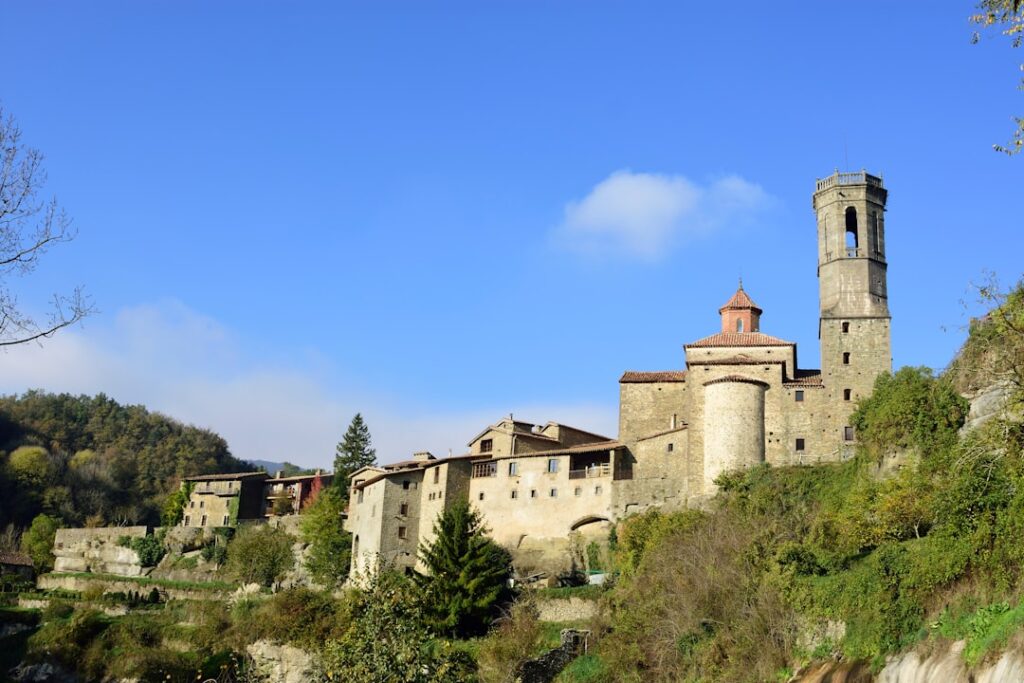
Tuscany conjures rolling hills, age‑old vineyards and hilltop medieval villages that feel frozen in time. Between tall cypress, honeyed stone and sweeping vistas, a handful of perched towns deliver the full Italian medieval experience: narrow cobbled alleys, watchtowers, ramparts, shady squares and tiny churches brimming with stories. Whether you’re a photographer, history buff, wine lover or a traveler who simply craves postcard views, these villages are essential stops on any Tuscan route. In this guide I’ve put together an immersive itinerary: the Top 10 hilltop medieval villages to visit in Tuscany, with exact addresses, opening hours, typical ticket prices in euros for major sites, sensory descriptions and practical local tips.
Each village below keeps its own distinct personality. Some boast leaning towers and famous panoramas, others intact fortresses or centuries‑old culinary traditions. You’ll find practical info — exact addresses, indicative entrance fees and hours that often change with the season — to help you plan stress‑free visits. Bear in mind that hours and prices can vary off season or during local festivals, so it’s always wise to check official sites or call ahead.
I’ll also share local tips: where to park without hassle, which alleys to favor during golden hour, which artisan shops to visit, and what regional treats to sample with a coffee on the terrace. The sensations matter as much as the facts: the smell of wood smoke from a fireplace, the crack of flagstones underfoot, the absolute hush of a misty morning on the ramparts. Pack your camera, comfortable walking shoes and an appetite — medieval Tuscany is ready to greet you with bold history and a gentle way of life.

San Gimignano and Volterra — towers and Etruscan echoes
San Gimignano (Torre Grossa, Palazzo Comunale)
San Gimignano is the poster child for medieval towers. Perched above the Elsa valley, its jagged skyline can be spotted from afar. The main monuments are the Torre Grossa and the Palazzo Comunale, located at Piazza del Duomo, 1, 53037 San Gimignano (SI). Typical opening hours for the Palazzo Comunale and Torre Grossa are 10:00–19:00 (longer hours in summer). The combined ticket for the palace and tower is usually around €10 for adults (reduced rates for youth and seniors often available).
The climb up Torre Grossa (about a hundred steps) rewards you with sweeping views over terracotta roofs and surrounding hills — a must for sunset photographers. Afterwards, wander across the Piazza della Cisterna, a charming cobbled square lined with cafés, perfect for a focaccia or an artisan gelato.
Practical tips: arrive early (before 10:00) to beat the crowds and use the soft morning light for photos. If you’re driving, park at the Parking Stadio (Via Giovanni Pascoli, free or paid depending on season) and walk up to the town gate. Don’t miss a tasting of Vernaccia di San Gimignano at a local producer.

Volterra (Museo Etrusco Guarnacci, Teatro Romano)
Volterra, another perched gem, has a history that predates the Middle Ages: Etruscan then Roman. The Museo Etrusco Guarnacci, at Via Don Minzoni, 15, 56048 Volterra (PI), houses a rich collection of funerary stelae and urns. Typical hours: 9:00–19:00 (seasonal variations). Admission is around €7–€10.
Nearby, the ruins of the Teatro Romano (Via del Teatro, 56048 Volterra) are freely accessible and offer a tangible link to ancient urban life. Volterra is easy to explore on foot: narrow lanes, alabaster workshops (perfect for picking up a handcrafted souvenir) and beautiful viewpoints along the balustrade overlooking the valleys.
Practical tips: stop by an alabaster workshop like La Bottega di Alabastro (Via Porta all’Arco) for a demonstration, and dine at an osteria to try the local wild boar stew. Parking is available at Parcheggio Sammontana (Via del Foro, paid).
Monteriggioni, Castiglione d’Orcia and Montalcino — ramparts, fortresses and wines
Monteriggioni (Castello, walls)
Perched like a jewel on a hill, Monteriggioni is famed for its complete ring of walls and crenellated towers. The heart of the village lies at Piazza Roma, 53035 Monteriggioni (SI). Access to the walls varies with the season: generally open from 9:00 to 18:00; a symbolic entrance fee is around €4 for the climb and the small museum.
Walking the ramparts gives you an authentic sense of medieval defense with 360° views over the Chianti countryside. The battlements and arrow slits tell stories of sieges and conflicts between Siena and Florence. Inside, narrow streets, little shops and cafés complete the experience. Monteriggioni is also a great starting point for short hikes along cypress‑lined paths.
Practical tips: the main parking is at the village entrance (Parcheggio Via Cassia). Avoid the harsh midday sun in summer — morning or late afternoon light is softer for photos. Try the local ribollita in a trattoria at Piazza Roma.
Castiglione d’Orcia (Rocca di Tentennano)
Castiglione d’Orcia clings to a rocky ridge with the Rocca di Tentennano standing guard. Address: Via Rocca, 53024 Castiglione d’Orcia (SI). Access to the fortress depends on seasonal openings, often 10:00–17:00; admission roughly €3–€5.
From the top you dominate the Val d’Orcia, a UNESCO landscape, where rolling hills and scattered farmhouses stretch to the horizon. The village’s intimate lanes invite stops at cafés and craft shops. The drive in winds between fields and olive groves — a sensory prelude to the visit.
Practical tips: combine Castiglione d’Orcia with a short stop at nearby Bagno Vignoni (historic thermal pools). Parking at the village entrance is limited: choose a compact car or consider biking if weather permits.

Montalcino (Fortezza di Montalcino)
Montalcino, world‑famous for its Brunello, is anchored by the Fortezza di Montalcino in the town center, at Piazza del Popolo, 2, 53024 Montalcino (SI). The fortress often hosts tastings and exhibitions; typical hours are 9:30–19:30. Entry to the fortress is about €4. Private cellar tastings range from €10 to €30, depending on the number of wines poured.
Stroll the ramparts, visit historic cellars nearby and stop in an enoteca to savor a Brunello di Montalcino while learning about the local terroir. The views from the fortress at sunset are unforgettable as the light gilds the vineyards and ravines.
Practical tips: for wine purchases, favor local producers like Tenuta Caparzo or the Enoteca la Fortezza (check tasting times in advance). The local market at Piazza del Popolo runs some mornings — a great spot for regional products.

Pitigliano, Cortona and Pienza — travertine stone and classic Tuscan vibes
Pitigliano (Duomo di San Pietro, Village Streets)
Pitigliano, nicknamed “Little Jerusalem” for its historic Jewish community and streets carved into tuff rock, is one of the most photogenic villages. The Duomo di San Pietro sits at Piazza della Repubblica, 14, 58017 Pitigliano (GR). Church hours are often 9:00–12:00 and 15:00–18:00; most religious visits are free, though some crypts may request a small contribution (≈ €2–€5).
Wander the narrow lanes, explore the old Jewish quarter and descend to viewpoints over the Marta valley. Warm blond façades and stone steps hewn from rock create an atmosphere that’s almost mystical in the early morning or at dusk.
Practical tips: park at Parcheggio Piazza Garibaldi (paid depending on season) and wear grippy shoes — some streets are steep and cobbled. For a culinary treat, taste the local specialty porchetta with a glass of Aleatico.
Cortona (Museo dell’Accademia Etrusca, Piazza della Repubblica)
Cortona, immortalized by books and films, sits on a hill rich in art and views. The Museo dell’Accademia Etrusca is at Via Nazionale, 65, 52044 Cortona (AR). Typical hours: 9:30–19:00; admission around €6–€8.
Walk to the Piazza della Repubblica, then climb to the Fortezza Medicea viewpoint for outstanding panoramas over the Val di Chiana. Cortona is also a great base for countryside hikes or visits to farms producing olive oil and cheese.
Practical tips: pair your cultural visit with a Tuscan cooking class or an olive oil tasting. Main parking is at Parcheggio Il Girone (Via Roma), from where you walk up to the historic center.
Pienza (Duomo di Pienza, Piazza Pio II)
Pienza is a Renaissance ideal town, and its ridge‑top position makes it a must‑see hilltop stop. The Duomo di Pienza and Opera del Duomo are at Piazza Pio II, 3, 53026 Pienza (SI). Opening hours: 8:30–19:00 depending on season; museum/duomo entry usually around €4–€6.
The central square, the cathedral and views over the Val d’Orcia form a perfect setting to taste Pienza’s famous pecorino. The surrounding lanes invite getting delightfully lost among artisan shops and tiny cafés.
Practical tips: to photograph the famous perspective from Via dell’Amore or Porta al Prato, aim for golden hour. Parking is at Porta al Prato (paid); Pienza is often combined in the same day with Montepulciano and Montalcino.

Volpaia, Anghiari and practical tips for a smooth route
Volpaia (Castello di Volpaia, winery)
Volpaia is a tiny medieval hamlet perched in the heart of Chianti Classico, at Località Volpaia, 53017 Radda in Chianti (SI). The village is known for its castle and winery, Castello di Volpaia, which offers tours and tastings. Tasting and cellar hours: 10:00–17:00; tasting prices roughly €10–€25 depending on how many wines you sample.
The fully pedestrian village offers stone alleys, small gardens and vineyard views. Wine lovers will appreciate detailed terroir explanations, while photographers will love the flowered steps and old doors.
Practical tips: book tastings in advance, especially in high season; parking is at the village entrance (Park Volpaia). Bring a light jacket for cooler cellars.

Anghiari (historic center, Piazza Mameli)
Anghiari, perched on a hill north of Arezzo, is known for its medieval battle and well‑preserved historic center. The main square is Piazza Mameli (52031 Anghiari AR). The parish church, the communal tower and small artisan shops shape the visit. Local museum hours vary; often they’re open 10:00–18:00, with entry fees between €3 and €6.
Stroll the alleys, climb to the viewpoint over the Valtiberina and stop in an osteria for a plate of pici al ragù. Anghiari is less touristy than many other villages, making it a calm, authentic stop.
Practical tips: park at Parcheggio Piazza San Francesco and explore the center on foot. Local festivals and historical reenactments are worth planning around if your trip coincides with the dates.
Conclusion
Tuscany is full of hilltop medieval villages that tell the story of a deep, layered Italy: defensive towers, preserved ramparts, cobbled streets and panoramas carved by centuries of culture. The ten places profiled — San Gimignano, Volterra, Monteriggioni, Castiglione d’Orcia, Montalcino, Pitigliano, Cortona, Pienza, Volpaia and Anghiari — each offer a different palette of experiences, from monumental heritage and artisan know‑how to culinary pleasures. Planning your stops with the addresses and hours given will help you get the most out of your trip, while still leaving room for the unexpected: a recommended trattoria, a chance‑encounter with an artisan, or an extraordinary light from a tower top.
A few final tips to make the most of your route: always double‑check opening times and prices on official monument websites or by phone, especially off season; visit early in the morning or late in the afternoon for the best light and quieter streets; bring comfortable shoes and a lightweight windbreaker — hilltops can be breezy. If you’re driving, choose a compact car for easier navigation on narrow lanes; otherwise consider local shuttles or organized tours.
Finally, leave time to savor the unexpected: a cozy cellar in Montalcino, an alabaster demo in Volterra, or a pecorino tasting in Pienza. Those off‑beat moments often turn a great trip into a lasting memory. Buon viaggio — and let medieval Tuscany tell you its thousand stories through stone and landscape.