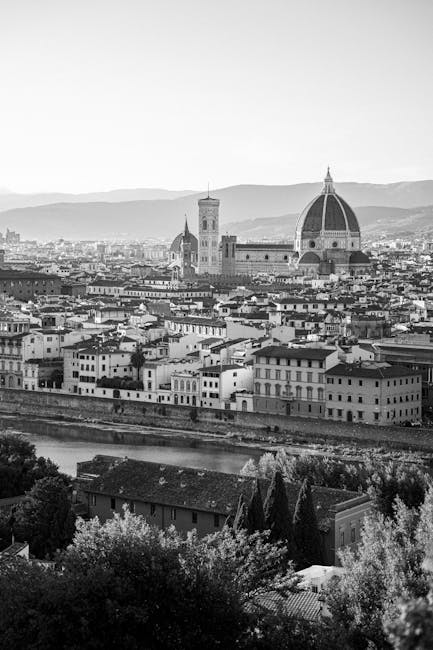






Introduction: Exploring Tuscany Without Breaking the Bank
Tuscany instantly conjures golden hills, lone cypresses, endless vineyards and art-filled towns packed with masterpieces. But the region’s charm isn’t limited to its landscapes: its museums — often set in medieval palaces or restored convents — hide treasures you can enjoy even on a tight budget. Knowing the right addresses, free-entry days, reduced fares and combined tickets lets you soak up a rich cultural offering without compromising on quality or experience.
This article is a practical, immersive selection of museums and cultural institutions across Tuscany where you can get in for free or for a modest sum. You’ll find full names, exact addresses, typical prices in euros (and common variations), and usual opening hours. Beyond practical info, I’ll paint a sensory picture to take you there: the light falling on a fresco, the creak of old floorboards in a medieval room, the hush of a cloister turned pinacoteca. I’ll also share local tips — how to avoid queues, which combined tickets are worth it, where to stash your bag during a visit, and when the best light hits the most famous rooms.
One important caveat: pricing policies in Italy change (temporary offers, restorations, municipal events). The info here is based on recurring practices — like the « prima domenica del mese » (first Sunday of the month) when many state museums are free, discounts for under-26s, or free entry for local residents — but I recommend checking official sites for exact opening hours and current fees before you go to avoid surprises. The goal of this guide is to give you a reliable, concrete roadmap to discover Tuscany’s cultural side affordably, and to inspire you to seek out some lesser-known gems that don’t always appear on the main tourist routes.
Florence: Affordable and Free Options in the Heart of the Renaissance
Florence hosts many major institutions, but it also offers lower-cost museums and interesting free-entry days. Start with the Museo Nazionale del Bargello, a former fortress turned sculpture museum. Address: Via del Proconsolo, 4, 50122 Firenze FI. Standard price: around €10.00 (reduced often around €4.00 for under-25s; free for under-18s and frequently free on the first Sunday of the month according to the Ministry of Cultural Heritage). Hours: generally 8:15–13:50 (check specific days; times vary by season).

The Museo Galileo (Museo Galileo – Istituto e Museo di Storia della Scienza) is a delight for lovers of historical scientific instruments. Address: Piazza dei Giudici, 1, 50122 Firenze FI. Price: full ticket around €10.00; reduced €6.00–8.00 depending on age; free on certain days or for residents during some temporary exhibitions. Hours: 9:30–18:00 (may be closed on Mondays). The collection of astronomical and optical instruments — telescopes, globes, microscopes — is displayed in a way that sparks almost childlike curiosity. Avoid peak late-morning times to enjoy softer light on the glass and brass.

For very affordable access, consider places like the Museo di San Marco (Piazza San Marco, 1, 50121 Firenze FI), where Fra Angelico’s former cell and the surrounding frescoes transport you into monastic quiet. Price: about €6.00–7.00 (reductions possible). Hours: roughly 8:15–13:50; closures vary. Local tip: the early morning corridors are often less crowded — arrive early to enjoy the frescoes nearly to yourself.
Finally, keep an eye out for combined tickets that let you visit multiple Florentine sites at a reduced rate — for example, a combo for the Duomo + Museo dell’Opera + Campanile can be cheaper than buying separate entries, especially if you qualify for youth or senior discounts.
Siena and the Province: Civic Museums, Archives and Occasional Free Days
Siena, with its Piazza del Campo and majestic cathedral, also has several lower-cost museums. The Museo Civico in Palazzo Pubblico houses Simone Martini’s famous Maestà and the Mappamondo room. Address: Piazza del Campo, 1, 53100 Siena SI. Price: around €8.00–10.00 (discounts for students and seniors). Hours: 10:00–19:00 in high season; reduced hours off-season. Don’t miss the Torre del Mangia (same complex) for a stunning view: combined tickets are often around €12.00–15.00.
Nearby, the Museo Archeologico Nazionale di Siena (Via Banchi di Sotto, 55, 53100 Siena SI) delves into the region’s Etruscan and medieval past with archaeological artifacts at modest prices (entry around €6.00–8.00). Hours: generally 8:30–19:00, but they vary by season and temporary exhibitions.

Practical tips for the province: many municipal museums (museo civico) offer free entry to town residents or symbolic fees (€1–3). During local events — the Palio di Siena, patron saint festivals, or European Heritage Days — many institutions open free or run low-cost guided tours. Check in with the local tourist office (Ufficio Turistico di Siena, Piazza del Campo, 1) for flyers and seasonal discounts.
Pisa, Lucca, and the Pisan Countryside: Small Galleries and Accessible Museums
Pisa and Lucca, often visited for their iconic monuments, also host museums on modest budgets. The Museo Nazionale di San Matteo in Pisa (Piazza San Matteo in Soarta, 1, 56126 Pisa PI) displays medieval Pisan paintings and sculptures; average price: €5.00–7.00. Hours: typically 9:00–19:00 (closed on Mondays).

In Lucca, the Museo Nazionale di Villa Guinigi (Via della Quarquonia, 25, 55100 Lucca LU) and the Museo Nazionale di Palazzo Mansi (Piazza Mansi, 4, 55100 Lucca LU) offer rich collections and temporary shows often priced around €4.00–6.00. Hours: 10:00–18:00 depending on season. Lucca is ideal for lovers of small pinacothecas and intimate atmospheres: many museums are housed in palaces where you feel history under every footstep.
Another tip: diocesan museums (Museo Diocesano) in small Tuscan towns — for example the Museo Diocesano di Volterra (Piazza dei Priori, 1, 56048 Volterra PI) — provide insight into local sacred art with very reasonable entry fees often under €6. These places are perfect if you enjoy religious art, reliquaries and local paintings without the crowds.
Hidden Gems and Free Museums: Practical Tips to Save
Beyond the sites already mentioned, several simple strategies will help stretch your museum budget in Tuscany. First, take advantage of free days: on the first Sunday of the month many state museums (Gallerie, Musei Statali) open for free — this can include provincial museums listed by the Ministry of Cultural Heritage. Note: these days draw crowds; arrive early.
Second, check discounts: many institutions offer free entry for under-18s, reduced rates for 18–25s, free or very low fees for European teachers, and group discounts. Third, buy combined tickets or local passes (for example the Firenze Card for intensive visitors, or municipal passes in Pisa/Lucca/Siena) if you plan multiple visits: they cut the per-visit cost.

Fourth, favor quiet hours: opening time and late afternoon are often less crowded — and they offer exceptional light on artworks. Finally, visit small municipal galleries and parish museums: they’re rarely packed, usually very cheap (€2–5) and offer personal encounters with local curators. A practical tip: bring small change, an ID to claim discounts, and a water bottle — some venues don’t sell drinks inside.
Conclusion: Tuscany’s Culture Within Everyone’s Reach
Tuscany isn’t just a destination for wealthy art lovers; it’s a region where culture is shared, lived and discovered at many price points. By combining visits to state museums on free days, exploring affordable municipal galleries, and using combined tickets or discount schemes, you can build a trip full of discoveries without blowing your budget. The museums I’ve highlighted — from the Museo Nazionale del Bargello to the Museo Nazionale di San Matteo, and the little pinacothecas of Lucca and Volterra — each offer a unique experience: intimate sculpture, centuries-old scientific instruments, silent frescoes, or local sacred art. These visits mix emotion and learning at a low cost.

Remember that beyond the big institutions, it’s often the small local venues that hide the best surprises: passionate curators, unexpected collections, and authentic atmospheres. With a little planning — checking official hours, noting free days, and favoring combined tickets — you’ll maximize your chances of fully enjoying Tuscany’s cultural riches without overspending. And keep your curiosity open: a slightly ajar convent door, a plaque pointing to a tiny atelier-museum, or a welcoming tourist office can lead you to memorable discoveries for just a few euros.