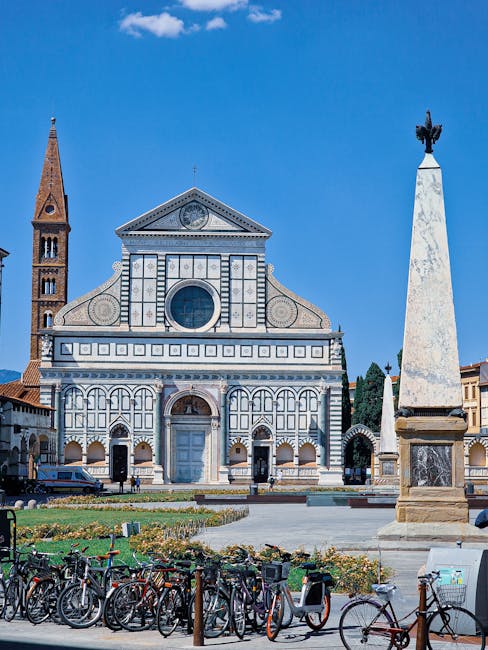






Introduction: Why plan a photo day in San Miniato, Tuscany
San Miniato, perched on a hill between Florence and Pisa, is a lesser-known Tuscan gem that’s incredibly photogenic. Its medieval silhouette rises over rolling hills dotted with cypress trees, vineyards and olive groves — the stuff of dreams for anyone aiming to create authentic, luminous images. A photo day in San Miniato gives you the best of both worlds: compact medieval architecture, cobbled alleys playing with light and shadow, sweeping 180-degree panoramas, and everyday local scenes that tell a strong visual story. The town is also famed for its white truffle from the Valdelsa and for its markets and small artisan shops — rich details that can add sensory depth to your photo series.
Planning your day is key to making the most of the best light and camera angles. Dawn and dusk in this area offer warm, oblique light that highlights stone textures, rooflines and tower silhouettes. But San Miniato isn’t only about the golden hours: misty autumn mornings, dramatic winter skies and clear spring afternoons each bring different moods worth anticipating. Good preparation includes knowing the exact spots to visit, monument opening times, must-see viewpoints and weather-based backups.
This article gives you a full day photo itinerary — from first light to the last rays — with exact addresses, opening times, approximate prices in euros, immersive descriptions and practical local tips (parking, coffee breaks, recommended kit, and how to respect the place). Whether you’re an enthusiast building your portfolio or a pro shooting a travel story, this guide will help you move efficiently and capture images that tell the story of San Miniato: its stones, panoramas, street portraits and culinary details. We cover five key locations and moments of the day, offering framing ideas, gear recommendations (lenses, filters), lesser-known angles and alternatives for crowds or bad weather. Finally, you’ll find suggestions for a tasty break and practical tips to respect locals and preserve the magic of the place while shooting.
San Miniato Alto: sunrise and panoramas from Piazza Buonaparte
Start your day at the top, in San Miniato Alto — the town’s medieval heart — for sunrise. Piazza Buonaparte is a great launch point: from this elevated square you get an unobstructed view over the Arno valley and the Tuscan hills stretching toward Florence and Pisa. Address: Piazza Buonaparte, 56028 San Miniato PI, Italy. Arrive 30 to 45 minutes before sunrise to set up your gear — tripod, remote shutter, and ND/grad filters if you want to smooth the light or balance the sky and foreground.
- Recommended timing: Arrive 30–45 minutes before sunrise. Sunrise time varies with the season: around 5:30–6:00 in summer and about 7:30–8:00 in winter.
- Cost: Public square access (free).
- Framing tip: Use a wide-angle (24–35mm) to include terrace roofs in the foreground and the hills beyond. A 70–200mm telephoto will help isolate silhouettes of lined-up cypress trees.
- Local tips: Mornings can be cool and foggy — bring a windbreaker. Park beforehand in the marked lots below the borgo to avoid a tiring uphill walk.
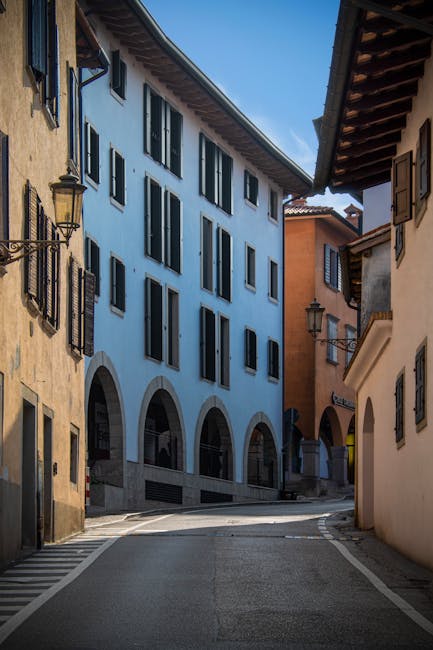
At sunrise, look for rooflines and chimneys that form striking graphic patterns. Also take advantage of the enchanting facades around Piazza Buonaparte and the nearby narrow lanes for environmental portraits in soft morning light. Shopkeepers slowly open their artisan stores; windows and displays (ceramics, textiles, truffles on show) make excellent detail subjects. Note the square is often quiet at dawn — ideal for crowd-free panoramas.
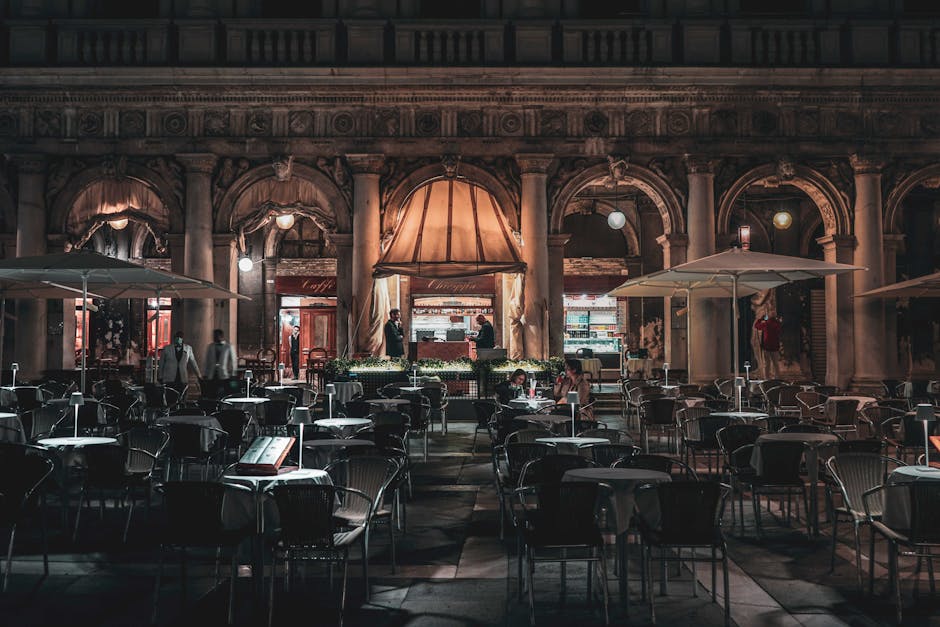
Duomo di San Miniato and Museo Diocesano: architecture and religious details
The Duomo di San Miniato is a must for architectural shots and ornamental detail. Address: Cattedrale di San Miniato, Piazza Buonaparte 1, 56028 San Miniato PI, Italy. Check opening hours before you go: typically the cathedral is open in the morning and afternoon, roughly 9:00–12:30 and 15:00–18:00; hours can vary with the season and services. Entrance: access to the nave is often free (suggested donation €2–5 for maintenance). To visit the Museo Diocesano and some chapels and liturgical objects expect about €3–6.
Why is the cathedral so interesting photographically? Its façade and interior provide a contrast of textures: polished stone and weathered plaster, ornate vaults and stained glass filtering light. Inside, favor side lighting: stained-glass windows cast colored bands that turn religious scenes into painterly images. Use a mid-range focal length (35–85mm) to capture atmosphere without distorting lines and, for ornamental details, a macro lens for inscriptions, gilding and sculpture.
Practical tips: respect service times and always ask permission before photographing people in prayer. Avoid flash in most churches to preserve artworks; instead use higher ISO with a discreet tripod or a fast lens. The Museo Diocesano often displays well-preserved medieval and Renaissance pieces — check the ticket desk for temporary exhibitions. To optimize your route, combine the cathedral visit with a climb up the Torre del Comune (if accessible) for elevated rooftop views.
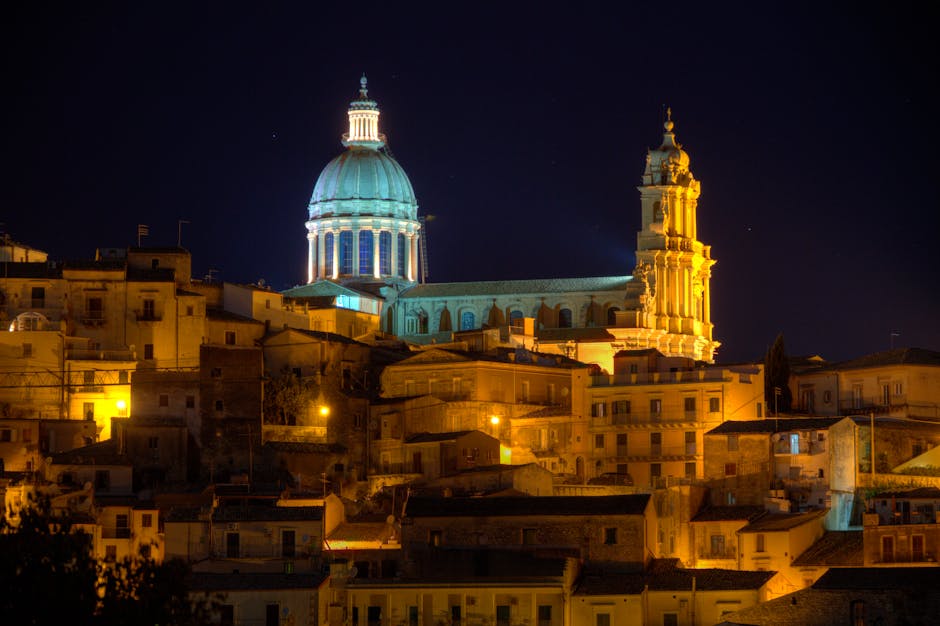
Rocca di San Miniato and the Tower panorama: aerial views and fortification details
The Rocca (fortress) of San Miniato and its tower offer elevated perspectives perfect for structured compositions. Address: Rocca San Miniato, Piazza della Rocca, 3, 56028 San Miniato PI, Italy. Opening hours: usually 10:00–18:00 (April–September) with reduced hours in low season — check before you go. Price: entry to the Rocca and tower around €4–7 per person (reduced rates for students and seniors). Climbing the tower usually costs extra but is well worth it for photo quality: the 360° view justifies the fee.
Arrive in late morning or late afternoon to get light that sculpts the ramparts. Stone walls, arrow slits and walkways make ideal subjects for graphic frames and textured close-ups. Panoramas from the tower let you isolate layered landscapes: tile roofs, strips of vineyards and groves of cypresses creating natural leading lines. A circular polarizer helps saturate sky colors and cut reflections on tiles.
Practical tips: the climb can be steep with narrow stairs — wear closed shoes. If you bring a tripod, make sure it’s allowed and doesn’t block other visitors. For dusk shots, the Rocca is a perfect spot to capture the first lights turning village streets into warm pinpoints against a darker scene.
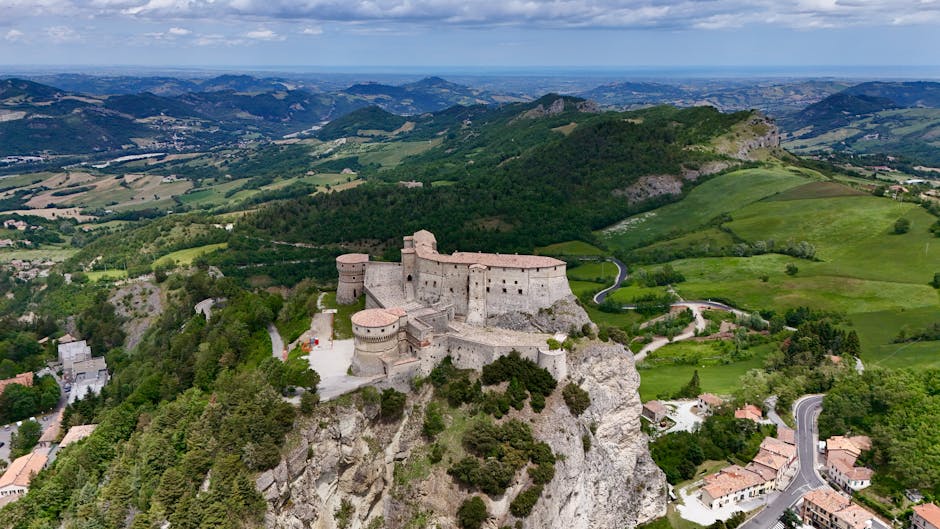
Alleys, markets and street portraits: capturing the town’s everyday soul
After visiting the viewpoints and stonework, head down into the alleys to photograph the intimate side of San Miniato: local markets, cafés, artisans and residents. The small market often takes place on Piazza della Repubblica or nearby depending on the day; practical address for scouting: Piazza della Repubblica, 56028 San Miniato PI, Italy (central square). Hours: typical morning market hours — 8:00–13:00; craft shops: 9:00–13:00 and 15:30–19:30. Cost: free to enter, purchases vary (local products: olive oil €7–15 per bottle, truffles and related products season-dependent).
Street photography calls for discretion and respect. Use a fast prime (35mm or 50mm) for natural portraits and candid scenes. Photograph colorful stalls (cheeses, cold cuts, fruit) and the vendors’ hands preparing or wrapping products — those details tell the local story. Typical pastries and dishes served in cafés (porchetta, bruschetta, artisan croissants) are great culinary subjects; always ask permission before photographing a person or a private counter.
Practical tips: spot a trattoria or bar where you can pause and observe: Bar Pasticceria Il Corso (example address: Corso Mazzini 12, 56028 San Miniato PI) opens early and offers good opportunities for lifestyle photos with local clientele. Meal times (12:30–14:30 and 19:30–22:00) make the streets livelier but busier — adapt your timing to the mood you want (empty, contemplative scenes in the morning; bustling scenes at midday).
Surrounding vineyards and olive groves: landscape shots and agricultural details
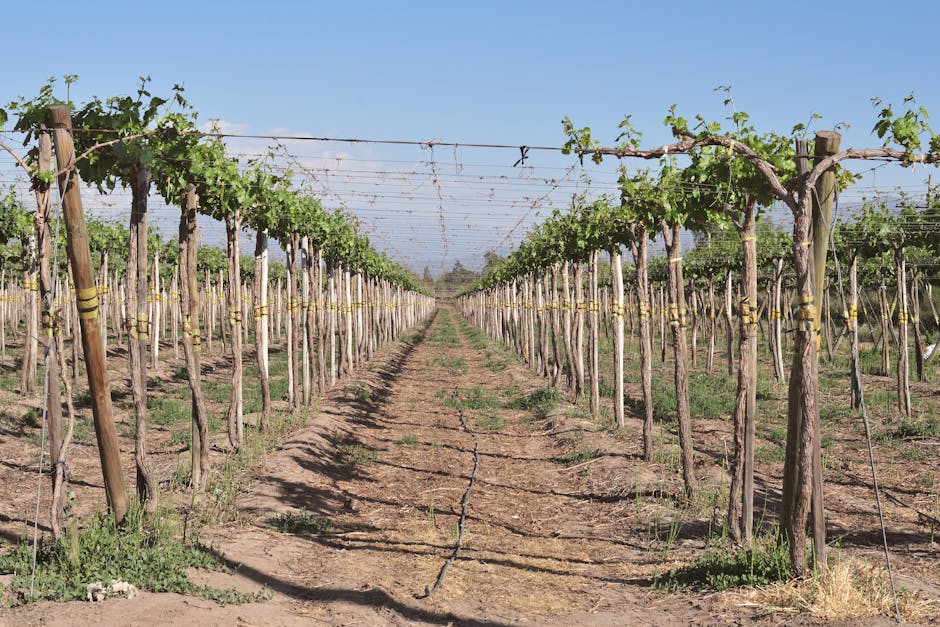
The countryside around San Miniato is shaped by waves of vineyards and olive trees — perfect for landscape series and capturing agricultural details. Explore secondary roads like the SP31 (Strada Provinciale 31) and the local lanes winding between Santa Maria a Monte and San Miniato. Recommended photo spots: small farms and panoramic views along Via Togliatti and Via S. Francesco (coordinates to check on site). Cost: viewpoints are usually free; to enter private properties or attend tastings you’ll often pay €10–25 per person for wine/olive oil tastings.
Photograph rows of vines in perspective, lone trees silhouetted at sunset, and the repetitive patterns of terraced olive groves. Use a telephoto lens to compress the scene and emphasize the layered hills. The golden hour in these areas is magical: low light brings out relief and long shadows that create graphic compositions. For atmosphere, look for light frost mornings or autumn low mist — those conditions add depth and mystery.
Practical tips: respect private property — don’t enter without permission. To taste local products or arrange a private shoot, contact agriturismi in advance, for example « Agriturismo Podere San Giuliano » (sample local farm), to agree on times and permissions. Bring boots if the ground is wet and a rain cover for your camera bag; Tuscan clay soil can get slippery after rain.
Conclusion: make the most of your photo day and come back with a cohesive portfolio
A successful photo day in San Miniato blends preparation, flexibility and a keen eye. To recap the suggested route: start at Piazza Buonaparte for sunrise, visit the Duomo di San Miniato and Museo Diocesano for architectural shots and religious details, climb the Rocca for panoramic views, dive into the alleys and market for street portraits and food shots, and finish among vineyards and olive groves for classic Tuscan landscapes. Each place offers different light ranges and motifs — vary your kit: wide-angle for panoramas, 35–50mm for street work, telephoto for landscape details, and a macro if you want close-ups of objects or food.
Plan breaks and anticipate logistics: public parking below the borgo, comfortable shoes for cobbles, and checking monument opening times (churches sometimes close for services). Respect local life: ask before taking portraits, avoid flash in places of worship, and be discreet at markets. Keep both a digital and a physical backup (extra SD card) of your shots, and bring spare batteries and a portable charger — a full day can drain a lot of power.
Finally, think in terms of storytelling: order your images to tell a narrative — dawn and stone for the introduction, street portraits and markets for the body of the story, and vineyards for a contemplative ending. If you return during truffle season (autumn), include a culinary session: photographing a truffle hunt with dogs, a tasting, or truffle dishes in a local trattoria can add strong editorial value to your portfolio. San Miniato is small but rich; with good planning and sensitivity to light and people, you’ll leave with a cohesive, varied and deeply Tuscan series of images.
Happy photo travels: pack your bag, check opening times (cathedral, Rocca, museums), respect the locals, and above all, allow yourself to be surprised by detours — sometimes it’s the forgotten little alley that yields the best shot of San Miniato.