




INTRODUCTION
Leaving for Tuscany for a short, food-focused three-day trip means saying yes to one of Italy’s richest culinary regions: from Florence’s bustling markets to the rolling Chianti hills, from Montalcino’s century-old cellars to the lanes of the Val d’Orcia, every stop is a lesson in taste and heritage. This 3-day route balances tastings, cultural visits and downtime, with practical addresses, sensible opening hours and local tips to make the most of your experience without rushing. You’ll learn where to find the best artisan gelato, how to book a Brunello tasting without surprises, and what specialties to order at each stop to truly get the flavor of Tuscany.
Tuscany offers more than food: each product tells a story. Pienza’s pecorino carries the scent of high pasture; Val d’Orcia’s extra virgin olive oil speaks of ancient olive trees; Chianti Classico reveals, in every sip, a marriage of terroir and skills handed down through generations. In three days you can build a rich, coherent culinary route: Florence for markets, cured meats and desserts; the Chianti area and Siena for wine, oil and rustic dishes; and finally Val d’Orcia, Montepulciano and Montalcino for aged cheeses and iconic wines (Vino Nobile and Brunello).
This guide includes precise addresses, indicative prices in euros, opening hours and practical tips—reservations, transport, riposo (midday breaks), and table etiquette. Suggestions assume travel by car, the most flexible way to explore Tuscany’s hills, but I also offer public transport and organized tour alternatives for those who prefer not to drive. Stops were chosen to minimize drive time and maximize culinary discovery: markets in the morning, wineries and trattorie for lunch, and more elaborate dinners in the evening.
Pack your appetite and a good pair of walking shoes: Tuscany is meant to be savored slowly, sometimes standing at the counter of a historic deli, sometimes seated beneath a stone pergola with a shared bottle of wine. The places I recommend are tried-and-true local favorites, offering a blend of tradition and authenticity. Follow this plan or adapt it to your tastes—but always leave room for the unexpected: an open olive oil producer, a small castle offering an impromptu tasting, or a market where someone hands you a warm slice of pecorino.

Day 1: Florence — markets, trattorie and must-try classics (central Florence)
Start your first day in Tuscany in the beating heart of Florence. In the morning head to the Mercato Centrale Firenze (Piazza del Mercato Centrale, 50123 Firenze FI). Exact address: Piazza del Mercato Centrale, 50123 Firenze FI, Italia. Hours: the ground-floor market typically opens 07:00–14:00 (traditional food market), while the upstairs food hall is usually open roughly 10:00–00:00 (seasonal hours may vary). Price guide: tastings from around €3 (coffee, sandwich); main dishes €8–18.
At Mercato Centrale wander among cured meats, cheesemongers, butchers, fishmongers and fresh pasta stalls. Try a lampredotto (Florentine tripe sandwich) at the Trippaio counter or a hot focaccia. Local producers also sell olive oil, honey and regional wines — it’s the best place for edible souvenirs to bring home. Practical tip: arrive early to avoid crowds, especially on weekends, and bring cash for small stalls; cards are accepted in many places but not everywhere.

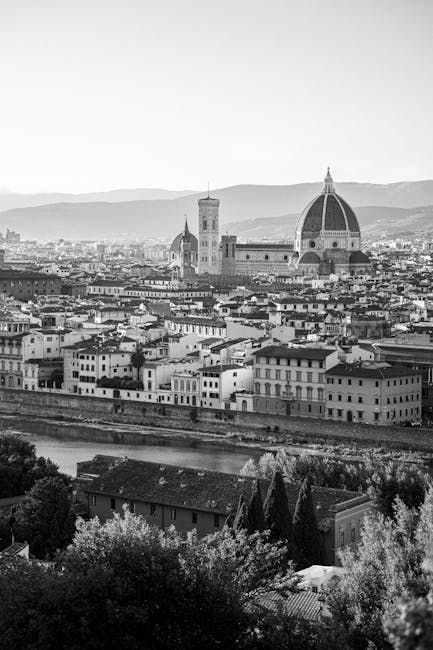
After the market, visit Florence’s essential cultural sites that shape the day: the Cattedrale di Santa Maria del Fiore (Duomo di Firenze), Piazza del Duomo, 50122 Firenze FI. Hours: cathedral generally 10:15–16:10 (hours vary by season and religious services). Price: full complex ticket (dome, baptistery, museum) around €20 (Opera del Duomo combined ticket). For a spectacular view, climb Brunelleschi’s dome (book ahead). Tip: buy tickets online to skip lines; the dome climb is physically demanding (463 steps).
For lunch try Trattoria Mario (Via Rosina, 2r, 50123 Firenze FI). Hours: 12:00–15:00 and 19:00–22:00, closed some Sundays. Average price: main courses €12–25. This family-run spot is known for ribollita, bistecca alla fiorentina (ask for « al sangue » if you like it rare), and generous portions. Local hint: seating is limited and often full — arrive early or expect to wait; the atmosphere is casual and cash is commonly used.
Spend the afternoon on art and refined gastronomy: visit the Galleria degli Uffizi (Piazzale degli Uffizi, 6, 50122 Firenze FI). Hours: 08:15–18:30 (closed Mondays). Price: standard ticket €20–25 depending on season; skip-the-line options run around €30–40. The gallery features masterpieces by Botticelli, Michelangelo and Leonardo da Vinci. Tip: book a guided tour if you want context on food-related artworks (banquets, still lifes) and to understand how dining influenced Renaissance art.
For dinner choose something a little more polished: Osteria del Cinghiale Bianco (Borgo San Jacopo 43r, 50125 Firenze FI) is known for traditional Tuscan dishes (wild boar, house-made pasta). Hours: 12:30–14:30 and 19:00–23:00. Prices: starters €6–12, mains €14–30. Reservations strongly recommended. Tip: ask the waiter for a local wine suggestion (Chianti Classico or Vernaccia di San Gimignano depending on the menu) and let them guide you on food-and-wine pairing.
Day 2: Chianti wine route and Siena — vineyards, olive oil and peasant fare
On day two, drive (or take a private tour) through the Chianti Classico area, famous for wooded hills, cypress-lined roads and estate wineries. Leave Florence early and reach Greve in Chianti (Piazza Matteotti, 50022 Greve in Chianti FI) in about a 40-minute drive. Greve is a classic market town with its Piazza Matteotti, wine shops and the renowned Enoteca Falorni (Via Roma, 43, 50022 Greve in Chianti FI). Hours: 09:30–19:30 (subject to change). Price: in-store tastings €5–15 per glass or small platter.

In Greve check out cheesemongers and fine food shops to taste Tuscan prosciutto, salumi and olive oil. For lunch stop at a rustic spot like Trattoria da Burde or pick a local osteria for a simple dish such as pici all’aglione (garlic pasta with tomato sauce). Expect around €12–25 per person.
The afternoon is perfect for a winery visit. Two top picks: Castello di Brolio (Località Brolio, 53013 Gaiole in Chianti SI) and Castello di Ama (Località Ama, 53013 Gaiole in Chianti SI). Castello di Brolio address: Località Brolio, 53013 Gaiole in Chianti SI. Hours for castle and cellars: guided tours and tastings usually 10:00–17:00 (off-season hours vary). Price: tour + tasting €15–30 per person. Book ahead in high season. These estates offer terraces with views, historic cellars and exceptional wines (Chianti Classico, Riserva).

Late afternoon, continue to Siena (Piazza del Campo, 53100 Siena SI), a medieval city with an intact atmosphere. Stroll across the Piazza del Campo — address: Piazza del Campo, 53100 Siena SI — and climb the Torre del Mangia (Palazzo Pubblico) for panoramic views. Torre del Mangia hours: typically 10:00–19:00 depending on season. Price: climb about €10–15.
For dinner pick a local trattoria such as Osteria Le Logge (Via del Porrione, 33, 53100 Siena SI). Hours: 12:30–14:30 and 19:30–22:30. Average prices: starters €8–15, mains €14–28. Practical tip: wine pours in Siena can be generous; ask for a « mezza » (half) if you want to sample several without overdoing it. Finish with cantuccini dipped in vin santo — a classic Tuscan ritual.
Day 3: Val d’Orcia, Pienza, Montalcino and Montepulciano — cheeses, Brunello and views
On day three head south into the iconic landscape of the Val d’Orcia. From Siena or Florence plan for a full day. Your first stop can be Pienza (Piazza Pio II, 53026 Pienza SI), a UNESCO World Heritage site. Address: Piazza Pio II, 53026 Pienza SI. Shop hours: cheese shops generally open 09:30–19:00; some close between 13:00 and 16:00 for the midday break. Price: pecorino tastings €4–10 depending on selection.
In Pienza taste different pecorino varieties (young, wood-aged, spicy). Visit a local dairy such as Antica Fattoria Pienza (local address: Via del Castello, Pienza—confirm exact location on arrival) or the shops around Piazza Pio II. Tip: ask for a cheese plate with fig jam or local honey to appreciate the sweet-salty balance typical of Tuscany.
Next drive to Montalcino, the capital of Brunello. Visit the Fortezza di Montalcino (Piazza del Popolo, 1, 53024 Montalcino SI). Hours: fortress and museums 09:00–19:00 (seasonal). Entry: the fortress exterior is often free; small exhibits €3–8. For Brunello tastings, book ahead at well-known estates like Caparzo (Località Caparzo, 53024 Montalcino SI) or Banfi (Castello Banfi, Località Poggio alle Mura, 53024 Montalcino SI). Caparzo address: Località Caparzo, 53024 Montalcino SI. Cellar hours: visits and tastings usually by appointment 10:00–17:00. Tasting price: €20–40 per person depending on the wines (Brunello di Montalcino Riserva is pricier).

Important tip: Brunello is a demanding wine; to get the most from a tasting avoid a big lunch beforehand, skip strong perfumes, and ask plenty of questions of the winemaker. Get advice on buying and transporting bottles in cabin or checked luggage if you plan to bring wines home — some estates offer protective packaging for travel.
Finish your route in Montepulciano (Via di Gracciano nel Corso, 44, 53045 Montepulciano SI) for a final Vino Nobile tasting. A historic spot to try is Cantina Contucci, Via di Gracciano nel Corso, 44, 53045 Montepulciano SI. Hours: shop open 09:30–18:00, tastings 10:00–17:00 (appointments possible). Tasting price: €15–25 per person. Wander the medieval streets afterward and, time permitting, stop at an osteria for one last regional plate (gnudi, wild boar ragu). Dinner in Montepulciano typically costs €15–30 per person.

Practical tips, logistics and useful addresses for a stress-free trip
Transport: renting a car is the most flexible way to follow this itinerary. Choose a small car (for example a Fiat 500) to navigate narrow roads and park in villages. Rental estimate: €40–70 per day depending on season and model. Tip: check if your accommodation offers parking and be aware of ZTL zones (restricted traffic zones) in historic centers (Florence and Siena): unauthorized entry can trigger automatic fines. Alternative: full-day guided tours (Chianti, Montalcino & Montepulciano) from Florence or Siena, priced €80–150 per person with tastings included.
Reservations and high season: for major museums (Uffizi, Accademia), book online at least 1–2 weeks in advance during high season (April–October). For top wineries (Castello di Brolio, Caparzo, Castello Banfi) reservations are highly recommended, especially for reserve tastings. For popular restaurants in Florence and Siena, a phone call or online booking in the morning for the evening can be enough, but in peak season book several days ahead.
Money and tipping: most places accept cards (Visa/Mastercard), but always keep some euros in cash for markets and small purchases. Tipping isn’t mandatory in Italy; leave 5–10% for excellent service or round up the bill in small trattorie. At market cash registers you’ll often pay small amounts in cash.
Table manners and useful phrases: start a meal with an antipasto (cured meat/cheese), continue with a primo (pasta or risotto), then a secondo (meat or fish) and finish with a dolce (dessert). To share a dish say « possiamo dividere? » (can we share?) and ask for the bill with « il conto per favore. » Note: bread doesn’t always arrive automatically — asking for « il pane » is perfectly fine.
Health and transporting food: to carry wine or olive oil in checked luggage, protect bottles with special travel sleeves (available at estates or some retailers). For air travel, check liquid allowances for carry-on: bottles should go in checked baggage or be purchased sealed in duty-free.
CONCLUSION
In three days, Tuscany delivers an intense, savory snapshot: Florence for market energy and art, Chianti for vineyards and terrace tastings, Siena for history and peasant cuisine, and Val d’Orcia for postcard panoramas, from Pienza’s pecorino to Montalcino’s Brunello. This itinerary is designed to be doable without rushing, yet rich enough to send you home with memories, flavors and addresses to share.
Key takeaways for a smooth experience: reserve popular museums and tastings; carry cash for small purchases; respect local hours (some shops close in the afternoon); and above all, ask producers and restaurateurs questions — that’s where the best recommendations and unique finds come from. A great bottle or an exceptional cheese tells a story of terroir and skilled hands. Bring a small cooler if you plan to take fresh products home, and check packaging options for air travel wine transport.
Finally, always leave room for spontaneity: an olive oil maker inviting you in, a market discovered by chance, or a sunset over the Chianti hills. Tuscany reveals itself slowly, through tasting, conversation and feeling. This three-day plan gives you the keys to a full culinary and cultural initiation — now adapt the pace to your appetite and the joy of the moment. Buon viaggio e buon appetito!

