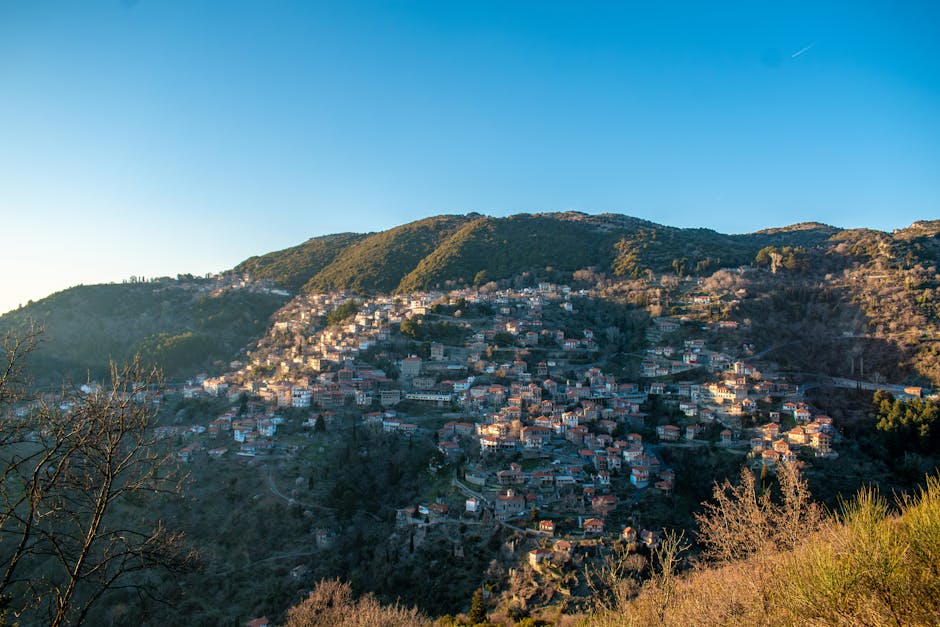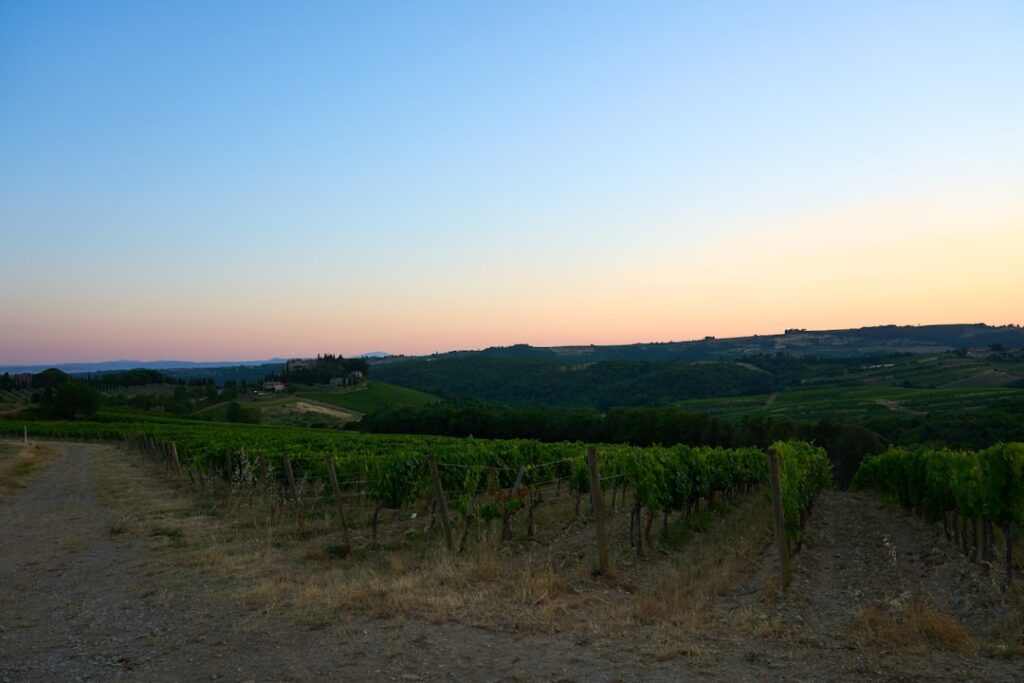






Introduction — A Sensory Dive into the Heart of Chianti Classico
The Chianti Classico region in Tuscany invites you to slow down: rolling hills lined with vines, slender cypress trees, hilltop medieval villages and cellars crafting exceptional wines. This practical guide—made for curious wine lovers and discerning travelers—walks you through tasting Chianti Classico in detail. It’s not just a list of labels: it’s about learning to feel clay-limestone soils, picking out aromas of black cherry, violet and spice, understanding the influence of Sangiovese—the king grape—and immersing yourself in the winemaking history of places like Greve in Chianti, Castellina in Chianti, Radda in Chianti and Gaiole in Chianti.
Our approach is hands-on and concrete. We’ll profile specific estates (with exact addresses), suggest typical opening hours, give price ranges for tastings and share local tips—from the best time of day to visit a cellar during harvest to how to navigate the narrow, winding roads of Chianti Classico. You’ll also find suggestions for classic food pairings, tips for reading a DOCG label, plus advice on booking visits and etiquette for a formal tasting.
Photography here is an art: the golden morning light across the vine rows, the blaze of sunset over Greve’s rooftops, the warm glow of an osteria’s fireplace in winter—these are scenes that will enrich your travel journal. This guide includes visual cues and image markers to help you picture the experiences on offer and plan your photo itinerary. Whether you’re coming for a romantic weekend, a week of discovery, or a longer wine-focused stay, this text is designed to make you confident, informed and eager to raise a glass in Chianti Classico.
Finally, Chianti Classico is a place of warm traditions. People here may be reserved with words but generous with gestures: a board of cured meats alongside a glass, a small demonstration to explain a wine, a stash of homemade olive oil. Follow our tips to respect these customs, make the most of your visits and turn a simple tasting into an authentic, memorable experience.
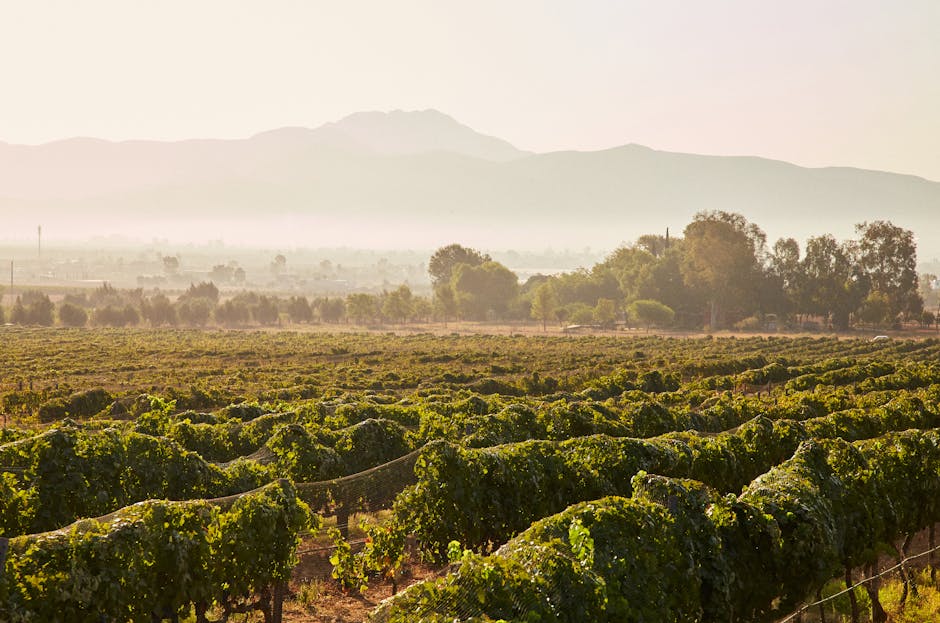
How to Choose a Cellar: Route and Wineries Not to Miss
Deciding which wineries to visit in Chianti Classico can feel overwhelming given how abundant the region is. For a first coherent route, focus on the triangle between Greve in Chianti, Castellina in Chianti and Gaiole in Chianti. These three hubs give convenient access to historic and contemporary estates, each with a distinct identity. Below are three notable and complementary estates, with addresses, typical opening times and indicative tasting prices:
- Castello di Brolio — Ricasoli
Address: Via di Brolio 9, 53013 Gaiole in Chianti SI, Italy. Hours: generally 9:30–18:30 (except holidays and low season: check online). Price: castle tour and simple tasting from €15; guided tour and verticals or food-pairing tastings €25–40; entrance to the castle museum around €12–15. Owned by the Ricasoli family since the 19th century, the estate offers a historical walk through gardens and cellars with spectacular valley views. - Castello di Ama
Address: Località Ama, 53013 Gaiole in Chianti SI, Italy. Hours: visits and tastings by reservation, often 10:00–16:30. Price: classic tastings €30–45; more immersive oenological experiences up to €60–80 depending on pairings and tours of the art installations. Castello di Ama blends contemporary art with high-end winemaking: site-specific sculptures and installations enhance the sensory experience. - Antinori nel Chianti Classico
Address: Via Cassia per Siena, 133, 50026 Bargino (San Casciano in Val di Pesa) FI, Italy. Hours: 10:00–18:00 in the tourist season; times vary, reservation recommended. Price: tour and tasting from €25–35; premium experiences and restaurant meals can reach €80–150 per person. The modern architecture and hilltop views make it an iconic stop, while the Antinori family’s historic cuvées are on offer.
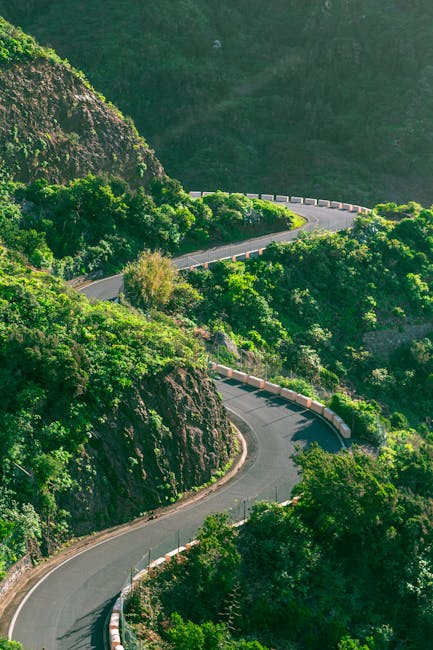
Practical tips: always book ahead, especially in high season (April–October); call to confirm opening hours and languages available for tours; allow extra time to navigate secondary roads that can be narrow and lack perfect GPS signage. If you’re driving, keep coins handy for private parking and never drink and drive: designate a sober driver or hire a local driver or organized tour. Also, always ask whether the tasting includes a tour of the barrels and vineyards—this adds important context to the terroir.
Tasting Techniques and Vocabulary: Understanding What You’re Drinking
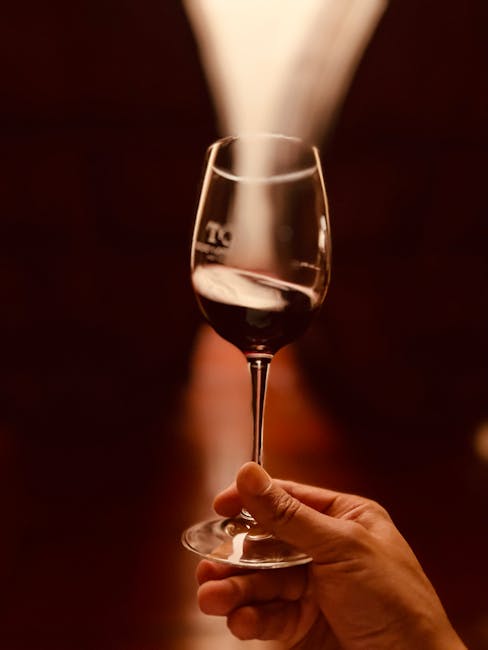
Tasting wine involves three main steps: visual assessment, the nose, and the palate. Start by observing the color: a young Chianti Classico usually shows a bright ruby hue, while older vintages trend toward garnet. Then bring the glass to your nose and inhale deeply. Typical Sangiovese aromas include black cherry, plum and violet, with tobacco, leather or spice notes emerging when the wine has seen oak. On the palate, evaluate the acidity—Sangiovese is known for lively acidity—the tannic structure and the flavor length, meaning how long the tastes linger after swallowing.
Key vocabulary:
- Terroir: the combination of soil, climate and exposure that influences a wine’s flavor.
- Body: the sensation of weight in the mouth (light, medium, full-bodied).
- Tannins: compounds that create astringency and dryness; they give structure to the wine.
- Acidity: provides freshness and balances alcohol and sugars.
- Primary, secondary, tertiary aromas: fruit/flowers, fermentation-derived aromas (bread, yogurt), and ageing notes (wood, leather).
Tasting practice: use a tulip-shaped glass (ISO type) to concentrate aromas. Hold the glass by the stem to avoid warming the wine. For multiple tastings, go from lighter to fuller wines; cleanse the palate with water and plain bread between samples. If the tasting includes food pairings, notice how a fatty cheese softens tannins or how a tomato sauce can emphasize acidity.
Local tip: at an osteria like Osteria Le Panzanelle (Piazza della Repubblica, 12, 50022 Greve in Chianti), ordering a « tagliere » (a board) of salumi and cheeses is the best way to test pairings. Indicative price: €12–18 for a generous board. Small family-run places often share their own crostini or grilled bread with local olive oil—a perfect companion for a young, fruity Chianti Classico.
Logistics and Practical Recommendations for Your Stay
Planning a wine getaway in Chianti Classico takes a bit of logistical preparation to maximize enjoyment: transportation, season, accommodation and respecting opening hours. Transportation: the region is easiest to explore by car. The distance from Florence (Firenze) to Greve in Chianti is about 35 km (allow 45–60 minutes). Renting a car at Amerigo Vespucci Airport (Aeroporto di Firenze-Peretola, Via San Domenico, 1, 50127 Firenze) costs roughly €35 per day in low season to €80 and up in high season depending on the car class. Alternatively, book a private driver: daily rates for custom tours run around €250–400 depending on vehicle and duration.
Accommodation: for the full experience, choose an agriturismo or a historic relais. Examples:
- Villa Bordoni — Località Spedaletto, 15, 50022 Greve in Chianti FI. Rates: double rooms €120–250 per night depending on season. Services: starred restaurant, breakfast included, private parking.
- Castello di Spaltenna — Località Spaltenna, 53013 Gaiole in Chianti SI. Rates: €150–300 per night. Perks: spa, access to trails and fine dining.
Season: high tourist season runs April to October, with peaks in May–June and September. November to March is quieter and offers lower rates, but some wineries close in low season—always check. Harvest typically occurs in September–October: it’s a lively spectacle, but many estates require strict reservations to access production areas and special tastings.
Budget: plan for €20–60 per standard tasting and €50–150 for premium experiences that include meals or verticals. Meals: a lunch in an osteria runs about €15–35 per person; a gastronomic dinner can exceed €70–120. Bottle prices at the wineries vary: €10–25 for a standard Chianti Classico, €25–80 for Riserva and special cuvées.
Local tips: bring comfortable shoes for walking in the vineyards, a windproof jacket for cool late afternoons and a small flashlight for underground cellars. Always look for the « Chianti Classico DOCG » label—the black rooster (Gallo Nero) is the quality symbol guaranteeing origin. Finally, when shipping wine home, check export quotas and packaging: many wineries offer reliable and affordable international shipping services.
Conclusion — The Memory of a Shared Chianti Classico
Tasting Chianti Classico is more than a sequence of glasses savored: it’s an encounter with a land, its history and its people. From Castello di Brolio to Antinori, through Greve’s small family cellars or the art-driven estates of Castello di Ama, each visit reveals a different facet of Sangiovese and Tuscan terroir. By preparing your visits with the addresses, hours and tips in this guide, you’ll enhance the quality of your wine encounters while respecting local rhythms and the craftspersonship of producers.
Remember that tasting is also a cultural act: accepting an invitation to share a glass, listening to a winemaker’s story and tasting a wine in its production context enrich the experience as much as the palate. Practical advice—book ahead, assign a sober driver, set a realistic budget and choose lodgings that extend the experience—will help turn a weekend in Chianti into a memorable trip. Don’t forget to bring back photos: the vineyard at sunrise, a glass held over a golden field, a discovered label in an artisan shop—these tangible memories are worth bringing home.
Finally, whether you’re a beginner or a seasoned oenophile, leave room for surprise: tasting an unexpected wine, finding a small producer off the tourist track, or sharing a simple meal in a local osteria can become the highlight of your stay. Chianti Classico is a region of slow, deep discoveries; take the time to listen, and you’ll return with more than bottles—you’ll take home an understanding and a memory of Tuscan flavors that will last a lifetime.