





Introduction: Why Go Wine Tasting in Chianti from Florence
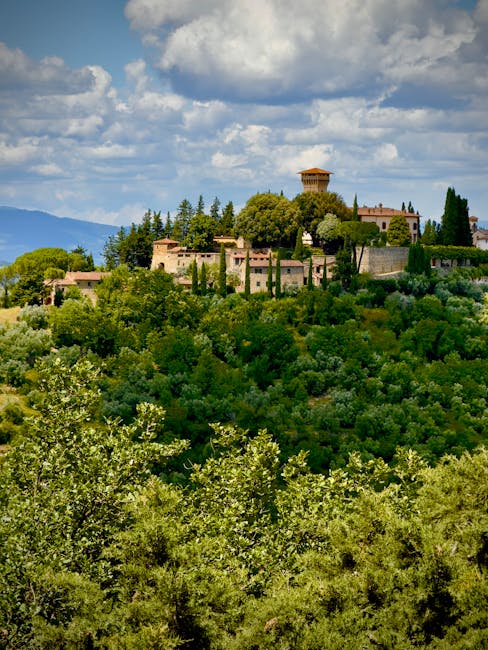
Tuscany has long carried a romantic, culinary mystique that draws travelers from around the globe. Just a short drive from Florence lies Chianti, the iconic wine region where rolling hills alternate between olive groves, cypress-lined roads and neatly planted vineyards. Going wine tasting in Chianti from Florence is more than a vinous activity: it’s a sensory immersion in landscape, centuries of history and a way of life. From Piazza Santa Maria Novella or Santa Maria Novella train station, you can escape to historic estates, monasteries turned wineries and medieval castles producing some of Italy’s finest wines, including Chianti Classico, Chianti Rufina and excellent modern Tuscan bottles.
This complete guide walks you through everything: practical routes, exact addresses, opening hours, prices in euros and local tips to make the most of your day — whether you’re an enthusiastic amateur, a couple after a romantic escape, or a curious group of friends. You’ll discover famed estates like Castello di Verrazzano and Antinori nel Chianti Classico, art-driven properties like Castello di Ama, and sacred sites converted into wineries such as the Badia a Passignano. Every place is described with sensory detail: how the soil smells after rain, the color of the grapes in autumn, the feel of a new oak barrel and the balance of a Sangiovese on the palate.
Leaving from Florence makes planning easier: many estates offer direct transfers, multilingual guided tours and combined experiences (tasting + Tuscan lunch + cellars tour). We cover practical info to help you book: GPS-ready addresses, typical time windows, indicative tasting prices and recommendations on the best time to visit (spring for the blooms, autumn for harvest). You’ll also find local advice — dress in layers, wear sturdy shoes, book ahead in high season, try the local bruschetta and learn a few useful Italian phrases for your visit. Ready to raise a glass under the Tuscan sun? Follow the guide.

Castello di Verrazzano: Castle, Vineyards and a Regal Tasting
Located in Greve in Chianti, Castello di Verrazzano is one of the region’s most emblematic historic estates. The exact address is Via di Belvedere, 2, 50022 Greve in Chianti FI, Italy. Dating back to the 11th century, the estate sits in a panoramic position amid hectares of vines and olive trees. From the moment you arrive — down a cypress-lined approach with the castle silhouette ahead — the terrace tasting views over the valley and neighboring hamlets are a photographer’s dream.
Opening hours: guided tours and tastings are available Monday to Saturday, 10:00–17:30. Sunday opening varies, so booking is recommended. Prices: standard tour + tasting of 3 wines plus olive oil: €25 per person; a deeper visit with 5 wines and a Tuscan lunch: €55–€75 depending on the menu. There are also private premium options starting around €150 per person.
A typical tour starts with the historic cellars, where the guide explains Sangiovese winemaking — the king grape of Chianti Classico — and modern blends. You’ll see large wooden vats, new barriques and even amphorae used for experimental cuvées. Tastings typically showcase a range: a fresh, fruity Chianti Classico, a more structured Riserva and sometimes an estate-aged wine. Pairings often include local cured meats, pecorino cheeses and bruschetta drizzled with house olive oil.
Practical tips: arrive in the morning for the best light and cooler temperatures, especially in summer. Parking on-site is usually free but limited; groups should notify the estate in advance to reserve space. From Florence, the drive takes about 35–45 minutes depending on traffic — follow the scenic SR222 Chiantigiana for a beautiful route. Tours can accommodate gluten-free diets if you mention it when booking. Finally, if you’re driving, practice moderation during tastings — consider a driver, private transfer or an organized tour.

Antinori nel Chianti Classico: Bold Modern Architecture and a Spectacular Cellar
Antinori nel Chianti Classico is the contemporary showcase of a winemaking dynasty spanning eight centuries. The striking modern building is located at Via Cassia per Siena, 133, 50022 Bargino, San Casciano in Val di Pesa FI, Italy. Built to blend into the hill, it hugs the landscape and offers sweeping views over classic vineyards. Visiting Antinori combines architecture, art and wine: you’ll tour landscaped rooms, subterranean cellars and a family museum that traces the evolution of Tuscan winemaking.
Opening hours: the center is open Monday to Saturday from 10:00–18:00, with visits by reservation (last tours often at 16:00 or 16:30). Prices: standard visit with 3 tastings €30–€40; premium visit with 5 wines and access to private facilities €70–€95; lunch at the Osteria dell’Antinori: menus from about €45 per person. Offers vary by season and special events.
Tours typically begin with a multimedia intro about the Antinori family, followed by a stroll through ultra-modern caves where wines ferment in specific vats and barrels. Tastings are designed to showcase range: historic cru, reserve wines and sometimes a long-aging bottling. The on-site restaurant presents refined Tuscan cuisine, thoughtfully paired with estate wines.
Practical tips: book several weeks in advance during high season (May–September) as spots fill up fast. It’s an easy 25–35 minute drive from Florence; private transfers and organized tours from Piazza Santa Maria Novella are also available. Photographers should aim for late afternoon light — it flatters the façade and surrounding hills. If you’re after bottles hard to find abroad, ask the shop for the estate’s reserved list — some cuvées are exclusive to the winery.
Castello di Ama and Contemporary Art Among the Vines
In the village of Ama within the municipality of Gaiole in Chianti lies Castello di Ama, a place where wine and contemporary art meet. Address: Località Ama, 53013 Gaiole in Chianti SI, Italy. This is a more intimate estate, beloved by art and architecture lovers: several contemporary installations and sculptures punctuate the paths between vineyards and village, creating a unique cultural experience in the heart of Chianti Classico.
Opening hours: tours and tastings are generally available Monday to Saturday from 10:00–17:00; some weekends and special exhibition periods may extend hours. Prices: standard tasting with 3 wines €30; visit with 5 wines and a guided art tour €60–€80; tasting dinners and food-and-wine events €80–€150 depending on the menu. Prices can vary with the cultural season.
The Ama visit starts with a walk through the small historic village, then into the cellars and onto terraces where the estate’s philosophy is explained: respect for terroir, hands-on work and small-batch production. Wines here, mostly Sangiovese-based, are known for their finesse and expression of the area’s clay-limestone soils. Commissioned contemporary artworks — often site-specific — give the estate a distinctive atmosphere: picture a monumental sculpture amid the vines or an art pavilion offering a modern counterpoint to stone cottages.
Practical tips: pair the estate visit with lunch in the village or a picnic from a local deli to fully soak in the views. Parking is available but limited; the narrow, winding access roads require caution and slow speeds. Art lovers should check exhibition and artist residency calendars — some works are temporary. Don’t forget to buy a bottle or two at the producer — Ama’s signature cuvées are often not widely distributed abroad.
Badia a Passignano and Fattoria La Massa: Monastic Traditions and Tuscan Farm Life
If you’re drawn to the contrast between sacred spaces and agricultural production, Badia a Passignano is a must-visit. Address: Via Passignano, 22, 50028 Barberino Tavarnelle FI, Italy. This Benedictine abbey, partially converted into a wine estate and enotourism site, produces characterful wines and offers a contemplative atmosphere with monastic cells, cloisters and cellars carved into the rock. Opening hours: guided tours by reservation, usually Tuesday to Saturday from 10:00–16:00; religious services and activities must be respected. Prices: standard tasting €25–€40; historical tour + tasting €45–€70 depending on the option.
Nearby, Fattoria La Massa (address: Via della Massa, 50022 Tavarnelle Val di Pesa FI, Italy — note that some Tuscan houses use address variants, so check your booking confirmation) focuses more on rural hospitality: lodging, horseback rides, olive groves and hearty countryside lunches. Hours: tastings and visits are available Monday to Sunday by appointment, typically 09:30–18:00. Prices: simple tasting €20–€35; farmhouse lunch €30–€60 depending on the menu. These places emphasize artisanal quality over industrial production.
A visit to an abbey like Badia a Passignano offers a sense of time: how monks shaped the landscape, preserved agricultural practices and protected native grape varieties. Tastings often include more traditional, rustic and saline-style wines that pair wonderfully with Tuscan dishes like cinghiale (wild boar) or a simple plate of al dente pasta. Fattoria La Massa emphasizes farm-to-table products: oils, jams, vegetables and wines meant to accompany meals.
Practical tips: respect religious spaces (some areas require modest dress), avoid noisy visits during prayer times and wear comfortable shoes for walking on ancient cobbles. If you plan to stay in a hunting lodge or farmhouse, book well in advance — especially in September and October during harvest season. Ask the producer about shipping options: many estates offer international shipping or storage solutions if you’re staying longer.

Practical Tips for Organizing a Tasting Trip from Florence
Getting to Chianti from Florence is straightforward but benefits from a little planning to make the most of your time. Here are concrete, practical tips:
- Transport: renting a car gives the greatest freedom; rural roads like the SR222 « Chiantigiana » are scenic but winding. Travel time: 25–60 minutes depending on your destination. If you prefer not to drive, opt for an organized tour or a private driver. Private transfer rates from Florence: roughly €80–€200 for a half-day depending on vehicle and distance.
- Booking: essential in high season (May–September) and for event weekends. Call or use online forms; mention allergies and the exact number of participants.
- Budget: plan on €25–€80 per person for a standard tasting; add €30–€80 for lunch or premium experiences. If you intend to buy bottles, budget for 1–3 bottles, typically €12–€60 each depending on the estate.
- Best time to visit: April–June for blossoms and mild weather; September–October for harvest and autumn colors (the busiest time).
- What to wear: dress in layers for daytime warmth and cooler evenings; closed-toe shoes are recommended for vineyard plots and cellars.
- Language: many wineries speak English; a few useful Italian phrases: « buongiorno » (hello), « grazie » (thank you), « vorrei prenotare » (I would like to book), « bicchiere » (glass).
- Souvenirs and purchases: ask about storage and shipping; some estates offer special packaging for export.
Follow these tips and you’ll turn a simple tasting into a memorable day: scenery, flavors, learning and human encounters. Remember that Chianti is more than wine: it’s a regional culture to be savored slowly.

Conclusion: Chianti as a Sensory and Cultural Experience
A Chianti escape from Florence is far more than a string of tasting glasses: it’s a dive into a living terroir where history, geology and the art of the vine meet. From the medieval walls of Castello di Verrazzano to the bold lines of Antinori nel Chianti Classico, via the sculptures at Castello di Ama and the cloisters of Badia a Passignano, each estate tells its own story — of a landscape shaped by people devoted to their land. The addresses, hours and prices provided help you plan effectively: remember to book, consider a driver if you plan multiple tastings and respect religious and private spaces.
Chianti is best enjoyed with body and mind: pair wines with rustic dishes (pecorino, cured meats, pasta with ragù or cinghiale) and take the time to smell freshly pressed olive oil, feel the vineyard soil and listen to the winemaker’s stories. If you have limited time in Florence, prioritize nearby estates like Antinori or Verrazzano; if you seek authenticity and craftsmanship, head to Castello di Ama or family-run farms. Consider extending your Tuscan stay: a meal in a local osteria, a bike ride through the vines or an evening in Florence will perfectly complement your wine-focused trip.
Finally, remember that each visit is a chance to learn and connect: ask about the history of vintages, harvest records and cellaring advice for bottles you buy. Chianti is a place of sharing — share your impressions, favorite pairings and maybe a bottle with newly made friends at the bar. Salute — alla salute — and enjoy your journey through the Tuscan hills.