





Introduction — Why a 4-day Tuscany itinerary focused on must-see villages
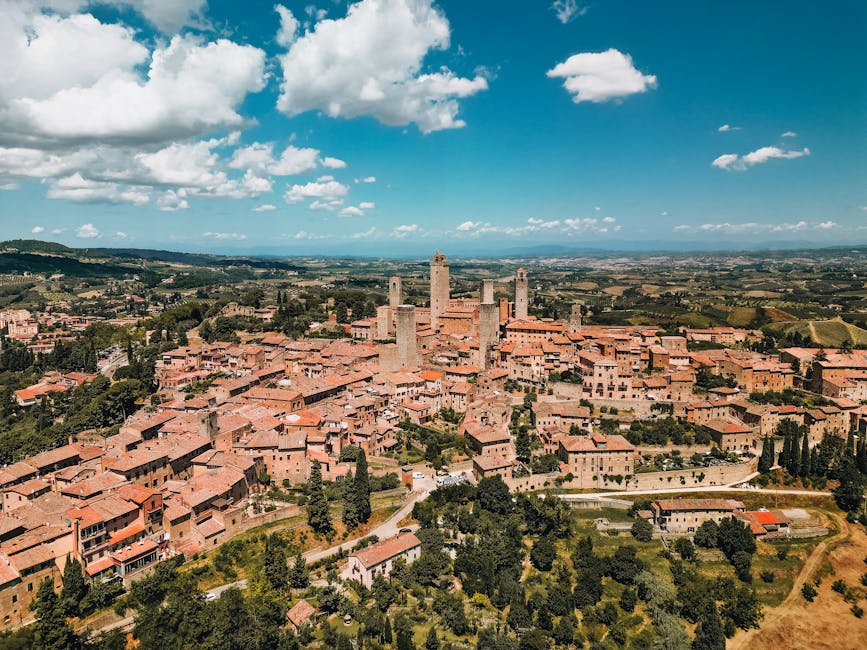
Tuscany instantly conjures rolling landscapes, golden vineyards, cypress-lined lanes and small medieval villages where time seems to stand still. A 4-day Tuscany itinerary devoted to the region’s unmissable villages is perfect for travelers who want to soak up the essence of the area: stone architecture, lively piazzas, local artisans and generous tables. This general guide, designed for a four-day trip, lays out a practical, immersive route with specific addresses, opening hours, indicative prices in euros and local tips to make the most of each stop.
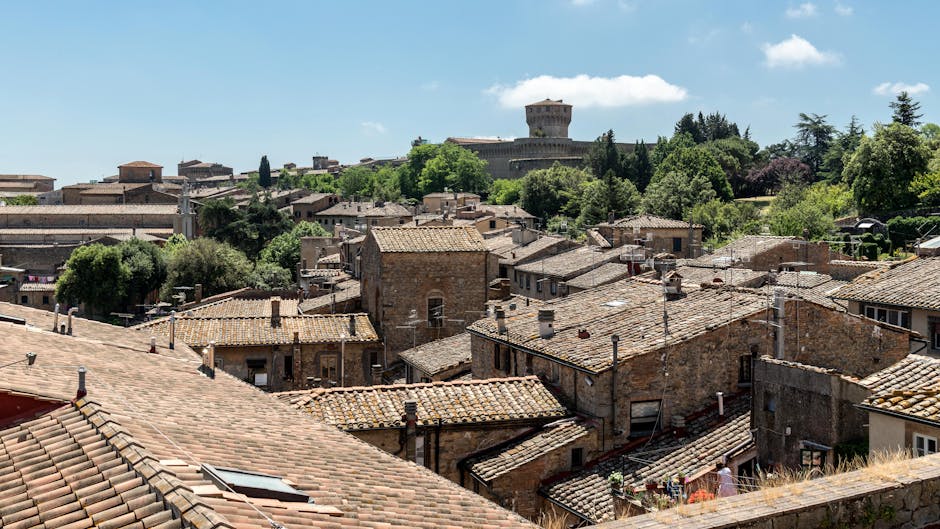
In four days you can explore a wide variety of sites: the medieval towers of San Gimignano, the mysterious lanes of Volterra, Val d’Orcia panoramas from Pienza and Montepulciano, and the fortress of Montalcino. Each village has its own personality: San Gimignano captivates with its skyline of towers, Volterra with its Etruscan past, Pienza with its Renaissance town planning, and Montalcino with its exceptional wines. This guide doesn’t just list places; it suggests a realistic pace for each day, morning and evening visit ideas, restaurants tried on the ground (with price ranges), useful contacts (parking, tourist offices) and practical advice (best times to avoid crowds, parking options, wine-tasting tips).
You’ll also find pragmatic information: typical opening hours, prices for main monuments and museums, full addresses (street, number, postal code, city), and transport recommendations (rental car, paid parking, bus alternatives). Tuscan villages are often best explored on foot; parking can be paid and limited, especially in high season. For this reason, each day includes alternatives for those who want a slower pace or want to swap a visit for a short hike or a winery tasting.
Finally, this guide includes local tips for savoring Tuscany with meaning: how to choose an agriturismo for a night, which wine to try depending on the village, local products to bring home, and how to respect Italian customs and opening hours (for example, the afternoon siesta in some small shops). Photographers and landscape lovers will find pointers for capturing the golden morning or evening light. History and architecture enthusiasts will get targeted addresses for specific monuments. Get ready for four days packed with discovery, perfectly calibrated for travelers who want to immerse themselves in authentic Tuscany, away from express circuits but without sacrificing comfort or logistics.
1) Day 1 — San Gimignano and Monteriggioni: medieval towers and crenellated panoramas
Morning — Arrival and visit to San Gimignano
- Collegiate Church of Santa Maria Assunta (Duomo di San Gimignano), Piazza del Duomo, 1, 53037 San Gimignano SI, Italy. Hours: 10:00–19:00 (Apr–Sep), 10:00–17:00 (Oct–Mar). Price: combined entry with Torre Grossa around €9–€12 depending on season. Description: a Romanesque cathedral with remarkable medieval frescoes; a perfect starting point to understand the town’s religious history.
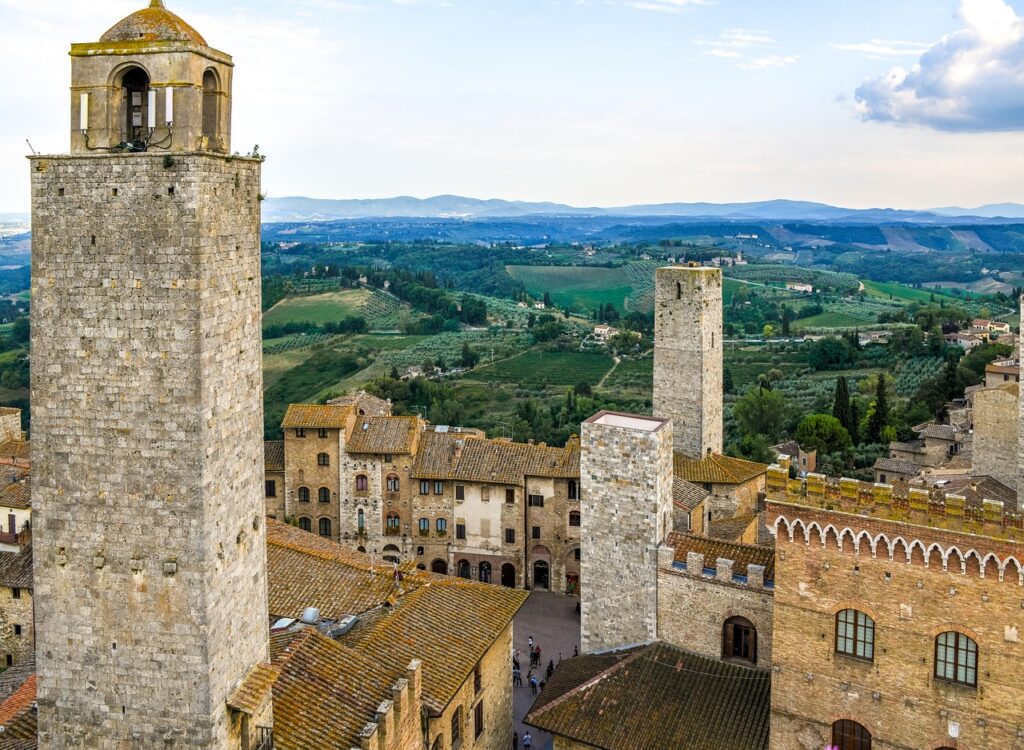
- Torre Grossa, Piazza del Duomo, 1, 53037 San Gimignano SI. Hours: 10:00–18:30 (high season). Price: €9–€10. Description: the tallest tower open to the public (54 m); climb 218 steps for a spectacular panorama over the towers and the Tuscan countryside.
Practical tips: arrive early (or be there at opening at 10:00) to avoid the crowds. Recommended parking: Parcheggio Santa Chiara, Via San Matteo, 53037 San Gimignano SI. Paid parking approx. €2–€3/hour, daily maximum ~ €10–€15 in high season.
Lunch — Local trattoria
- Trattoria Chiribiri, Via San Giovanni, 68, 53037 San Gimignano SI. Hours: 12:00–14:30, 19:00–22:00. Budget: mains €12–€20. Specialty: homemade pasta and Vernaccia di San Gimignano wines.
Afternoon — Monteriggioni
- Castello di Monteriggioni, Piazza Roma, 11, 53035 Monteriggioni SI. Hours: 10:00–19:00 (variable off season). Entry to the fortified village is free; access to the ramparts €3–€5 if certain sections are ticketed. Description: a nearly fully preserved fortified village, perfect for a walk along the walls with views over the countryside.
Local tip: the road between San Gimignano and Monteriggioni (via SR429) offers stunning views; favor the sunset from Monteriggioni’s ramparts. For an authentic evening meal, look for a small restaurant away from the immediate castle area for friendlier prices and rustic cuisine.
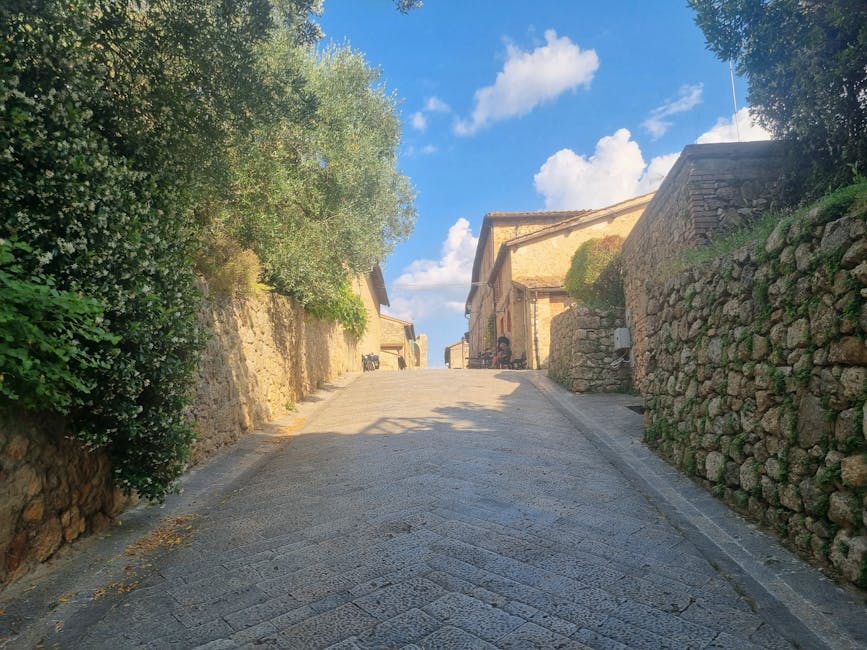
2) Day 2 — Volterra and the surrounding hills: Etruscan history and stone artisans
Morning — Discovering Volterra
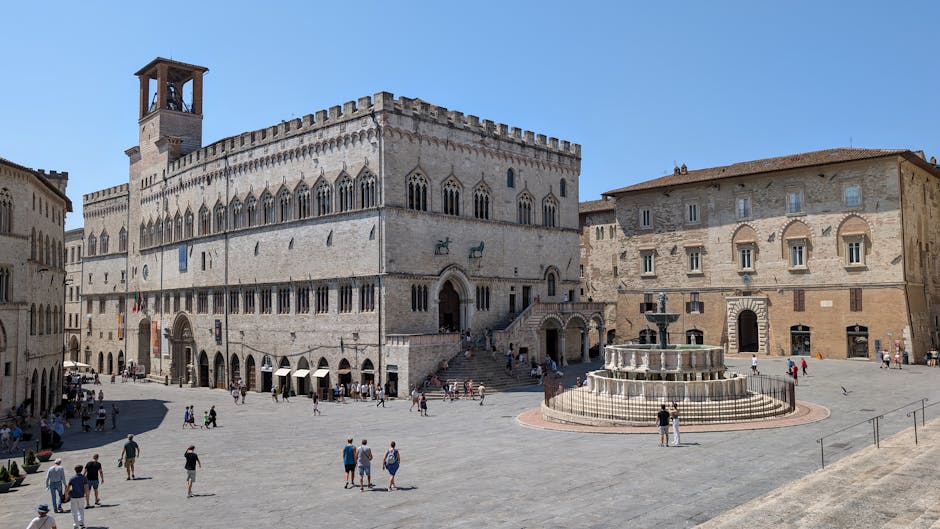
- Palazzo dei Priori, Piazza dei Priori, 1, 56048 Volterra PI. Hours: 9:30–18:30 (variable). Museum and tower prices: €6–€8. Description: the oldest medieval town hall in Tuscany, a majestic square, Gothic architecture and viewpoints over the valley.
- Museo Etrusco Guarnacci, Via Porta Diana, 3, 56048 Volterra PI. Hours: 10:00–18:00. Price: €8–€10. Description: one of Italy’s oldest Etruscan collections, with urns, stelae and funerary objects that tell the pre-Roman history of the area.
Practical tips: Volterra is built on a promontory; wear good shoes. Recommended parking: Parcheggio Porta all’Arco, Via Porta all’Arco, 56048 Volterra PI, free or €1–€3 depending on spot. Don’t miss the alabaster workshops: stone craftsmanship is a local specialty, with shops like Studio Pietro Lotti, Via de’ Fornelli, 5, 56048 Volterra PI, where demonstrations are sometimes offered.
Lunch — Trattoria or small café
- Osteria La Pace, Via Sarti, 5, 56048 Volterra PI. Hours: 12:00–14:30, 19:00–22:00. Prices: dishes €10–€22. Specialties: rustic Tuscan dishes and local charcuterie.
Afternoon — Walk the hills and visit a winery
- Azienda Agricola Fattoria La Leccia (example estate), località La Leccia, 56048 Volterra PI. Tasting: €15–€30 per person depending on the formula. Hours: tastings by appointment, typically 10:00–17:00. Description: tastings of Tuscan wines (Sangiovese, IGT) and olive oil, often paired with cheeses and charcuterie.
Local tips: book the winery visit the day before if you are traveling in high season. In late afternoon, the golden light on Volterra’s walls is ideal for photos. Alabaster shops often close early; shop before 18:00.
3) Day 3 — Val d’Orcia: Pienza, Montepulciano and Montalcino — panoramas and renowned wines
Morning — Pienza, Renaissance town planning
- Cattedrale dell’Assunta (Pienza Cathedral), Piazza Pio II, 24, 53026 Pienza SI. Hours: 9:00–17:00 (variable). Entry: free or suggested contribution €2–€5. Description: a small cathedral at the heart of a Renaissance square designed for Pope Pius II, with direct views over the Val d’Orcia.
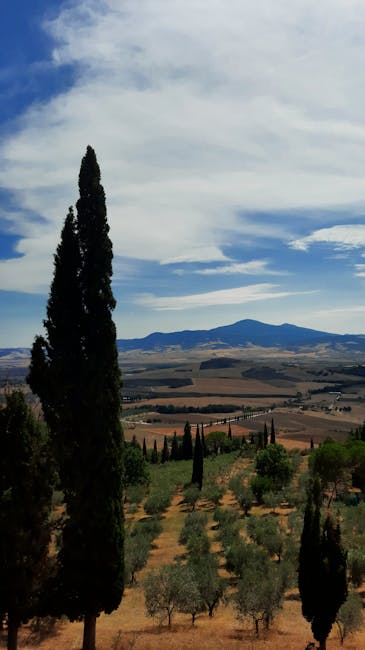
- Palazzo Piccolomini, Piazza Pio II, 15, 53026 Pienza SI. Hours: 9:30–17:30. Price: €6–€8. Description: a palace with terraced gardens offering iconic views of the rolling hills—perfect for panoramic photos.
Practical tips: Pienza is compact and can be visited on foot in 1–2 hours. Taste the famous pecorino di Pienza: local dairies like Caseificio Val d’Orcia, Via Dante Alighieri, 22, 53026 Pienza SI, offer tastings (often €3–€8 depending on the tasting plate).
Lunch — Picnic or trattoria
- Trattoria La Buca, Via della Provvidenza, 20, 53026 Pienza SI. Hours: 12:00–14:30, 19:00–22:00. Budget: menus €15–€30. Tip: book in summer.
Afternoon — Montepulciano and tastings
- Tempio di San Biagio, Piazza San Biagio, 53045 Montepulciano SI. Hours: 10:00–18:00. Entry: €3–€5. Description: an isolated Renaissance church at the foot of Montepulciano, with harmonious architecture and views over the vineyards.
- Cantina Contucci, Via di Gracciano nel Corso, 19, 53045 Montepulciano SI. Hours: 9:30–17:30 (tastings). Tasting: €10–€25 depending on the formula. Specialty: Vino Nobile di Montepulciano.
Local tips: Montepulciano is a hill town—watch for steep, cobbled streets. Buy a bottle of Vino Nobile at the cellar: often available between €12–€30 depending on vintage and producer. Parking: Parcheggio Torrita, Via Gracciano, paid parking ~ €1–€2/hour.
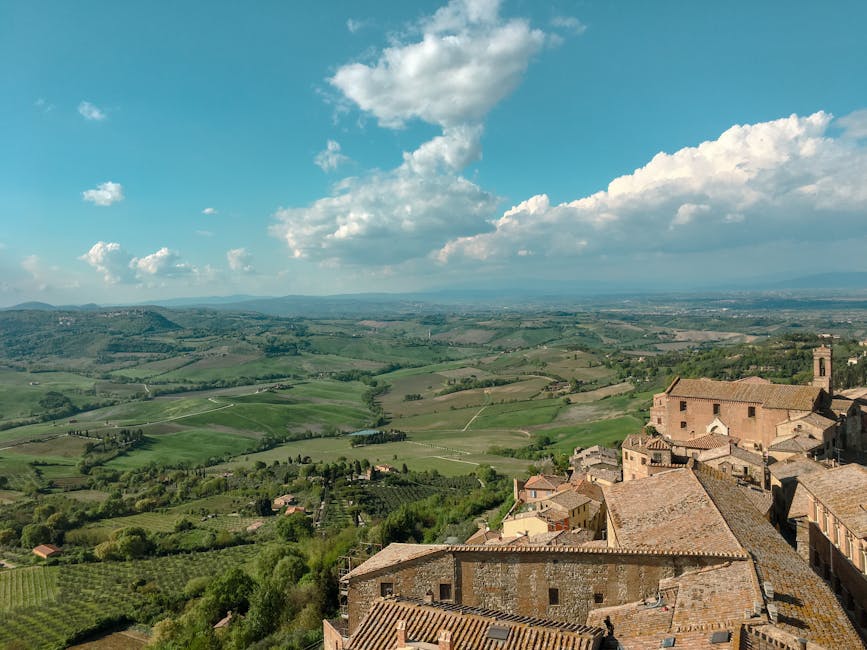
Late afternoon — Montalcino and sunset
- Fortezza di Montalcino, Piazza del Popolo, 1, 53024 Montalcino SI. Hours: 9:30–19:00. Entry: generally free to access the fortress; tastings within the fortress enclave €5–€20. Description: views over Brunello di Montalcino vineyards and the Val d’Orcia; an ideal spot for an aperitivo on a terrace.
- Azienda Agricola Castello Banfi (well-known example), Località Poggio alle Mura, 53024 Montalcino SI. Hours: visits by appointment, tastings €20–€50. Description: an internationally renowned estate—great for an in-depth Brunello visit.
Local tips: book tastings at least 24–48 hours in advance in high season. If your budget is tight, choose a tasting at a small family-run cantina (€10–€20) rather than a large estate.
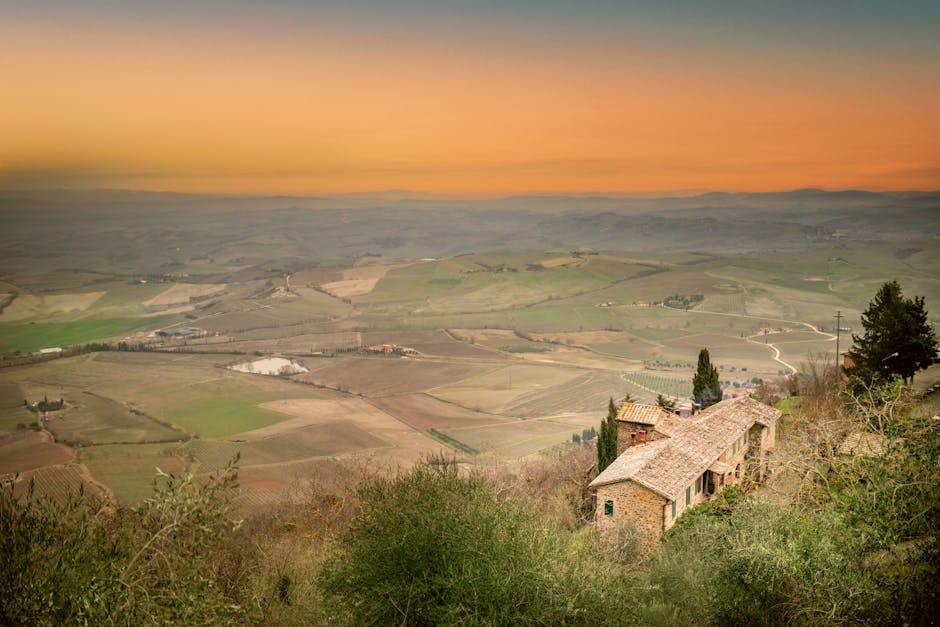
4) Day 4 — Pitigliano, Sovana and Sorano: cliffside villages and Etruscan influences
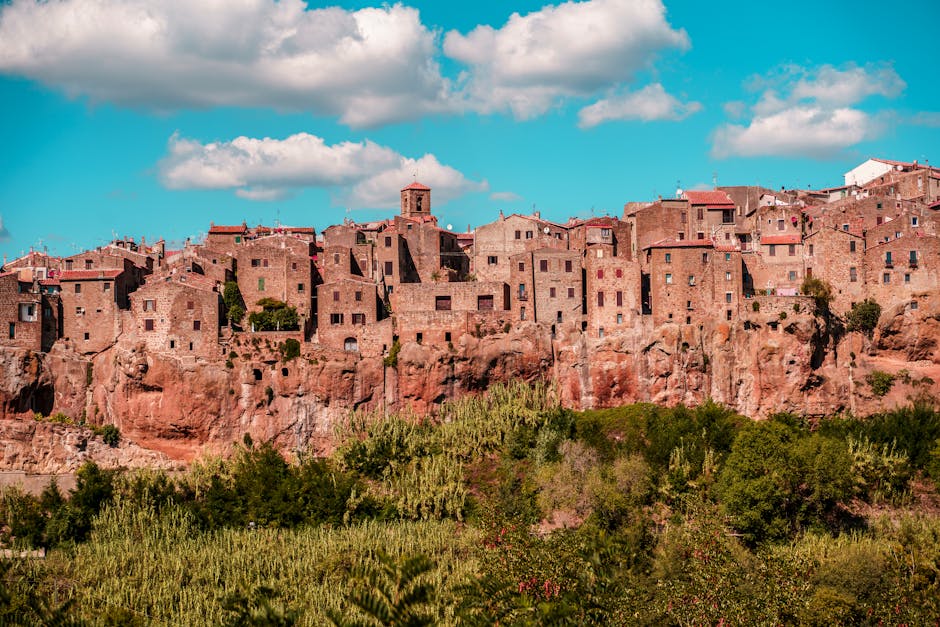
Morning — Pitigliano, the « Little Jerusalem »
- Via Cavour 1 (Centro Storico), Pitigliano, 58017 Pitigliano GR. Description: the historic center opens onto lanes carved into the tuff. Recommended parking: Parcheggio Fortezza (Porta Sovana), Via della Fortezza, paid parking €1–€3/hour.
- Museo Archeologico di Pitigliano, Palazzo Orsini, Via Zuccarelli, 5, 58017 Pitigliano GR. Hours: 10:00–18:00. Entry: €4–€6. Description: Etruscan objects and an itinerary about the history of cliffside settlement.
Practical tips: Pitigliano is carved from tuff; watch for uneven ground. Try the local Jewish-Tuscan cuisine, a historical legacy of the Jewish community (e.g., a local take on carciofi alla giudia).
Lunch — Local cuisine
- Osteria dei Poeti, Corso Italia, 40, 58017 Pitigliano GR. Hours: 12:00–15:00, 19:00–23:00. Prices: dishes €10–€25. Tip: book on weekends.
Afternoon — Sovana and Sorano
- Sovana, Piazza XXIV Maggio, 58010 Sovana GR. Points of interest: Sovana Cathedral (Cattedrale dei SS Pietro e Paolo) and nearby Etruscan necropolises. Church hours: often open 9:00–12:00 and 15:00–18:00. Entry to archaeological sites: €3–€7 depending on the site.
- Sorano, Piazza del Pretorio, 58010 Sorano GR. Description: a troglodyte village, fortresses and trails through the tuff. Access to the natural trails is free; visit to the Cassero and fortresses €3–€6.
Local tips: these villages are ideal for relaxed walks in late afternoon. The secondary roads (SP) between Pitigliano, Sovana and Sorano offer scenic viewpoints and forced stops to photograph rock formations and ancient vineyards. Small local grocery shops sell artisanal bread and wines at very reasonable prices (€6–€12 for a good bottle).
Conclusion — Final tips to make the most of your 4-day Tuscany itinerary
In four days you’ll have seen a wide palette of what Tuscany has to offer: medieval towers, fortified villages, Etruscan remains, Val d’Orcia panoramas and, of course, tastings of famous wines like Brunello di Montalcino and Vino Nobile di Montepulciano. To get the most from this 4-day Tuscany itinerary, here are practical tips and final recommendations:
- Transport: rent a compact car (small or utility) so you can easily navigate secondary roads and park in small village lots. Expect narrow, winding roads; a maneuverable car is preferred. If you want to avoid driving, parts of the route can be done by bus or guided tours from Florence or Siena, but you will lose flexibility.
- Booking: book winery visits in advance, especially in Montalcino and Montepulciano, and reserve tables at popular restaurants in high season. Many estates require reservations for tastings, particularly well-known ones (e.g., Castello Banfi).
- Hours: keep the Italian siesta in mind: some small shops close between 13:00 and 16:00. Plan museum visits for mornings or late afternoons. Churches often open earlier than museums.
- Budget: plan about €30–€60 per person per day for meals and drinks at a mid-range level; €10–€30 for wine tastings depending on the estate; monuments and museums: €3–€12 each. Parking: €1–€15 depending on place and duration. Car rental: variable, expect €40–€100/day depending on season and type of vehicle.
- Accommodation: choose a base according to your priorities. For a Val d’Orcia-focused stay, Pienza or Buonconvento are convenient. If you want to be closer to San Gimignano and Volterra, pick a B&B or agriturismo between San Gimignano and Monteriggioni. Agriturismi often offer great value and a real taste of rural Tuscan life.
- Local products to bring home: extra virgin olive oil (500 ml bottles €8–€25), Pienza pecorino sheep cheeses (€6–€20 depending on aging), wine (Brunello/Vino Nobile), and alabaster items from Volterra (prices vary).
- Safety and respect: dress modestly when entering sacred sites. Don’t pick local produce without permission and respect private signs on country lanes.
To go further: if you have extra time, extend your route to Lucca for its bike-friendly walls (Piazza della Repubblica, Via Fillungo, 55100 Lucca LU), or head to the coast (Castiglione della Pescaia) for a beach day. Above all, remember that Tuscany is best enjoyed slowly: take time for an espresso in the sun, a spontaneous stroll and a lingering tasting in a small family cellar—those are often the moments that stay with you.
Have a wonderful trip to Tuscany: may this 4-day itinerary gift you memorable scenes, warm encounters and the true taste of the Italian countryside.