





Introduction
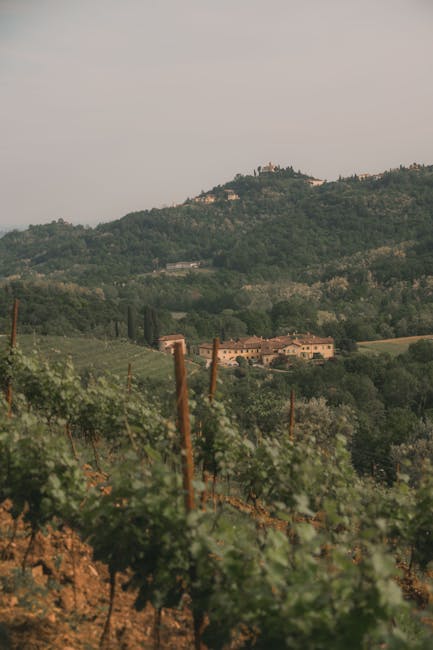
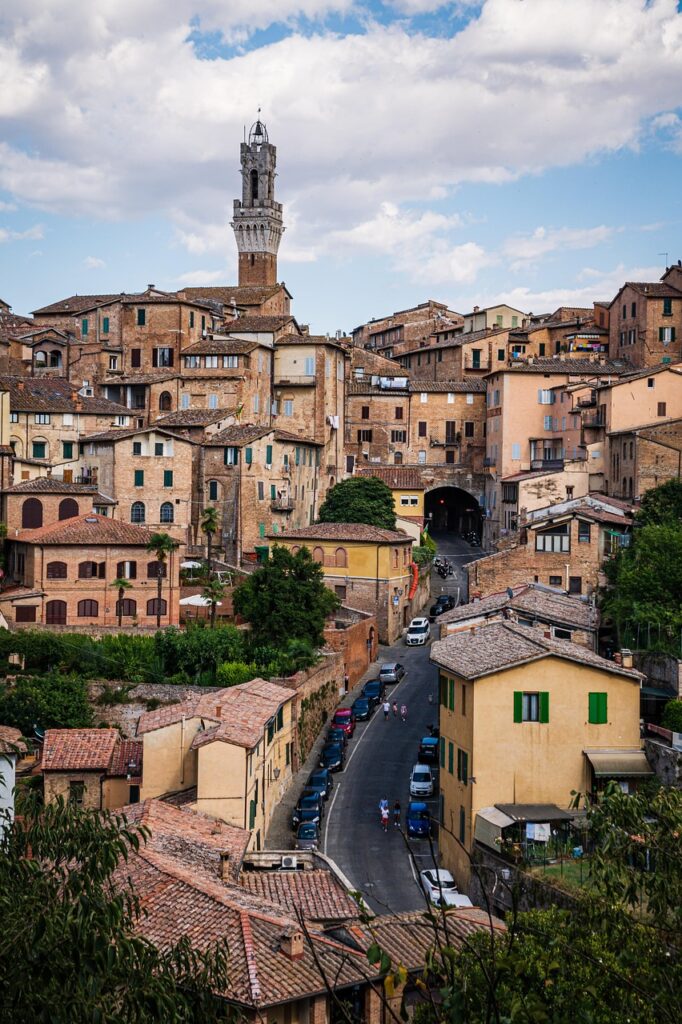
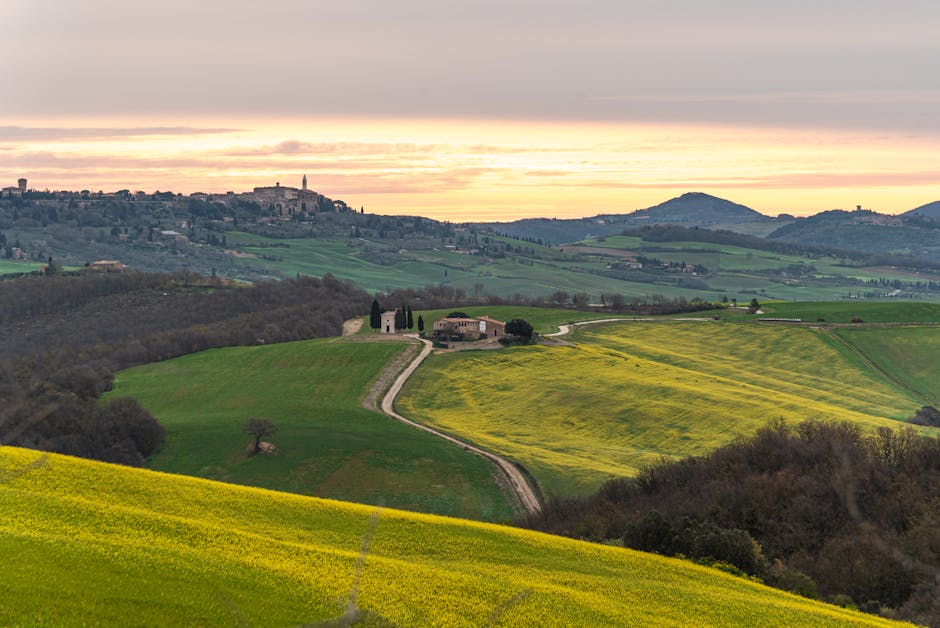
Tuscany is a land of golden hills, carefully tended vineyards and hilltop villages that look like they’ve been pulled straight from a postcard. These small towns, often built on rocky promontories, not only deliver breathtaking panoramas but also offer a deep dive into medieval history, local craftsmanship and generous cuisine. Visiting Tuscany’s hilltop villages blends leisurely strolls along cobbled lanes, discoveries of historic sites, tastings of renowned wines and authentic encounters with locals who cherish their traditions. This practical guide aims to give you everything you need — exact addresses, prices in euros, opening hours, immersive descriptions and local tips — to plan a successful trip through Tuscany.
Planning is key: some villages get very busy in high season (July–August), while others remain more off-the-beaten-path. Although a car is the most flexible way to explore these perched hamlets, consider alternatives like train + bus connections or guided tours — especially to avoid the stress of parking in historic centers. Monument opening hours often follow local rhythms — afternoon closures for a summer siesta or longer hours in peak season — so it’s wise to check ahead.
<img width="867" height="650" src="https://ue.is/wp-content/uploads/sites/17/2026/06/monteriggioni-fortress-stone-walls-morning-light.jpg » class= »aligncenter » alt= » » loading= »lazy » />
This guide covers the most emblematic villages: San Gimignano, Monteriggioni, Volterra, Cortona, Montepulciano, Pienza, Montalcino and stops around Chianti. For each place you’ll find precise addresses, indicative entrance or tasting prices, typical opening hours and practical tips (best times to visit, recommended parking, local artisans not to miss). The information reflects common practices; however, prices and hours can change seasonally, so check official sites before you go.
Finally, this guide offers hands-on advice: how to combine a two- or three-day route, which regional specialties to try (pici, ribollita, pecorino), where to buy wine or artisan goods direct from producers, and how to respect the environment and local life while fully enjoying the magic of Tuscany’s hilltop villages.
Getting around and planning your trip (logistics, parking, best times)
Getting around Tuscany to visit hilltop villages requires pragmatic planning. A car gives you the most freedom: scenic, winding country roads connect most sites. Renting a car in Florence (Amerigo Vespucci Airport, Via dell’Acciaiuoli 2, 50123 Firenze FI) or Pisa (Galileo Galilei International Airport, Piazzale della Stazione, 56124 Pisa PI) is convenient. Expect roughly €40–80 per day for a small car in low season and €60–120 in high season, insurance included. Watch out for ZTLs (limited traffic zones) in historic centers: park in recommended lots and walk in.
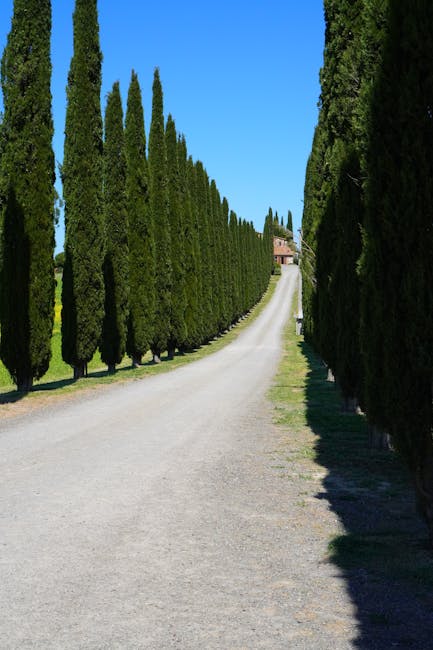
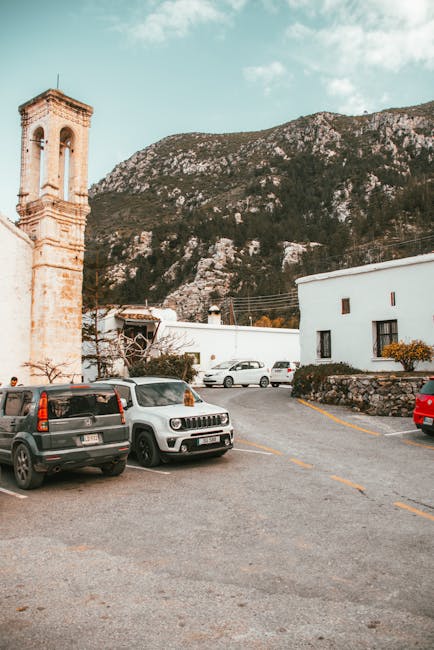
Recommended parking: In San Gimignano, Park Centro Storico (Via San Giovanni, 53037 San Gimignano SI) costs about €2–3 / hour, or Park Via Vecchia Certaldo with shuttle access. In Monteriggioni, there’s a large free lot at Piazza Roma, 53035 Monteriggioni SI. Volterra has paid parking at Parcheggio di Porta Fiorentina (Via Porta Fiorentina, 56048 Volterra PI) around €1.50 / hour. In Pienza and Montepulciano, peripheral parking is often free or €1–2 / hour, with a short walk into the center.
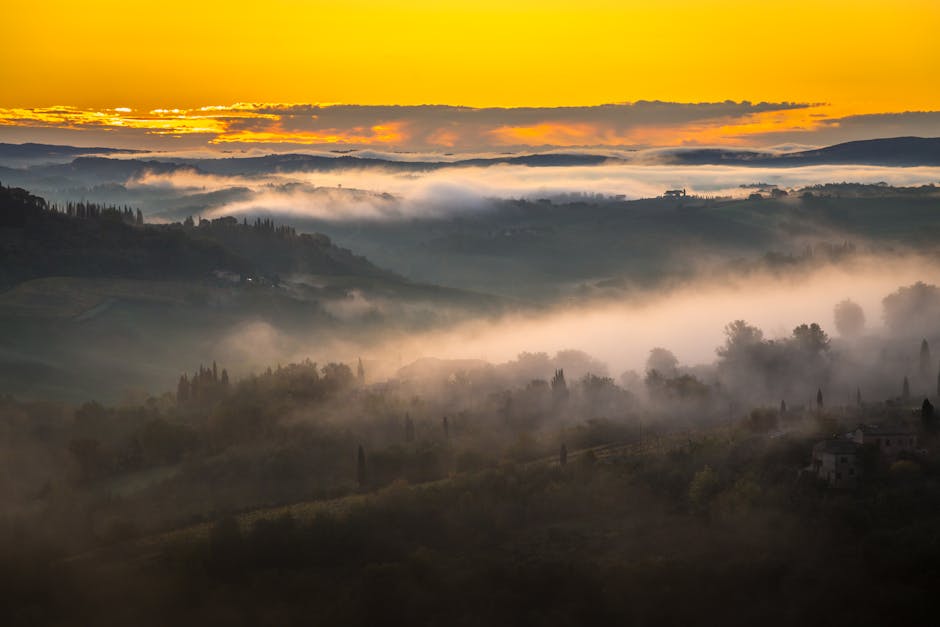
Best times to visit: early morning (8:00–10:00) to enjoy soft light and avoid crowds, or late afternoon (16:00–19:00) for spectacular sunsets. May–June and September–October are a great compromise between pleasant weather and milder crowds. In winter, villages are quiet and authentic, but some shops may be closed off-season.
Practical tip: download offline maps (Google Maps, Maps.me) and save a list of useful numbers (local tourist office, roadside assistance). For public transport links, check regional bus lines (SenaBus, CPT Azienda); some smaller train stations (Siena, Arezzo, Chiusi–Chianciano) let you combine train and bus to reach places like Cortona or Montepulciano.
San Gimignano and Monteriggioni: medieval towers, museums and strolls
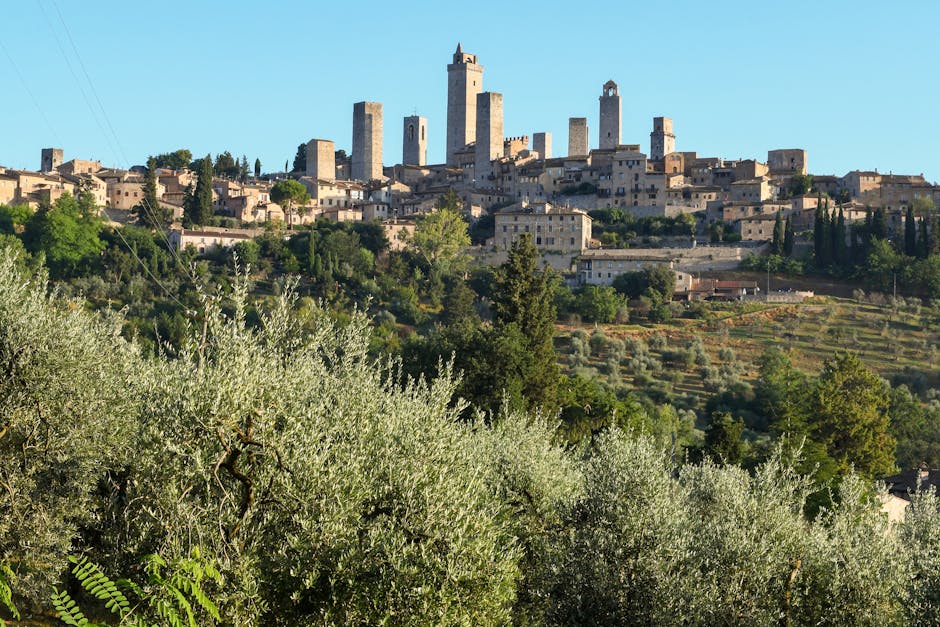
San Gimignano, nicknamed the “medieval Manhattan” for its towers, is a must-see. Key address: Torre Grossa, Piazza del Duomo 1, 53037 San Gimignano SI. Typical hours: 10:00–19:00 (last ascent 18:30); admission: €8–10 to climb Torre Grossa and access the Museo Civico. The Museo Civico (Piazza del Duomo, 1) displays frescoes and medieval artifacts; combined tower + museum tickets run around €10–12 depending on the season. For a food break, Gelateria Dondoli (Piazza della Cisterna, 4, 53037 San Gimignano SI) is famous — artisan scoops from about €2.50 each.
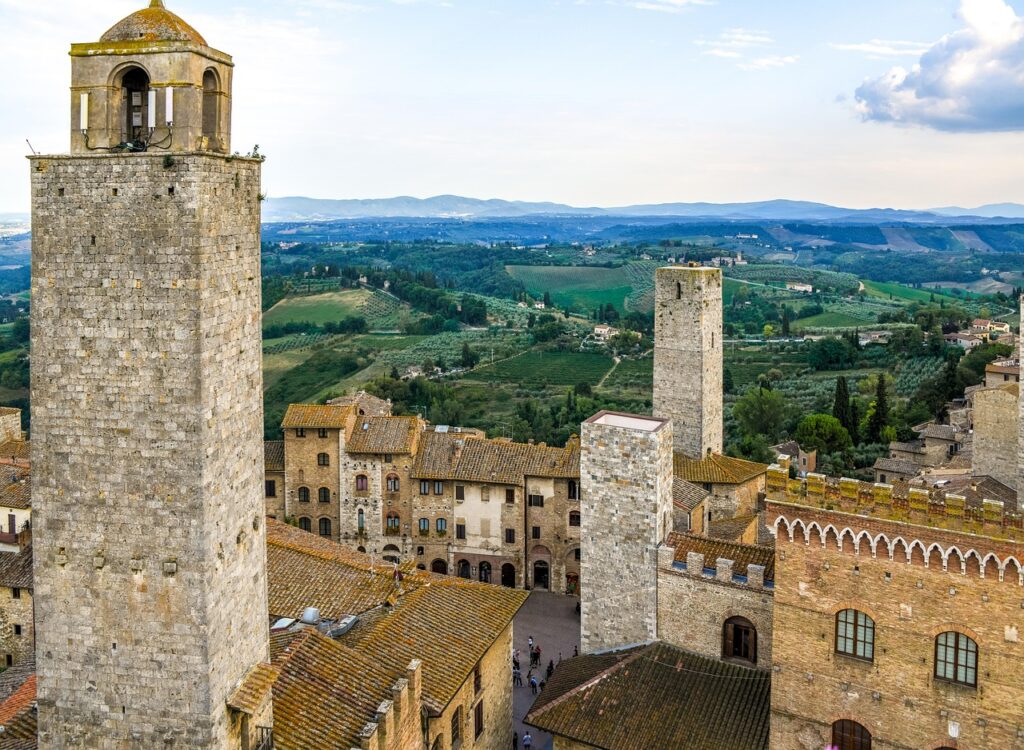
Local tip: climb Torre Grossa right at opening for panoramic views over the Chianti plain. Then wander down Via San Matteo and Via del Castello to find artisan workshops (ceramics, amber jewelry, leather goods). For an authentic dinner, book ahead at Ristorante La Mandragola (Via San Matteo, 15, 53037 San Gimignano SI), main courses €12–25.
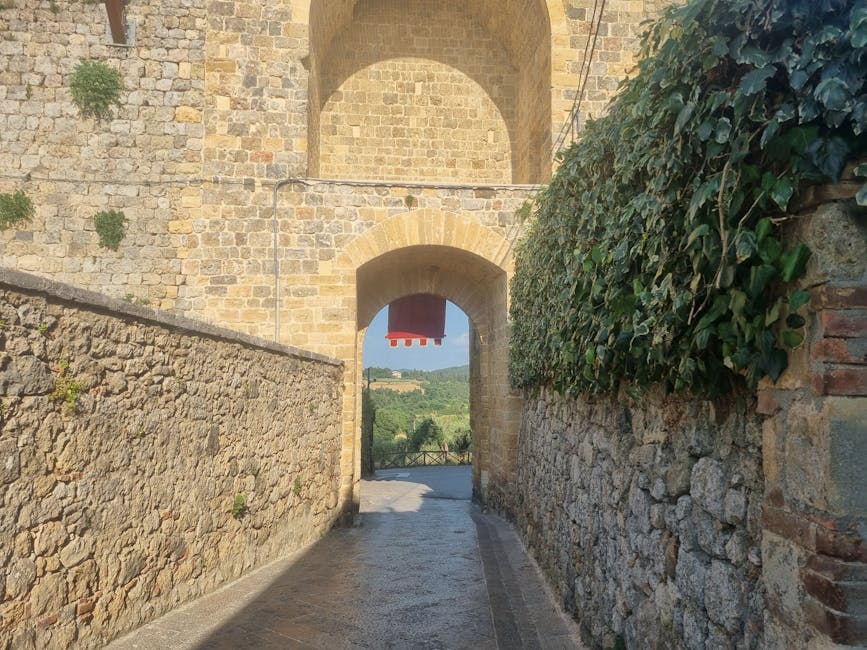
Monteriggioni, a perfectly preserved circular fortress, has a different vibe: the Rocca di Monteriggioni (Piazza Roma, 53035 Monteriggioni SI) is freely accessible; opening times for the towers and the small local museum vary but are usually 9:30–19:30 in summer. Museum admission: around €5–7. Walk along the battlements for sweeping views of the Sienese countryside. In town, Osteria Le Panzanelle (Via Roma, 12) serves simple local dishes for €10–20.
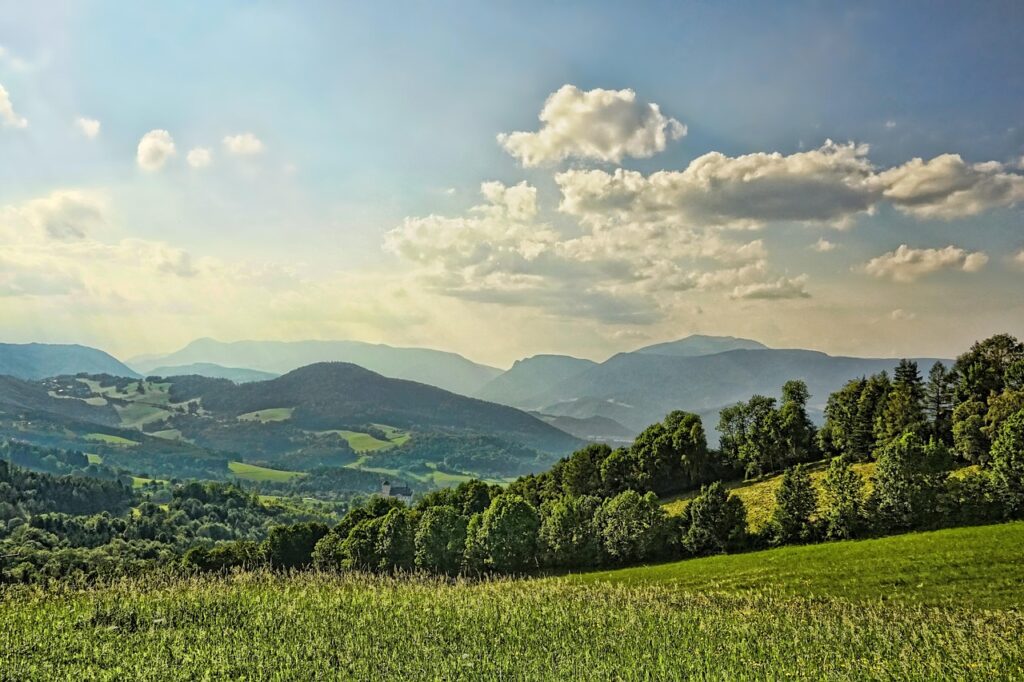
Parking tip: use the large Piazza Roma lot (free) and enter via Porta Franca. Monteriggioni is ideal for a half-day combined with a nearby winery visit. Check local event calendars — medieval reenactments and village festivals sometimes animate the town in summer.
Volterra, Cortona and Montepulciano: history, crafts and tastings
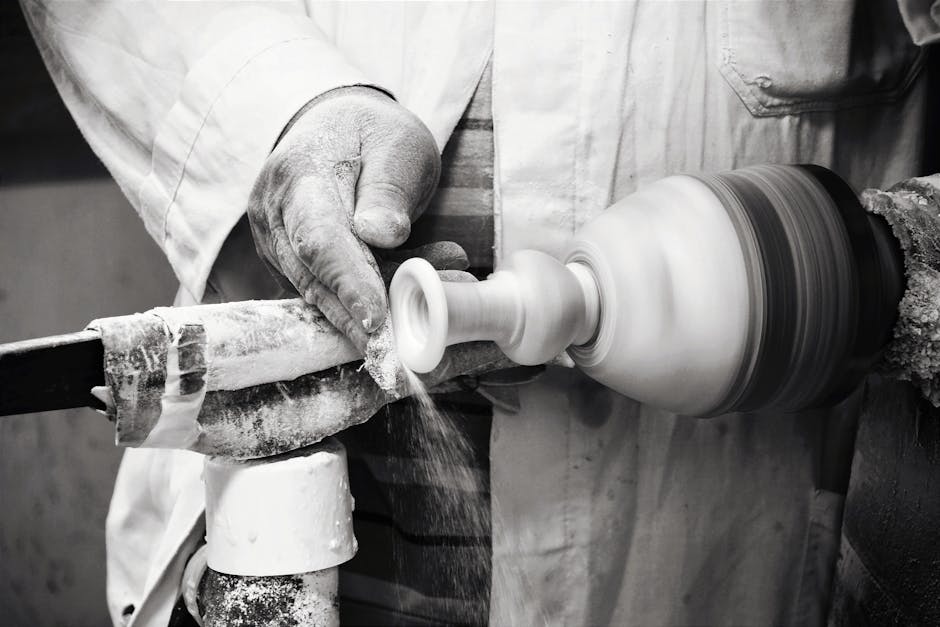
Volterra is a town with Etruscan roots and a strong mineral and craft heritage. Recommended museum: Museo Etrusco Guarnacci, Via Don Giovanni Minzoni, 15, 56048 Volterra PI. Hours: 9:00–19:00 (seasonal variations). Admission: €8–10. Don’t miss the Teatro Romano (Via di Castello) and the Medicean Fortress for the views. Volterra is also known for alabaster: workshops like Alabaster Studio (Via Porta all’Arco, 4) offer demonstrations and items starting around €15.
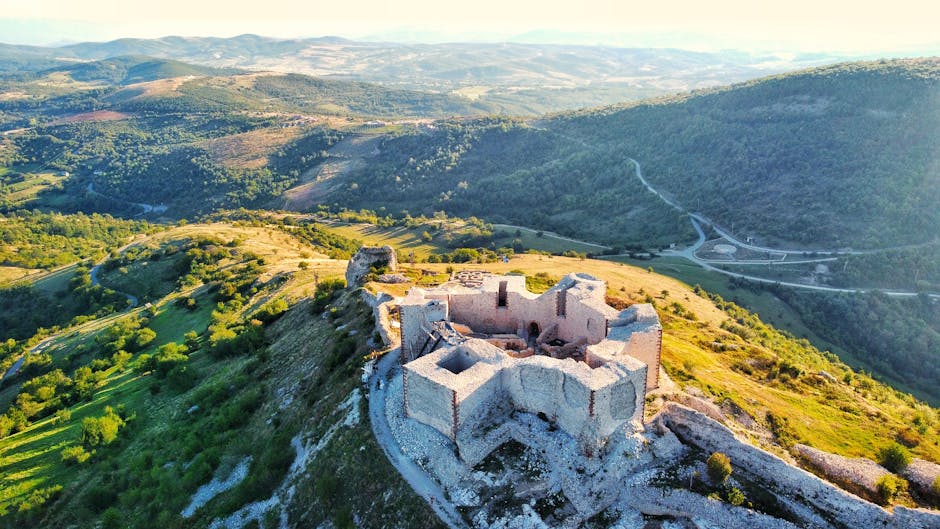
Cortona, perched on a hill in the province of Arezzo, has a classic Tuscan atmosphere, enhanced by narrow lanes and views over the Valdichiana. Museum address: Museo dell’Accademia Etrusca e della Città di Cortona, Via Roma, 1, 52044 Cortona AR. Hours: 10:00–18:00; admission: about €6–8. For a panoramic walk, climb to Fortezza del Girifalco (Piazza Garibaldi) — usually open 9:00–19:00 and free to enter. Cortona also hosts local markets (Tuesday and Saturday mornings) where you can taste farm products.
Montepulciano draws visitors for its wines grown on limestone slopes: the famous cellar Contucci (Via Ricci, 55, 53045 Montepulciano SI) offers tours and tastings. Tasting hours: 10:00–18:00; typical tasting price €10–20 depending on the selection (including Vino Nobile di Montepulciano). For a town stroll, Piazza Grande and the Cathedral (Piazza Grande, 1) are landmarks: access is usually open, though special exhibitions or concerts may require a ticket (€5–10).
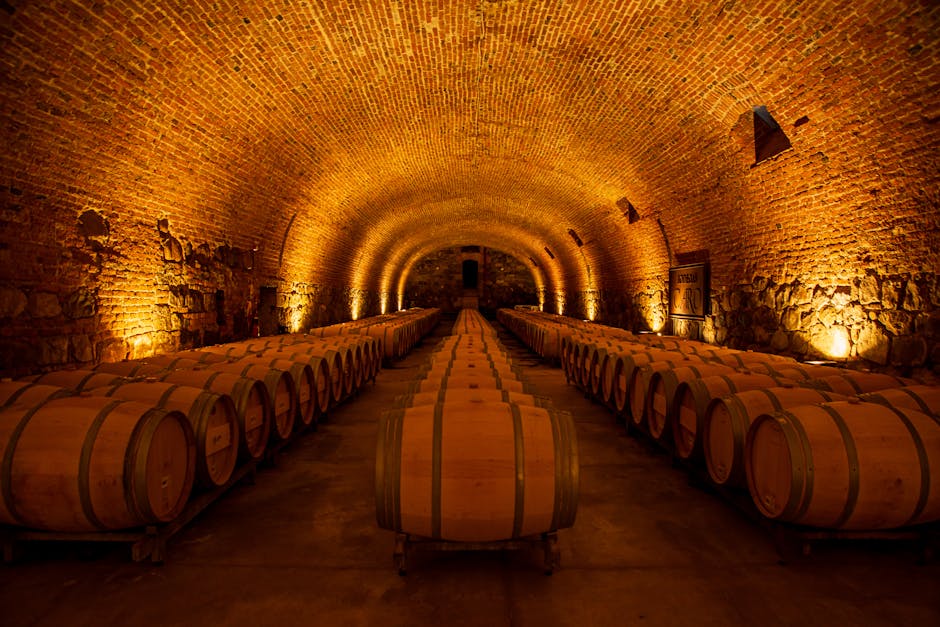
Food tip: try pici (thick hand-rolled pasta), served with a hearty ragù or simply garlic and oil, at family-run trattorias (average main course €8–14). Pick up local pecorino and Tuscan ham at delis for a picnic on the town walls.
Pienza, Montalcino and Chianti: scenery, food and wine routes
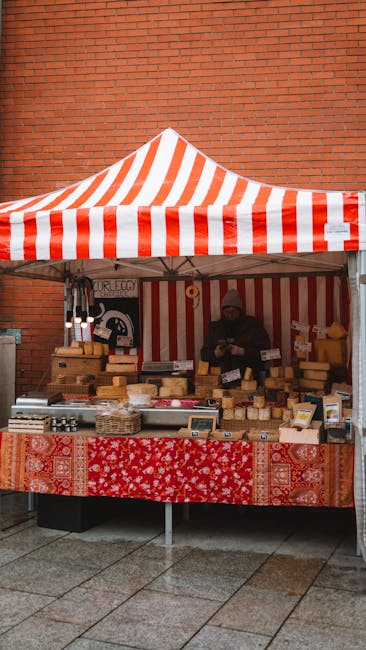
Pienza, a Renaissance gem of rural planning, charms with elegant streets and its famous cheese. Important address: Palazzo Piccolomini, Corso Rossellino, 27, 53026 Pienza SI. Hours: 9:00–18:00; admission: €6–8. Piazza Pio II is a great spot for a coffee and to admire the town’s harmonious layout. Taste Pienza’s pecorino at La Porta del Pecorino (Via Roma, 12) — samples from €3–5.
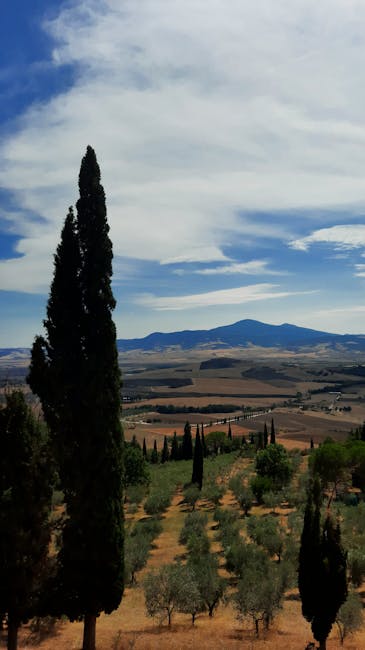
Montalcino is synonymous with Brunello, one of Italy’s great wines. Visit the Fortezza di Montalcino (Piazza del Popolo, 1, 53024 Montalcino SI); entry to the fortress is often free, but the shop at the Rocca offers paid tastings: €10–20 for three glasses depending on the selection. For tastings at producers, Cantina Biondi Santi (Via del Piano, loc. Sant’Angelo in Colle) and Caparzo (Strada per Sant’Angelo in Colle, 2) take reservations; expect €15–30 for cellar tours and tastings.
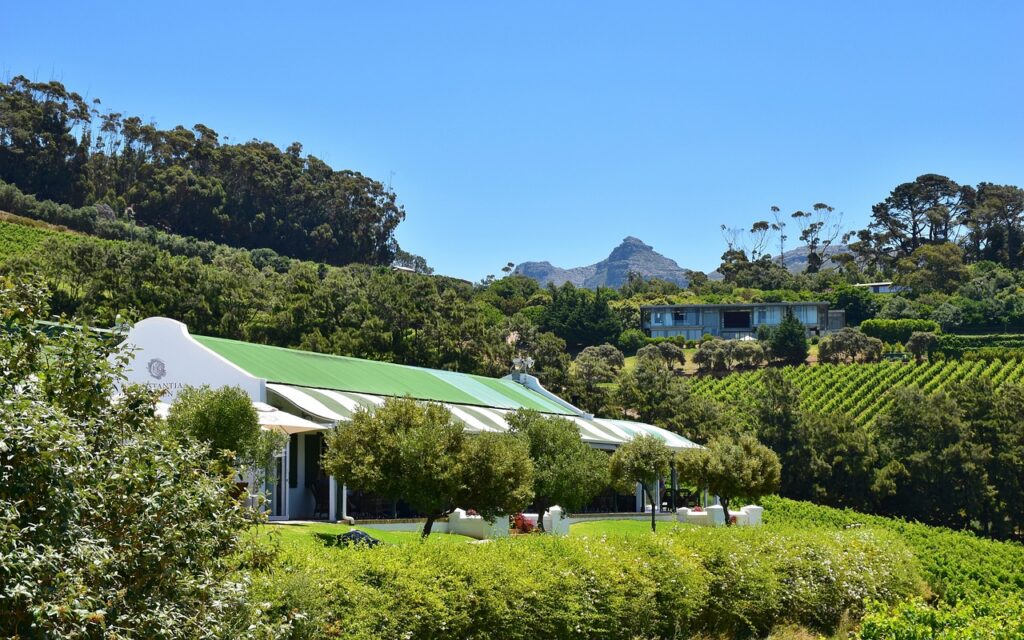
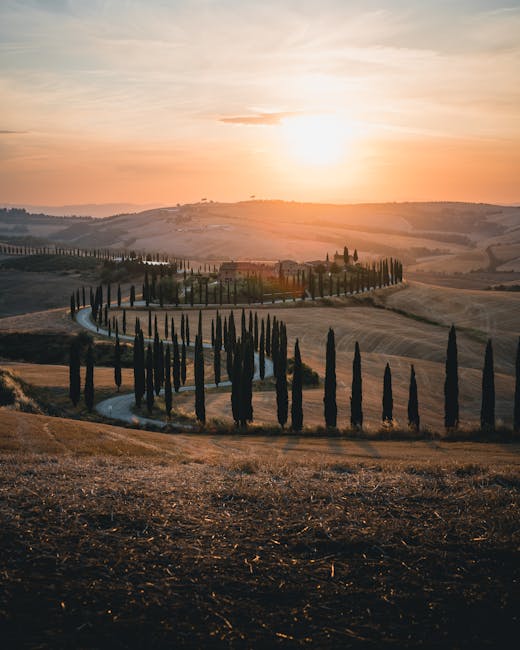
The Chianti wine route (Chianti Classico) winds through villages like Castellina in Chianti (Via Ferruccio, 1, 53011 Castellina in Chianti SI). Cellar tastings: €8–20 depending on the estate. The Chianti landscape, with cypress-lined roads and vineyards, is perfect for a drive or a bike ride. For a rustic meal, try a local osteria or book a wine experience at a producer (reservations recommended; many offices of tourism can help arrange it).
Practical tips: book winery visits in advance, especially in high season. Buying wine directly at the cellar often means better prices and preservation advice. Respect tasting hours (commonly 10:00–17:00) and plan for a sober driver or a transfer if you plan to sample several wines.
Practical advice, safety and respectful behavior
Respecting local life and the environment is essential to enjoy hilltop villages. Don’t litter, avoid parking in restricted zones (ZTL) and limit drone use without permission. For safety, narrow streets can be slippery after rain: wear suitable shoes (non-slip soles) and avoid high heels on cobbles. Bring a small first-aid kit and water for summer walks.
Hours and budget: plan a daily budget based on your travel style — €50–80 / day for budget travel (staying at agriturismi, simple meals), €120–250 / day for comfortable travel (3–4 star hotels, restaurants), more if you do lots of tastings and private tours. Local tourist offices (Ufficio Informazioni Turistiche) in each village provide up-to-date information: San Gimignano Tourist Office (Piazza Duomo, 1), Monteriggioni Info Point (Piazza Roma).
Language and communication: a few words of Italian help (Buongiorno, Grazie, Quanto costa?). Locals appreciate politeness and interest in their traditions. Finally, consider travel insurance covering cancellations and roadside incidents if you rent a car. With a little preparation and lots of curiosity, exploring Tuscany’s hilltop villages will be a memorable experience full of images, flavors and encounters.
Conclusion
Visiting Tuscany’s hilltop villages mixes heritage, landscapes, gastronomy and warmth. From the tops of San Gimignano’s towers to Monteriggioni’s ramparts, from Volterra’s alabaster workshops to Montepulciano and Montalcino’s famed cellars, each stop delivers its own range of emotions and pleasures. This guide provided precise addresses (museums, fortresses, wineries), indicative hours and prices in euros to help you plan your days. It also offered logistical tips: recommended parking, best times to visit, ways to avoid ZTLs and restaurant suggestions.
Remember that Tuscany is both a major tourist destination and a place where people live and maintain their customs. Behave respectfully, support local producers by buying directly from farms or cellars, and favor walking tours to fully soak up the atmosphere of these hilltop towns. Also, give yourself time: don’t try to tick off too many villages in one day. It’s better to savor a few stops slowly than to rush through them without feeling their soul. Follow these practical tips and let the beauty of the places carry you — your stay in Tuscany will reward you with lasting memories, human encounters and unforgettable culinary discoveries.