





Introduction
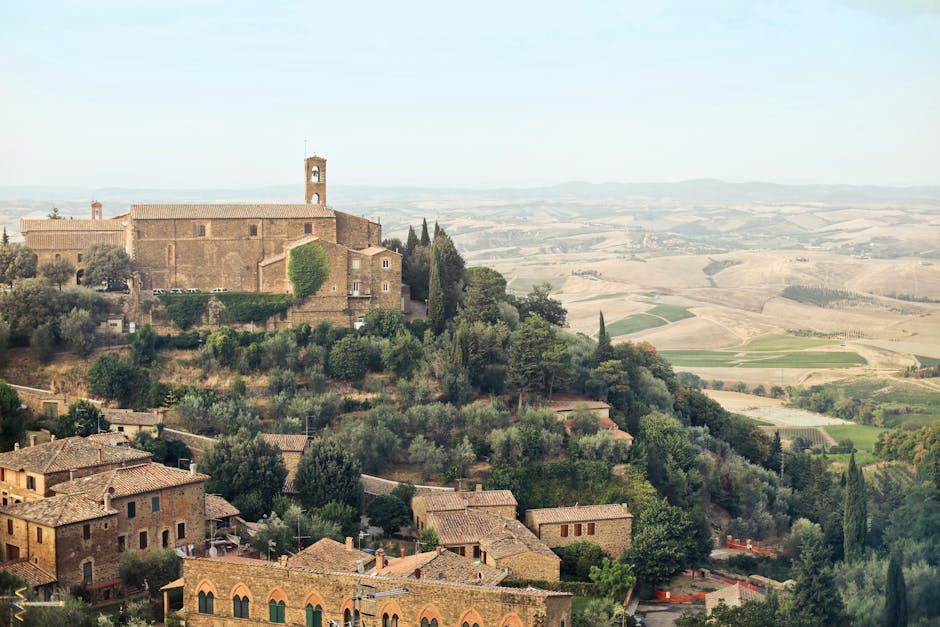
Tuscany feels like harmony itself: rolling hills draped in green, rows of cypress punctuating the skyline, vineyards lining winding roads and medieval villages that look frozen in time. Sleeping in a medieval Tuscan village isn’t just about a place to rest; it’s a full-on immersion into an era when cobbled streets, watchtowers and shaded piazzas set the pace of daily life. Whether you’re after the morning chimes of church bells, the golden light of sunset igniting battlements, or the soft murmur of a local market, choosing your place to stay in these villages turns your trip into a story — you become the main character of an age-old yet living tale.
This guide aims to help you pick the right lodging across some of Tuscany’s most iconic medieval villages: San Gimignano, Monteriggioni, Pienza, Volterra and Montepulciano. For each place I’ll list recommended hotels and addresses, price ranges, opening hours for key monuments and attractions, immersive descriptions of the vibe, plus practical local tips — how to arrive, where to park, which restaurants to try, and when to visit to avoid the crowds. The goal is to turn the often-daunting tasks of booking and routing into a smooth, detail-rich experience.
Why choose a medieval village over a big city? First, for the atmosphere: villages tend to preserve intense culinary and craft traditions, you’ll hear more of the local dialect and see everyday scenes that haven’t changed for decades. Second, proximity to wine country and organic farms — many places offer tastings on site. Finally, for the quiet: at night, far from urban noise, Tuscan skies feel more starry, and morning walks along ramparts offer unbeatable photo opportunities.
Before we dive into village-by-village detail, keep this in mind: book early if you want a room with a panorama (May–September fills up fast), check access if you’re arriving by train (some villages require a shuttle or car), and be ready to walk on cobbles — a good pair of shoes is essential. Further down you’ll also find ideas for unusual stays — agriturismi, charming relais, B&Bs in restored palaces — plus practical info on prices and opening hours to help you plan your days without surprises.


Picking the Right Village: Vibe, Access and Best Time to Visit
Before you book, think about the kind of experience you want. Here’s a quick snapshot of the medieval villages covered in this guide to help you decide:
- San Gimignano: famous for its medieval towers, it’s very touristy in high season but offers unforgettable panoramas; perfect for history buffs and photographers.
- Monteriggioni: small and perfectly fortified, it’s the classic defensive medieval hamlet. Great for a peaceful stopover and for cyclists exploring the Via Francigena.
- Pienza: a UNESCO-listed gem known for its Renaissance urban planning; ideal for food lovers (pecorino), rolling landscapes and romantic strolls.
- Volterra: more off-the-beaten-path with a strong Etruscan and artistic identity; rawer atmosphere, ideal for travelers curious about archaeology and craft workshops (alabaster).
- Montepulciano: dominated by vineyards and the Nobile di Montepulciano wine, it blends Renaissance palaces with wine-tasting experiences.
Access and logistics: most medieval villages are best explored by car. Secondary roads offer beautiful views but can be narrow; GPS can sometimes route you onto roads unsuitable for buses or large motorhomes. If you’re traveling by train, plan for a local bus connection or a private transfer from the nearest station (e.g., Poggibonsi for San Gimignano, Empoli/Siena for Montepulciano). Parking may be public (often outside the walls) or private; it’s common to leave the car at the village entrance and walk in. Always check municipal parking hours and any ZTL (limited traffic) zones to avoid fines.
When to go? Late spring (May–June) and early autumn (September) offer the best compromise between mild weather and manageable crowds. In summer (July–August) expect hot temperatures and heavy visitor numbers; in winter some businesses reduce services but you’ll enjoy rare tranquility and lower rates. Photographers should aim for morning light (golden hour) on towers and walls. Food lovers should consider visiting during local festivals (village feasts, harvest time) for truly authentic moments.
Lodging Types and Recommended Addresses (with prices and tips)
Where to sleep in a medieval village varies: boutique hotels inside historic palaces, relais and agriturismi in the countryside, family-run B&Bs and even nights in converted towers. Here’s a representative selection with addresses, price guides and practical tips.
San Gimignano
Hotel La Cisterna
Address: Piazza della Cisterna, 10, 53037 San Gimignano SI, Italy
Price: from €120 per night (double in low season), up to €280 in summer for a suite with tower views.
Hours: reception 07:30–22:30; breakfast 07:30–10:00; check-in 14:00, check-out 11:00.
Description: Located in the heart of the most picturesque square, this hotel puts you at the center of village life. Rooms often overlook the paved piazza or narrow alleys. Comfort is modern, yet the medieval soul remains evident: exposed beams, stone walls and restored period furniture. From the terrace, views of the Torre Grossa and the terracotta roofs are spectacular at sunset.
Practical tips: park at the public « Il Colle » lot (Via San Michele 16, paid parking) and walk to the town gate (10–15 minutes). Reserve a table at Ristorante Cum Quibus (Via del Castello, 21, Tel +39 0577 940174) if you plan to dine late; it’s very popular. Visit the Torre Grossa early in the morning: opening hours typically 10:00–18:00 (seasonal variations), entry about €9–€10.
Monteriggioni
Castello di Monteriggioni (fortification) and local lodgings
Monument address: Piazza Roma, 1, 53035 Monteriggioni SI, Italy
Price for typical lodging (e.g., family rooms, relais): €80–€170 per night.
Castle and wall hours: access to the ramparts 08:00–20:00 (extended in summer); some towers may be closed for restoration. The municipal Infopoint: 09:30–13:00, 15:00–18:00 depending on season.
Description: Monteriggioni is a nearly perfectly preserved concentric village, its battlements clearly visible from the road. Accommodations range from charming relais to family-run B&Bs in restored houses. Staying in Monteriggioni guarantees a quiet night, lulled by chirping crickets and distant bells from the Sienese countryside. Views over the Chianti plain to the south are especially beautiful at sunrise.
Practical tips: the main parking is outside the walls (Via Roma, municipal paid parking); enter on foot through one of the gates. For dinner try Osteria al Forno (Via Roma, 10) for simple, generous Tuscan cooking. If you’re cycling, the Via Francigena route runs nearby — bring a sturdy lock if you plan to leave your bike by the walls.

Pienza
Hotel Corsignano (example lodging)
Address: Via del Paradiso, 18, 53026 Pienza SI, Italy
Price: double rooms from €90 per night in low season, €160–€220 in high season.
Main site hours: Cattedrale di Pienza (Duomo di Pienza) – Piazza Pio II, 1: Masses and visits 08:00–12:30, 15:00–18:30 (hours may vary); Palazzo Piccolomini – visits 10:00–18:00, entry about €6–€8.
Description: Pienza is a Renaissance jewel blended with rural tradition. Staying here places you steps from orderly squares, arcades and cheesemongers. Rooms often offer views over the Val d’Orcia, a UNESCO cultural landscape. In the morning, stroll to the Piazzale Machiavelli viewpoint to watch morning mist lift off the hills and reveal the golden textures of the fields.
Practical tips: sample cheeses at Caseificio Busti (Piazza Pio II, 7) which sells local pecorino. Parking is near the gates: Parking Vitelleschi (Via della Pace) is central and paid. Book winery visits around Montalcino and Montepulciano in advance, especially during harvest season.

Volterra and Montepulciano: Craftsmanship and Wine
Volterra – recommended lodging: Albergo Etruria
Address: Via Don Giovanni Minzoni, 5, 56048 Volterra PI, Italy
Price: €70–€150 per night depending on view and season.
Site hours: Piazza dei Priori (municipal building) and museums — Museo Etrusco Guarnacci (Via Don Giovanni Minzoni, 7): 08:30–19:00 (seasonal hours), entry roughly €7–€9.
Description: Volterra is austere and mineral, with a strong Etruscan imprint. Sloping alleys, alabaster shops and ceramic workshops create a genuinely artisanal atmosphere. Staying here means feeling the stone — thick walls, small windows and rooms often with vaulted ceilings. The panorama from the ramparts overlooks the Pisan countryside in warm ochre tones.
Practical tips: visit the alabaster workshop L’Alabastro di Volterra and consider buying local pieces. Park at Parking S. Michele (Via S. Francesco) and walk up. For dinner, Ristorante Enoteca Del Duca (Via Gramsci, 30) has an extensive regional wine list.
Montepulciano – recommended lodging: La Terrazza di Montepulciano (guesthouse or local hotel)
Address: Piazza Grande, 10, 53045 Montepulciano SI, Italy
Price: €90–€200 per night.
Hours and visits: Palazzo Comunale (Piazza Grande): visits 09:30–17:30, entry around €6. Tastings at historic cellars (e.g., Cantina Contucci, Via Bacio 10) by reservation, tasting costs roughly €15–€35 depending on the number of samples.
Description: Montepulciano blends Renaissance architecture with a wine-rich heritage. Rooms with balconies overlooking Piazza Grande offer sunsets that highlight the stone façades. Narrow streets are full of enotecas and shops selling the famed Vino Nobile di Montepulciano.
Practical tips: book a tasting at Cantina Contucci or Avignonesi (transport options available from the village); bring a light jacket for cool cellars. The public parking Il Salaio is at the village entrance — expect a walk on sloping cobbles to reach Piazza Grande.
Local Practical Tips and Itineraries for One Night or a Longer Stay
Organizing a stay in a medieval Tuscan village takes a bit of planning. Here are practical tips to make your experience smoother and richer:
- Booking: reserve at least 2–3 months ahead for high season (May–Sept), especially if you want a room with a view or lodging inside the walls. For popular agriturismi, yearly bookings may be advisable for long weekends.
- Transport: rent a compact car; narrow streets and tight parking favor small vehicles. Check if your lodging offers a shuttle from the nearest station.
- Parking: most villages have paid lots outside the walls. Prices vary: around €1–€3 per hour, daily rates €5–€15. Read signs to avoid ZTL fines.
- Meals: for a typical dinner: antipasti (bruschette, crostini), a pasta course (pappardelle al cinghiale), then a meat second (bistecca alla fiorentina) and dessert like cantuccini with vin santo. Budget: a full meal in a trattoria €20–€50 per person excluding wine.
- Monuments: check seasonal opening hours online before you go; many close between 12:30 and 15:00. Entry fees for local monuments range between €5 and €12 for museums and towers.
- Safety: these villages are generally very safe at night, but take usual precautions against pickpocketing in very crowded streets.
- Language: English is common in tourist areas, but try a few words in Italian (hello “Buongiorno”, thank you “Grazie”) — it often opens doors.
Suggested itineraries:
- Romantic weekend: arrive Friday evening in San Gimignano, dinner on a terrace, sleep in the center. Saturday morning visit Torre Grossa, then drive to Pienza for sunset over the Val d’Orcia. Overnight in Pienza.
- Wine-focused trip: base yourself in Montepulciano for 3 nights, visit Cantina Contucci and Avignonesi, day trip to Montalcino (Brunello) with lunch at an azienda agricola.
- Craft discovery: stay in Volterra, explore alabaster workshops, visit Museo Guarnacci, then head to Monteriggioni for a calm stop and an evening walk along the ramparts.

Conclusion
Sleeping in a medieval Tuscan village is a pause out of time where every morning becomes a scene and every street a story. Your choice of village will depend on priorities: dramatic towers and panoramas in San Gimignano, compact walls and serenity in Monteriggioni, food and landscape harmony in Pienza, artisan vibes and raw character in Volterra, or wine and refined architecture in Montepulciano. The addresses, prices and hours provided here will help you plan concretely, but remember that the soul of travel often lies in small decisions: choosing a room with a rooftop view, accepting a winemaker’s invitation, or simply wandering without a map at sunset.
A few final recommendations: choose accommodation inside the urban fabric if you want to feel the village pulse, or opt for an agriturismo on the outskirts if you prefer quiet and proximity to wineries. Pack shoes suited for cobbles, bring cash for parking and local markets, and check museum and church timetables if you want to attend a mass or climb a tower. Lastly, leave room for the unexpected: a farm offering a tasting, a local exhibition, or simply a sunny bench to watch Tuscan life unfold.
All in all, sleeping in a medieval Tuscan village is more than a place to stay: it’s a slower, sensory and intimate way to travel. Whether you’re planning a romantic weekend, a wine retreat, or a cultural exploration, medieval Tuscany offers settings, sounds and flavors that will linger long after you’ve gone. Buon viaggio, and may your Tuscan nights be full of memories and golden light.