





Introduction — Why Tuscany in Autumn Is Perfect for 4 Days
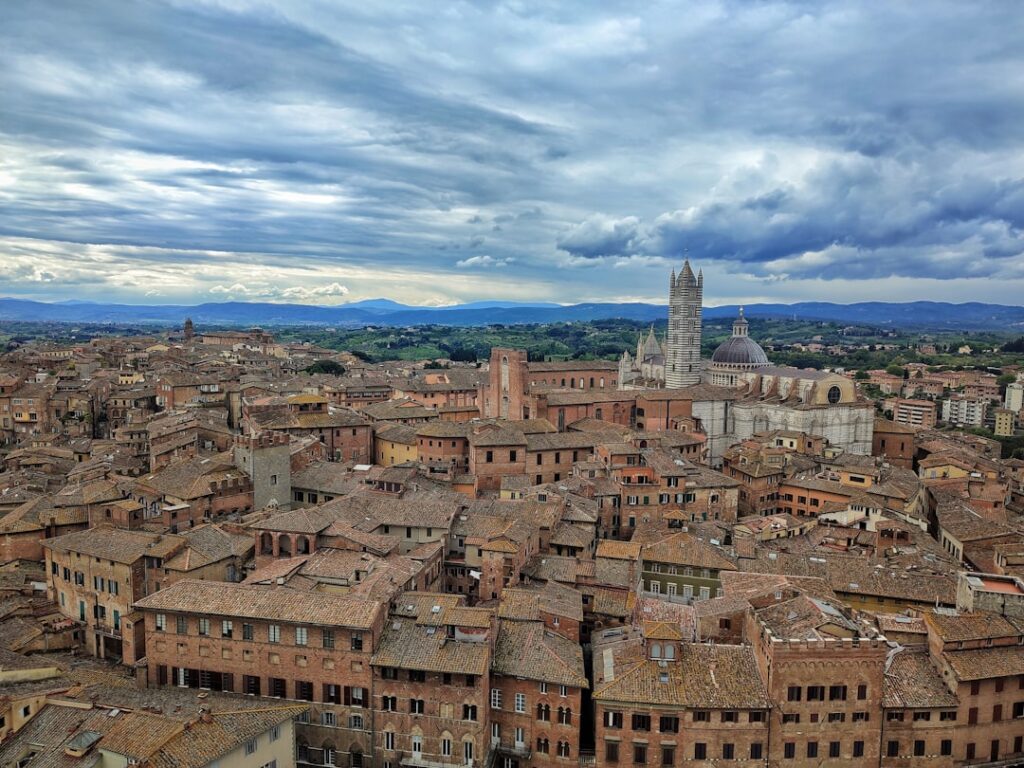
Tuscany in autumn is a sensory feast: rolling hills turn ochre and gold, vineyards reveal ripe clusters ready for harvest, and medieval villages settle back into a gentle rhythm after the summer rush. Choosing a 4-day itinerary in Tuscany at this time of year means you get a balanced mix of art, food, nature and wine, while enjoying mild weather (around 10–20 °C depending on the day) and less crowded roads. Shorter days, the low autumn light and morning mists create extraordinary photographic moods — perfect for capturing timeless cypress lines, olive groves and terracotta rooftops.
This 4-day route is designed to give a rich, well-rounded glimpse of Tuscany: Florence for art and architecture, the Chianti area for wine and scenery, fortified towns like San Gimignano and Volterra for their medieval character, and the Ombrone valley or Val d’Orcia for postcard panoramas. I include precise addresses — museums, restaurants, wineries, parking — with opening hours, sample prices in euros and practical tips to help you make the most of your visits and avoid tourist traps.
Autumn is also festival season: you might stumble on a truffle market, a chestnut fair or a grape-harvest evening. These local events are a great way to taste seasonal produce: porcini mushrooms, chestnuts, pappardelle with wild boar ragù, novello wines and new olive oil. Slow, sustainable tourism is recommended — walk through historic centers, enjoy responsible tastings and respect church opening hours. For a 4-day trip, a car offers the most flexibility to reach rural sites; if you prefer trains and buses, the Florence–Siena–Montepulciano axis is doable with some planning.
This detailed guide gives daily plans: estimated routes, monuments with exact addresses, opening times, prices, practical advice on the best time of day to visit, recommendations for lunch and tastings, plus logistical tips (parking, reservations, public transport). Immersive descriptions will help you picture each place and prepare emotionally for the autumnal Tuscan experience — colors, scents, textures, and the comfort food you’ll crave after a day of walking. Pack sturdy walking shoes, a windproof jacket and a camera: autumnal Tuscany is waiting.
Day 1 — Florence: Renaissance, the Duomo and Strolling Along the Arno
Start your trip in Florence (Firenze), the artistic heart of Tuscany and a great base for getting to know the region. Head early to the monumental complex of Cattedrale di Santa Maria del Fiore, commonly called the Florence Duomo. Address: Piazza del Duomo, 50122 Firenze FI. Opening hours: generally 10:00–17:00 (hours can vary with season and religious services). Price: combined « Duomo Complex » ticket around €20 (entry to the cathedral is free, but the baptistery, Giotto’s bell tower, Brunelleschi’s Dome and the museum are included in the paid combined ticket). Climb the Dome for panoramic views (booking highly recommended — 463 steps to the top).

Then walk across Piazza della Signoria and make your way to the Galleria degli Uffizi (Address: Piazzale degli Uffizi, 6, 50122 Firenze FI). Hours: 08:15–18:30 (closed some Mondays — check online). Price: standard ticket around €20–24; reduced rates for youth and EU under-18; book online to skip long lines. Masterpieces by Botticelli (The Birth of Venus), Leonardo da Vinci and Michelangelo make this a must-see. Allow 2–3 hours at a minimum.

For lunch head to the San Lorenzo area: try Trattoria da Mario (Address: Via Rosina, 2r, 50123 Firenze FI). Hours: 12:00–14:30 and 19:00–22:00. Budget: main courses €10–18. Tip: no reservations — arrive early to avoid the queue. After eating, stroll across the Ponte Vecchio (Via Por Santa Maria, 50125 Firenze FI), famed for its jewelry shops and sunset views over the Arno.
In the afternoon head to the Palazzo Pitti and the Boboli Gardens (Address: Piazza de’ Pitti, 1, 50125 Firenze FI). Hours: Palazzo Pitti 08:15–18:50, Boboli Gardens 08:15–16:30 depending on season. Price: combined Palazzo Pitti and Boboli around €16–20. The gardens are lovely for an autumn stroll: statues, groves and rooftop views of Florence. Before nightfall, climb to Piazzale Michelangelo (Viale Michelangelo) — a free viewpoint perfect for golden-hour photos.
Practical tips for Florence: buy major tickets (Uffizi, Duomo, Accademia) online several days in advance; visit early morning or late afternoon to avoid crowds; park in outer lots such as Parcheggio Piazza San Marco (Piazza San Marco, 50121 Firenze FI); the historic center’s ZTL (limited-traffic zone) is strictly enforced — check with your accommodation for car access. Finish the day with a warming soup or pappardelle with wild boar at a neighborhood osteria.
Day 2 — Chianti Classico: Wine, Rolling Hills and Hilltop Villages
On day two, rent a car and explore the Chianti Classico region between Florence and Siena, known for its terraced vineyards, historic wineries and small medieval towns. Recommended starting point: Greve in Chianti. Address: Piazza Matteotti, 1, 50022 Greve in Chianti FI. Wander the market square and visit Antica Macelleria Falorni (Via Roma, 36, 50022 Greve in Chianti FI) for excellent local cured meats. Hours: shops 09:00–19:00; market on Saturday mornings. Budget: tastings cost €5–15 depending on the estate.

Plan a visit to at least one iconic winery: for example Castello di Ama (Address: Località Ama, 53013 Gaiole in Chianti SI). Tasting hours: generally 10:00–17:00 (by reservation). Price: guided tastings €20–45 depending on the option. Castello di Ama blends wine with contemporary art and gardens — a fully immersive experience. Another option is Castello di Brolio (Via alla Rocca, 8, 53013 Gaiole in Chianti SI). Hours: 09:00–13:00 and 14:00–17:00; guided castle tour and tasting around €18–25.

Have lunch in Radda in Chianti (Piazza Ferrucci, 53017 Radda in Chianti SI), a small hilltop village with cobbled streets and family-run trattorias. Try Osteria Le Panzanelle (Via Roma, 20, 53017 Radda in Chianti SI). Hours: 12:00–14:30 and 19:00–22:00. Budget: dishes €12–25. After lunch drive on to Castellina in Chianti (Via della Libertà, 4, 53011 Castellina in Chianti SI) for a walk and a tasting at the Enoteca di Castellina.
Practical tips for Chianti: drive carefully on narrow, winding secondary roads; check availability for tastings in low season (reservations recommended); designate a driver if you’ll be tasting; bring a jacket as autumn mornings can be chilly. For an authentic experience, look for small family « cantine » (producers) offering tastings for €10–20 and vineyard tours. Autumn is ideal for photo stops: aligned cypresses, stone walls and farmhouses make stunning compositions.
Day 3 — San Gimignano, Volterra and Medieval Countryside
Day three is all about standout medieval towns: San Gimignano and Volterra, two places that capture the Tuscan soul. Start in San Gimignano, nicknamed the « medieval Manhattan » for its soaring towers. Address: Piazza della Cisterna, 53037 San Gimignano SI. The town center is open all day; museums and towers typically operate 09:30–18:00 depending on season. Climb the Torre Grossa (Palazzo Comunale, Piazza del Duomo, 1); entry roughly €9–12 for the tower and civic museum. The autumn panorama from the top is spectacular, with the golden hills of the Val d’Elsa stretching to the horizon.
Don’t miss the Collegiata di Santa Maria Assunta (Piazza Duomo, 8, 53037 San Gimignano SI), a beautiful Romanesque–Gothic church with 13th-century frescoes. Hours: 10:00–17:00 (variable). Suggested donation: €3–5. For lunch, try Trattoria Chiribiri (Via San Giovanni, 71, 53037 San Gimignano SI): dishes €10–20, hours 12:00–15:00 and 19:00–22:00.

In the afternoon drive on to Volterra, another gem with Etruscan and medieval roots. Address: Piazza dei Priori, 1, 56048 Volterra PI. Visit the Museo Etrusco Guarnacci (Via Porta Fiorentina, 1, 56048 Volterra PI) — one of Italy’s oldest museums devoted to Etruscan art. Hours: 09:30–19:00 (check in low season). Price: entry around €8–10. Then explore the Palazzo dei Priori (Piazza dei Priori), the oldest town hall in Tuscany, and climb the tower for views.

Volterra is also famous for alabaster: stop by a workshop like Alabaster World (Via Don Minzoni, 10, 56048 Volterra PI) to watch artisans at work. Hours: 09:00–18:00; workshops are free to observe. Recommended dinner: Osteria La Carabaccia (Via Don Minzoni, 24, 56048 Volterra PI), classic Tuscan dishes €15–28 — perfect for savoring an autumn stew.
Practical tips: San Gimignano parking (Piazza del Duomo Parking or Parking Montemaggio) is usually paid (about €1–2/hour or daily rates €6–10); Volterra offers easier car access but watch for narrow lanes. In autumn, evenings get cooler — bring a scarf. If you’re not driving, regional buses connect these towns from Poggibonsi and Siena, but schedules are less frequent in low season. Allow 2–3 hours per site for a relaxed visit.
Day 4 — Val d’Orcia: Pienza, Montepulciano and Natural Thermal Baths
On your final day explore the picturesque Val d’Orcia, a UNESCO World Heritage landscape. Start in Pienza, the Renaissance « ideal town. » Address: Piazza Pio II, 53026 Pienza SI. Visit the Duomo di Pienza (Cattedrale dell’Assunta, Piazza Pio II) from 09:30 to 18:00 depending on season; suggested donation €2–4. Taste famous pecorino di Pienza at La Buca di Enea (Via del Casello, 9, 53026 Pienza SI) or local cheesemakers like Caseificio Il Casale. Cheese tasting platters run about €5–12 depending on selection.
Next head to Montepulciano (Piazza Grande, 53045 Montepulciano SI), known for Vino Nobile di Montepulciano. Visit Cantina Contucci (Via di Gracciano nel Corso, 40, 53045 Montepulciano SI) or Cantina De’ Ricci for tastings. Hours: 10:00–18:00 (tastings by appointment often available). Tasting prices: €12–30 depending on wines and pairings. Walk around Piazza Grande, visit the Cathedral of Santa Maria Assunta and climb to the viewpoint for stunning Val d’Orcia vistas.

For relaxation, finish the day at a natural thermal spa: Bagno Vignoni (Piazza delle Sorgenti, 53027 San Quirico d’Orcia SI) is famous for its Renaissance-era central thermal pool. The large central pool is often protected and not freely open for bathing, but local establishments like QC Terme Bagno Vignoni (Via della Fonte, 1, 53027 Bagno Vignoni) offer spa access (approx. €30–80 depending on package and season). Spa hours: typically 09:00–20:00 (varies by facility).

Another thermal option is Terme di Saturnia (località Saturnia, 58014 Manciano GR) if you’re willing to drive a little further — famous outdoor thermal cascades free to visit and ideal in autumn for a warm soak under a clear sky. Access: paid parking €3–5; there are no fixed opening hours for the natural cascades, but early morning or evening is best to avoid crowds.
Practical tips for Val d’Orcia: favor scenic back roads and photo stops; autumn mornings can be misty, adding a magical atmosphere; book tastings and spas in advance, especially on weekends; parking in Pienza and Montepulciano often has daily fees €2–6; carry cash for small rural shops. Good souvenirs: extra virgin olive oil, aged pecorino and bottles of Vino Nobile — prices are reasonable (oil €8–20/litre, cheese €8–25/kg, wine €10–40/bottle depending on the label).
Conclusion — Summary, Final Tips and Sample Budget
In four days you can get a very rich overview of autumnal Tuscany: Florence for art and architecture, the Chianti hills for vineyards and tastings, San Gimignano and Volterra for medieval history, and Val d’Orcia for unforgettable landscapes and relaxation. To recap the recommended route: day 1 Florence (Duomo, Uffizi, Boboli), day 2 Chianti (Greve, Castello di Ama, Radda), day 3 San Gimignano and Volterra, day 4 Val d’Orcia (Pienza, Montepulciano, Bagno Vignoni or Saturnia). Each stop above includes exact addresses, approximate opening hours and indicative prices to help you plan.
Indicative budget for 4 days (per person): accommodation 3 nights in a 3-star hotel €60–120/night (total €180–360), food €25–60/day (€100–240), transport (compact car rental for 4 days) €40–80/day including fuel and insurance (€160–320), visits and tastings €50–100, parking and extras €20–60. Estimated total: €510–1080 depending on your comfort level. Tip: traveling in autumn often means better rates for lodging and some activities.
Final practical tips: buy Florence museum tickets (Uffizi, Accademia, Duomo) online to avoid queues; respect opening times for churches and religious monuments (services can limit access); bring a credit card plus some cash for local markets; if driving, avoid ZTL zones without authorization to prevent fines. Pack layers — a windbreaker, a fleece and a scarf will help you handle autumn temperature swings.
And leave room for the unexpected: a sagra you stumble upon in a village square, an informal tasting at a small producer, or a sunset over a hill that makes you linger longer. Tuscany reveals itself as much through planned routes as through surprises. Use these four days to slow down, savor, and soak up an atmosphere where history, food and landscape blend into one beautiful experience.