





Introduction — Why the Chianti Wine Route Is a Must-Do
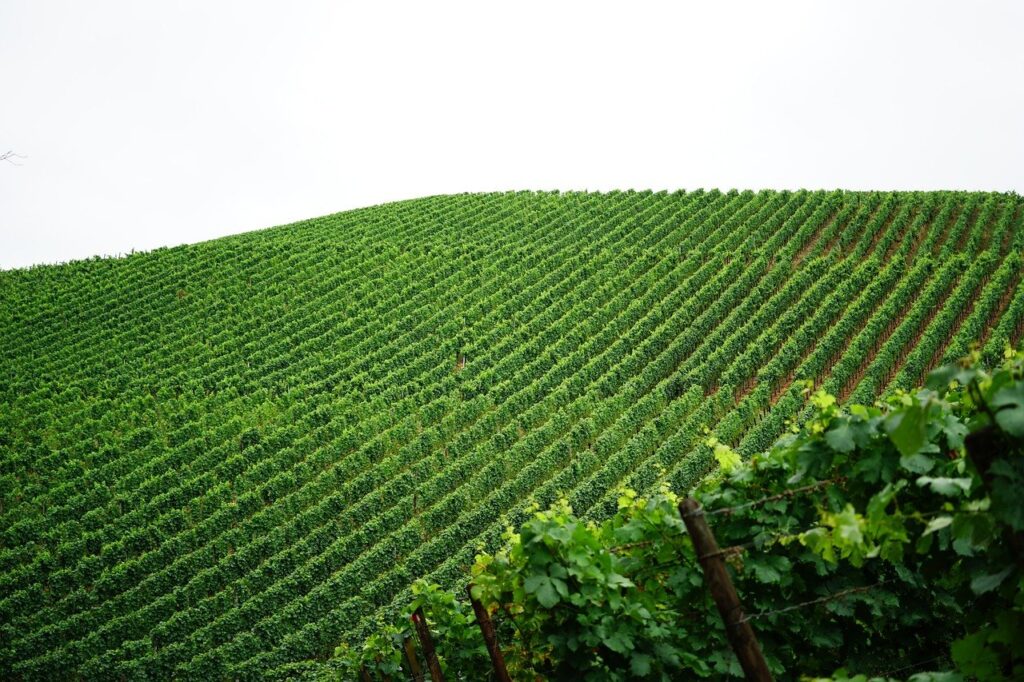
The Chianti Wine Route is much more than a wine-tasting trail: it’s a full sensory plunge into the beating heart of Tuscany. Stretching between Florence and Siena, the Chianti Classico area reveals rolling vineyards, tall cypress trees, medieval villages and historic estates that produce some of Italy’s most respected wines. Driving the SP222, the “Strada del Chianti,” you’ll follow a scenic road that winds through ever-changing landscapes, where the golden morning light and sunset over the hills turn every winery into a living painting.
This complete guide lays out an unmissable itinerary, exact addresses and practical tips to get the most from your visit: where to taste, where to stay, how to book, expected prices and how to get around with peace of mind. Whether you arrive by rental car from Florence-Peretola Airport (Aeroporto di Firenze-Peretola, Via del Termine, 50127 Firenze FI) or by train to Florence and then taxi, the Chianti route is perfect for a slow road-trip dotted with food stops, castle visits and breathtaking views.
Chianti is best known for its Sangiovese grape, sometimes blended with Canaiolo or Colorino to make the famous Chianti Classico D.O.C.G. But the region also offers olive oil, cheeses, cured meats and refined peasant cuisine. Estates like Castello di Brolio, Castello di Ama and Tenuta Antinori (Antinori nel Chianti Classico) are landmarks both historically and sensorially. This guide includes exact addresses, indicative tasting prices in euros, opening hours, and local tips to avoid tourist traps and find the best bottles — often even better when bought directly at the winery.
We recommend planning at least two to three days for a first in-depth route, booking tastings in advance especially in high season (April to October), and alternating winery visits with stops in villages like Greve in Chianti or Radda in Chianti. Read on for a day-by-day itinerary, recommended visits with exact addresses, prices and hours, and practical tips to travel like a local.

Day 1 — Greve in Chianti, the Traditional Starting Point
Kick off your exploration in Greve in Chianti, often considered the gateway to Chianti Classico. The village core is Piazza Matteotti, 50022 Greve in Chianti FI, a triangular square lined with arcades, artisan shops and antique dealers. Stroll under the arcades, sample local pecorino cheeses and spot the small family wineries offering tastings.

Recommended visits in Greve:
- Museo del Vino di Greve (Wine Museum) — Piazza Matteotti, 14, 50022 Greve in Chianti FI. Open daily from 10:00 to 18:00. Price: €8 per person (museum entry), tastings from €12 depending on the package.
- Fattoria Selvapiana — Via S. Cresci, 11, 50022 Greve in Chianti FI. Tastings by reservation, €20–35 per person depending on the selection. Hours: 09:30–17:30 (by appointment).
Practical tips: park at the Parcheggio Comunale di Greve (Via della Repubblica, 50022 Greve in Chianti FI) for easy access to the piazza. If you visit on Saturday, don’t miss the local market on Piazza Matteotti (morning): local producers, honey, cured meats and flowers. For lunch, choose a traditional trattoria to try ribollita or a shared bistecca alla fiorentina — a hearty meal that will keep you going through afternoon tastings.
Day 2 — Iconic Castles and Estates: Castello di Brolio and Castello di Ama
Next head to Gaiole in Chianti for a day focused on major historic estates. Start at Castello di Brolio, Località Brolio, 53013 Gaiole in Chianti SI. Owned by the Ricasoli family since the 12th century, this estate is one of the pillars of Chianti Classico. The castle offers guided tours of the park, museum and cellars, along with commented tastings.
Castello di Brolio practical information:
- Address: Castello di Brolio, Località Brolio, 53013 Gaiole in Chianti SI
- Opening hours: guided tours 10:00–17:00 (last tour 16:00). Open daily April to October, reduced hours in low season.
- Prices: tour + tasting from €20 per person. Park and museum visit €12.
After lunch, head to Castello di Ama (Località Ama, 53013 Gaiole in Chianti SI), an estate famous for integrating contemporary art into the vineyards and for its elegant wines. Sculptures scattered through the olive groves and vine rows create a uniquely aesthetic experience.
Castello di Ama practical information:
- Address: Castello di Ama, Località Ama, 53013 Gaiole in Chianti SI
- Opening hours: visits and tastings by reservation Monday to Saturday, 10:00–17:00.
- Prices: standard tasting €25–35 per person, gastronomic lunch available by reservation (from €45).
Local tips for this day: book at least 48 hours in advance for visits to the castle and Castello di Ama, especially in high season. Wear comfortable shoes for climbing the castle terraces and walking the trails between vineyards. The afternoon offers the best light for photography — perfect for your Instagram shots, but always respect winery rules (no flash in some rooms).
Day 3 — Antinori nel Chianti Classico, Badia a Passignano and Refined Tastings
On the third day, plan a visit to Antinori nel Chianti Classico, a contemporary wine-focused architectural landmark in the heart of Chianti. Address: Antinori nel Chianti Classico, Via Cassia per Siena, 133, 50022 Bargino (San Casciano in Val di Pesa) FI. This building-museum is a fine example of modern integration into the Tuscan landscape, organized around a large cellar and a gastronomic restaurant.

Antinori practical information:
- Address: Antinori nel Chianti Classico, Via Cassia per Siena, 133, 50022 Bargino (San Casciano in Val di Pesa) FI
- Hours: guided tours 09:30–18:00 depending on season (last tour varies). Restaurant generally open for lunch and dinner, booking strongly recommended.
- Prices: guided tour + tasting from €25; restaurant lunch from €35–50 per person depending on the menu.
Next, make your way to the Abbey of Badia a Passignano, Via Badia a Passignano, 50022 Tavarnelle Val di Pesa FI. This Cluniac monastery perched on a hill offers not only remarkable religious architecture but also panoramic views over the surrounding vineyards; it sometimes hosts local tastings or wine-related events.

Badia a Passignano practical information:
- Address: Badia a Passignano, Via Badia a Passignano, 50022 Tavarnelle Val di Pesa FI
- Hours: generally open to visitors 09:00–17:00 (church service times may vary).
- Prices: free entry to the church, guided visits possible by reservation (suggested donation €5–10).
Practical tip: combine an Antinori visit in the morning (to take advantage of an expert guide) with the tranquility of Badia a Passignano in the late afternoon to soak up the calm. Many estates offer food-and-wine pairings; it’s a great opportunity to learn how each grape pairs with Tuscan cuisine. Ask for the wine technical sheets if you plan to buy bottles — many estates offer international shipping.
Practical Tips for a Smooth Route Along the Strada del Chianti
Getting around: the most flexible way to enjoy the Chianti Wine Route is by rental car. Secondary roads (SP) twist and turn and require attention: typical limits are 50–70 km/h in built-up areas and 90 km/h on larger roads. Rent a compact car you’re comfortable with; many estates have free or paid parking (€2–5 per day). If you’d rather not drive, book a private driver or a guided tour from Florence — prices range from €80 (half-day) to €200 (full day) for a minibus.
Budget and bookings: plan a tasting budget per person of €15 to €40 per winery for standard packages, and €25–80 for premium tastings or gourmet pairings. The most sought-after visits (Antinori, Castello di Brolio, Castello di Ama) often require reservations 48–72 hours in advance, especially around Easter, summer and the harvest season (September–October).
Best time to visit: spring (April–June) for flowering hills, and September–October for the harvest and festive atmosphere at the estates. Winter is quieter and can allow last-minute bookings, but some estates close or cut hours.
Local tips: bring a light jacket for evenings, closed shoes for estate visits and reusable bags for your bottle and olive oil purchases. Respect winery schedules and arrive on time: tours are often timed and a late arrival can shorten the tasting. Also remember to drink water between tastings and arrange safe transport if you’re drinking — the roads are scenic but narrow.
Conclusion — Taking Chianti Home: Souvenirs, Bottles and Lasting Impressions
The Chianti Wine Route leaves a lasting mark: views, encounters and bottles that tell the story of a terroir. By taking the time to visit Greve in Chianti, Castello di Brolio, Castello di Ama, Antinori nel Chianti Classico and Badia a Passignano, you’ll experience the fruity notes of Sangiovese, the elegance of careful aging and the generosity of rustic-but-refined cuisine. Buy a few bottles directly from producers — you’ll often get cellar prices (typically 10–25% cheaper than retail) and special releases not distributed internationally.
To head home with great memories, document your tastings: note vintages, photograph labels and ask for wine lists. If you plan to ship bottles abroad, check export rules and ask estates if they handle shipping (costs vary, often €15–50 depending on destination). Lastly, soak up local habits: afternoon siestas, the importance of reservations, and the conviviality of shared tables at trattorias. Chianti isn’t just a place to see — it’s a place to feel. Let it guide you slowly, bottle by bottle, hill by hill.