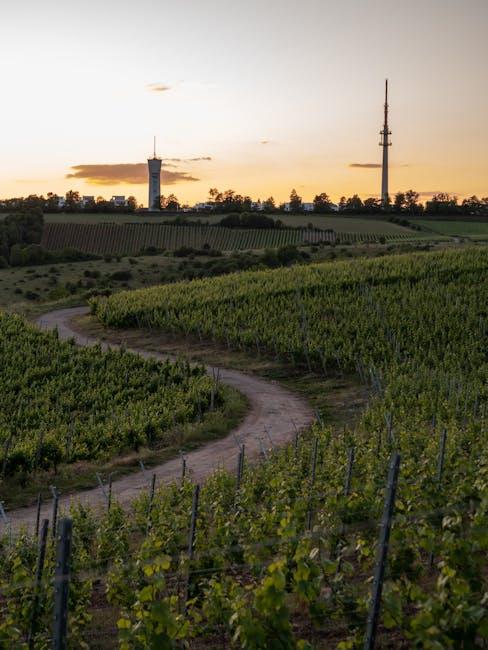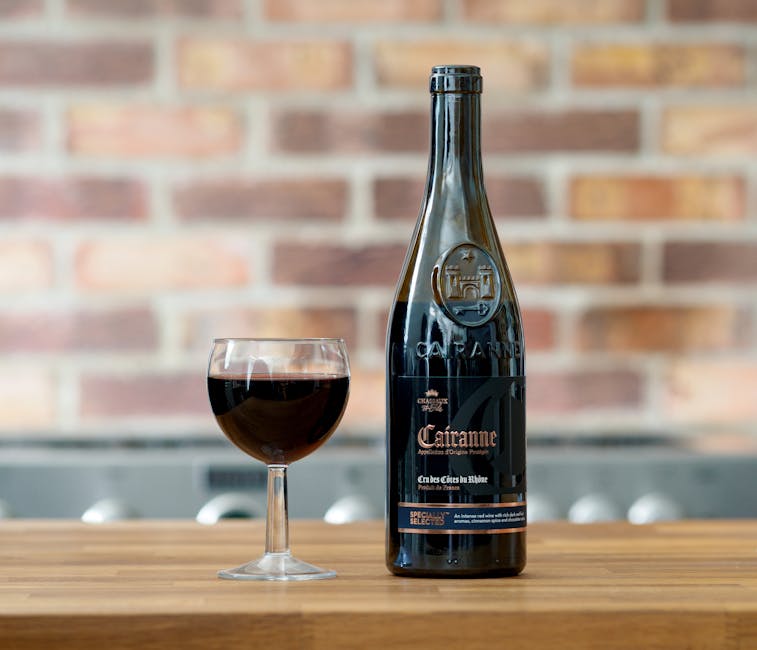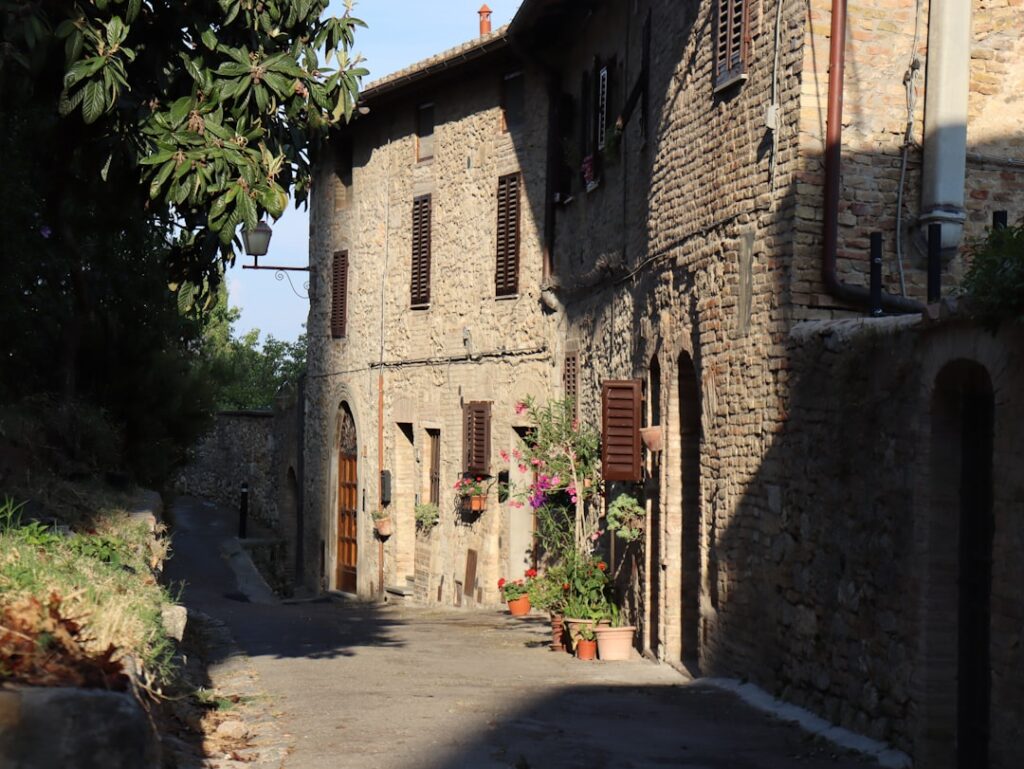






Introduction — Wine Tastings in Tuscany’s Medieval Villages
Tuscany instantly conjures rolling golden hills, tall cypress trees and terracotta rooftops sparkling in the sun. But beyond the iconic landscape, it’s the medieval villages — San Gimignano, Volterra, Montalcino, Castellina in Chianti, Greve in Chianti and many more — that give you the closest, most authentic taste of Tuscan wine. Wandering down a cobbled lane flanked by stone houses, stopping at a tiny osteria for a board of pecorino and cured meats, then stepping into a family cellar feels like travelling back in time while sipping contemporary vintages. Tastings here aren’t just a commercial transaction: they’re steeped in history, terroir and craft passed down through generations.
In this region, prestigious names like Chianti Classico, Brunello di Montalcino, Vino Nobile di Montepulciano or Vernaccia di San Gimignano often read like a map — a bottle will tell you the slope’s aspect, the soil type, the altitude and the microclimate of a particular hill. Local cooperatives and confraternities play a big role: they open their doors, walk you through the winemaking process, show the oak barrels and serve thoughtful food pairings. But beyond the big houses, the most memorable experiences often come from tiny village cellars tucked into historic buildings: vaulted rooms from the 13th century, restored frescoes and tastings around a heavy wooden table lit by candlelight.
This guide offers a sensory and practical route to arrange wine tastings in Tuscany’s medieval villages. You’ll find full addresses, typical opening hours, price ranges in euros, immersive descriptions of places and activities, plus practical tips to make the most of every visit — when to book, how to behave, which bottles to prioritize by season and how to pair a tasting with a cultural stroll. The aim is not only to give you useful information but to spark your curiosity to listen to the stories behind the labels, exchange a few words in Italian with the hostess or winemaker, and leave with a bottle you won’t forget.
San Gimignano and Vernaccia — Addresses, Tastings and Historical Immersion
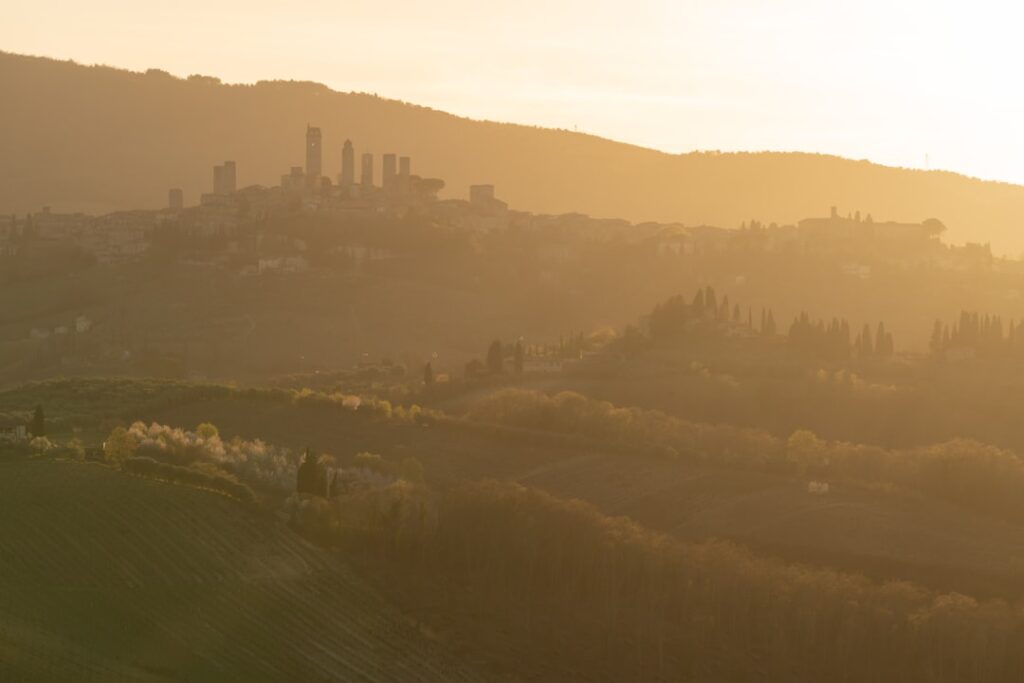
San Gimignano, a UNESCO World Heritage site, is famous for its medieval towers and for Vernaccia di San Gimignano, a white wine with floral and citrus aromas. Start your visit in the center: Piazza della Cisterna (Piazza della Cisterna, 53037 San Gimignano SI) is the village’s heartbeat and a great place to base a tasting. For a warm, friendly approach, head to Enoteca Falorni (Via San Giovanni 82, 53037 San Gimignano SI). Indicative hours: daily 09:30–19:30 (closing times vary off-season). Guided tasting: from €12 per person for 3 wines; cellar tours by appointment from €20.
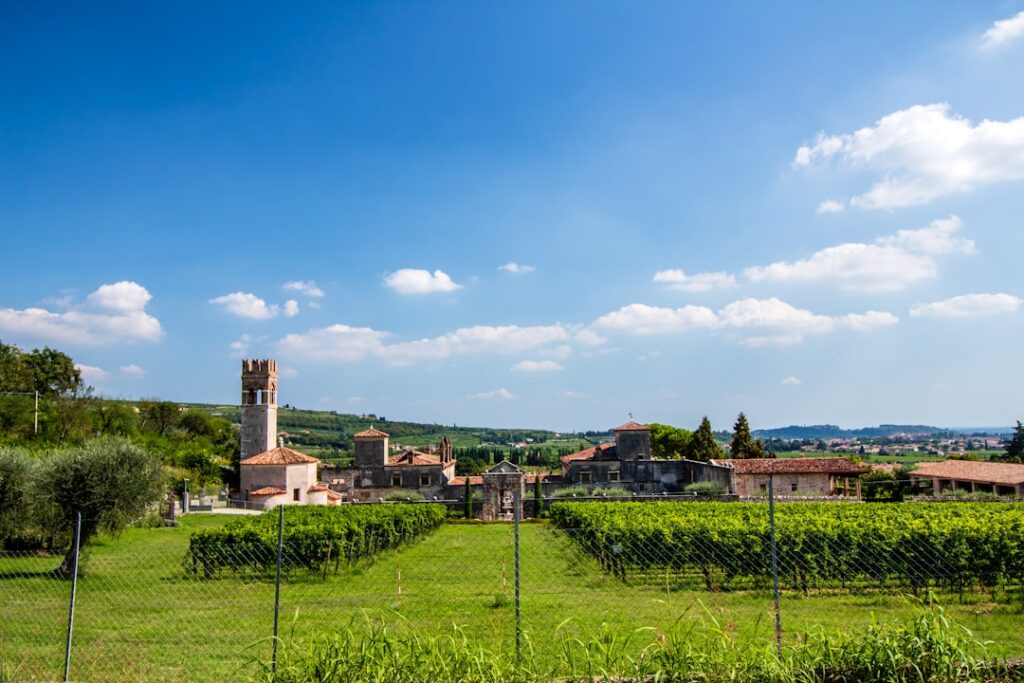
Immersive description: push open the door of a stone cellar near the Duomo; the air is cool, the stones retain the dry scent of firewood and grapes. The sommelier pours a young Vernaccia, pale yellow with hints of dry grass and lemon, then a lees-aged cuvée that reveals a creamy texture. You’ll hear about limestone soils, southeast exposures and microclimates sheltered by the towers. Tastings are often served with local plates: San Gimignano prosciutto, pecorino from the Crete Senesi and homemade preserves.
- Practical tip: Book your tasting at least 48 hours in advance during high season (May–Sept.). In low season you can often call the same day.
- Hours to watch: many cellars close between 12:30–15:30; aim for morning or late afternoon.
- Prices: guided tastings €12–35; full visits with lunch €40–80 per person.
Chianti Classico: Greve, Castellina and Tastings at Producers
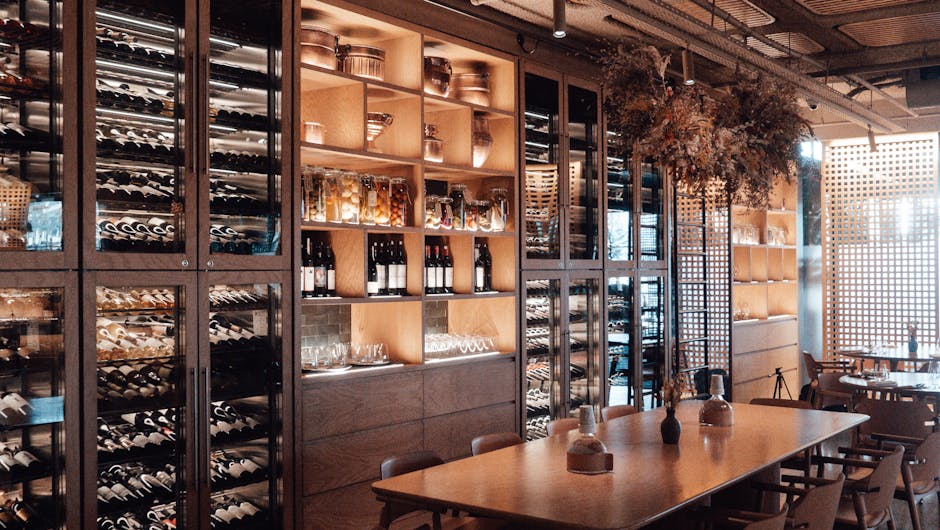
The Chianti Classico road winds through vine-covered hills and medieval hamlets. Greve in Chianti (Piazza Matteotti, 50022 Greve in Chianti FI) and Castellina in Chianti (Via Ferruccio 9, 53011 Castellina in Chianti SI) are two perfect bases for varied tastings. In Greve, Enoteca Falorni in Greve (Piazza Matteotti 4, 50022 Greve in Chianti FI) offers a wide selection; indicative hours: 10:00–19:00, closed on winter Sundays. In Castellina, the Rocca di Castellina (Via Casalino, 53011 Castellina in Chianti SI) often hosts wine events and evening tastings — entry and tasting from €15.
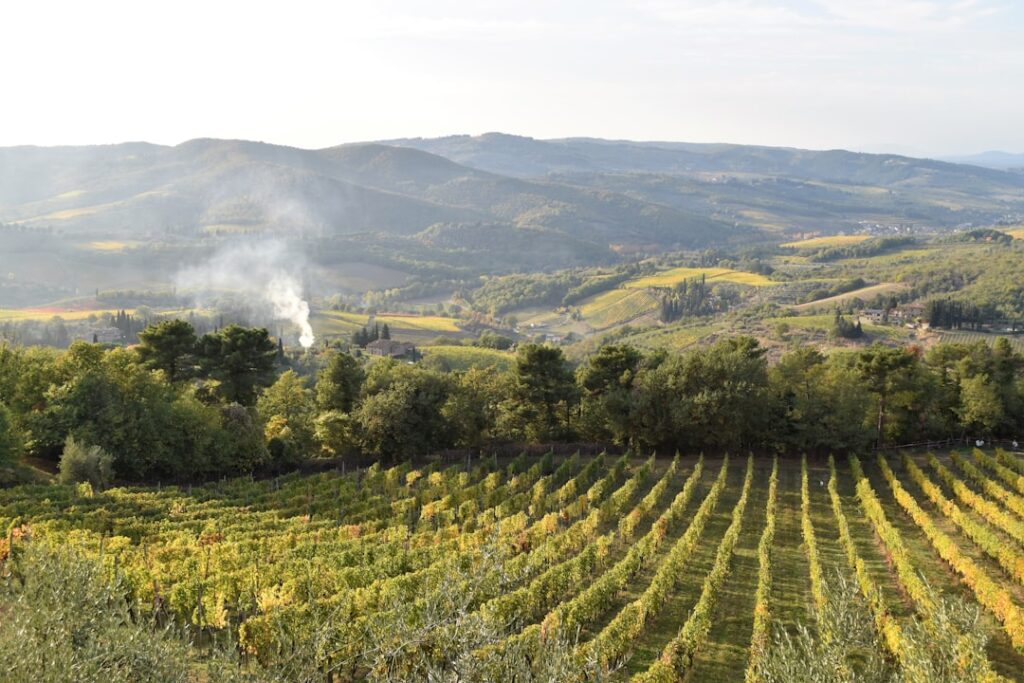
Immersive description: picture a tasting in a troglodyte cellar or an old barn converted into a barrel room; the air is heavy with woody, spicy notes from oak casks. Grand estates like Castello di Ama (Località Ama, 53013 Gaiole in Chianti SI) offer tours at €30–60 including art and wine, while small family farms provide intimate tastings at €10–25. In Chianti Classico you’ll sample structured reds, often paired with local olive oil, wild herbs and Tuscan antipasti.
- Useful addresses: Piazza Matteotti, 50022 Greve in Chianti FI; Rocca di Castellina, Via Ferruccio 9, 53011 Castellina in Chianti SI.
- Price guide: simple tastings €10–25, full visits €30–80; food pairings from €25.
- Tip: rent a car or hire a driver — roads are winding and distances between estates can be deceptive.
Montalcino and Brunello — Historic Cellars, Addresses and Opening Hours
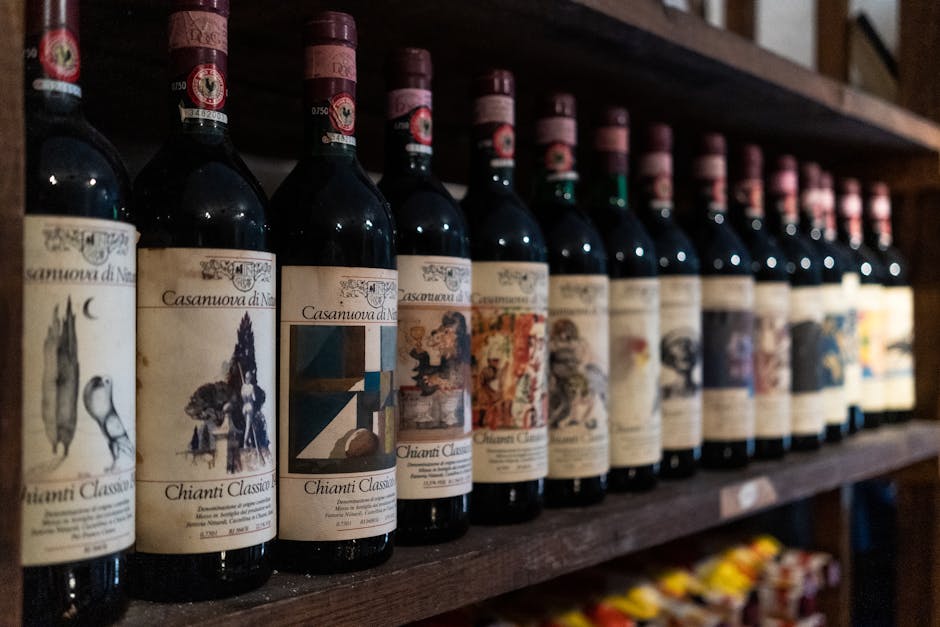
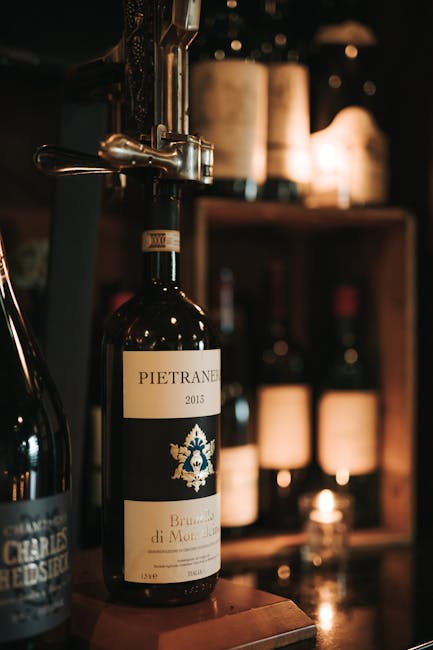
Montalcino, perched atop a hill, is the home of Brunello di Montalcino. The village center around the Fortezza di Montalcino (Piazza del Popolo, 53024 Montalcino SI) hosts enotecas and prestigious nearby wineries. For a classic in-town tasting, Enoteca la Fortezza (Piazza della Liberta, 53024 Montalcino SI) features selections from local producers; indicative hours: 10:00–19:00, with seasonal variations. Visits to renowned producers are usually by appointment: a guided tour in a family cellar might cost €20–60 per person and includes several Brunello vintages.
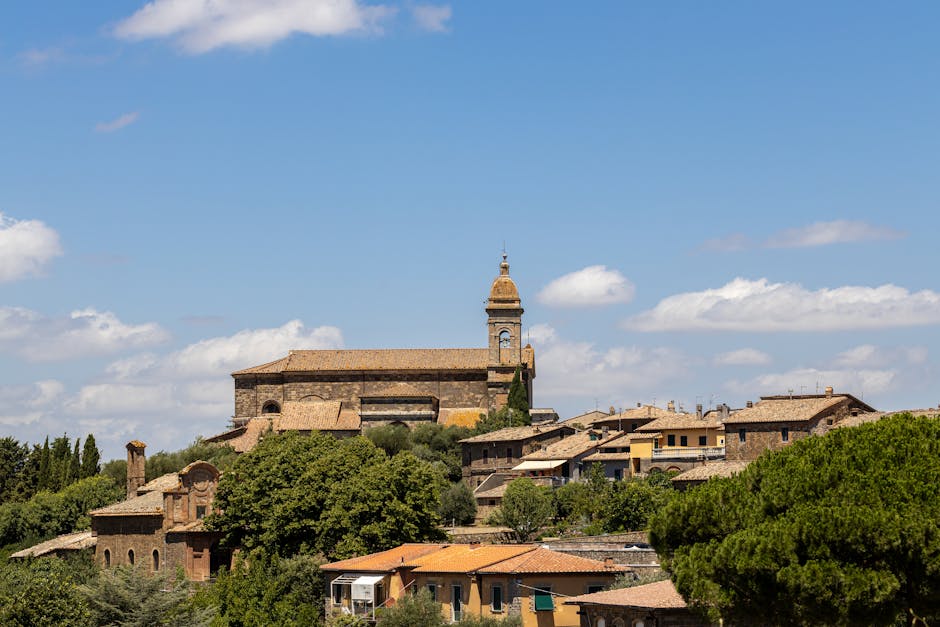
Immersive description: start with a stroll through the lanes around the Torre del Mangia and follow with a tasting in a cellar whose floor is paved with 14th-century stones. The winemaker will present Brunello with passion, explaining the long ageing in barrels and bottle (minimum four years for Brunello). Classic pairings include slow-cooked meat dishes, local truffles and aged cheeses. Don’t miss small organic producers who often offer natural cuvées and friendlier prices (€15–30 for a tasting).
- Practical addresses: Fortezza di Montalcino, Piazza del Popolo, 53024 Montalcino SI; Enoteca la Fortezza, Piazza della Liberta, 53024 Montalcino SI.
- Hours: cellars generally open 09:30–17:30; some close between noon and 14:30.
- Tip: bring a light jacket for underground cellars — they’re often cool even in summer; consider buying bottles on-site to take advantage of producer pricing.
Volterra, Pienza and the Southern Villages — Small Cellars and Local Pairings
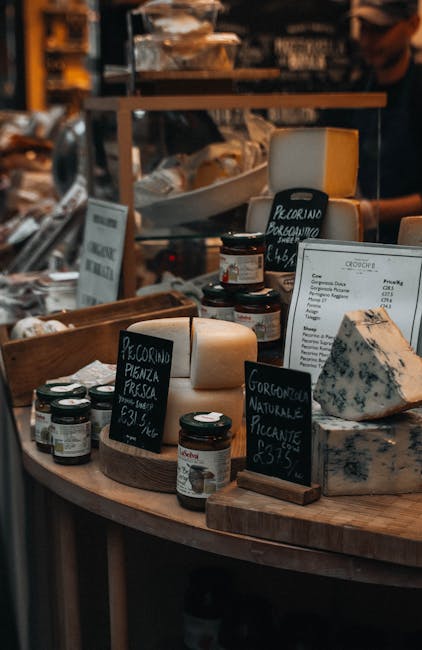
Volterra (Piazza dei Priori, 56048 Volterra PI) and Pienza (Piazza Pio II, 53026 Pienza SI) nicely round out an oenological route. Volterra, more austere and mineral, sits close to producers of rustic reds and fresh whites; Pienza, in the Crete Senesi landscape, offers nectars that pair beautifully with pecorino di Pienza. Osteria La Porta (Via Roma 12, 56048 Volterra PI) and Enoteca di Pienza (Via della Pieve 15, 53026 Pienza SI) are good starting points for tasting local wines.
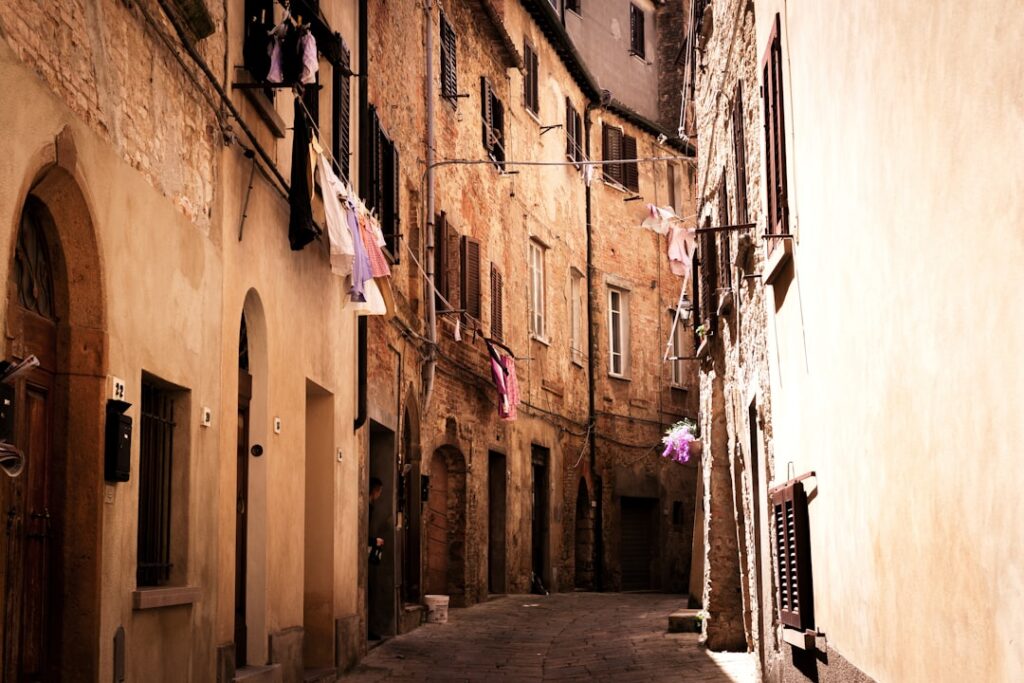
Immersive description: in a Volterra cellar you’ll pick up earthy and garrigue notes; tastings are sometimes paired with visits to Etruscan ruins. In Pienza, after visiting the Cattedrale di Pienza (Piazza Pio II), stop to taste local wines under a loggia with aged pecorino. Prices vary: simple tastings €8–20, paired lunches €25–50. Local producers often offer private visits by appointment, allowing you to explore small-batch cuvées in an intimate setting.
- Addresses: Piazza dei Priori, 56048 Volterra PI; Piazza Pio II, 53026 Pienza SI.
- Prices: tasting €8–50 depending on the offer (simple tasting or full meal).
- Local tips: in less touristy villages cash is sometimes preferred; carry €20–30 in cash. Respect local siesta hours (13:00–16:00) to avoid closures.
Conclusion — Planning Your Medieval Wine Route: Final Tips and Keepsakes
Mapping out a wine route through Tuscany’s medieval villages combines heritage, scenery and gastronomic pleasures. To get the most from your trip, plan a flexible itinerary: aim for one village per day, with at least one cellar visit in the morning and a longer tasting or wine-paired lunch in the afternoon. Advance booking is essential for sought-after estates, especially May–September and during harvest (late August–October). Pack comfortable shoes for cobbled streets and a light jacket for cool underground cellars; also bring a small personal kit with water, plasters and a notebook to record the bottles and producers you discover.
Buying wine on site is often advantageous: some producers offer discounts or reduced shipping fees for export. If you buy several bottles, ask the estate for packing and transport advice; many cellars provide postal shipping or temporary storage. Finally, honor local traditions: greet staff in Italian (Buongiorno, Buonasera), taste attentively and ask about the terroir — winemakers love to tell their stories and share their passion. Bring home souvenirs not just in bottles but in images: panoramas from a medieval tower, the light of sunset over the vines, the wooden table of an osteria where you shared a simple, perfect meal.
- Final tip: if you plan to drive, rotate a designated driver and consider local drivers or wine tours for a stress-free experience.
- Estimated budget: for three days of moderate tastings and visits, estimate €150–400 per person (tastings, meals, a few bottles).
- Lasting memento: take notes and photos (respect no-photo rules) and, if possible, sign up for a producer’s newsletter to follow the vintages you loved.