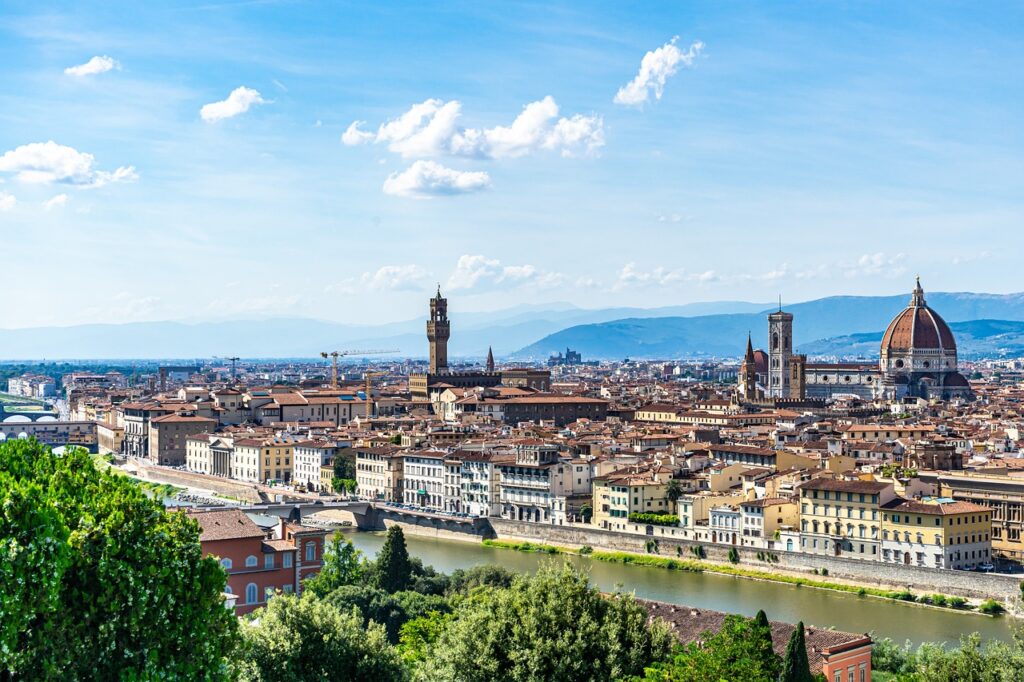






Introduction — Why choose a 5-day Tuscany itinerary: vineyards and medieval villages
Tuscany instantly conjures rolling vine-clad hills, hilltop villages with cobbled lanes, medieval towers piercing the skyline and piazzas where time seems to stand still. A 5-day Tuscany itinerary focused on “vineyards and medieval villages” is perfect for those wanting to combine top-notch wine tastings, deep dives into medieval history and picture-perfect walks through breathtaking scenery. Five days strike a sweet spot: enough time for a refined taste of Florence, to cross the Chianti region between Greve and Panzano, linger in Siena and San Gimignano, and finish in the Val d’Orcia — home of Brunello, Vino Nobile di Montepulciano and the bare, sculpted hills.
This practical, professional guide lays out a day-by-day route with exact addresses (museums, wineries, restaurants, piazzas), indicative prices in euros, typical opening hours and hands-on local tips. The approach is immersive: I describe not only where to go but what you’ll see, smell and hear — from the smoky wood scents in a family cellar to the clink of espresso cups on Piazza del Campo at dawn. Suggestions include must-book experiences (popular museums and wineries), alternatives for driving or using public transport, photo-friendly options and money-saving tips that don’t compromise the experience.
Tuscany requires a little planning: some sites shut in the afternoon, others need bookings weeks in advance, especially in high season (May–September). Prices shown are current at the time of writing and are meant as rough guides: museum entries (around €10–20), wine tastings (€15–60 depending on the estate), access to medieval towers (€5–12), meals at local trattorie (€15–45). This 5-day route is paced to be busy but comfortable: stay in a central city hotel for one or two nights, move to an agriturismo in the countryside for two nights, and end in a characterful guesthouse in the Val d’Orcia.
Throughout the guide you’ll find exact addresses: museums like the Galleria degli Uffizi (Piazzale degli Uffizi 6, 50122 Firenze) with hours and prices, wineries such as Antinori nel Chianti Classico (Via Cantina Antinori 1, 50022 Bargino) with tasting info, famous butchers like Macelleria Dario Cecchini (Via XX Settembre 33, 50022 Panzano in Chianti), and iconic squares like Piazza del Campo in Siena (Piazza del Campo, 53100 Siena). Practical details (parking, opening times, costs) will help you plan each day without surprises. Charge your camera: Tuscany is one of those places where every turn reveals a new postcard.
1. Day 1 — Florence: history, art and your first Tuscan impressions
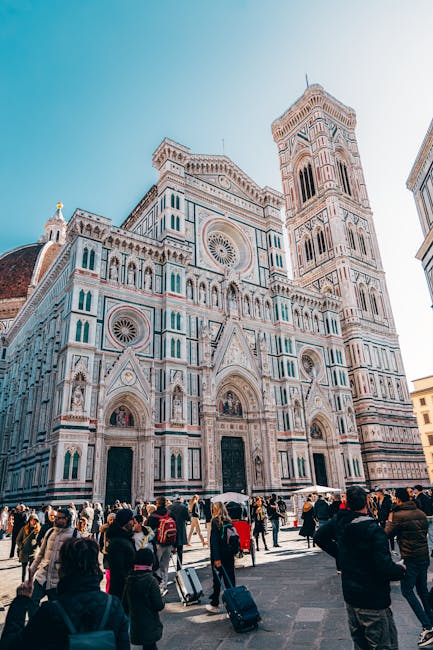
Start your route in Florence, the cultural gateway to Tuscany. Arrive early to enjoy the sights before the crowds. The historic center is compact and walkable. First stop: the Cattedrale di Santa Maria del Fiore (Duomo), located at Piazza del Duomo, 50122 Firenze FI. Exact address for planning: Piazza del Duomo, 50122 Firenze FI. Hours: usually 10:00–16:30 for climbing the Duomo (times vary by season). Price: combined ticket “Cupola, Museo e Battistero” about €18 (online booking recommended).
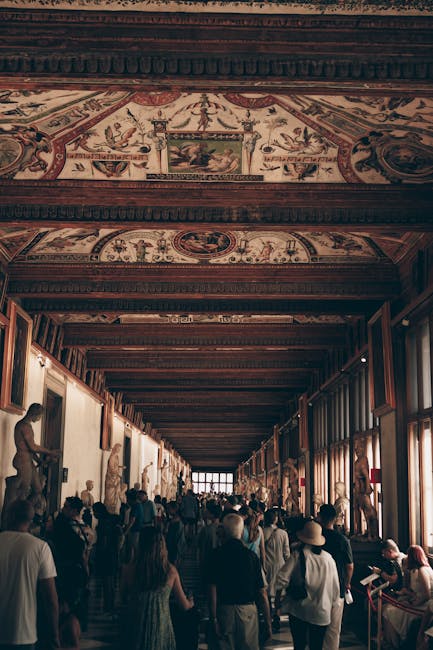
A five-minute walk away is the Galleria degli Uffizi (Piazzale degli Uffizi 6, 50122 Firenze), home to masterpieces by Botticelli, Leonardo da Vinci and Michelangelo. Hours: 08:15–18:30 (closed on Mondays, check seasonal changes). Price: standard ticket around €20–25 (online booking strongly recommended to avoid long lines). For your first day, limit your visit to about 2 hours and focus on the key rooms (Botticelli and Raphael).
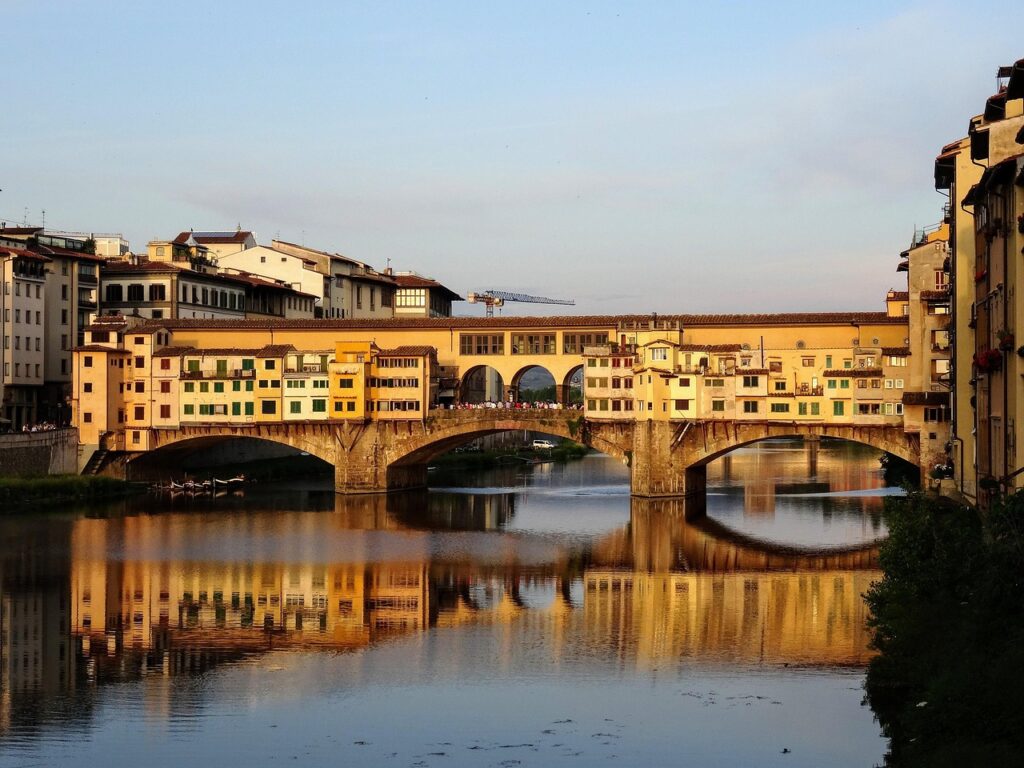
For lunch, pick an authentic trattoria near Piazza della Signoria: Trattoria 4 Leoni, Via dei Velluti 1r, 50122 Firenze (main courses €12–25). In the afternoon, stroll across the Ponte Vecchio (Ponte Vecchio, 50125 Firenze FI) then head towards Santa Maria Novella church and the train station (Piazza della Stazione, 50123 Firenze) — a handy reference if you arrive by train.
Practical tips: park at Garage Mediceo (Via degli Artisti 3, 50121 Firenze) or use public parking like Parcheggio Sant’Orsola (Piazza Bernardino Poccetti, 50124 Firenze) — daily rates around €20–30. ZTL (restricted traffic zones) are strictly enforced: check that your accommodation registers your vehicle or leave the car outside the center. For an upscale dinner, consider Osteria del Cinghiale Bianco (Borgo San Jacopo 43r, 50125 Firenze) — main dishes €20–40.
2. Day 2 — Chianti Classico: Greve, Panzano and renowned cellars
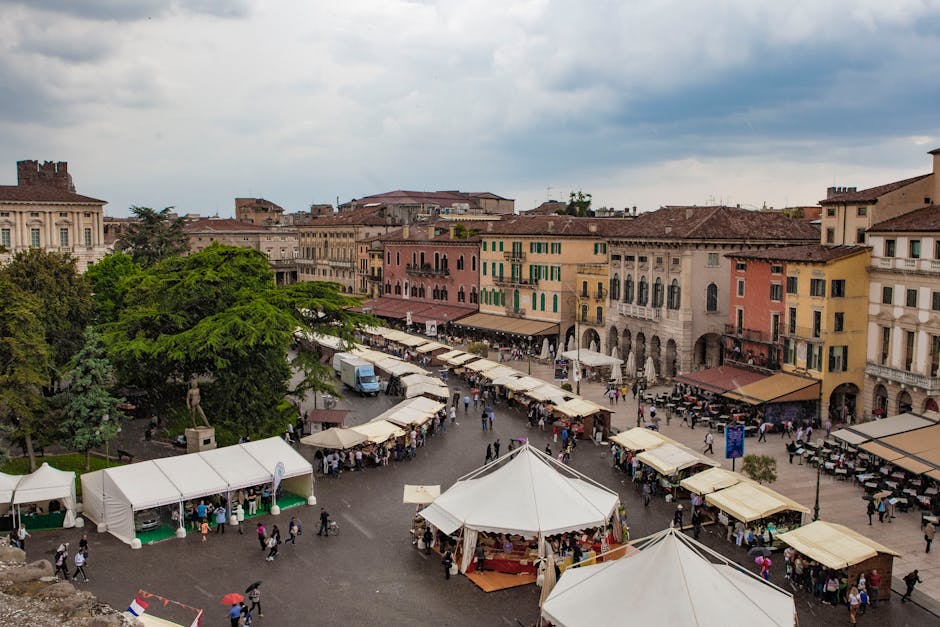
Day two is dedicated to Chianti Classico, the quintessential wine region between Florence and Siena. Leave Florence early (about 45–70 minutes by car to Greve in Chianti depending on traffic). First stop: Greve in Chianti, Piazza Matteotti, 50022 Greve in Chianti FI. The triangular square, framed by porticoes, is perfect for coffee and a local market (markets usually on Saturday mornings). For an informal lunch try Enoteca Falorni, Via Roma 38, 50022 Greve in Chianti — salumi specialties, prices approx. €10–25.
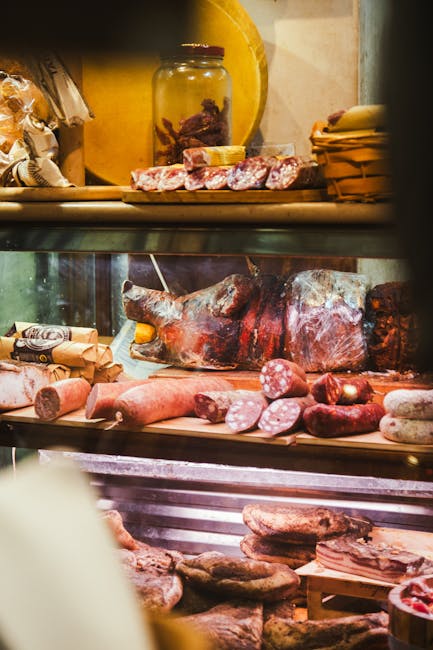
Continue to Panzano in Chianti, a hilltop village famed for its butchers and views. Famous butcher’s address: Macelleria Dario Cecchini, Via XX Settembre 33, 50022 Panzano in Chianti FI. Hours: usually 09:00–14:00 then 17:00–20:30 (seasonal variations). Book ahead if you want to join a traditional bistecca or a culinary experience (tasting menus around €40–80 per person depending on the option).
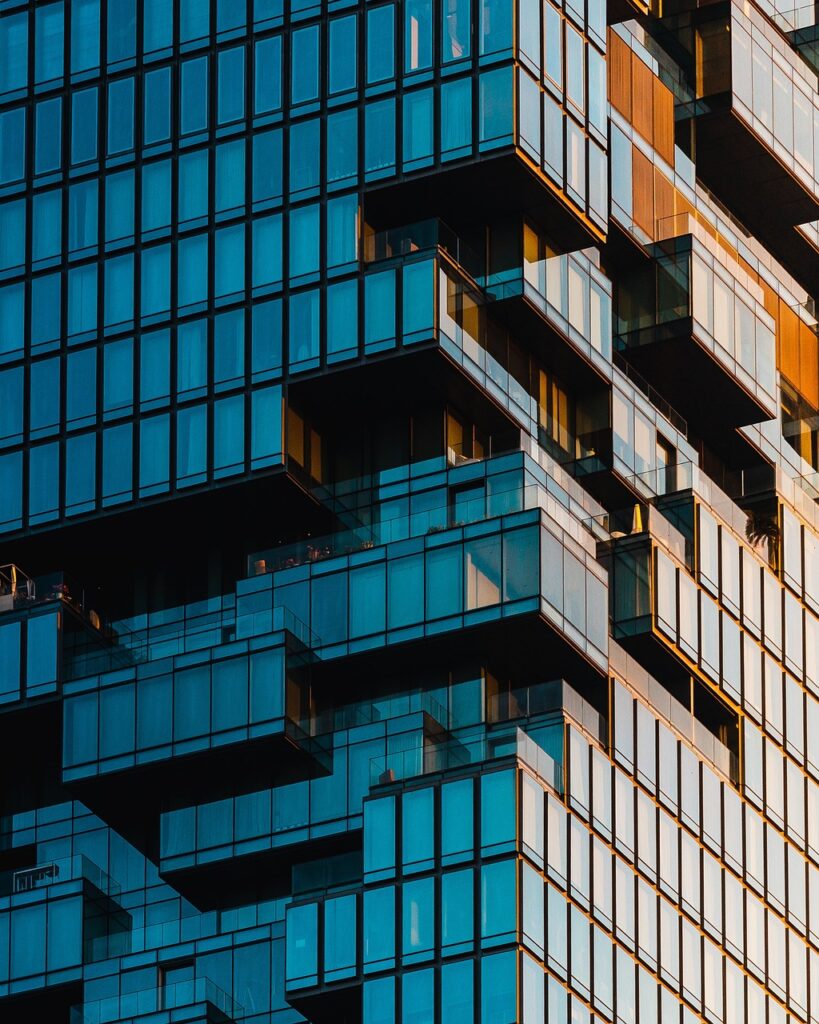
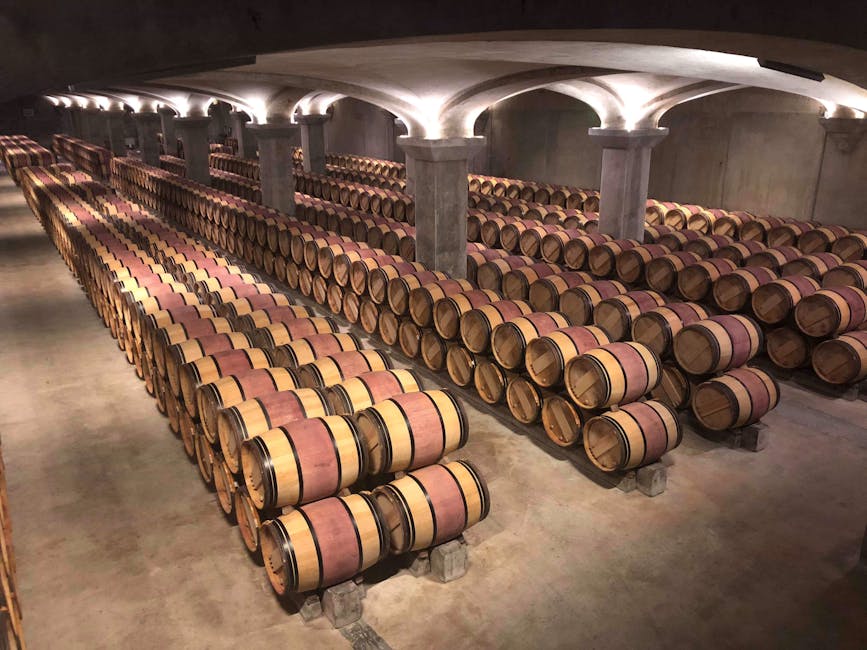
After lunch, visit Antinori nel Chianti Classico, a striking modern winery that blends contemporary architecture with centuries of winemaking. Address: Antinori nel Chianti Classico, Via Cantina Antinori 1, 50022 Bargino (San Casciano in Val di Pesa). Tours and tastings by reservation, typically 10:00–18:00. Price: guided tour + tasting €25–50 depending on the package (online booking recommended). The experience usually includes a cellar tour, ageing cellars and a guided tasting.
Local tips: drive carefully on country roads — some are narrow and winding. Pre-book tastings (especially May–September) and note many estates require 24–48 hours to confirm reservations. If you prefer train/bus, take the train from Florence to Poggibonsi/Siena and complete the journey by taxi or local bus — but you’ll lose flexibility compared to having a car. In the late afternoon, settle into a typical agriturismo to sleep among the vines.
3. Day 3 — Siena: Piazza del Campo, the Duomo and medieval atmosphere
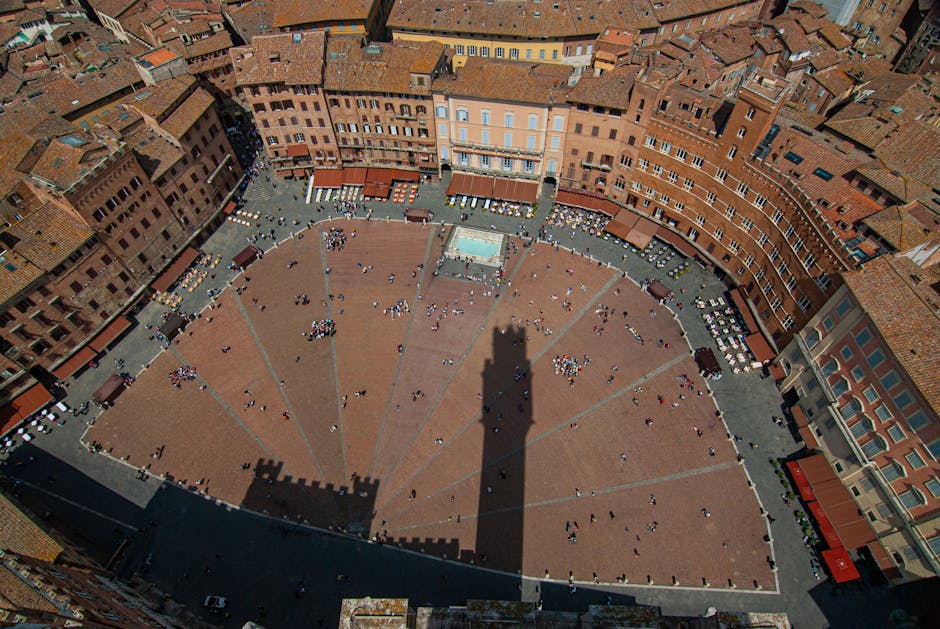
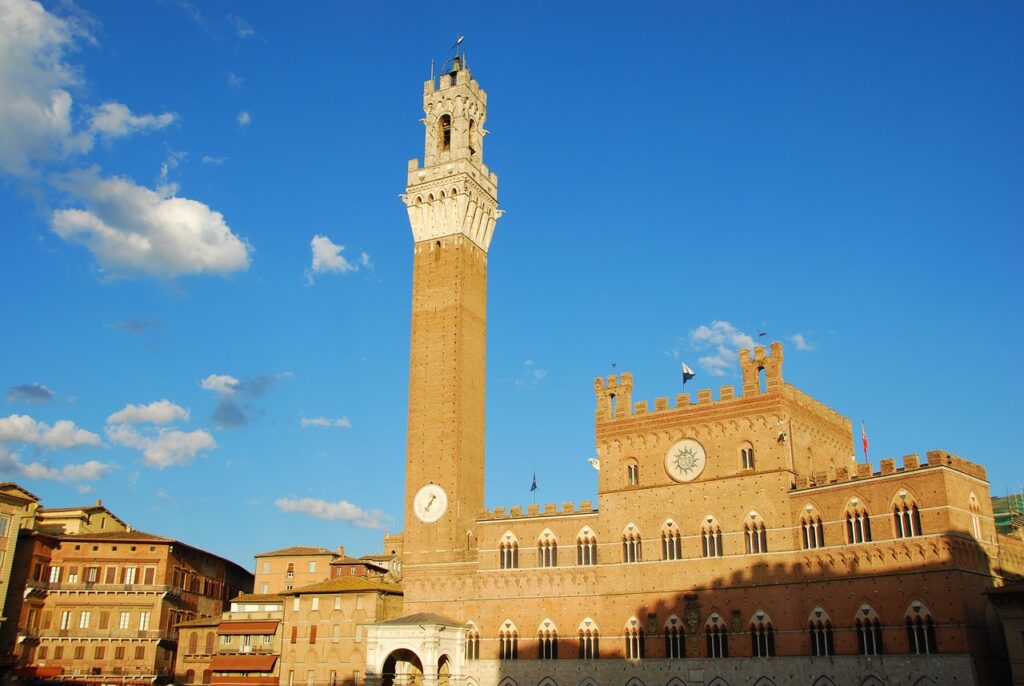
On day three head early to Siena (about 45–60 minutes from Chianti depending on your starting point). The city is one of the best-preserved examples of medieval Italy. Start at the famous Piazza del Campo (Piazza del Campo, 53100 Siena SI), the shell-shaped square that hosts the Palio di Siena. Walk the piazza, climb the steps and soak up the atmosphere. Several cafés line the square, for example Caffè Fiorella, via Sallustio Bandini 9, 53100 Siena — espresso €1.20–2.00.
Next, visit the Duomo di Siena (Piazza del Duomo, 53100 Siena). Address: Duomo di Siena, Piazza del Duomo, 53100 Siena SI. Hours: usually 10:00–19:00 (times vary with season and services). Price: combined “Opera del Duomo” ticket around €8–12 (access to the cathedral, baptistery and museum complex). Don’t miss the Piccolomini Library with its colorful frescoes, and the terrace views from the Duomo if open to the public.
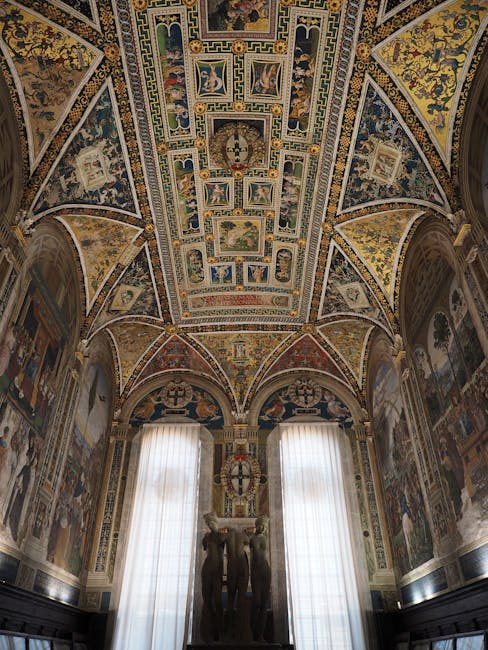
For lunch, try a Sienese specialty, pici (local pasta), at a traditional osteria: Osteria Le Logge, Via del Porrione 33, 53100 Siena — main dishes €15–35. In the afternoon wander the medieval lanes, visit the Museo Civico (Palazzo Pubblico, Piazza del Campo) — hours 10:00–19:00, price approx. €8–10 — to see historic frescoes and the Torre del Mangia (Via Torre del Mangia, 53100 Siena); climbing the tower costs about €10 (open 10:00–17:00 depending on season).
Practical tips: Siena has pedestrian-only areas and efficient peripheral parking (Parking Il Campo, Viale Vittorio Emanuele II) — daily rate approx. €10–15. Arrive before noon to avoid tour buses. If you want to continue wine touring, book a tasting near Montalcino for the following day — many wineries ask for 24–48 hours’ notice.
4. Day 4 — San Gimignano and the tower route: stone, gelato and local wines
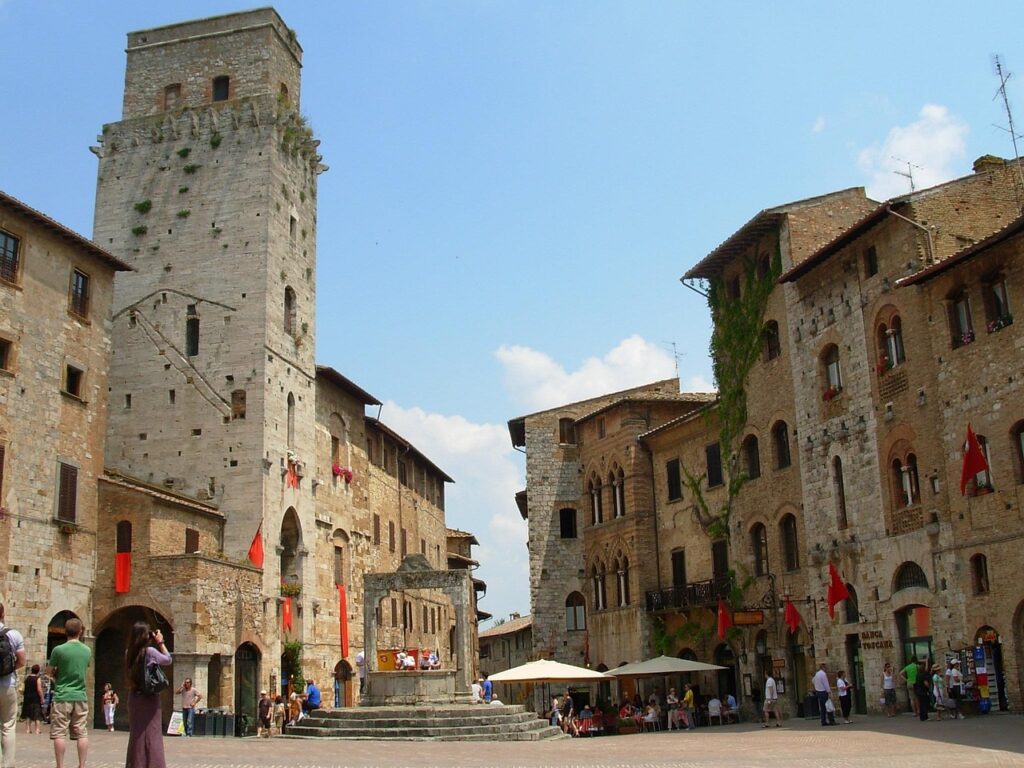
Day four is devoted to San Gimignano, the “medieval Manhattan” known for its distinctive towers. About 45 minutes from Siena, the town unfolds a series of dramatic views. The heart is Piazza della Cisterna (Piazza della Cisterna, 53037 San Gimignano SI), a perfect spot for artisan gelato. Reference address: Piazza della Cisterna, 53037 San Gimignano SI. Don’t miss the famous gelateria Dondoli, Piazza della Cisterna 4, 53037 — gelato €2.50–4.50 depending on flavor.
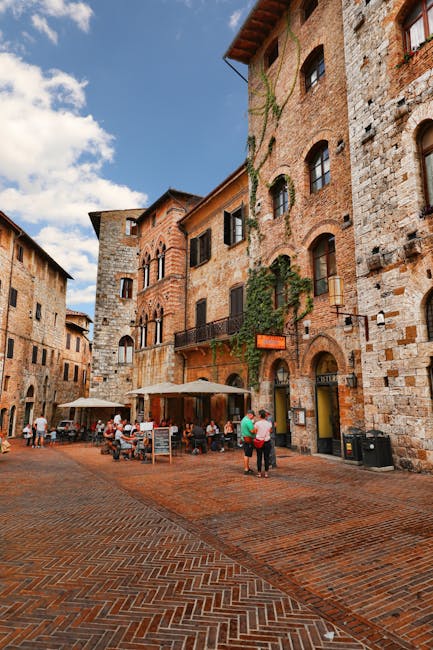
Climb Torre Grossa (Via San Giovanni 2, 53037 San Gimignano) for panoramic views: hours 10:00–17:30 (seasonal variations), climbing ticket about €9–12. Also visit the Museo Civico and the Collegiata (Piazza del Duomo) — combined tickets often available for the main historic attractions in the center (around €8–12).
The area around San Gimignano produces Vernaccia di San Gimignano, an historic white wine. For a tasting, book a visit to Tenuta Torciano (Località Torciano, 53037 San Gimignano): address Località Torciano, 53037 San Gimignano SI. Tasting/visit hours: typically 10:00–18:00, tasting prices €15–35 depending on number of wines and whether a meal is included. Tenuta Torciano also offers olive oil workshops and rustic Tuscan meals.
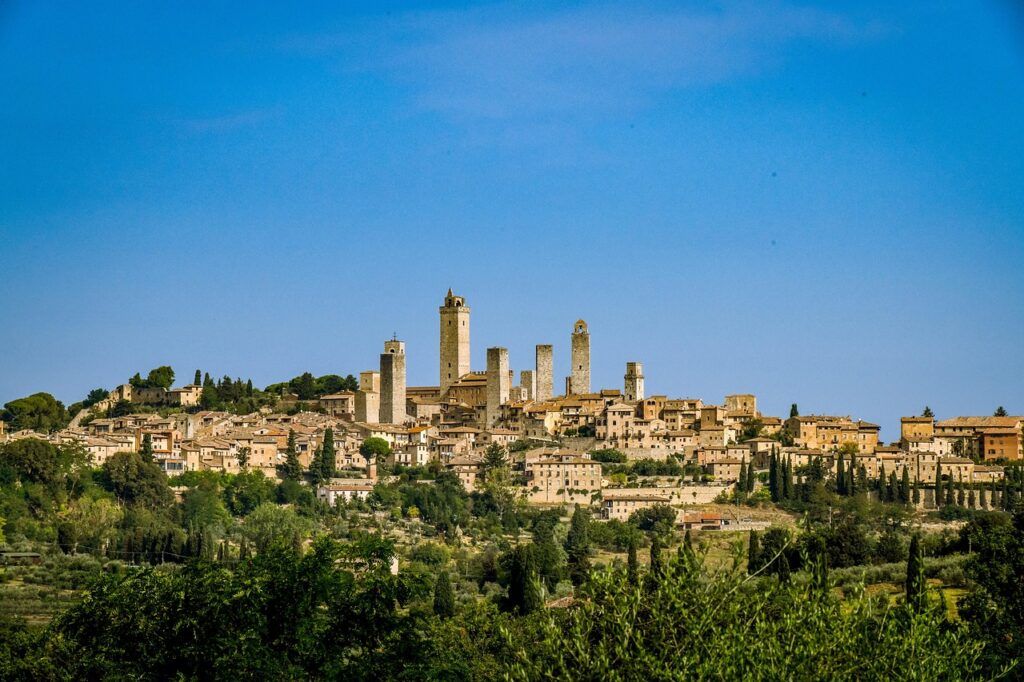
Local tips: parking in official lots (Parcheggio Porta San Giovanni and Parcheggio Frazione Pieve) costs about €1–2 / hour; avoid driving into the historic center (strict ZTL). San Gimignano gets very busy in summer: book tastings and restaurants in advance. If time allows, extend the afternoon with a scenic drive to Monteriggioni (Borgo di Monteriggioni, 53014) — the small hilltop fortress is picturesque and less crowded.
5. Day 5 — Val d’Orcia: Montepulciano, Pienza and Montalcino — a crescendo of flavors
On the final day head south into the Val d’Orcia, a UNESCO World Heritage landscape. The iconic scenery — cypress-lined roads, rolling hills and estates — is the image everyone pictures for Tuscany. Start in Montepulciano (Piazza Grande, 53045 Montepulciano SI). Central address: Piazza Grande, 53045 Montepulciano SI. Wander the square, visit the cathedral and especially the historic cellars carved into the rock, like Cantina Contucci, Via di Gracciano nel Corso 42, 53045 Montepulciano SI. Hours: 10:00–18:00, tastings €15–30.
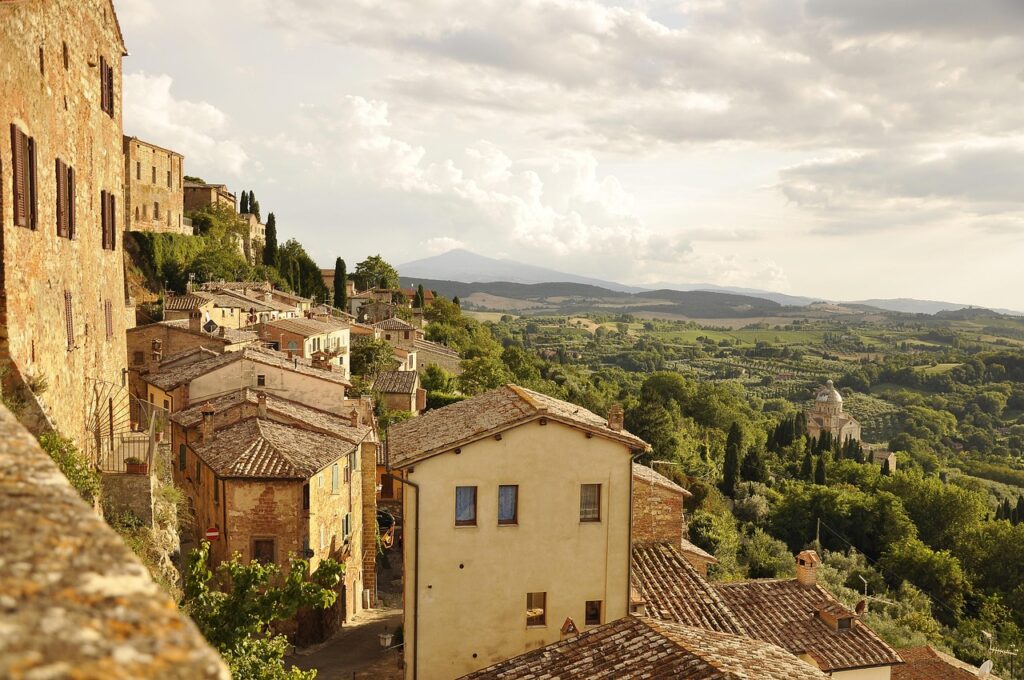
Montepulciano is famous for Vino Nobile di Montepulciano. A cellar visit often includes a walk through underground ageing rooms followed by a guided tasting paired with salumi and cheeses (€20–40 depending on the package). After a light lunch on Piazza Grande (local trattorie €12–30), head to Pienza, a Renaissance gem.
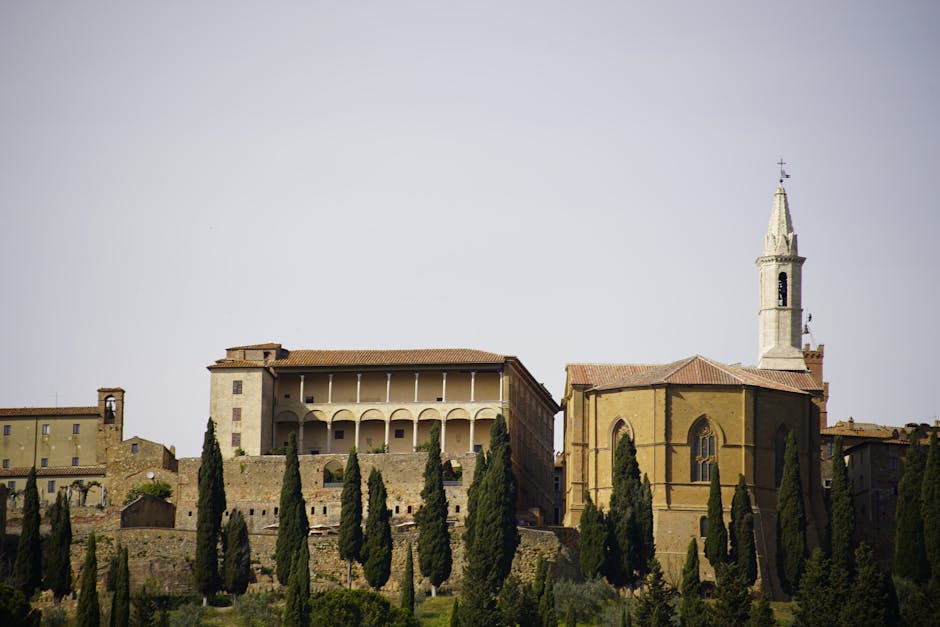
Pienza (Piazza Pio II, 53026 Pienza SI) is famed for its pecorino cheese. Central address: Piazza Pio II, 53026 Pienza SI. Visit cheese shops (e.g. La Buca delle Fate, Via dell’Amore 3, 53026 Pienza — cheese prices €6–20 depending on size) and stroll down Via del Bacio for spectacular views over the Val d’Orcia. A visit to a cheese affineur may include a tasting (€10–25).
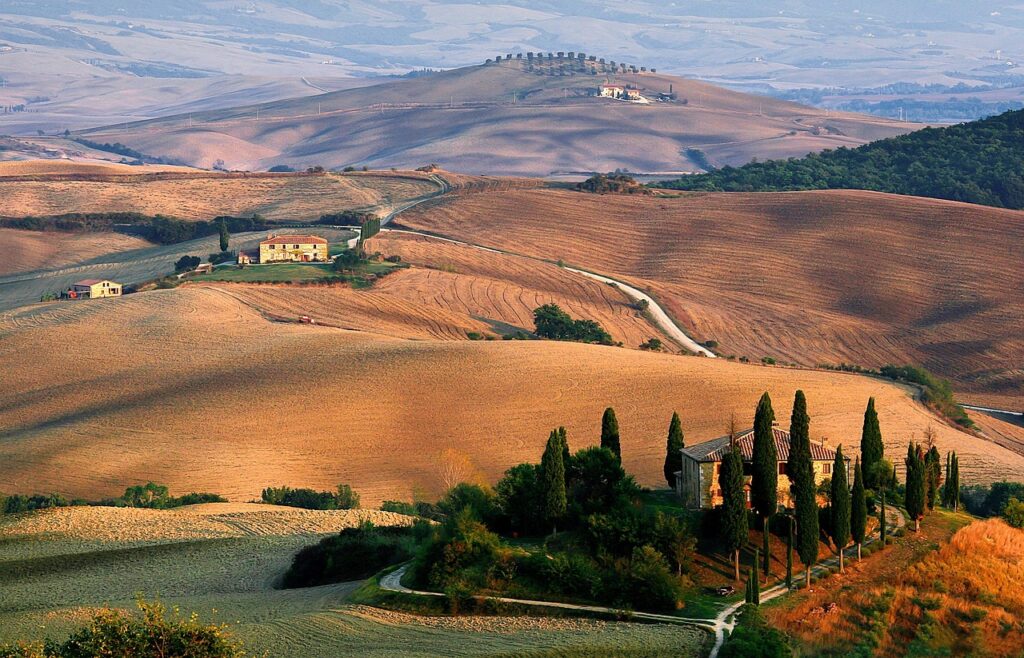
Finish the day in Montalcino, the birthplace of Brunello. The Palazzo Comunale and the Fortezza di Montalcino (Piazza del Popolo, 53024 Montalcino SI) offer views and tastings. Major estate address: Castello Banfi, Via del Sasso, 53024 Montalcino SI. Cellar hours and tastings: 09:30–18:00, guided tours + tastings €25–60 depending on the wines (Brunello Riserva is pricier). Parking in Montalcino: Piazzale presso Fortezza, approx. €2–4 / hour.
Local tips for Val d’Orcia: driving is often the best way to link villages; distances are short but roads can be narrow. Book tastings at the estates you really want to visit, since some accept only groups by appointment. If you have a late flight or train the next day, plan to leave Val d’Orcia early afternoon to reach Florence comfortably (about a 2-hour drive) or to get to airports like Perugia/Pisa depending on your itinerary.
Conclusion — Practical tips, logistics and final recommendations
This Tuscany 5-day itinerary: vineyards and medieval villages aims to give you a balanced route mixing art, history and wine, while supplying practical details: exact addresses, typical hours, indicative prices and local insider tips. In five days you’ll have seen Florence, crossed the Chianti, experienced the medieval charm of Siena and San Gimignano, and tasted wines from Montepulciano and Montalcino — a full sensory palette. To make the most of your trip, here’s a logistic summary and trusted local advice.
Transport: a car is still the best option for this route, offering flexibility and access to wineries. Rent a compact car (tip: manual gearbox to save money) and make sure the rental agency records your entry into ZTLs if your hotel is inside. If you prefer trains, base yourself in Florence and take day trips by bus or organized tours to Chianti and Val d’Orcia — less flexible but avoids parking headaches.
Bookings: for the Galleria degli Uffizi (Piazzale degli Uffizi 6, 50122 Firenze) and renowned wineries (Antinori nel Chianti Classico, Castello Banfi, Cantina Contucci), book at least 7–14 days ahead in high season. Popular tastings fill up fast; estates typically offer morning and afternoon slots. Museums often have time-slot tickets.
Indicative budget: plan €20–40/day for simple meals, €40–80/day for mid-range restaurants, €15–60 for tastings, €8–25 for museum and monument entries. Accommodation varies: double room in an agriturismo €80–180/night, 3–4 star city hotels €100–250/night.
Etiquette and local respect: support local producers by buying directly from farms or cellars; learn a few words of Italian (hello = buongiorno, thank you = grazie) and be punctual for booked visits. Respect cathedral service times (some parts close during mass) and take care of UNESCO-protected sites.
Finally, don’t forget to slow down: Tuscany is as much about taking your time as it is about sightseeing. Allow for coffee breaks in a piazza, a sunset from a belvedere, and meeting a small olive oil producer who’ll tell you his family story across generations. Those intimate moments will turn your 5-day route into a memorable experience rich in flavors and sensations. Have a great trip and cheers!