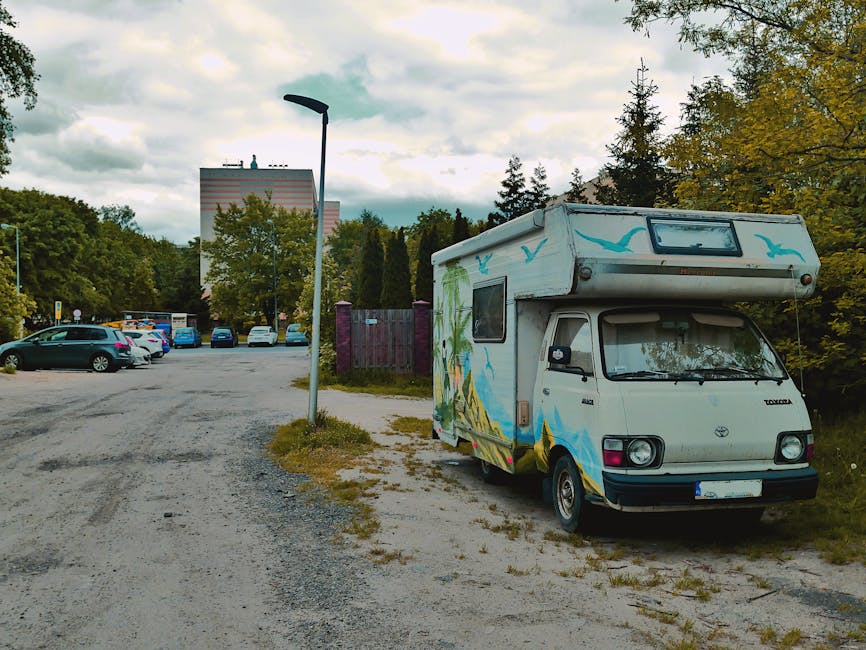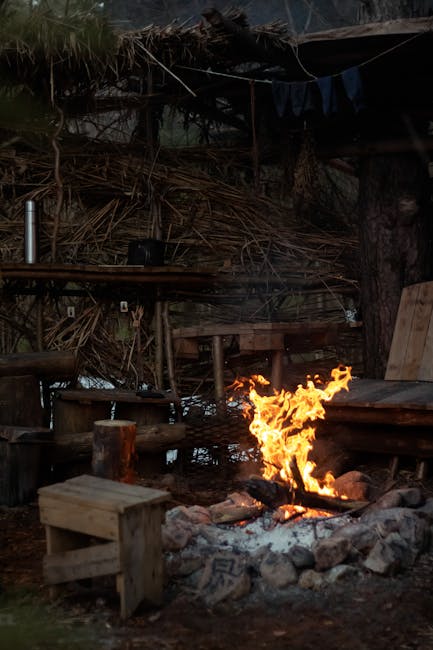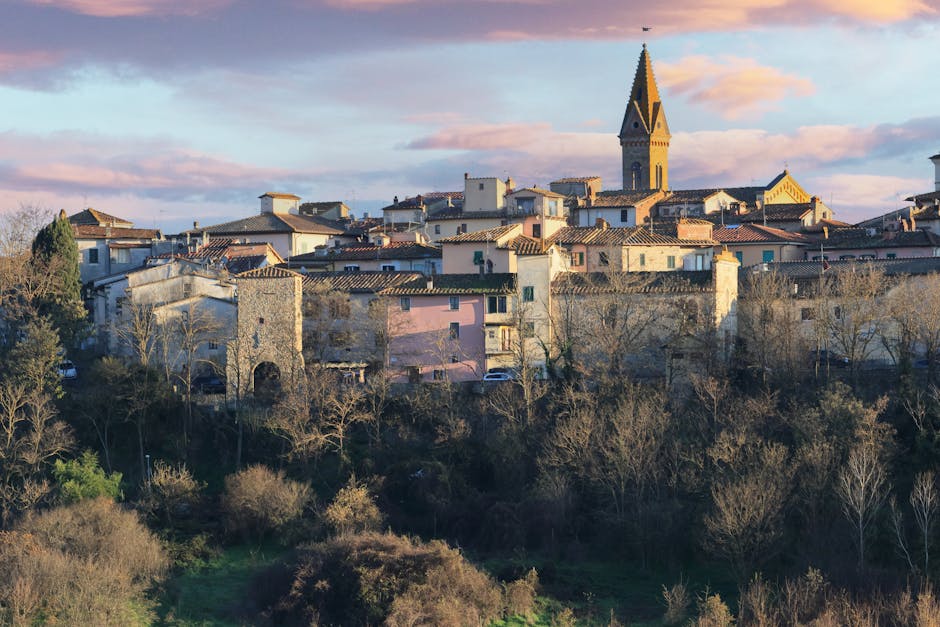






Introduction — Why camping in Tuscany is a must-do experience
Tuscany is one of Italy’s crown jewels, famed for its rolling hills painted in shades of gold and green, iconic cypress trees, art cities and medieval hamlets. Camping in Tuscany gives you a freedom few destinations can match: waking to birdsong, sipping aperitifs at sunset against a landscape soaked in light, and the chance to combine beaches, vineyards and historic towns all in one trip. Whether you’re after a peaceful base to explore Florence, a family-friendly site with pools and activities, or a rural getaway in the heart of the Val d’Orcia, the region has pitches to suit every taste.
This general guide aims to point you to the best places to camp in Tuscany, with practical details: exact addresses, prices in euros, opening hours, in-depth descriptions of facilities and local tips to make the most of your stay. We cover a range of areas — the Chianti hills, the wild Maremma, the Versilia/Livorno coast and the gentle Val d’Orcia valley — so you can get a full spectrum of what’s possible.
Camping in Tuscany is more than pitching a tent and leaving: you’ll choose between fully equipped campsites (pitches with electricity, modern sanitary blocks, on-site dining and activities), holiday-village style sites (bungalows, pools, kids’ clubs) and more bucolic options like permitted wild camping or agritourism sites that welcome tents and caravans. Seasons heavily influence prices and availability: in high season (July–August) rates rise and booking becomes essential, while spring and autumn offer milder weather, lower prices and fewer crowds.
Finally, this guide includes concrete local advice: best times to visit popular sights, scenic backroads recommended for campervans, farmers’ markets to hit for fresh produce and a few driving and environmental etiquette tips to help preserve Tuscany’s beauty. We’ve added image markers to help you picture each spot and choose the perfect setting as you pack.
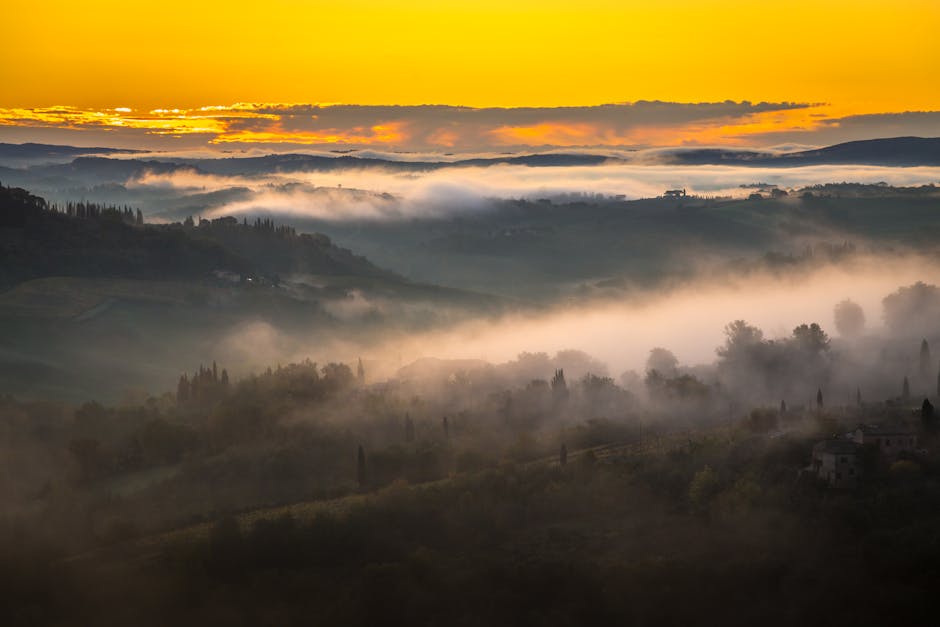
Chianti: campsites and pitches near vineyards and medieval villages
Chianti, between Florence and Siena, is the quintessential region for wine lovers and lovers of rolling landscapes. Camping here means waking up among neatly ordered vineyards, following winding roads lined with cypress trees and enjoying Tuscan cuisine after a day of sightseeing. Recommended spots include:
- Camping Norcenni Girasole Village — Località Bozzano, 50066 Figline Valdarno FI, Italy. Price: pitches from €28 / night (low season), mobile homes from €70 / night (high season). Hours: reception 08:00–22:00 (high season), 09:00–18:00 (low season). Description: a large holiday village with pools, restaurants, a mini-market, kids’ entertainment and a shuttle to nearby villages. Ideal for families wanting to explore Florence (35 km) and Greve in Chianti.
- Agriturismo Il Poggio di Montellori (camping and pitches) — Via della Chiesa 12, 50028 Barberino Tavarnelle FI, Italy. Price: tent pitch €20–30 / night, breakfast €6 per person. Hours: reception 09:00–19:00. Description: a traditional farm converted into an agriturismo with a few tent and van pitches, producing olive oil and wine, with tastings by appointment. Intimate atmosphere and an excellent location for visiting Castellina in Chianti and Radda.
- Camping Il Poggetto (Arezzo — gateway to the Chianti) — Via Apecchiese 70, 52100 Arezzo AR, Italy. Price: pitch with electricity €25 / night, caravan rental with pitch €45 / night. Hours: 07:00–23:00. Description: well equipped, close to the city of Arezzo; recommended for those who want to combine urban sightseeing with escapes into the Chianti countryside.
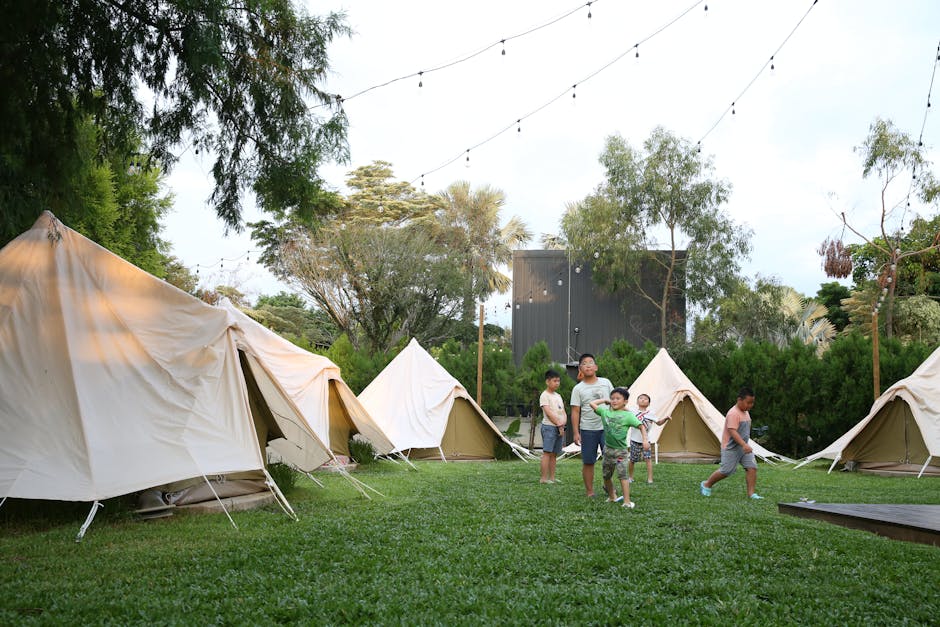
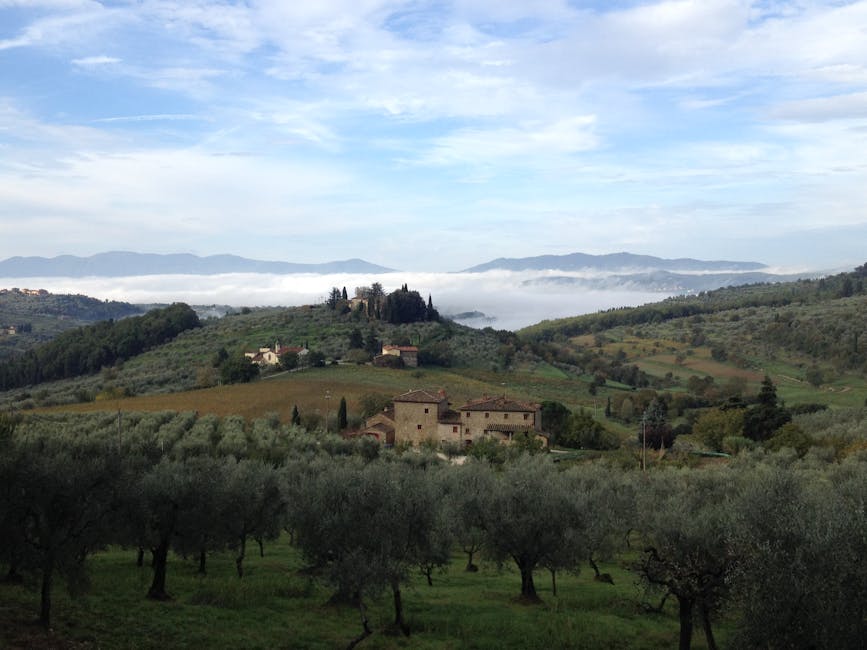
Local tips: aim for pitches on the east side to catch the sunrise over the vineyards. Book Chianti Classico tastings in advance, especially in summer. If you’re traveling by van, avoid narrow historic centre streets during peak season and use peripheral parking areas (P-centro) designated by municipalities.
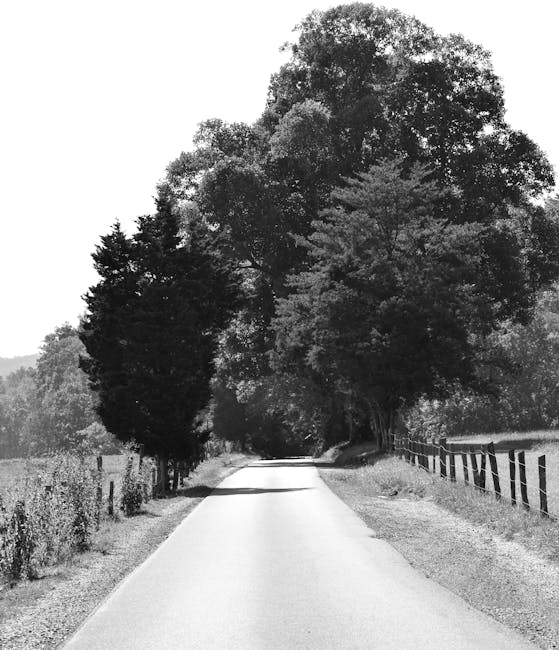
Val d’Orcia: iconic landscapes, campsites for hikers and photographers
Val d’Orcia, a UNESCO World Heritage site, evokes rolling hills, hilltop villages like Pienza and Montepulciano, and postcard-perfect panoramas. Camping here is all about complete visual and sensory immersion. Options range from small family sites to upscale agriturismi with tent and motorhome pitches:
- Camping La Foce — Località La Foce, 53026 Pienza SI, Italy. Price: pitches from €25 / night, rooms and bungalows from €80 / night. Hours: reception 08:30–19:30. Description: located near the historic La Foce garden, offering valley views and easy access to hiking trails and scenic backroads perfect for sunrise and sunset photography.
- Agriturismo Il Rigo — Località Il Rigo, 53045 Montepulciano SI, Italy. Price: tent pitch €22 / night; wine tasting €15 / person. Hours: visits and tastings by appointment 10:00–17:00. Description: a working wine farm with limited tent and van spots, producing Vino Nobile di Montepulciano and offering farm-to-table dinners. Ideal for photographers seeking authentic dusk scenes.
- Camping Village Radicofani — Via Cassia 28, 53040 Radicofani SI, Italy. Price: pitch €18–30 / night depending on season. Hours: reception 09:00–20:00. Description: a practical base for hiking to Radicofani fortress and exploring the protected Monte Amiata area. Simple facilities, peaceful atmosphere and a friendly welcome.
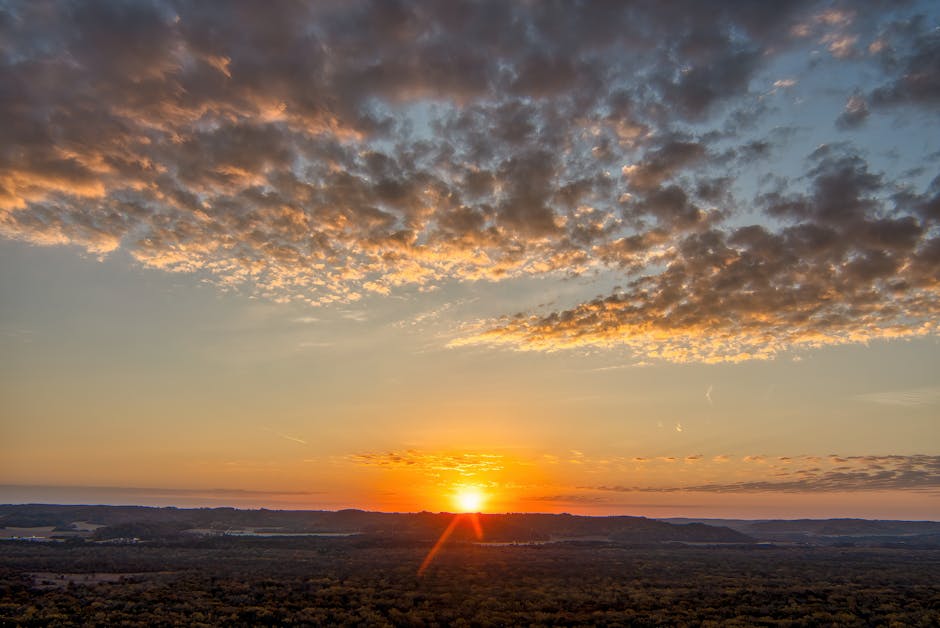
Local tips: arrive early to secure a pitch with a view; terraced pitches are highly sought after by photographers. Visit the local markets (e.g. Pienza — Piazza Pio II in the morning) to buy fresh pecorino and cured meats. In summer, protect yourself from the sun — shade is scarce but the light is incredible. Even in summer evenings can get chilly, so bring a good sleeping bag or a warm blanket.
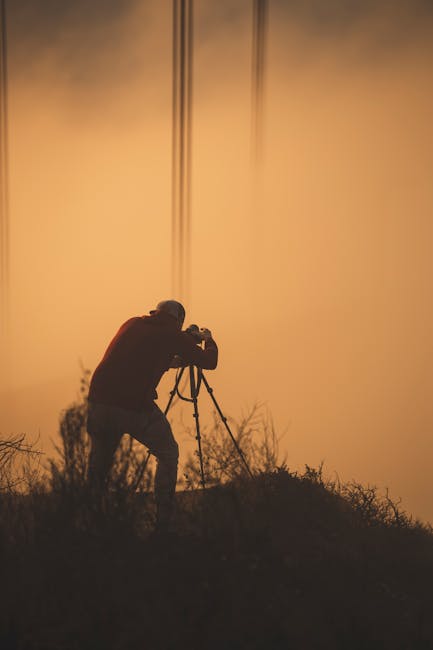
Maremma and the southern coast: wild nature, beaches and seaside campsites
The Maremma, in south-west Tuscany, offers a strong contrast to the northern hills: wild beaches, nature reserves (Parco dell’Uccellina), fishing villages and a wide range of coastal campsites. For campers who love swimming and coastal hikes, here are notable spots:
- Camping Village Rocchette — Via delle Rocchette, 58012 Castiglione della Pescaia GR, Italy. Price: pitch without electricity €20 / night (low season), €35 / night (high season); bungalows €80–160 / night. Hours: reception 08:00–22:00. Description: right by the Rocchette beach, direct sea access, pool, bike rental, and kayak excursions along the coast.
- Camping Spartano — Via del Poggio 13, 58015 Orbetello GR, Italy. Price: pitch €18–32 / night; premium pitches with lagoon view €40 / night. Hours: 07:30–19:30. Description: ideal for exploring the Orbetello lagoon, nature reserve and birdwatching sites. Access to cycle paths and nature trails.
- Camping Village Baia Azzurra — Località Baia, 58019 Marina di Grosseto GR, Italy. Price: pitch €22–38 / night, mobile homes €90–150 / night. Hours: reception 08:00–21:00. Description: solid infrastructure, lifeguarded beaches nearby, family entertainment and kids’ clubs in July/August.
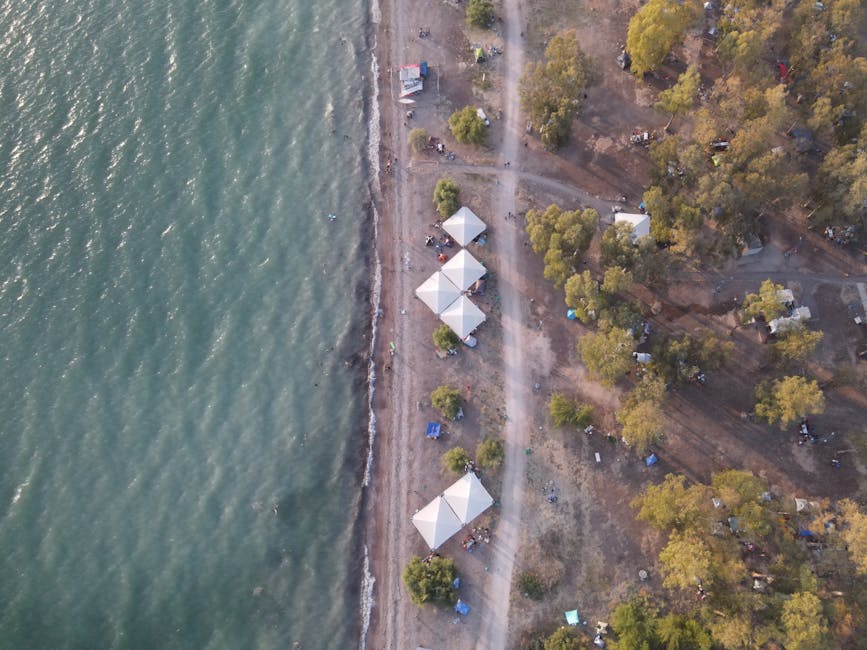
Local tips: to avoid crowds, head further south and go early in the morning. Bring beach shoes for rocky areas and a pair of binoculars to watch wildlife in the reserves. Ferries to the Tuscan archipelago (Isle of Elba) depart from Piombino, about a 1h15 drive from Orbetello and Castiglione.
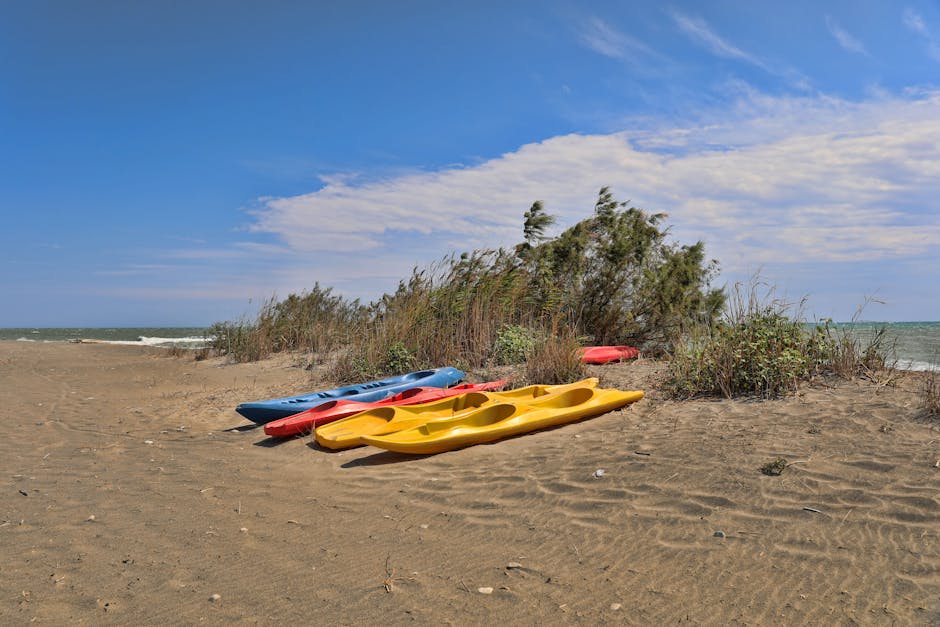
Versilia and the northern coast (Livorno): family campsites and access to lively beaches
The northern Tuscan coast — Versilia and areas around Livorno — offers livelier beaches, modern campsites and easy access to towns like Viareggio, Forte dei Marmi and Pisa. It’s the ideal area for campers who want to mix beach time, nightlife and cultural day trips:
- Camping Le Pianacce — Via Portovenere 6, 55049 Viareggio LU, Italy. Price: pitch €25–40 / night; bungalows €75–140 / night. Hours: reception 08:00–22:00. Description: a large complex with a pool, entertainment, bike-friendly access to the Versilia promenade and restaurants serving fresh seafood specialties.
- Camping Spina — Viale dei Tigli 10, 57016 Vada LI, Italy (near Livorno). Price: pitch €20–35 / night. Hours: 09:00–20:00. Description: well located for day trips to Livorno and to reach fine sandy beaches; family-friendly and good for kids.
- Camping Village Roma — Via del Mare 45, 57016 Rosignano Solvay LI, Italy. Price: pitch €22–36 / night; mobile homes €80–130 / night. Hours: 08:00–21:00. Description: close to the “Spiagge Bianche” (white-sand beach), summer entertainment and proximity to ferries for exploring the Livorno coast.
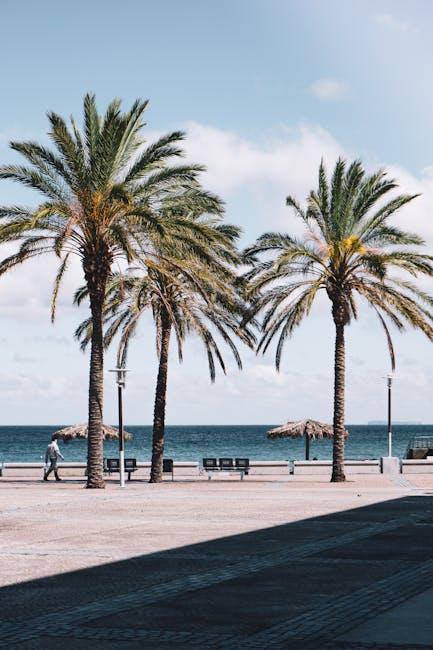
Local tips: Versilia gets very busy in summer — book early if you want a seaside pitch. Summer evenings feature night markets and concerts; check local listings at tourist offices (Ufficio Turistico) in Viareggio and Forte dei Marmi. To reach Pisa, allow 30–40 minutes by car from Viareggio and a little less from Livorno if you leave early in the morning.
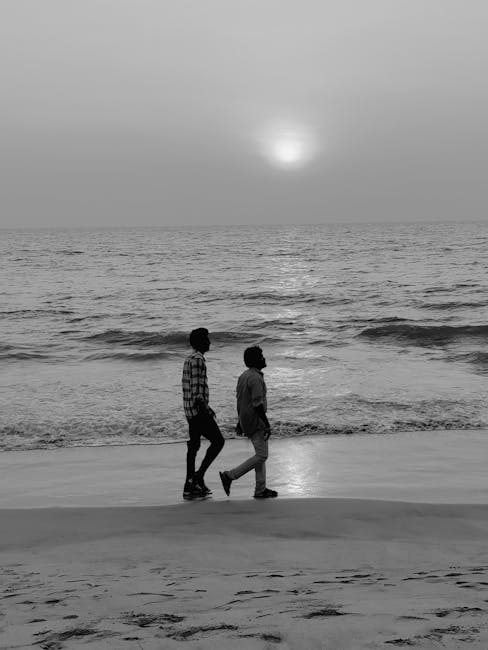
Conclusion — Picking your spot and practical tips for a great stay
Camping in Tuscany means finding the right balance between comfort and authenticity. The region’s campsites range widely: from well-equipped holiday villages with pools, restaurants and activities, to small, intimate agriturismi where peace and nature take center stage. Your choice will depend on your priorities — proximity to beaches, access to vineyards, peace for landscape photography or facilities for children.
Some practical recommendations: always book your pitch in high season (July–August); check facilities carefully (electric hookup, water, waste disposal for motorhomes); respect local rules and campsite hours (check-in/check-out times are often strict); and above all, sample local produce — a platter of cured meats and a glass of Chianti at sunset is the perfect end to a day of camping. Don’t forget essential gear: a reliable headlamp, a European plug adapter, a sleep mask for long summer evenings and a basic first-aid kit.
Finally, adopt a responsible attitude: leave no litter, use recycling stations where provided and keep noise to a minimum at night. Tuscany is a fragile, well-preserved land, beloved for its landscapes and cuisine — while camping here you become a temporary steward of that beauty. Enjoy every sunrise and sunset, plan excursions outside peak hours, and be guided by the Tuscan pace: often the best discoveries come when you slow down.