





Introduction — Why a one-day wine tour in Chianti is worth it
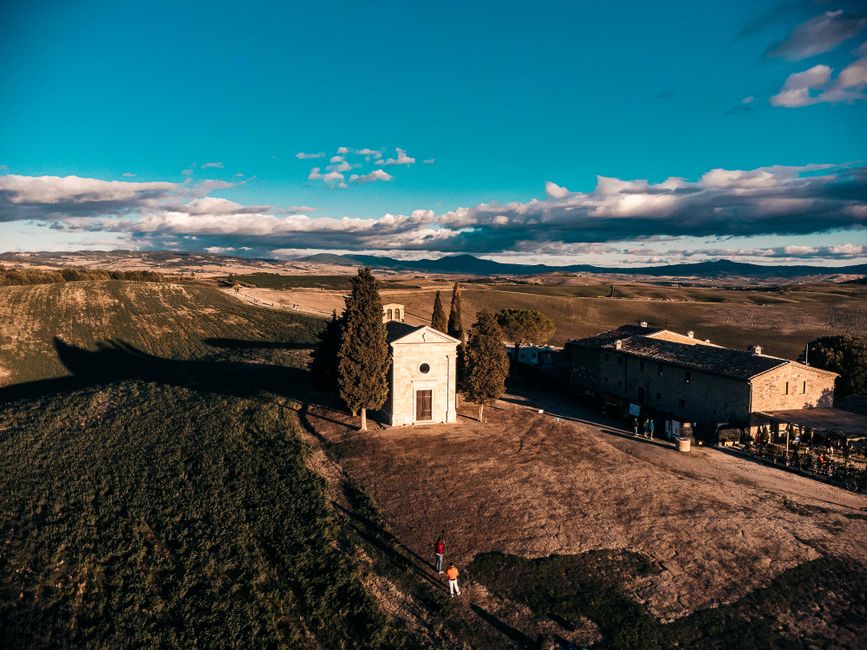
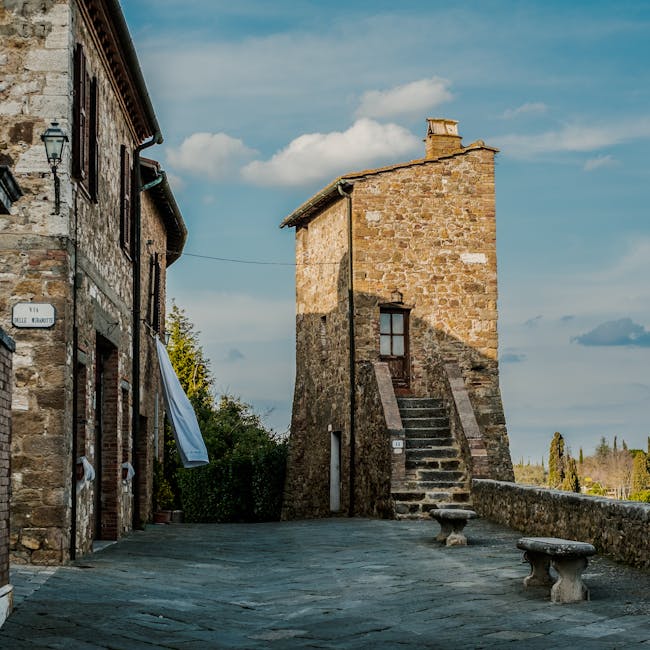
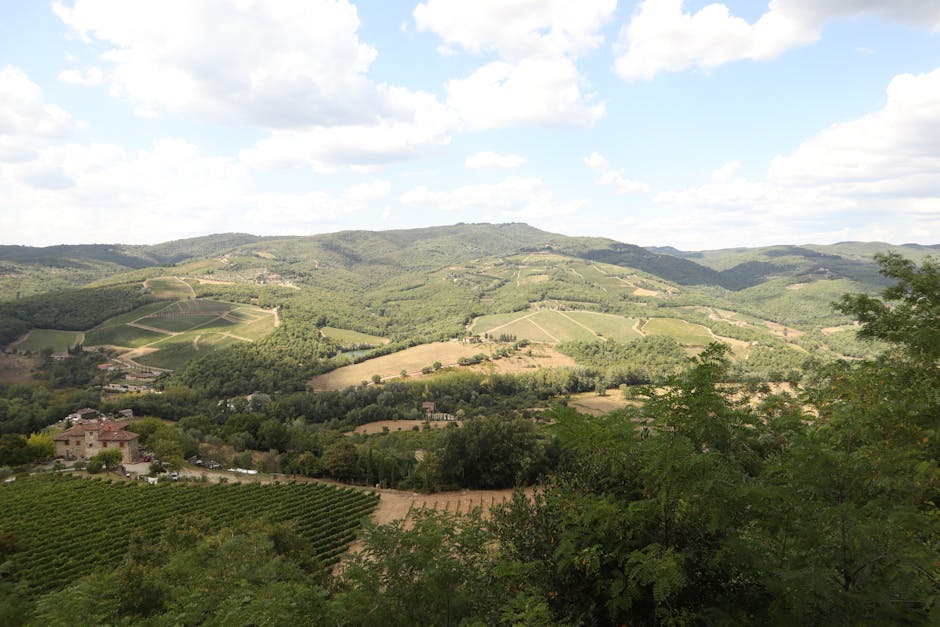
The Chianti region, right in the heart of Tuscany, is the very image of Italian wine: rolling hills, cypress trees, olive groves and medieval villages punctuate miles of vineyards where Sangiovese reigns supreme. A one-day wine tour in Chianti is more than just tasting — it’s a sensory dive into the history, culture and living craft of Italian winemaking. The winding roads between Florence and Siena reveal family-run estates and prestigious castles producing Chianti Classico, Chianti Colli Senesi and rarer single-vineyard wines. This one-day guide lays out a balanced route of winery visits, guided tastings, a Tuscan lunch and practical tips to make the most of every stop.
Chianti is vast and varied: it spans several key towns such as Greve in Chianti, Radda in Chianti, Gaiole in Chianti, Castellina in Chianti and the hills around Castelnuovo Berardenga. Estates range from small artisan farms where you meet the winemaker and taste limited-production wines, to modern architect-designed wineries offering refined tasting experiences. A typical day usually combines a morning visit to understand production, a vertical tasting (several vintages of the same wine), and a Tuscan lunch with local products (cured meats, pecorino, Tuscan bread). The afternoon can be spent touring a castle or visiting a second winery to compare styles and terroirs.
This detailed guide includes full venue names, exact addresses, indicative opening hours, price ranges in euros, immersive descriptions and practical local tips (transport, reservations, tasting etiquette). It’s designed for independent travelers or small groups who want an authentic, well-organized experience without sacrificing wine knowledge. For each stop I explain what you’ll see, how tastings run, the types of wines you’ll taste, and tips to optimize timing and avoid crowds.
Although you can reach the estates by car (rental recommended), this guide also suggests alternatives: private shuttle services, local drivers, or organized tours from Florence or Siena. Seasons affect the atmosphere: harvest in September–October, spring blossoms, golden light in autumn. Be ready to note wines to remember, buy bottles to bring home, and above all enjoy the perfect blend of landscape, culture and tasting that makes Chianti an unmissable wine destination.
1. Morning stop — Antinori nel Chianti Classico: architecture and your first tasting
Start your day at Antinori nel Chianti Classico, one of the region’s most modern and elegant wineries. Full name: Antinori nel Chianti Classico, Località Bargino, 50026 Bargino, San Casciano in Val di Pesa (FI), Italy. Opening hours: open Tuesday to Sunday, 10:00 – 18:00 (last guided tour departs at 16:00), closed on Mondays. Price: standard guided tour + tasting from €30 per person; in-depth visits with vertical tasting and wine-lunch range between €50 and €95 per person depending on the option. Booking is recommended via the official website or by phone +39 055 756 9100.
Antinori offers an experience that blends traditional winemaking with contemporary architecture. The building is set into the hillside and constructed of local stone and glass. The visit begins with an exhibition about the Antinori family, active since the 1300s, then moves to the cellars where cement and stainless-steel tanks sit alongside oak barrels and barriques. Tastings often take place in a panoramic room overlooking the vineyards: expect to taste Chianti Classico DOCG, Chianti Classico Gran Selezione and sometimes their Super-Tuscan labels from Marchesi Antinori (Tignanello on some tastings).
Practical tips: arrive 10 minutes early to browse the shop and enjoy the viewpoints outside. If you plan to buy bottles to bring home, check packing fees for air travel. Drivers will find on-site parking; from Florence count roughly 30–40 minutes depending on traffic. Some tasting options include a small Tuscan snack (focaccia, pecorino) to accompany the wines.
2. Lunch break — Badia a Coltibuono and authentic Tuscan cuisine
For lunch head to Badia a Coltibuono: full name Badia a Coltibuono, Via Sovestro 18, 53011 Gaiole in Chianti SI, Italy. Opening hours: the restaurant serves lunch every day from 12:30 to 14:30 and dinner from 19:30 to 21:30 (seasonal hours). Price: à la carte lunch with mains between €12 and €28; tasting menus around €35–65 per person. Badia a Coltibuono is a converted medieval abbey now functioning as a winery and restaurant, with gardens and a courtyard where traditional Tuscan recipes are served.
Lunch at Badia a Coltibuono is a gastronomic complement to a morning of tastings. Expect antipasti made with local cured meats (prosciutto, salumi), Tuscan crostini, fresh pastas (pappardelle al ragù di cinghiale — pappardelle with wild boar ragù), lamb or beef dishes, and classic desserts like cantucci paired with Vin Santo. The estate also produces its own wines — notably a Chianti Classico and a Vin Santo — and the sommelier will suggest glass-pour pairings (glass prices typically €4–12 depending on the bottle).
Atmosphere: vaulted dining rooms, tables in the garden (perfect in spring and summer), attentive service and clear food-and-wine explanations. Practical tips: book ahead, especially on weekends or during high season (July–September). Mention any dietary restrictions when booking. If you have time, ask for a short tour of the kitchen gardens and historic cellars — often included or available as an add-on (guided tours from around €10 per person).
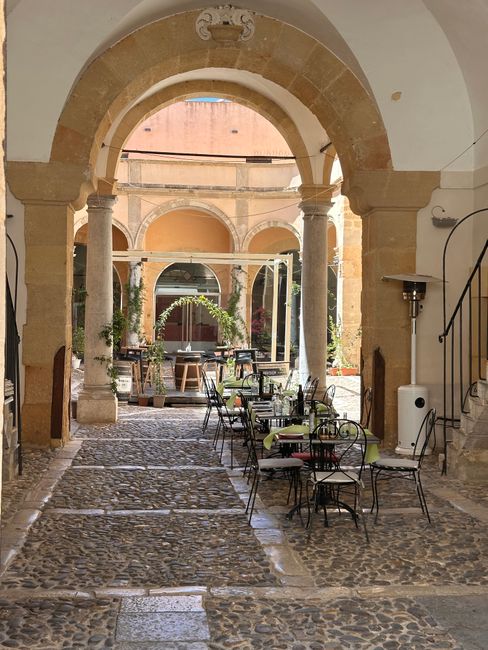
3. Afternoon in the hills — Castello di Brolio and a historical panorama
After lunch, head to Castello di Brolio, one of Chianti’s most emblematic castles: Castello di Brolio, Località Madonna a Brolio, 53013 Gaiole in Chianti SI, Italy. Opening hours: open daily, property and museum visits from 9:30 to 17:30 (seasonal hours, earlier closing in winter); cellar tours and tastings by reservation. Price: guided castle visit with a basic tasting about €12 per person; a full visit with three-wine tasting and access to the historic gardens from €20–30 per person. The estate has produced wine for over 1,000 years and is owned by the Ricasoli family, known for their historic role in defining Chianti Classico.
Visiting Castello di Brolio is both historical and vinicultural. You’ll start in the castle museum tracing the Ricasoli family’s story, the medieval fortress and the evolution of winemaking techniques. A walk across terraced gardens offers spectacular views over the vineyard patterns, deep valleys and scattered villages. Tastings usually take place in the cellar or a panoramic room: expect to taste Brolio Chianti Classico Riserva and special cuvées, sometimes aged in French barriques.
Practical tips: allow at least 1.5–2 hours for this stop to fully enjoy the castle and the landscapes. Terrain can be steep; wear comfortable shoes. If you’re interested in the gardens, contact the castle ahead to confirm access (they can be closed for maintenance). Photographers will find exceptional viewpoints from terraces near the castle towers.
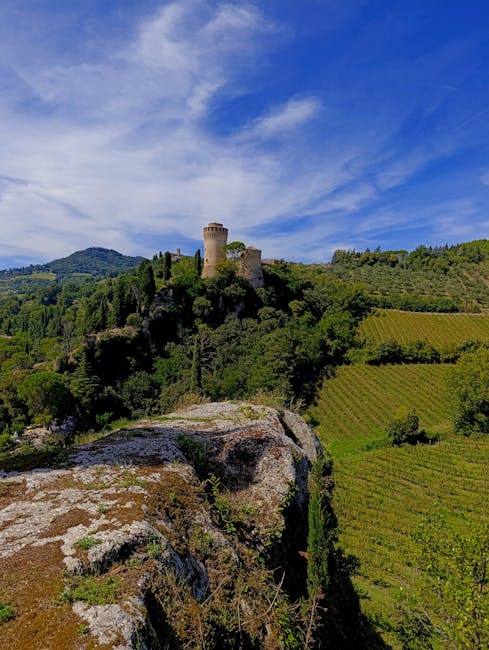
4. Intimate estate in the afternoon — Castello di Ama and contemporary art among the vines
Continue to Castello di Ama, celebrated for its marriage of wine and contemporary art. Full name: Castello di Ama, Località Ama, 53013 Gaiole in Chianti SI, Italy. Opening hours: guided visits and tastings Tuesday to Sunday, generally 10:00 – 17:00 (hours vary by season and reservation). Price: standard tasting from €25 per person; in-depth tours with vertical tastings, food pairings or visits to the contemporary art installations €40–80 per person. Reservation required: phone +39 0577 749104 or via the official site.
Castello di Ama is a smaller, more intimate estate than the big houses, known for high-quality cuvées and contemporary art installations dotted among olive trees and vineyards. The visit often combines a vineyard walk, a look at concrete and steel cellars, followed by a guided tasting of several wines including Chianti Classico, single-varietal bottlings and sometimes a very limited-production cuvée. The experience is punctuated by outdoor artworks by international artists, creating a unique aesthetic atmosphere.
Practical tips: if you enjoy pairing wine with art, leave extra time to wander between the installations. Castello di Ama occasionally hosts workshops or temporary exhibitions — check their calendar. Food-and-wine pairing options are often available by reservation. If you plan to buy bottles, note that some cuvées are released in limited allocations; ask about international shipping if you can’t fit everything in your luggage.
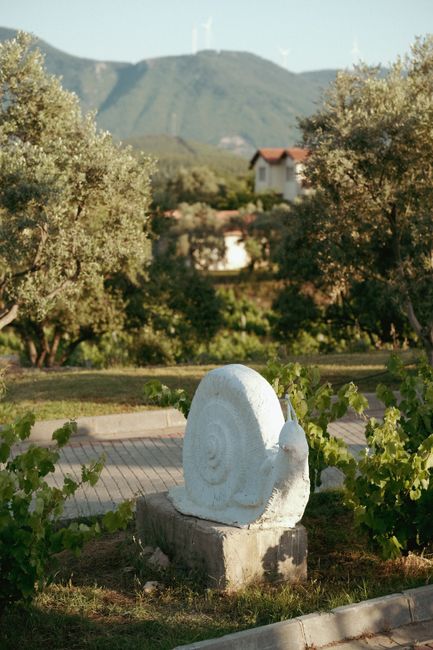
5. Final tasting and unwind — Fèlsina and sunset over the hills
Finish your day with a last tasting at Fèlsina: Fèlsina Berardenga, Località Fèlsina, 53011 Castelnuovo Berardenga SI, Italy. Opening hours: visits and tastings by reservation, typically 10:00 – 17:00, some summer days until 19:00; the estate recommends booking by phone or email. Price: standard three-wine tasting from €20 per person; prestige tastings (including Riserva and special cuvées) range from €35 to €70 per person. The estate is known for its Chianti Classico and red blends, often oak-aged.
Fèlsina provides a calming finale to the day: traditional cellars, sweeping vineyard views to the horizon and warm hospitality. Tastings often include a selection of local-varietal wines and barrel-aged blends. The shop offers single bottles and gift packs. If you arrive late afternoon, request an outdoor table to watch the sunset — the golden light over the vines is one of Chianti’s most memorable sights.
Practical tips: arrange your return logistics (driving, driver, taxi) before or during this final stop, especially if you’ve bought several bottles. Fèlsina sometimes offers sunset tastings or seasonal events — check their calendar. Travelers wanting to extend the experience can sometimes book combined tours with local olive oil producers for a joint tasting.
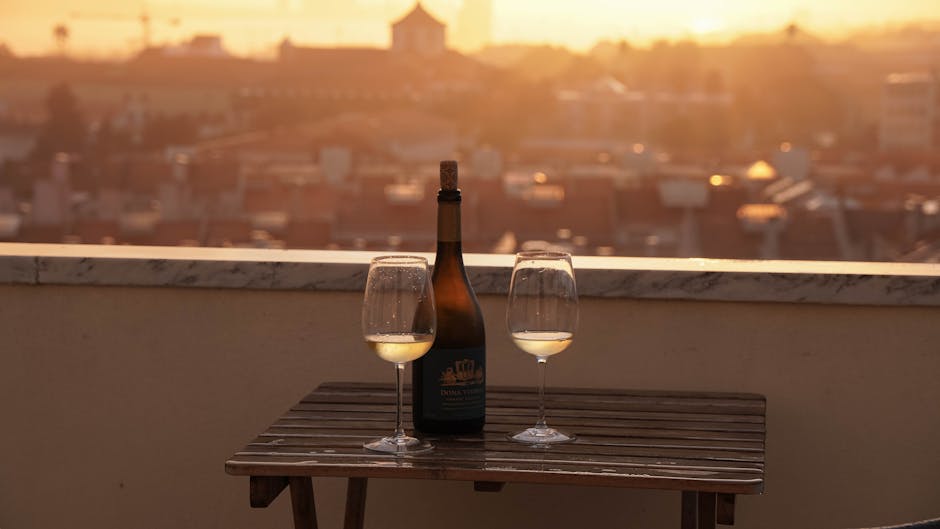
Conclusion — Practical tips, budget and final recommendations
A one-day wine itinerary in Chianti can feel packed, but with good planning it lets you taste a wide range of wines, visit historic and contemporary estates, and savor Tuscan cuisine. To summarize the practical points:
- Transport: renting a car is the most flexible option (expect €40–80 per day depending on category). If you prefer not to drive after tastings, book a private driver (from about €120 for a half-day) or a guided tour from Florence/Siena (from €80 to €220 per person depending on the tour level).
- Budget: for a day including two guided tastings (€30 + €20), a lunch at €35–50 and transport, plan on roughly €120–200 per person. With premium tastings, bottle purchases or a private driver, the budget can rise to €250–400 per person.
- Reservations: essential in high season for Antinori, Castello di Ama, Castello di Brolio and Fèlsina. Phone and email contacts are usually on official sites; most accept online bookings too.
- Best time to go: late April–June for green landscapes and mild temperatures; September–October for harvest season (lively atmosphere); avoid January–February if you want an active experience (many estates limit visits).
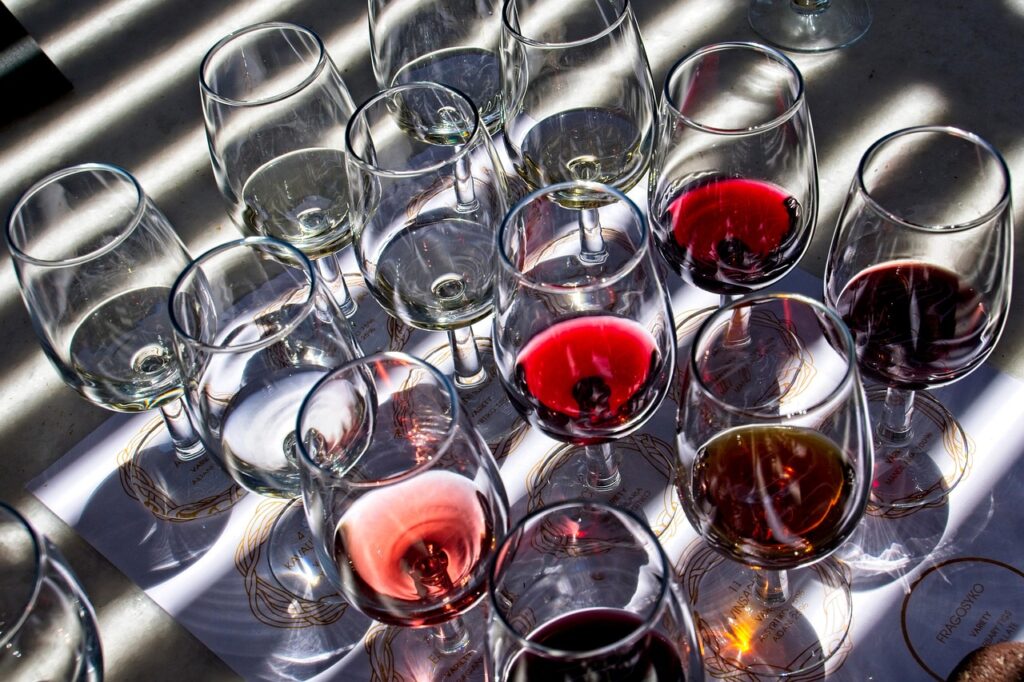
- Tasting etiquette: sip in small amounts, hold the glass by the stem, smell the wine, take notes, and ask the sommelier questions. Don’t hesitate to inquire about blends, barrel aging and the estate’s philosophy.
Extra local tips: wear comfortable shoes for cellars and vineyard walks; bring a light jacket for cool cellars and evenings; if you buy bottles ask about special packing and international shipping options to avoid airport hassles. For photos, favor early morning or sunset light for more dramatic landscapes.
Finally, remember each estate has its own story and style: large houses like Antinori deliver architectural luxury and polished presentations, while family-run estates like Castello di Ama or Fèlsina often offer a more intimate, personal experience. By combining a historic castle, a contemporary estate and an authentic lunch, you’ll leave not only with bottles but with a deeper understanding of Chianti — its terroirs, its grape varieties and its people. Safe travels and cheers — taste with curiosity and respect to discover the true soul of Tuscany.