




Introduction
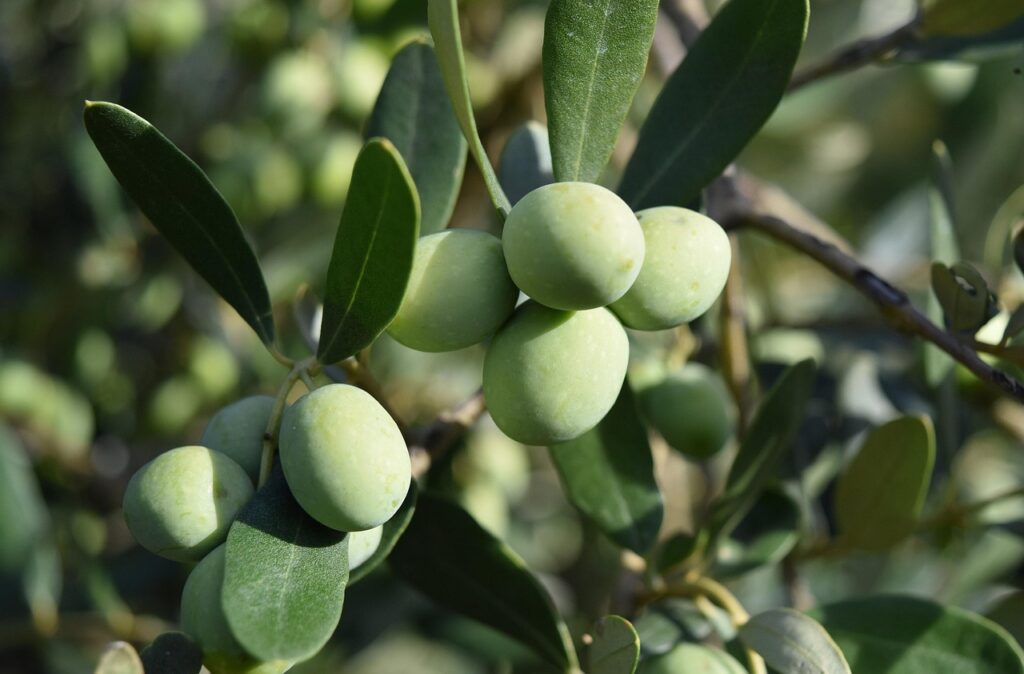
La Toscana est un nom qui évoque collines dorées, vignes en terrasses, routes sinueuses et villages médiévaux. Mais au-delà des vignobles réputés, c’est un paysage plus discret qui façonne l’identité rurale de la région : l’olivier. Partir de Sienne pour découvrir les oliviers est une invitation à explorer une Toscane intime où l’histoire, l’agriculture et la cuisine se répondent. Depuis la Piazza del Campo jusqu’aux hameaux cachés de la province, les oliviers ponctuent les panoramas et racontent des siècles de savoir-faire, de récole conviviale et d’artisanat de l’huile d’olive extra vierge.
Sienne (Siena) elle-même, avec ses rues étroites en pente, ses palais en brique rouge et sa cathédrale monumentale, est le point de départ idéal pour des excursions d’une journée ou des balades à la demi-journée. La ville offre des repères culturels forts — le Duomo di Siena (Cattedrale di Santa Maria Assunta) et la Piazza del Campo — mais c’est en s’éloignant de ces lieux emblématiques que l’on découvre la plate-forme oléicole : oliveraies centenaires, frantoi (moulins à huile) encore en activité, producteurs familiaux et marchés locaux où l’huile d’olive est vendue en carafes ou « damigiane » comme un trésor du terroir.
Cet article propose un parcours complet : cartes mentales des collines, adresses précises de sites à visiter, horaires d’ouverture pour planifier vos journées, prix indicatifs des dégustations et des visites guidées, et conseils pratiques pour une immersion respectueuse et productive. Que vous soyez un amateur de gastronomie, un photographe à la recherche de paysages dorés au coucher du soleil, ou un voyageur curieux des traditions rurales, vous trouverez ici des suggestions pour vivre la Toscane oléicole dans toute sa richesse.
Nous aborderons aussi les particularités saisonnières — quand visiter pour voir la récolte, quand s’inscrire aux pressées d’huile fraîche (frangitura), et les comportements à adopter chez un producteur. La dimension humaine sera centrale : les producteurs vous parleront de variétés locales comme le Leccino, le Frantoio ou le Moraiolo, expliqueront comment la géographie et l’altitude influencent le caractère d’une huile, et partageront parfois des recettes familiales à base d’huile fraîchement pressée.
Enfin, vous trouverez des repères pratiques (adresses, horaires d’ouverture, tarifs, moyens d’accès) pour planifier vos étapes depuis Sienne, que vous soyez en voiture, en vélo ou en excursion organisée. Les informations données ci-dessous sont détaillées pour faciliter vos choix — n’oubliez pas toutefois de vérifier les ouvertures saisonnières et de réserver quand l’activité l’exige. Prêt pour une exploration oléicole authentique au départ de Sienne ? Suivez le guide.

Siena as your starting point: culture and logistics
To get the most out of an olive-grove itinerary, it helps to know a few key anchors in Siena. The Piazza del Campo (Piazza del Campo, 53100 Siena SI, Italy) is the city’s lively heart — the square that hosts the famous Palio di Siena horse race. Nearby you’ll find practical spots to orient yourself and plan day trips: the Ufficio Informazioni Turistiche di Siena (Tourist Information Office) at Via del Capitano 1, 53100 Siena SI. Opening hours: generally Monday–Saturday 09:00–18:00, Sunday 09:00–13:00 (seasonal variations possible). It’s a handy place to pick up maps, brochures and info on olive-oil related guided tours and frantoi.
A cultural stop worth making before you head to the hills is the Duomo di Siena (Cattedrale di Santa Maria Assunta), Piazza del Duomo, 8, 53100 Siena SI. Opening times: roughly 10:00–19:00; combined museum/Duomo ticket about €8–12 depending on options. Taking time to visit the Duomo and the Museo dell’Opera Metropolitana gives you useful context about the region’s artistic history, often connected to rural patrons and landowning families who shaped the local landscape.
Another practical hub is the Stazione di Siena (piazza della Stazione 2A, 53100 Siena SI), which serves regional trains. If you don’t have a car, several guided excursions leave from the station or Piazza del Campo for the olive-producing zones of Chianti, Val d’Orcia and the Crete Senesi. Local agencies run half- and full-day tours with transport, mill visits and tastings; prices typically range from €45 to €120 per person depending on the itinerary and number of stops.
Finally, for stocking up locally: visit the Mercato Centrale di Siena (Via della Sapienza), a covered market where you’ll find local olive-oil producers, cheeses, cured meats and vegetables. Market hours vary, but producers are usually present in the morning (08:00–13:00). It’s the perfect place to buy a bottle for the road, compare different oils and get on-the-spot recommendations from vendors.

The olive groves and scenery around Siena: routes and viewpoints
Around Siena you’ll find a variety of olive-growing landscapes. Each micro-terroir produces an oil with its own personality. Three major areas deserve particular attention: Chianti Classico (to the northeast), the Val d’Orcia (to the south) and the Crete Senesi (to the southeast). These regions feature hillside groves, rows of centennial trees and spectacular panoramas for photographers and hikers.
Chianti Classico: the road from Siena to Gaiole in Chianti (Via Chiantigiana SP408) is dotted with olive groves and small estates. A recommended stop is Castello di Ama (Via Ama, 29, 53013 Gaiole in Chianti SI), an estate that combines wine production and contemporary art. Opening: visits by reservation (phone +39 0577 735111); guided tasting around €45–70 per person depending on the option. Beyond wine, many Chianti Classico estates produce a fruity, structured oil that pairs beautifully with roasted meats and bruschette.
Val d’Orcia: south of Siena, the Val d’Orcia (a UNESCO World Heritage site) hosts olive groves benefited by a milder microclimate, producing oils that are often rounder in profile. The Abbazia di Sant’Antimo (Piazza dell’Abbazia, 53026 Castelnuovo dell’Abate SI) and the Abbazia di Monte Oliveto Maggiore (loc. Asciano, 53040 Asciano SI) are historical landmarks that pair well with a stroll through olive groves. Monte Oliveto Maggiore opening hours: typically 08:30–12:30 and 14:30–18:00; entrance to the monastery and cloister with frescoes around €4–8. These spots offer views that blend spirituality and agriculture.
Crete Senesi: southeast of Siena, the clay hills create unique textures. Olive groves alternate with woods and fields, and the low light at sunset produces dramatic contrasts. Plan short photo stops along the SP438 toward Asciano; many local producers welcome visitors by appointment for field visits and a tour of the frantoio (mill).
Recommended routes: a typical day trip from Siena might include an early drive to Gaiole in Chianti (about 1 hour), a visit to an estate (Castello di Ama or another), lunch in Radda in Chianti, then an afternoon visit to a small mill for a tasting (booking required), returning to Siena before sunset. For a slower pace, spend a night at an agriturismo (farm stay) such as Agriturismo Il Castagno (example) and take part in the harvest if you’re visiting in season.

Olive-oil mills, tours and tastings: addresses, prices and opening times
Visits to frantoi (olive-oil mills) are the heart of the olive experience. They let you understand how fruit becomes oil, the quality controls involved, and sometimes you can watch a traditional pressing. Here’s a selection of places where you can organize visits from Siena.
Frantoio Tenuta La Torre (example of a local estate)
Adresse : Tenuta La Torre, Via di Montarioso 12, 53100 Sovicille (Siena) — (adresse indicative pour une exploitation type, vérifier sur place). Horaires : visites sur réservation du lundi au samedi, 09:00–17:00. Prix : visite guidée et dégustation à partir de 25 € par personne ; atelier sensoriel approfondi 45–60 €. Description : moulin artisanal familial, presses à froid, démonstrations de dégustation (olio nuovo — huile nouvelle), vente directe à la boutique. Lors de la visite, vous verrez la chaîne de production, les silos de stockage et participerez à une dégustation guidée avec du pain toscan et des produits locaux.

Mill at Castello di Brolio (Brolio Castle)
Adresse : Castello di Brolio, Località Brolio, 53013 Gaiole in Chianti SI. Horaires : château ouvert souvent 09:30–18:00 ; visites de cave et huile sur réservation. Prix : visite guidée complète (château, cave, dégustation) à partir de 35–70 € par personne selon les options. Description : within a historic estate, oil production is combined with a winemaking tradition; the tasting often compares oils from different plots, served with charcuterie and cheeses. During harvest time (October–November), ask if it’s possible to witness a live pressing.
Visit to the Abbey of Monte Oliveto Maggiore
Adresse : Abbazia di Monte Oliveto Maggiore, Località Le Màrie, 53040 Asciano SI. Horaires : généralement 08:30–12:30 et 14:30–18:00. Prix : visite du cloître et des fresques environ 4–8 €. Description : the abbey is not a mill, but its name and history are closely tied to olive trees and monastic agricultural practices. Some monasteries sell oil produced on-site; check the abbey shop to buy a small bottle of monastic production.

Tasting tips
- Allow 45–90 minutes for a full tasting that includes sensory explanations: colour, aroma, taste, bitterness and persistence.
- Indicative prices: basic tasting €10–25; tasting with a sensory workshop €30–60.
- If available, try the olio nuovo (new oil) — it’s often green, herbaceous and can be sharply peppery.
- Pair tastings with neutral foods (unsalted Tuscan bread, soft polenta) to better perceive subtle notes.
- Buy a reasonable quantity: a 500 ml bottle from a local producer usually costs between €8 and €25 depending on quality, DOP label (Denominazione di Origine Protetta) or organic certification.

Practical tips for an olive-focused immersion from Siena
To make your olive-grove discovery from Siena smooth and rewarding, here are practical logistical and cultural tips. They cover transport, ideal timing, etiquette with producers and shopping.
Best time to visit and weather
The prime time to witness olive activity is autumn, mainly October–December, depending on altitude and fruit ripeness. In October you can catch the first pressings and the release of olio nuovo; November is often the peak of production. In spring, olive trees are in bloom (May–June): it’s a great period for flower-filled landscapes and peaceful walks, though mills are generally inactive.
Getting around
- By car: the most flexible option. Secondary roads (SP) are often narrow but well signposted. Use the estate name or full address in your GPS. Parking at estates is usually free but limited; call ahead to let them know you’re coming.
- By bike: for fit cyclists, the area offers stunning routes; be prepared for climbs and unprotected roads. Rent an e-bike in Siena to extend your range.
- Organized transport: many agencies in Siena offer themed « olive oil & wine » tours. Average prices: €60–120 depending on duration and inclusions.

Respect and behaviour at producers
- Booking in advance is often essential, especially in high season.
- Be punctual; producers work to tight schedules, particularly during production periods.
- Always ask permission before photographing installations or taking portraits of people.
- If you enjoyed a private visit that was offered free of charge, don’t leave empty-handed — a purchase or a small tip is appreciated. A small bottle from €8–12 is a reasonable token.
Buying, storing and carrying oil
- Buy sealed bottles for travel; ask for a label indicating the harvest year and olive variety (Frantoio, Leccino, Moraiolo, Pendolino).
- Storage: keep oil away from light and heat; ideally consume within a year.
- Customs and transport: if you travel outside the EU, check export limits and declarations; within the EU, carrying bottles in your luggage is common but protect them to avoid breakage.
Complementary activities
- Cooking classes: several agriturismi and cooking schools near Siena offer workshops highlighting local oil (preparing bruschette, homemade pasta, grilled fish). Prices: €40–90 depending on duration and menu.
- Guided olive-walks: learn to identify varieties, spot common diseases (e.g. xylella, though less common here than in Puglia), and sometimes take part in manual harvesting.
- Photography: early morning and late afternoon provide the best light; bring a wide-angle lens for rows of trees and a telephoto to isolate gnarled trunks.
Conclusion
Exploring olive groves from Siena is a deep dive into the rural soul of Tuscany. Through the groves of Chianti, the gentle slopes of the Val d’Orcia and the textured hills of the Crete Senesi, you enter a landscape where every tree bears the mark of generations of farmers and artisans. Mill visits, tastings of olio nuovo and conversations with passionate producers make ancient know-how tangible. The places mentioned — from the central Duomo di Siena to estates like Castello di Brolio or spiritual sites like the Abbazia di Monte Oliveto Maggiore — make it easy to combine cultural discovery with olive-centred experiences.
Practical tips provided (book ahead, best time to visit, etiquette with producers, how to store oil) will help you avoid pitfalls and get the most from each stop. The indicative costs (tastings €10–60, 500 ml bottles €8–25, organized tours €45–120) allow you to budget, but remember much of the value of these experiences is intangible: a conversation, the demonstration of an old press, a piece of bread dipped in fresh new oil.
Beyond purchases and photographs, visiting olive groves near Siena is a sensory and contemplative experience. Whether you leave with bottles in your hands or memories in your head and nose, you’ll take home a piece of Tuscany: the art of slowing down, appreciating quality tied to a terroir, and the simple joy of sharing a humble, sublime meal drizzled with fresh olive oil. Take your time, book ahead, respect the producers and let the light and winding lanes of the Sienese hills guide you. Buon viaggio e buona degustazione!