





Introduction: Siena, the medieval city at the heart of Tuscany
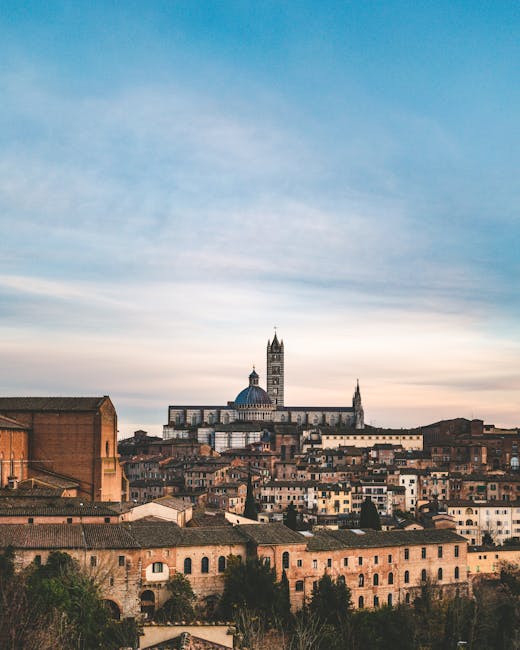
Siena is one of the most evocative towns in Tuscany, famous for its impeccably preserved historic center, Gothic art, steep winding streets and an atmosphere still steeped in medieval tradition. A UNESCO World Heritage site, the city spreads across three hills and unfolds around the iconic Piazza del Campo, a shell-shaped square that hosts the Palio — the centuries-old horse race — every year. Dive into Siena and you’ll experience an exceptional continuity of history and culture: sculpted religious buildings, impressive communal palaces, rich frescoes and galleries, not to mention hearty Tuscan cuisine and lively local markets.
This comprehensive guide, written for the curious and discerning traveler, walks you through the must-see sights, museums, neighborhood walks, local secrets and practical tips to make the most of your stay. You’ll find exact addresses, opening hours, approximate prices in euros for the main attractions, immersive site descriptions and Siena insider tricks to skip lines or find overlooked viewpoints. Whether you’re here for a cultural weekend, a food-focused trip or to photograph the city in golden evening light, this guide helps you plan a balanced itinerary mixing major visits with leisurely wandering.
Siena isn’t a big city: its historic center is best explored on foot. That said, the wealth of its museums and the density of its heritage require a little planning. We give not only practical info (hours, prices, addresses) but also tangible advice: when to visit the Duomo to avoid crowds, where to get the best panorama over Piazza del Campo, where to enjoy traditional pici without breaking the bank, or how to sense the history of the Palio down a quiet alley. This guide is aimed at a general audience who appreciate detail and authenticity — families, solo travelers, art lovers and photographers — and favours suggestions that are tried-and-true and easy to fit into a one- to three-day plan.
Note: some prices and opening times may change with the season (summer high season, religious services, local public holidays). The prices shown are those in effect at the time of writing (2024); it’s always wise to double-check official sites before traveling or to book online when possible. Beyond the famous monuments, Siena reveals itself in small details: carved doorways, polychrome paving, confraternity songs during processions, and the warm welcome of family-run trattorie. Set off on a discovery that blends historical depth with the sensual pleasures of Tuscan flavors.
1. Must-see monuments: the Duomo, Piazza del Campo and Torre del Mangia
Your Siena visit naturally starts with three emblematic sites that define the city’s medieval soul. These monuments are close to each other and can easily be seen in a half-day if you’re short on time, or in a full day if you want to visit the attached museums and climb for panoramic views.
Cattedrale di Santa Maria Assunta (Siena Cathedral)
Address: Piazza del Duomo, 8, 53100 Siena SI, Italy.
Opening hours: generally 10:00–19:00 (the cathedral sometimes closes earlier in low season; hours vary for religious services). Check the official site for exact times.
Price: combined « Opera del Duomo » ticket €8.00 (access to the Duomo, Baptistery, Museo dell’Opera, Baptistery, Piccolomini Library depending on option).
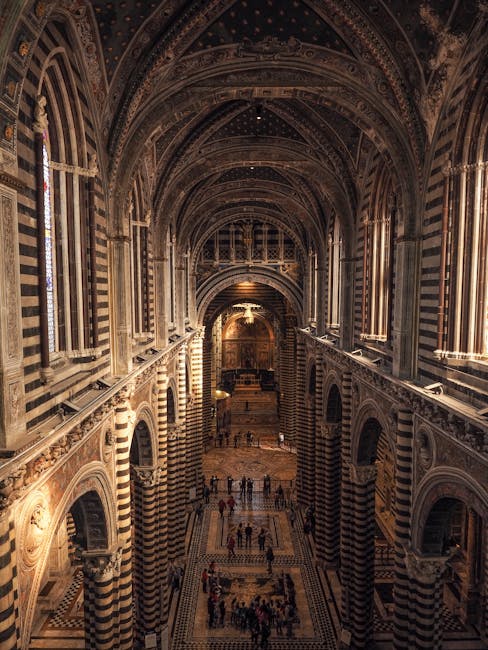
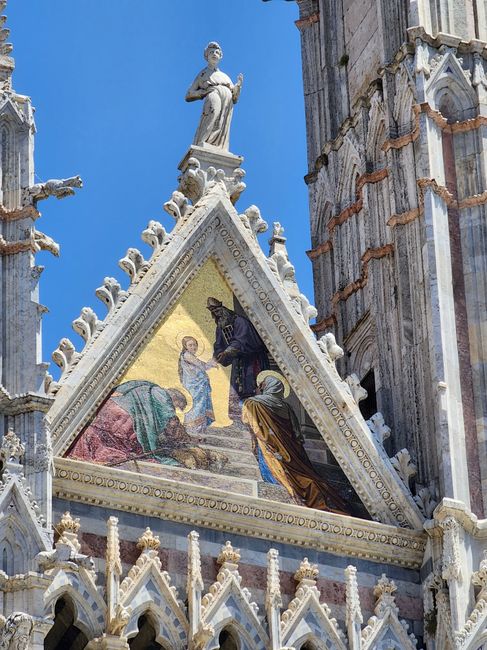
The Duomo of Siena is a masterpiece of Italian Gothic, notable for its alternating bands of white and dark marble, mosaics, and a floor flooded with intricate marble inlays (the famous pavement works). The Piccolomini Library is richly decorated. Inside you’ll find an abundance of detail: carved capitals, Pinturicchio frescoes and a marble pulpit by Nicola Pisano. The austere exterior contrasts with the exuberant decoration of the reliefs and flooring.
Piazza del Campo
Address: Piazza del Campo, 53100 Siena SI, Italy.
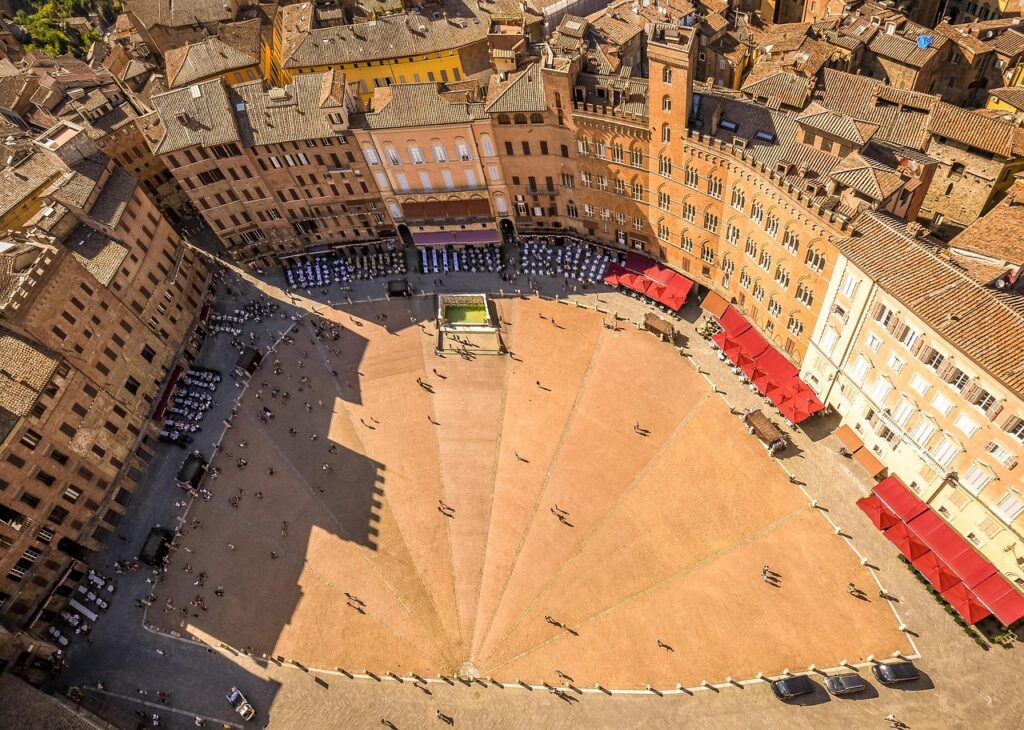
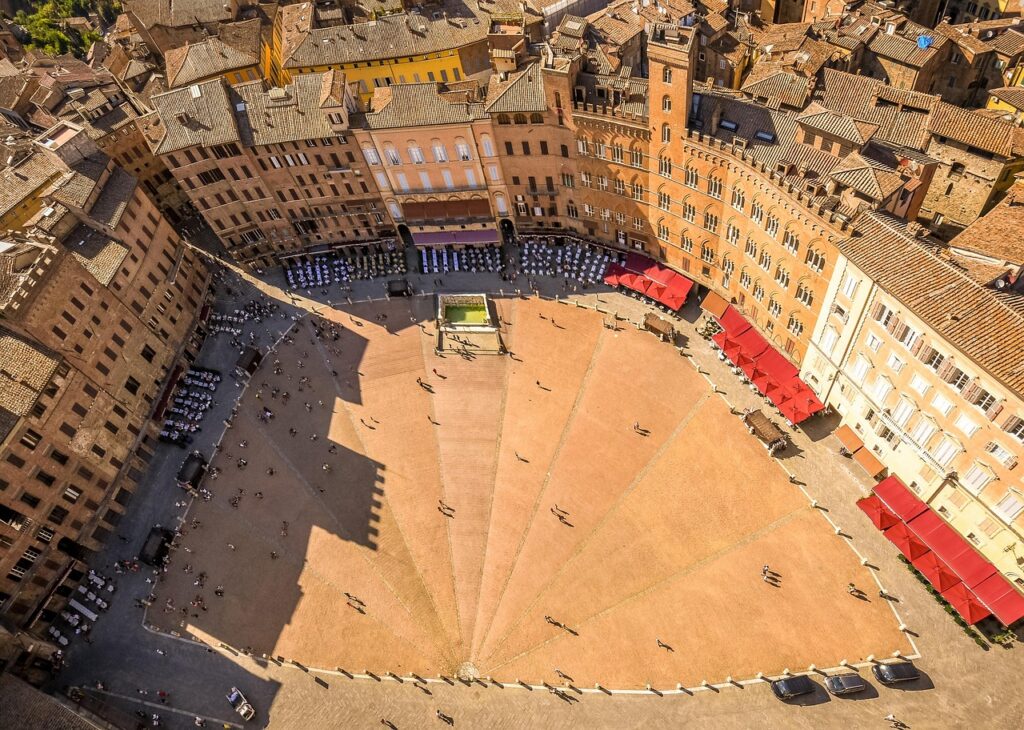
Piazza del Campo is one of the world’s most famous medieval squares, shaped like a shell and lined with Gothic palaces. The square is Siena’s social heart: historic cafés, terraces, and every year (July 2 and August 16) the Palio di Siena turns the piazza into an arena as contrade (neighborhoods) compete in the horse race. Wander along the stepped seating, sit at a table at Caffè Rosticceria Paszkowski or Bar Il Palio and watch local life unfold.
Torre del Mangia and Palazzo Pubblico (Civic Museum)
Palazzo Pubblico address: Piazza del Campo, 1, 53100 Siena SI, Italy.
Torre del Mangia address: Torre del Mangia, Piazza del Campo, 53100 Siena SI, Italy (entrance within the Palazzo Pubblico complex).
Opening hours: Museo Civico 10:00–19:00; Torre del Mangia climb usually 10:30–18:30 (high season); hours may vary for events and Palio days.
Price: Museo Civico €10.00; Torre del Mangia climb €10.00 (separate or combined tickets depending on season and temporary exhibitions).
The Palazzo Pubblico is a 13th-century Gothic town hall, now a civic museum housing major frescoes such as Simone Martini’s « Maestà » and Ambrogio Lorenzetti’s « Allegory of Good Government » (the Hall of the Nine). Climb the roughly 400 exposed steps of Torre del Mangia for a spectacular 360° view over Siena and the Tuscan countryside: Piazza del Campo below, red-tiled roofs and the rolling hills of Chianti and the Crete Senesi beyond. The climb is a workout, but the photographic and panoramic reward is worth the effort.
2. Museums and art galleries: sacred art, paintings and hidden treasures
Siena is an open-air museum, but it also hosts remarkable museums that preserve the city’s communal artistic heritage. Collections range from medieval works to Renaissance paintings from the influential Sienese school, with names like Duccio di Buoninsegna, Simone Martini and the Lorenzetti brothers.
Museo dell’Opera del Duomo
Address: Piazza del Duomo, 9, 53100 Siena SI, Italy.
Opening hours: 10:00–18:00 (closing times vary; often closed on certain holidays).
Price: €8.00 (standard ticket; sometimes included in a Duomo complex pass).
This museum preserves sculptures and original works from the Duomo, including medieval pieces, reliquaries and important panels of sacred art. You’ll sometimes see fragments of the cathedral pavement or original façade sculptures here, letting you appreciate details that are harder to study in a crowded cathedral.
Santa Maria della Scala (Museo Santa Maria della Scala)
Address: Piazza del Duomo, 2, 53100 Siena SI, Italy (directly opposite the Duomo).
Opening hours: 09:00–19:00 (seasonal; check for temporary exhibitions).
Price: €12.00 (adult rate; reductions for students and seniors).
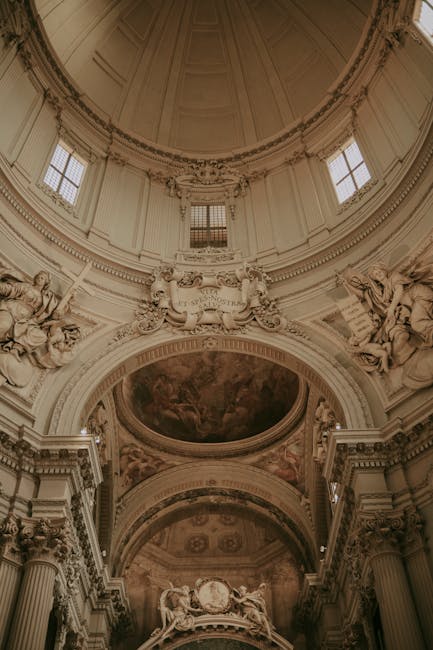
Once a medieval hospital turned museum complex, Santa Maria della Scala offers an immersive visit into Siena’s social and religious life: vast vaulted halls, frescoes, archaeological remains and heritage workshops. The site also provides interesting views of the Duomo from certain vantage points and hosts high-quality temporary exhibitions.
Pinacoteca Nazionale di Siena
Address: Via San Pietro, 33, 53100 Siena SI, Italy.
Opening hours: 09:00–19:00 (hours vary by season; possible weekly closure on Monday).
Price: €9.00 (full price; reductions available).
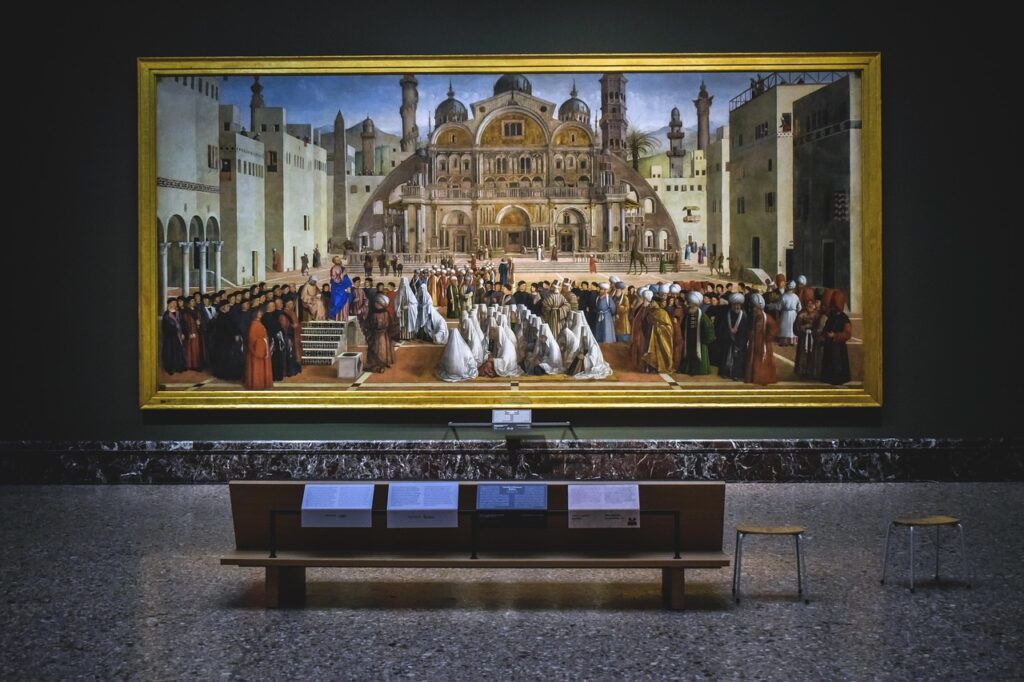
The Pinacoteca Nazionale houses an exceptional collection of Sienese paintings from the 13th to the 18th century: panels by Duccio, works by Lippo Memmi, Matteo di Giovanni and many others. The intimate rooms allow close study of technique, religious themes and the distinctive color palette of the Sienese school. Art lovers should allow about two hours to appreciate the stylistic continuity and local innovations.
3. Walking Siena: neighborhoods, alleys and viewpoints
Siena’s charm comes alive on foot. Narrow lanes, stairways, drops and small squares punctuate each neighborhood — or contrada — historically carved into civic territories. Here are recommended routes to not only see the monuments but truly feel the city’s atmosphere.
Contrade and main streets
Start from Piazza del Campo and then get lost in the streets that climb toward the Duomo or descend toward the city walls. Via di Città and Via Banchi di Sopra are two historic commercial arteries lined with artisan shops, leather workshops, Tuscan linen stores and cafés. Don’t miss the old shop signs and Gothic portals often decorated with family coats of arms.
City walls and panoramic walks
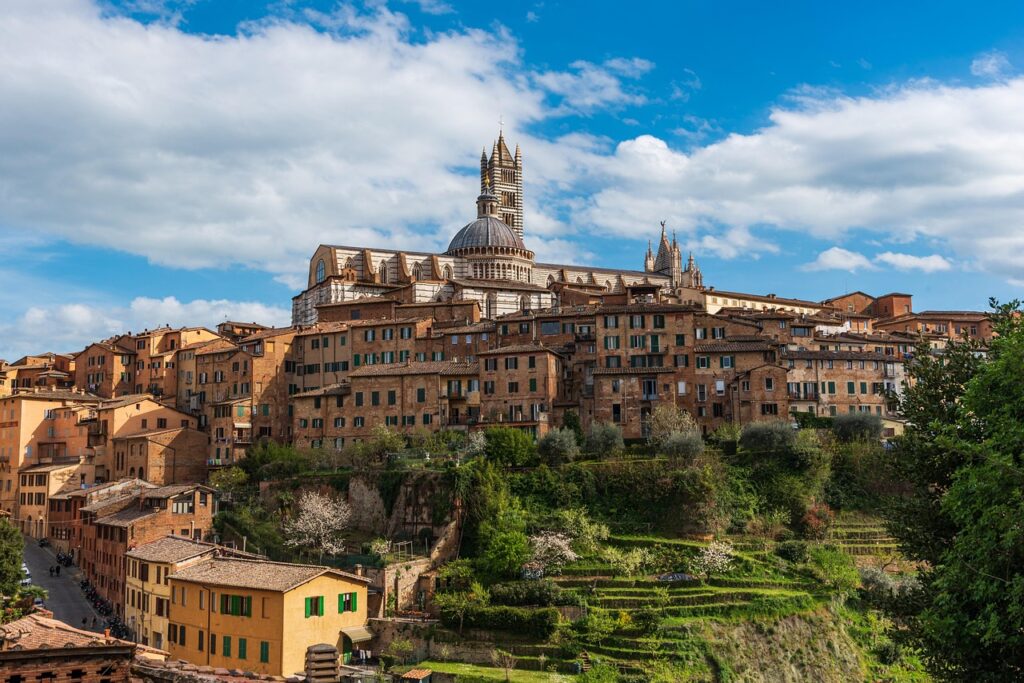
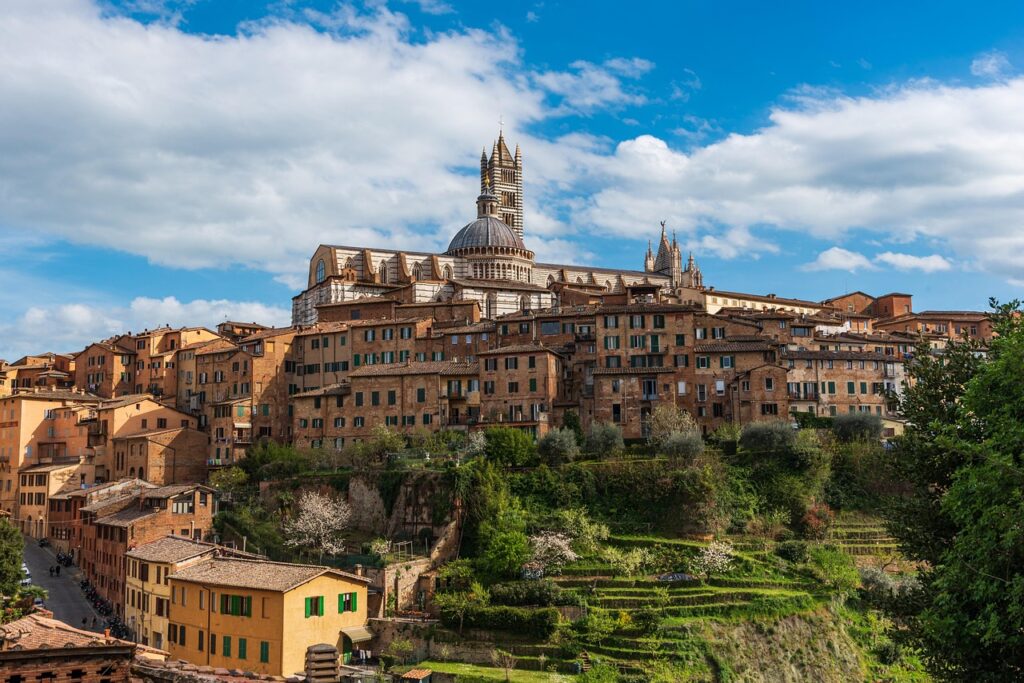
For wider panoramas, head to viewpoints overlooking the countryside: Fortezza Medicea (the fortress) is a good starting point. Address: Largo Caduti per la Libertà, 53100 Siena SI, Italy. The fortress gardens (Parco della Fortezza) are freely accessible and offer a green space with clear views over the town and surrounding hills. Hours: outdoor areas accessible during the day; park entry is free.
Hidden passages and small squares
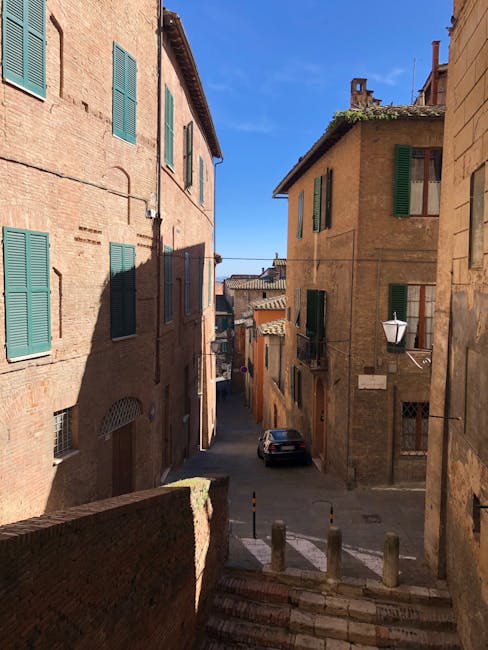
Seek out quieter spots like Piazza Salimbeni (home of Monte dei Paschi di Siena, one of the world’s oldest banks) and Piazza San Francesco, near the church of the same name. These places offer calmer atmospheres for a coffee break. Small food shops and neighborhood markets are perfect for sampling local products (cheeses, cured meats, wines). Local tip: early morning, between about 08:00–09:30, the light is soft and the streets are empty — ideal for photography and for visiting the food market without crowds.
4. Food, markets and where to eat well
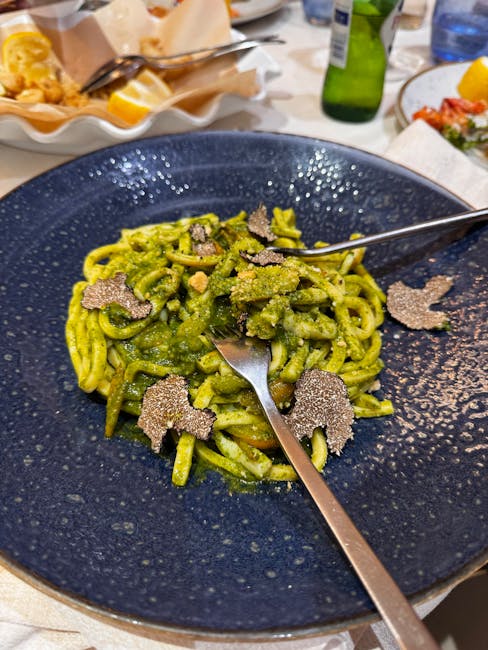
Sienese cuisine is generous and straightforward, focused on local produce: rustic breads, cured meats, cheeses, handmade pasta and regional wines. Below are suggestions and addresses for different budgets, from bistros to more refined dining.
Typical dishes to try
- Pici all’aglione: thick hand-rolled pasta served with a garlicky tomato sauce.
- Ribollita: a peasant soup made with bread, cavolo nero (black cabbage) and vegetables, perfect in colder months.
- Cinta Senese: cured meats and pork from the Cinta Senese breed, with a pronounced, marbled flavor.
- Cantucci and Vin Santo: almond biscotti to dunk in the local dessert wine.
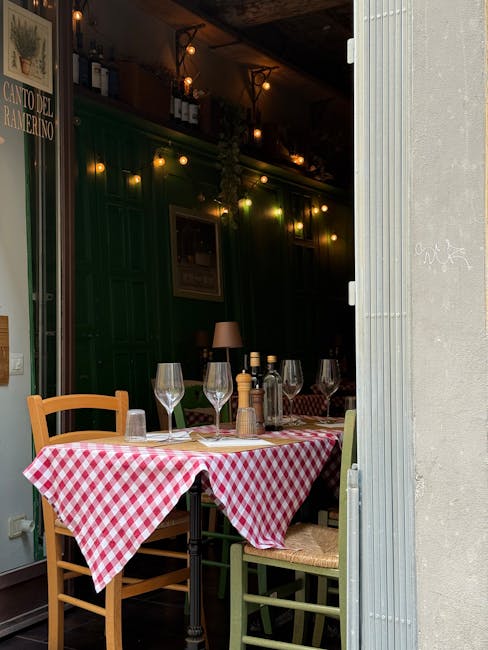
Recommended restaurants and trattorie (addresses, approximate prices)
- Osteria Le Logge — Via del Porrione, 33, 53100 Siena SI. Hours: 12:30–14:30 / 19:30–22:30. Prices: menus from €30 per person; mains €15–€28. Refined cooking, elegant decor.
- Trattoria La Torre — Via della Tufi, 14, 53100 Siena SI. Hours: 12:00–15:00 / 19:00–22:30. Prices: mains €10–€20. Family atmosphere, generous portions.
- Osteria Enoteca S. Giovannino — Via di Città, 35-37, 53100 Siena SI. Hours: 12:30–14:30 / 19:30–22:30. Prices: starters €6–€12, mains €12–€25. Large selection of local wines.
Markets and local specialties
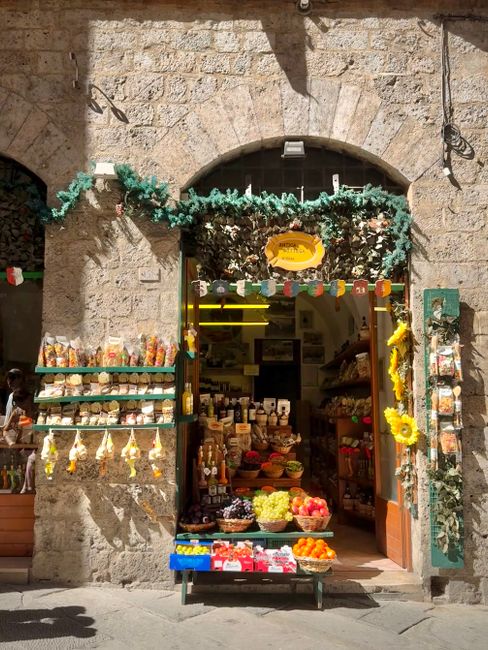
For fresh, artisanal produce head to the central market (Mercato) on Via Stalloreggi and Via Pantaneto (stalls are set up on different days). Food market hours: early morning (generally 08:00–13:00). You’ll find cheeses (pecorino Toscano), cured meats, organic vegetables and extra-virgin olive oil. For wine, look for Chianti Classico DOCG labels or small local Chianti Senese estates. During harvest season some wineries offer paid tastings (roughly €15–€25 per person).
5. Practical tips: where to stay, getting around, best times to visit and local events
Planning ahead makes a big difference for a successful stay in Siena. Here’s practical information on accommodation, transport, safety and major events.
Where to stay: neighborhoods and sample addresses
Staying inside the historic center (near Piazza del Campo or the Duomo) puts you in the thick of things but usually means booking early and accepting smaller rooms. For a good compromise, choose a B&B or apartment near Via Banchi di Sopra or the train station (Siena Stazione) if you arrive by rail. A few suggestions:
- Hotel Athena — Piazza della Posta, 7, 53100 Siena SI. Close to the center and parking, modern comfort. Prices: rooms from €90–€150 depending on season.
- Palazzo Ravizza — Via del Porrione, 33, 53100 Siena SI. Historic style and garden; prices €120–€220.
Getting around and parking
The historic center is largely a ZTL (limited traffic zone). If you arrive by car, plan for peripheral parking:
- Parking Santa Caterina — Via Tommaso Pendola, 53100 Siena SI. Indicative rate: €2–€3/hour; shuttle or a 15–20 minute walk to the center.
- Parcheggio Il Campo — Viale G. Garibaldi (near the Fortezza): €2–€3/hour, depending on season.
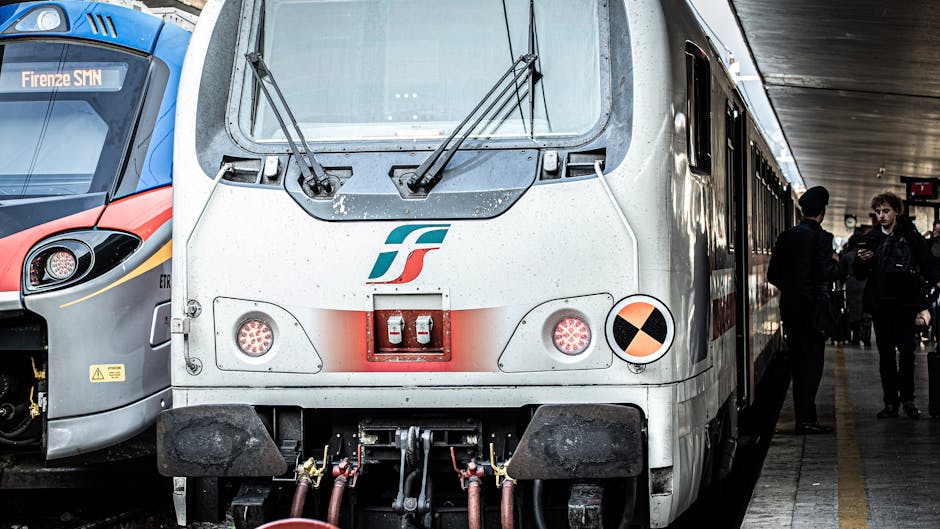
Trains connect Siena with Florence (about 1h30) and Grosseto; Siena Stazione is roughly a 20–25 minute walk from the center or a few minutes by city bus (AST or Tiemme lines). Local and intercity buses also serve nearby villages (Monteriggioni, San Gimignano, Chianti).
When to visit and events
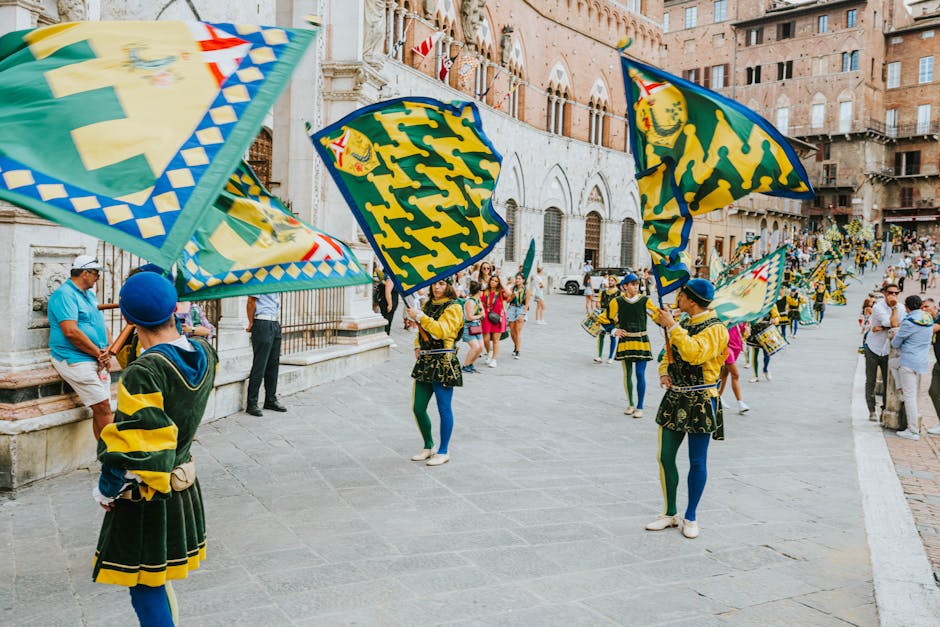
High season runs from May to September. Spring (April–May) and autumn (September–October) offer pleasant temperatures and ideal light for photography, with fewer crowds than July–August. The most famous event is the Palio di Siena, held twice a year: 2 July and 16 August. During the Palio the city is extremely lively and access to certain areas is restricted; book accommodation and restaurants well in advance and expect an intense, noisy and colorful experience. Other events include seasonal markets, church concerts and temporary museum exhibitions.
Safety and etiquette tips: Siena is generally safe, but like any tourist spot pickpockets can be active in busy areas. Wear comfortable shoes — cobbles and steep streets make heels impractical. Respect religious services: most churches ask for modest dress. And don’t hesitate to ask a local for a « consiglio » — Sienese are usually happy to recommend their favorite trattoria or a quiet corner.
Conclusion: plan well to savor Siena
Siena rewards the patient traveler: behind Gothic façades and great works of art lie daily little discoveries — a trattoria serving homemade pasta, a forgotten fresco in a chapel, a bench at dusk with views over the Tuscan hills. To get the most from the city, combine structured visits (Duomo, Museo Civico, Pinacoteca) with long aimless walks. Allow at least one full day for the central monuments and a second day for museums and neighborhood strolls, or for an excursion into the Chianti or to San Gimignano.
Practically speaking, always double-check opening hours and prices before you go: museums and churches may close for religious ceremonies or change hours seasonally. If you travel during the Palio, organize well in advance. Photographers should favor dawn and late afternoon for soft light and quieter streets. And make time for food: simple but intense Sienese cuisine is part of the cultural experience. Taste pici, ribollita, Cinta Senese cured meats and finish a meal with cantucci dunked in Vin Santo — small rituals that root you in local tradition.
This guide gives you a solid framework to organize a trip to Siena: main sights, museums and hidden treasures, walks, food addresses and concrete logistical tips (exact addresses, hours and indicative prices). But the best part of Siena is the unexpected: a lane opening onto a quiet square, a shopkeeper’s smile, the rustle of contrade banners during festivities. Sit down, listen and look — Siena tells its story to those who take the time to listen.