





Introduction — Why spend a weekend in Tuscany’s borghi?
Tuscany is a constant invitation to slow down, savor life and get lost in lanes where every stone tells a story. A weekend among the Tuscan borghi — those small medieval villages often perched on hills, surrounded by vineyards and olive groves — is the perfect getaway for anyone seeking authenticity, great food and jaw-dropping scenery. In 48 hours, with a little planning, you can taste Chianti, wander among medieval towers, take in viewpoints that inspired painters and poets, and finish with a thermal bath or an aperitivo at sunset.
This guide is practical and detailed: it offers a doable itinerary without rushing, with exact addresses, opening times, indicative prices and local tips to make travel smoother. The borghi chosen here are typical of rural Tuscany but easy to reach from Florence or Siena, ideal for a weekend by car (a car remains the most flexible way to explore the area). You’ll find suggestions for visiting key sights (towers, churches, fortresses), tasting local wines (Chianti Classico, Brunello di Montalcino), and enjoying more intimate experiences like lunch at a winery or a dawn walk when light wakes the hills.
This guide focuses on practical details: exact addresses to reach main squares and monuments, typical opening hours (often seasonal), entrance or tasting prices in euros, and parking and booking tips. The goal is to help you anticipate and avoid common pitfalls (reduced winter hours, distant parking, restaurants full without reservations). You’ll also find immersive descriptions: walking across San Gimignano’s Piazza della Cisterna, breathing the vine-scented air around Greve in Chianti, climbing Monteriggioni’s ramparts at sunset, or relaxing near the warm waters of Bagno Vignoni.
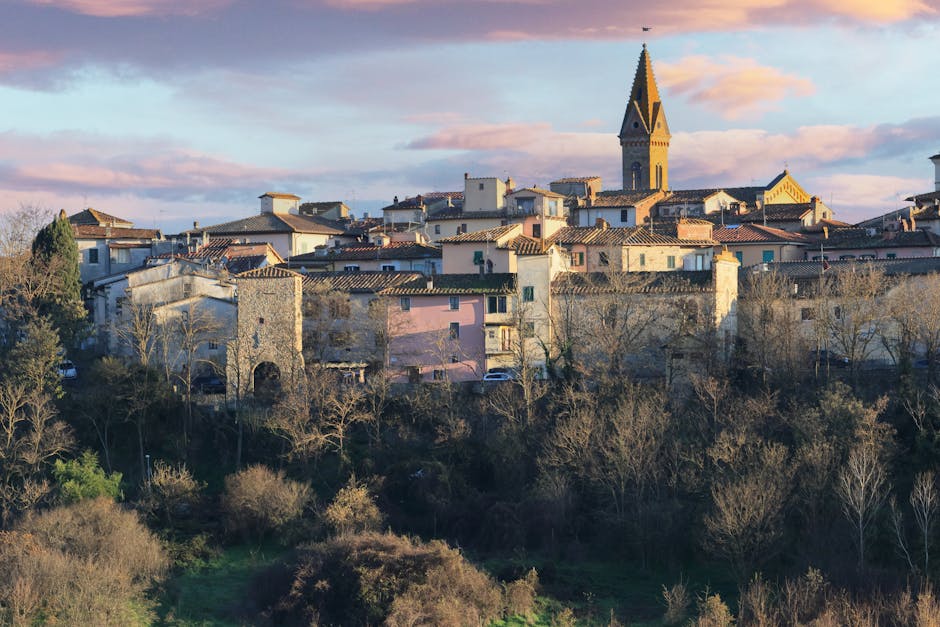
Finally, to make the text vivid and inspiring, image cues are inserted at the most photogenic spots: red roofs, medieval towers, rows of cypress trees and tables piled with salumi and cheese. These image suggestions should help you imagine your weekend and prepare your camera or phone. Whether you travel slowly as a couple, with family or friends, this guide will help you make the most of 48 hours in Tuscany, prioritizing the quality of encounters and flavors rather than ticking off too many places.
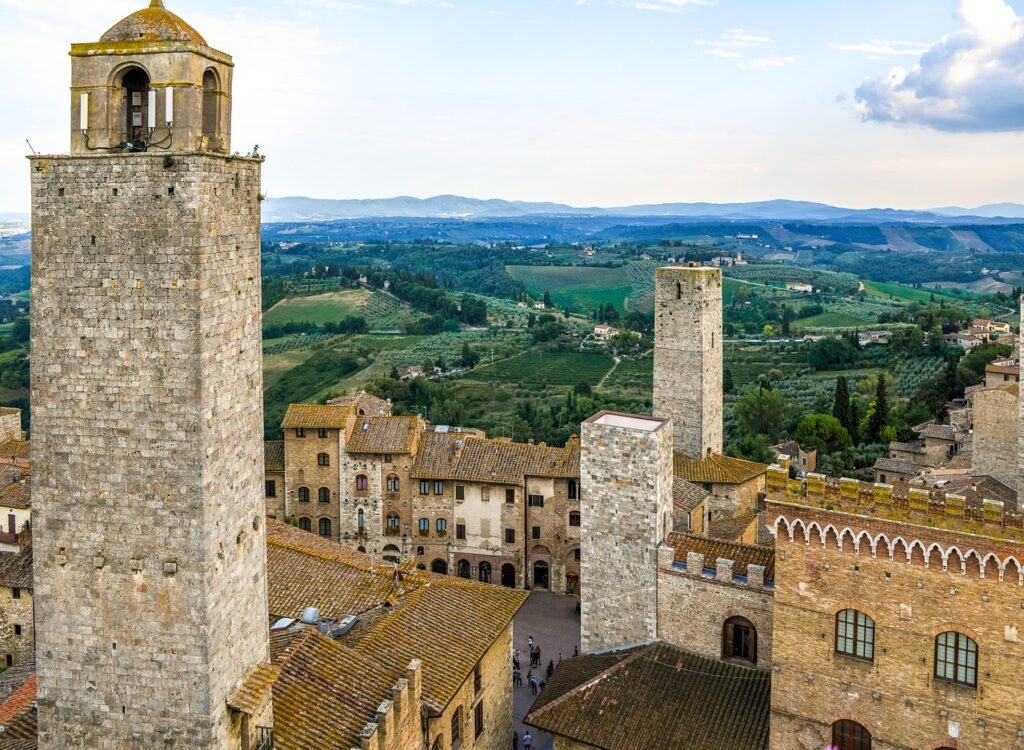
1) Day 1 — Greve in Chianti and the vineyard roads (Chianti Classico)
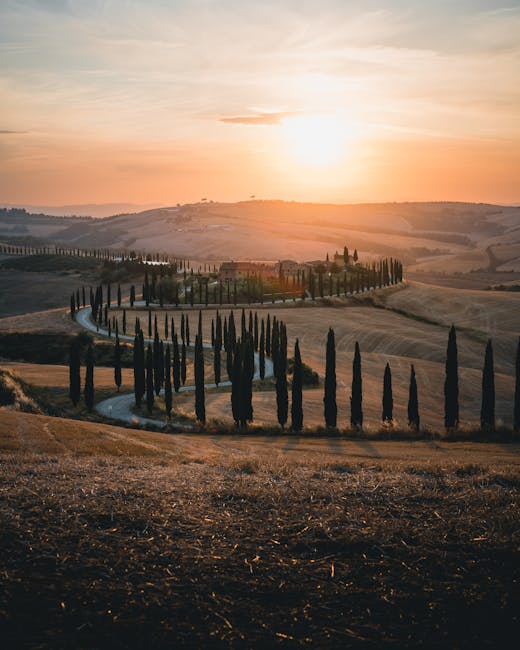
Start your weekend in the heart of Chianti Classico, perfect for diving into Tuscany’s wine country from the very first hours. Greve in Chianti, a convenient gateway, has a charming network of small roads lined with cypresses and wineries reachable within 20–45 minutes’ drive depending on your starting point.
Morning — Greve in Chianti
On arrival in Greve in Chianti, head to the main square: Piazza Matteotti, 53036 Greve in Chianti (FI). The triangular piazza features a statue of Giovanni da Verrazzano and several artisan shops. Parking: Piazza Gerini car park, Via Cesare Battisti, 53036 Greve in Chianti (FI), paid parking around €1.50/hour (seasonal). Wander among the gourmet food shops and stop for a coffee.
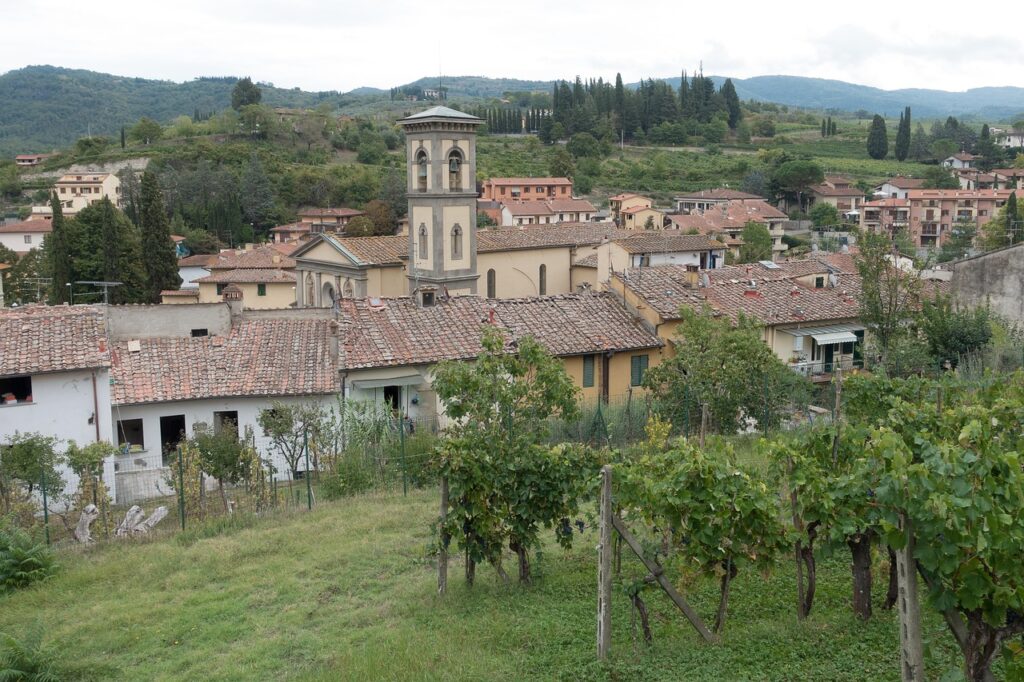
Lunch or tasting: book a tasting at Castello di Meleto, Località Meleto, 14, 53013 Gaiole in Chianti (SI). Opening generally from 10:00 to 17:00, with wine and olive oil tastings. Prices: classic tasting €18–€30 per person, estate tour + tasting €25–€40. Reservation recommended: +39 0577 742072 or via the estate’s website.
Afternoon — Vineyard roads and small borghi
From Greve, take the SP222 (via Chiantigiana) toward Panzano in Chianti (about 15 minutes). In Panzano, visit the famous Macelleria Falorni, Via Roma, 11, 53017 Panzano in Chianti (FI), renowned for its charcuterie. Hours: usually 9:00–13:00 and 16:00–19:00, closed Sunday afternoons outside high season. Purchases: antipasti and salumi to take away (prices vary, charcuterie portions from €8–€15).
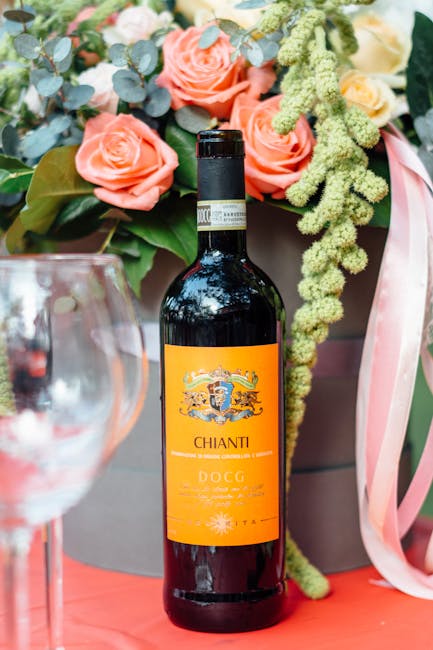
Continue to Castellina in Chianti (SP408), stroll the center, visit the Archaeological section of the Town Council and try some local wines. Public parking is available near Piazza del Comune, 53011 Castellina in Chianti (SI). Local small museums usually open 10:00–13:00 and 15:30–18:30, entrance fees €3–€6.
Evening — Dinner and overnight
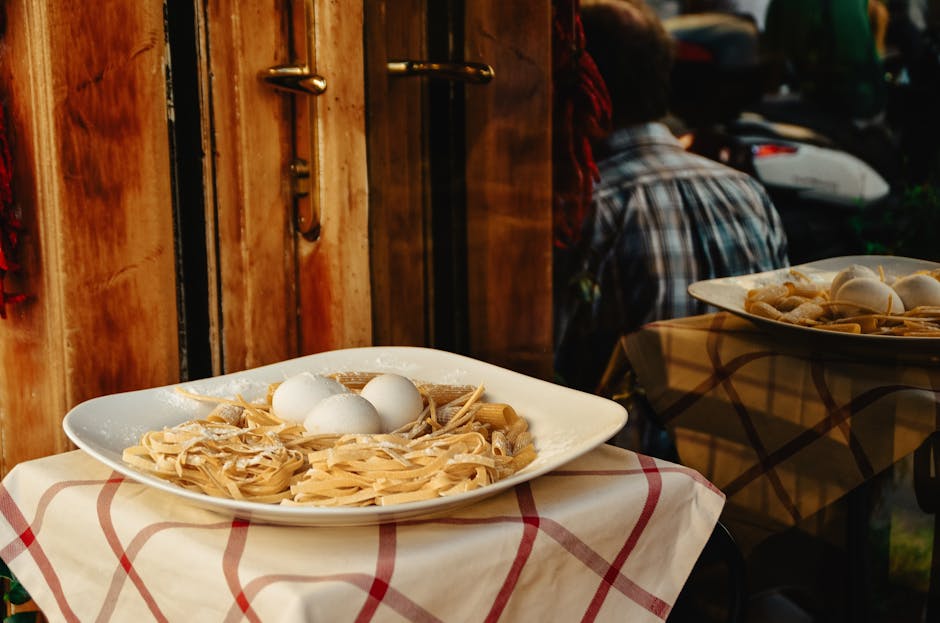
For dinner, favor a local trattoria: for example Trattoria da Burde (check opening hours and local availability) or options in Greve. Expect roughly €20–€35 per person for a full meal featuring Tuscan specialties (pappardelle with wild boar ragu, bistecca alla fiorentina for sharing). Recommended overnight stays: relais or agriturismo in the countryside (average rates €80–€180 per night depending on season).
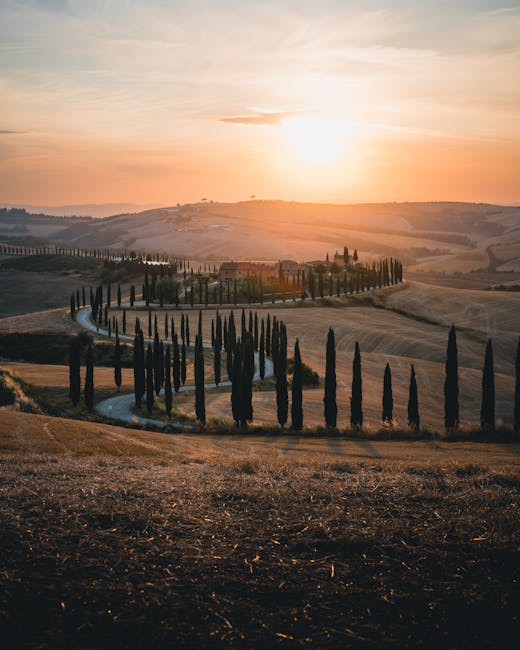
2) Day 2 morning — San Gimignano and Volterra: towers, panoramas and crafts
On the morning of day two, set off early for San Gimignano (about 1 hour’s drive from Greve depending on traffic). This medieval village is famous for its towers: San Gimignano’s skyline is one of Tuscany’s iconic images. It’s extremely photogenic but gets very busy in high season, so aim to arrive before 10:00.
San Gimignano — Must-see highlights
Central address: Piazza della Cisterna, 53037 San Gimignano (SI). To climb the tallest tower, head to Torre Grossa, Piazza del Duomo, 1, 53037 San Gimignano (SI). Opening times: generally 10:00–19:00 (seasonal variations). Entrance to Torre Grossa and the Collegiate Museum costs around €9–€12 per adult. Wander the Piazza del Duomo and visit the Collegiata di Santa Maria Assunta (Duomo), which houses remarkable medieval frescoes. Museum/duomo entrance is included in some combined tickets.
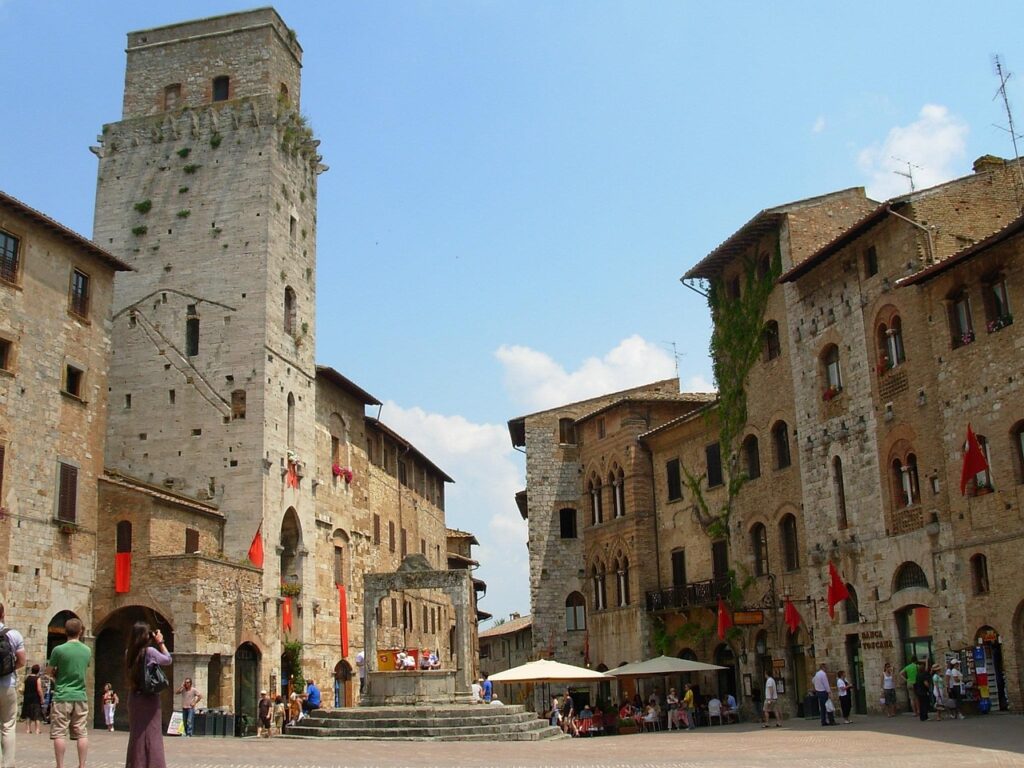
Tips: buy skip-the-line tickets if available in high season, or book a 1-hour guided tour to better understand the history of the families who competed by building towers. For a renowned coffee or gelato, go to Gelateria Dondoli, Piazza della Cisterna, 4, 53037 San Gimignano (SI). Opening: 10:00–23:00 in summer; artisan gelato from about €3–€5 per scoop.
Late morning — Drive to Volterra
Volterra is around 30 minutes from San Gimignano. The borgo is less touristy but rich in Etruscan and medieval atmosphere. On arrival, reach Piazza dei Priori, 1, 56048 Volterra (PI) for the historic center. The Palazzo dei Priori (town hall) is a fine example of medieval architecture; opening hours often 9:00–13:00 / 15:00–18:00, entrance €3–€6.
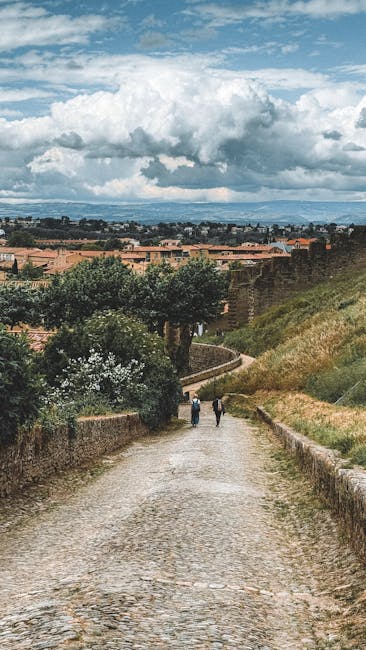
In Volterra, don’t miss the Museo Etrusco Guarnacci, Via Don Giovanni Minzoni, 1, 56048 Volterra (PI). Opening generally 10:00–18:00; entrance €6–€10. The museum houses an impressive collection of Etruscan artifacts. For a quiet lunch, try a trattoria on Piazza dei Priori; lunch menus average around €12–€20.
3) Day 2 afternoon — Siena, Monteriggioni and the Via Francigena
After Volterra, head to Siena, a UNESCO-listed historic city. Siena mixes a vibrant open-air museum with lively neighborhoods; it’s a must on a successful Tuscan weekend. Check traffic and parking conditions: Siena has ZTL zones (Limited Traffic Zones) where unauthorized access is fined.
Siena — Piazza del Campo and the Duomo
Central address: Piazza del Campo, 1, 53100 Siena (SI). Start at the square, famous for the Palio, then head up to Siena Cathedral: Duomo di Siena, Piazza del Duomo, 8, 53100 Siena (SI). Duomo hours: usually 10:00–19:00 (varying off-season). Combined ticket Opera, Museo, Baptistery costs about €8–€18 depending on options. Don’t miss the Piccolomini Library with its stunning frescoes.
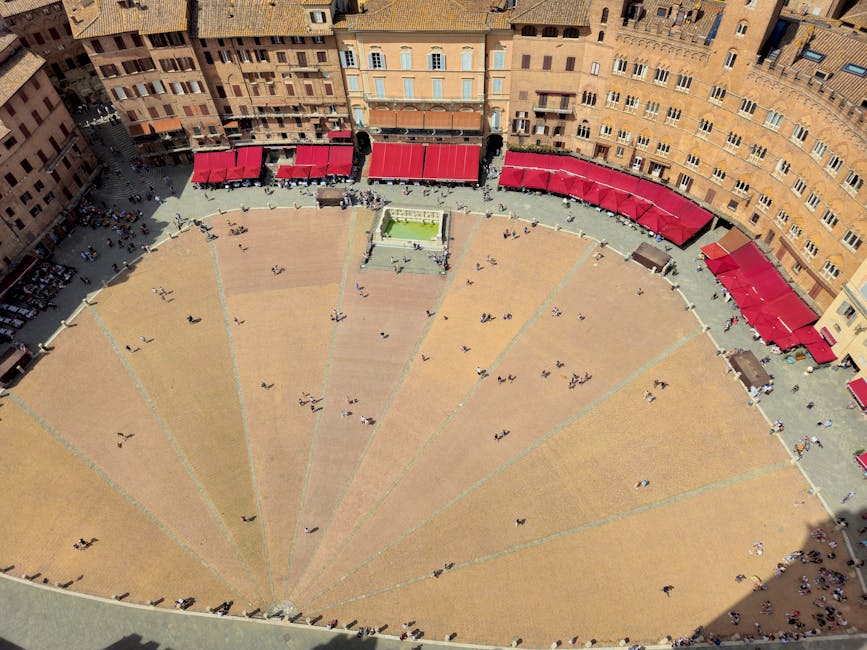
For a more cultural visit, the Museo Civico, Piazza del Campo, 1, 53100 Siena (SI) is usually open from 10:00 to 18:00; entrance €8. The surrounding lanes offer many artisan workshops and boutiques. Parking: park on the outskirts, e.g. Parcheggio Il Campo, Via Paolo Mascagni (rates vary).
Late afternoon — Monteriggioni and sunset
About 20 minutes from Siena, the fortress of Monteriggioni is an emblematic walled village with well-preserved ramparts. Address: Piazza Roma, 1, 53035 Monteriggioni (SI). The ramparts are freely accessible; access to the towers may be charged seasonally (small fee €2–€5). Opening: the village is accessible all day; local shops and museums often have limited hours, typically 10:00–13:00 and 15:00–19:00.
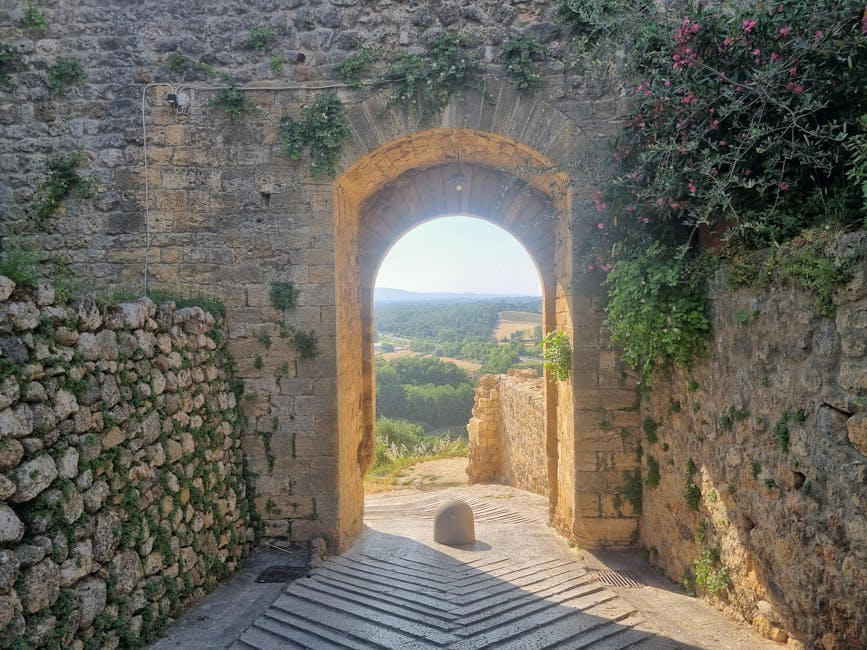
Photo tip: climb the ramparts for a panorama over the plain and the Chianti route — especially beautiful at sunset. For dinner, many restaurants serve traditional dishes; expect to pay €18–€35 per person for a full meal. Monteriggioni is also a pleasant stop for walkers on the Via Francigena crossing Tuscany.
4) Val d’Orcia — Pienza, Montalcino and Bagno Vignoni: calm and flavour
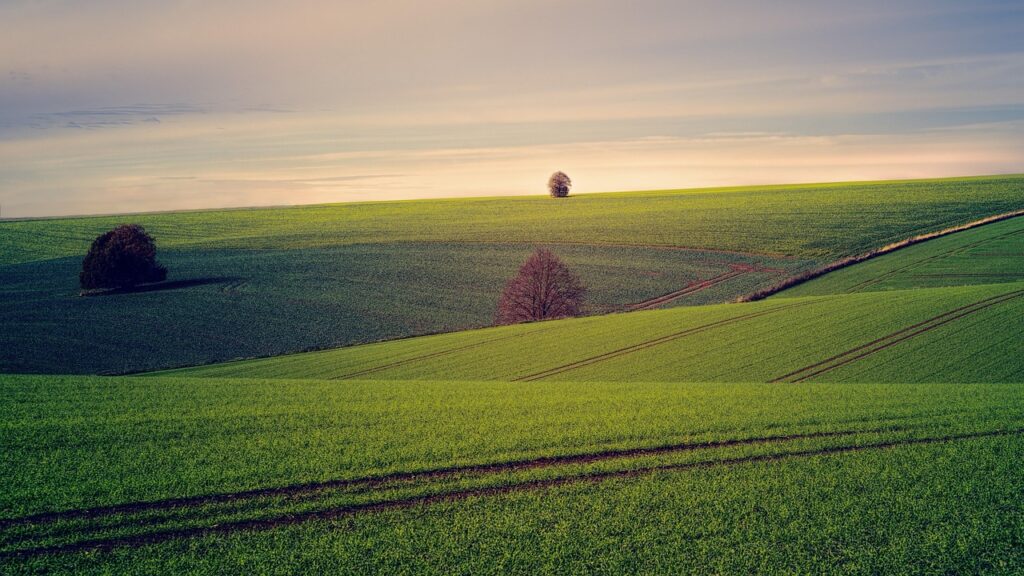
The final leg of your weekend takes you to one of Italy’s most photographed regions: the Val d’Orcia. Its rolling hills, rows of cypresses and elegant villages form postcard-perfect scenery. Plan this stage for the morning and daytime to savor cheese, renowned wines and thermal baths.
Pienza — Cheese and Renaissance ideals
Pienza, designed as an ideal Renaissance town, is a cultural gem. Central address: Piazza Pio II, 10, 53026 Pienza (SI). Visit the Duomo di Pienza (Cathedral of the Assumption), and the Palazzo Piccolomini (Piazza Pio II, 4) with gardens offering views over the Val d’Orcia. Opening hours: often 9:00–19:00; palace/garden entry €6–€10.
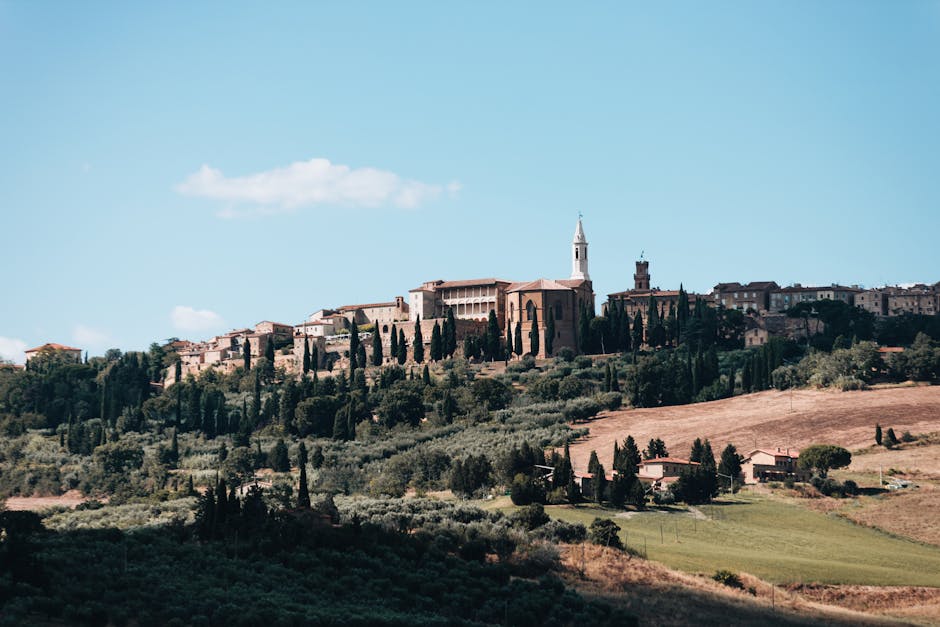
Food: taste Pienza pecorino in local cheese shops (e.g. Antica Fattoria Pienza, Via del Castello). Tastings/purchases: cheese portions and platters from €5–€20 depending on selection.
Montalcino — Brunello and the fortress
About 20 minutes from Pienza, Montalcino is the home of the famous Brunello di Montalcino. Key site: Fortezza di Montalcino, Piazza del Popolo, 1, 53024 Montalcino (SI), where you can often taste wines in the fortress courtyard. Many wineries around the town offer tastings by reservation. Examples: Castello Banfi, Località Poggio alle Mura, 53024 Montalcino (SI) (cellar tours, opening 10:00–17:00, tastings from €20 depending on the formula). Bottle prices for Brunello at the cellar often start around €25.
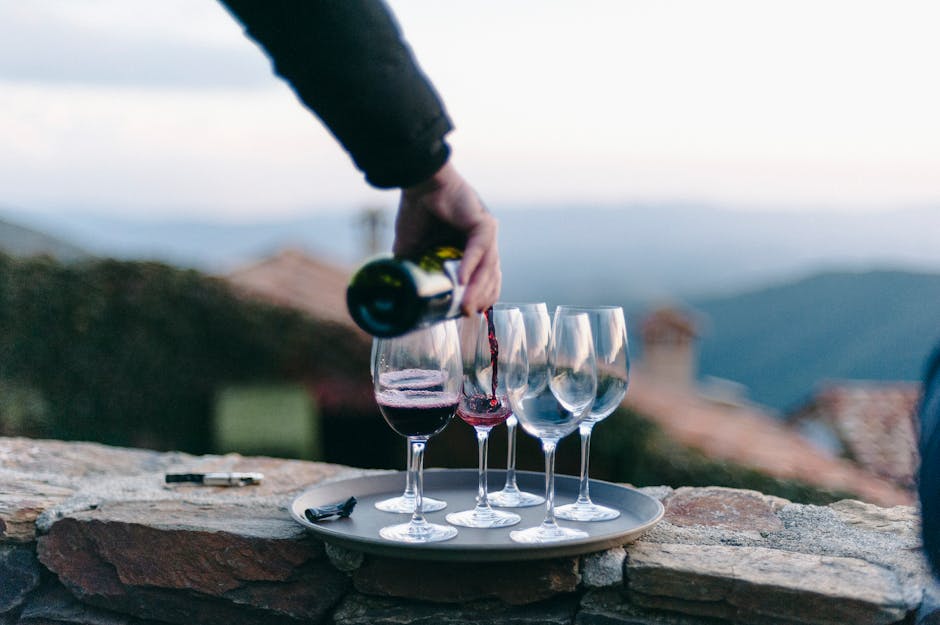
Also visit the historic center for its lanes and viewpoints. The Fortezza is free to visit (access to terraces sometimes requires a small fee €2–€5 for certain events).
Bagno Vignoni — thermal baths and relaxation
End your weekend with a thermal stop in Bagno Vignoni: the central piazza is a large historic thermal basin. Address: Piazza delle Sorgenti, 53027 Bagno Vignoni (SI). The central pool is not intended for bathing (it’s a monument), but several establishments offer private thermal pools: e.g. QC Terme Bagni San Filippo or hotel spas (reservations recommended). Private spa access prices: starting around €25–€60 for a short session; day packages €50–€120 depending on services.
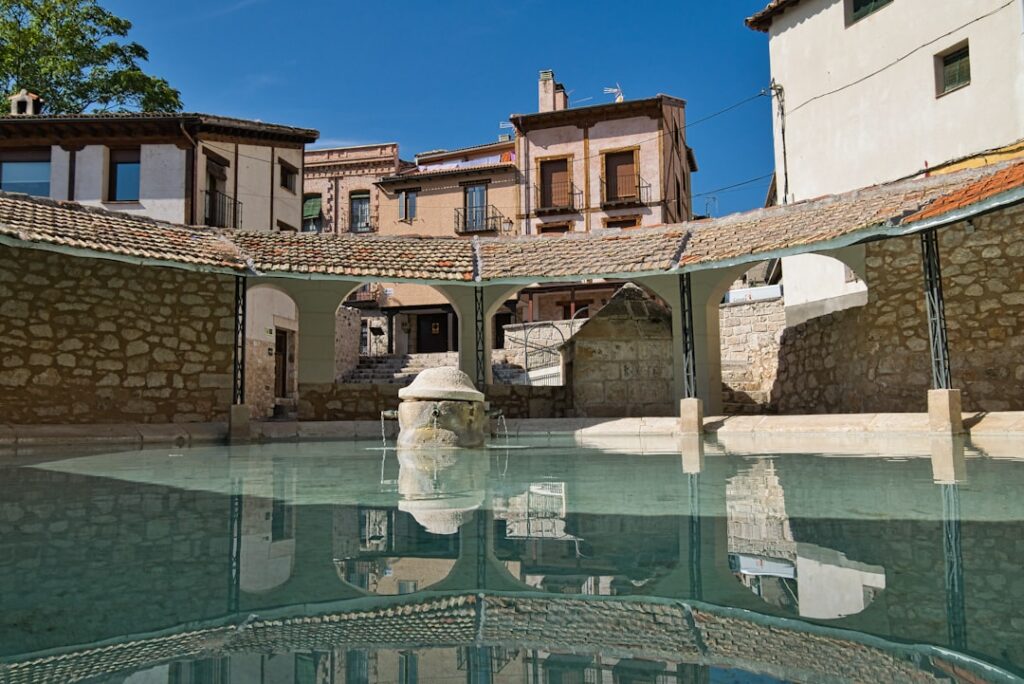
For those who prefer natural springs, head to Bagni San Filippo, Località Bagni San Filippo, 53023 Castiglione d’Orcia (SI): natural pools and limestone formations (Fosso Bianco) are freely accessible — great for a short outdoor dip. Access: free, natural site open year-round; bring slip-resistant shoes and time your visit for optimal light if you want the best photos.
Conclusion — Practical tips and final recommendations
A weekend in the Tuscan borghi should balance cultural discoveries, tasting moments and time for contemplation. Plan your stops according to the season: in summer, set off early and favor late-afternoon visits to avoid heat and crowds; in low season (November–March), always check museum and winery hours which can be reduced. Distances may look short on a map but winding secondary roads slow travel: allow time between visits for a photo stop or a cappuccino.
Bookings: for wine tastings, popular restaurants and some museums or towers (Torre Grossa, Duomo museums), advance reservations are often essential in high season. Keep some cash for small market purchases and parking fees. Remember most villages have ZTL zones: obey the signs to avoid fines. Download offline maps or use a reliable GPS — mobile reception can be patchy on rural roads.
Indicative budget for 48 hours: accommodation €80–€180/night, meals €20–€40 per person per meal, tastings €15–€40 depending on the estate, monument entries €3–€18. The total depends on your choices (luxury/agriturismo/economy) but a reasonable estimate for a comfortable weekend falls around €250–€500 per person.
Finally, take the time to slow down: a successful weekend is less about racing between sites and more about the quality of shared moments — a convivial table, a wine tasted at sunset, a walk at dawn. The Tuscan borghi are meant to be felt: touch the stones, taste the local produce and let yourself be charmed by the gentle hills. Have a great trip and buona Toscana!